The honest answer most clients want to hear: the sharp pain stops when the machine clicks off. That raw, stinging sensation fades within a few hours. The deeper soreness, like a bad sunburn meets a bruise, hangs around for about two to three days. After that, you’re dealing with itch and tightness, not real pain. I’ve had people walk out of my chair saying “that wasn’t bad,” and others who needed a breather after twenty minutes. Your body, your placement, your artist’s hand speed, and how well you sleep that first night all rewrite the timeline.
What Happens During the Tattoo Session
Pain isn’t one flat note. It changes pitch as the session stretches on.
The First Hour vs. The Fourth Hour
That first hour, adrenaline’s doing you favors. Skin’s fresh, you’re mentally prepped, and the endorphins can make the sensation feel almost manageable, annoying, not agonizing. By hour two or three, that same spot has been worked over repeatedly. The skin swells, gets tender, and the needle starts feeling hotter. I’ve watched tough guys tap out on long sessions because cumulative fatigue beats initial bravery every time. Line work hurts differently than shading too, lines are quick, precise zaps. Shading is a slower, grinding drag that wears on you.
Where It Sits on Your Body
Ribcage, sternum, feet, hands, inner bicep near the armpit, these spots make people grip the armrest white-knuckle tight. Fleshier areas like the outer thigh, upper arm, or calf? Most folks chat through those. Bone proximity, thin skin, and nerve density are the real deciders. I’ve had clients fall asleep during a back piece and nearly levitate off the table for a collarbone touch-up.
- High pain zones: ribs, sternum, spine, elbows, knees, feet, hands, throat, inner bicep
- Moderate pain zones: forearms, calves, shoulders, upper back
- Easier zones: outer thigh, upper outer arm, buttocks, most back areas
The First 24 Hours: When It Actually Hurts
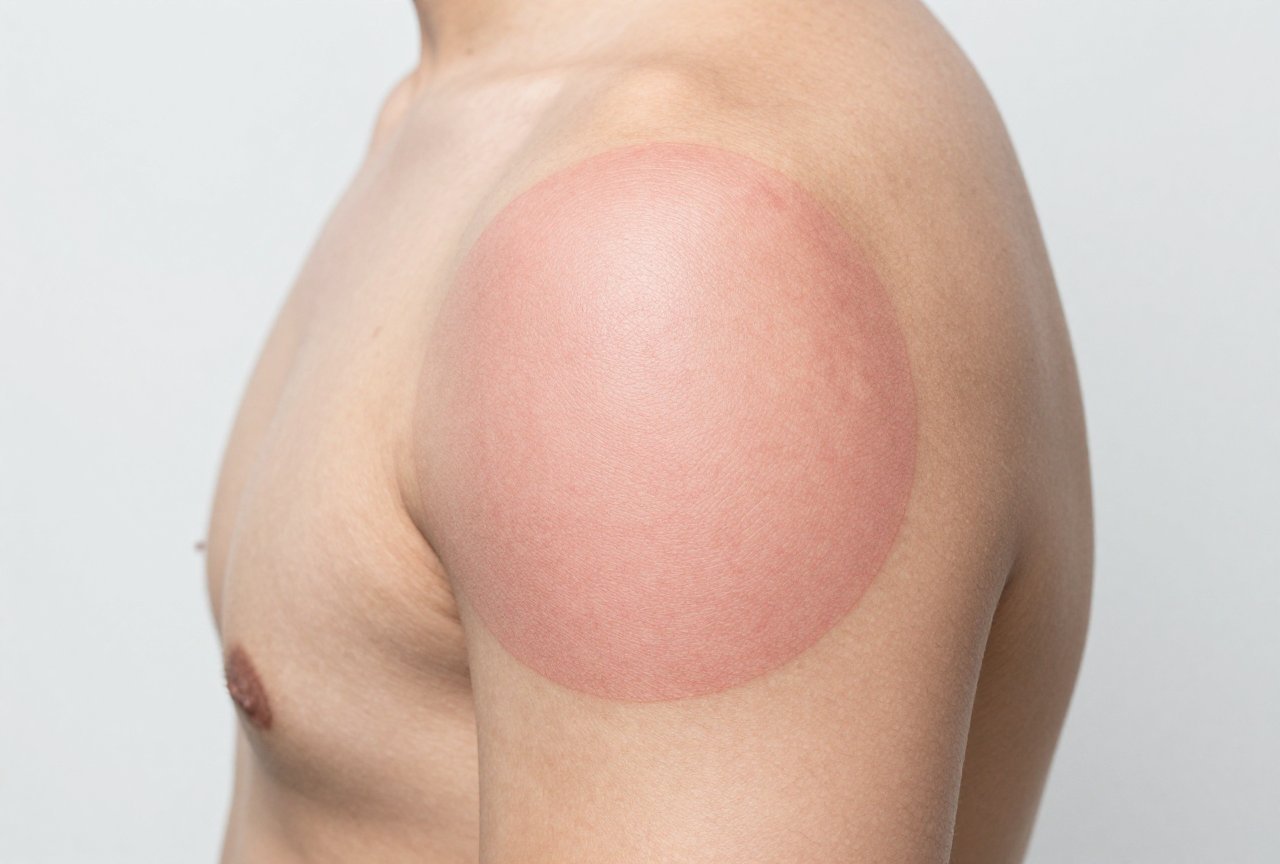
This is the window people mean when they ask “how long will it hurt.” That fresh tattoo feels like someone took sandpaper to sunburned skin. It’s hot, pulsing, and tight under the wrap. I tell clients to keep that second-skin or Saniderm on for the time I specify, usually 4-24 hours depending on the piece size and weeping. Removing it too early exposes raw skin to air and friction, and that stings worse.
Sleeping That First Night
This is where people suffer unnecessarily. Fresh ink sticks to sheets, gets bumped by pets, and throbs if you sleep on it wrong. The first night, expect to wake up a few times aware of the sensation. It’s not screaming pain for most, but it’s enough to notice. Sleep on clean sheets you don’t care about, keep the tattoo uncovered if your artist advised that, and accept you’ll be a little restless.
Days 2-3: The Soreness Phase
The sharpness is gone. What’s left is a deep, dull ache, like someone punched you repeatedly in one spot. The skin feels tight, maybe slightly warm. This is normal healing, not infection (which would be hot, red streaking, and foul-smelling, and that’s when you contact a doctor, not your artist). Most people stop needing over-the-counter pain relief by day three. I’ve had clients back at desk jobs next day, and others who took a long weekend because the rib piece made breathing feel tender.
During this phase, washing it gently becomes its own little ritual. Lukewarm water, unscented soap, pat dry, don’t rub. The water hitting fresh tattoo can make you hiss through your teeth, but it’s brief. Moisturizing with a thin layer of what your artist recommended helps that tight feeling.
Days 4-14: Itch Replaces Pain
Here’s the truth nobody warns you about: the itch can be worse than the initial pain. That peeling, flaking skin drives people nuts. I’ve had clients call the shop convinced something’s wrong because they want to claw their own arm off. It’s normal. The tattoo isn’t hurting anymore in the traditional sense, but the sensation demands attention just as aggressively.
The Temptation to Scratch
Scratching a healing tattoo can pull out ink, create scar tissue, and extend healing. I slap hands metaphorically all day long, “pat it, don’t scratch it.” Some people tap the area around it, some run cool water over it, some just suffer with dignity. By day 10-14, the surface usually looks mostly settled, though the skin underneath is still remodeling for weeks.
What Makes Some Tattoos Hurt Longer
Not all healing timelines match. Here’s what stretches the discomfort:
- Size and saturation: A small fine-line piece heals faster than a solid black sleeve. Heavy saturation means more trauma, more swelling, longer recovery.
- Color packing: White ink and bright colors often need multiple passes. That skin gets worked harder.
- Your own healing: Diabetes, poor circulation, smoking, dehydration, all of it slows you down. I’ve seen identical placements on two people heal a week apart in timeline.
- Aftercare mistakes: Over-moisturizing breeds bacteria, under-moisturizing cracks the skin. Both extend discomfort. Picking scabs adds days of sensitivity.
- Reactions to products: Some people discover they’re sensitive to certain aftercare balms. Switching to something simpler often solves mystery irritation.
We see a lot of second-guessing in the shop around day five. The tattoo looks cloudy, the color seems dull under peeling skin. People panic, think it’s ruined, think it’s infected. I tell them: you can’t judge a tattoo until it’s healed. That takes 3-4 weeks for surface, 2-3 months for full settling.
Red Flags vs. Normal Healing
I need to be clear here because I get these questions constantly. Normal healing includes: redness that fades outward from the tattoo, clear or slightly bloody plasma in the first day, flaking and peeling, mild warmth, and itch. Concerning signs that need medical attention: spreading redness, red streaks, thick yellow or green pus, fever, or pain that worsens after day three instead of improving. I’m an artist, not a doctor, when in doubt, get checked.
Key Takeaways
- Sharp tattoo pain lasts during the session and a few hours after; soreness persists 2-3 days typically
- Placement matters enormously, bone and nerve-dense areas hurt more and longer
- Itch during days 4-14 often feels worse than initial pain; resist scratching
- Heavy saturation, color work, and large pieces extend the healing timeline
- Proper aftercare shortens discomfort; mistakes prolong it
- Full visual healing is 3-4 weeks; complete skin remodeling takes 2-3 months
Every tattoo is a small wound dressed up as art. Respect that, don’t rush the healing, and the pain becomes a brief footnote to something permanent on your skin. I’ve been doing this long enough to know: the people who research beforehand, who follow aftercare like religion, who don’t panic at normal peeling, they have the best outcomes. The pain ends. The art stays.
Frequently Asked Questions
Can I take painkillers before getting tattooed to hurt less?
Avoid aspirin and ibuprofen beforehand, they thin blood and make you bleed more during the session, which actually hurts worse and pushes out ink. Some artists are fine with acetaminophen, but always ask your specific artist first. I personally tell clients to show up well-rested and hydrated instead.
Why does my tattoo hurt more at night than during the day?
Blood flow changes when you lie down, inflammation pools, and you’re not distracted by activity anymore. That first night always feels more intense. Elevating the area and sleeping in a position that doesn’t press on it helps more than you’d expect.
Does numbing cream actually work for tattoo pain?
Some creams help for the first 30-60 minutes, but most wear off and then the skin is extra sensitive from the cream’s effects. Many artists dislike them because they change skin texture and can make our job harder. I don’t recommend relying on them for long sessions.
How do I know if my tattoo is healing normally or if something’s wrong?
Normal healing gets gradually better each day after the first two. If pain, redness, or swelling increases after day three, or you see pus or red streaks, that’s not standard healing. When you’re unsure, a quick call to your artist can clarify, but medical symptoms need a doctor’s eyes.
Related Tattoo Guides
- Back Tattoo Costs: What You ll Actually Pay in 2024
- How Much Do Tattoos Cost? A Real Shop Guide
- How to Deal With Tattoo Pain: A Real Artist s Guide
- Explore more