
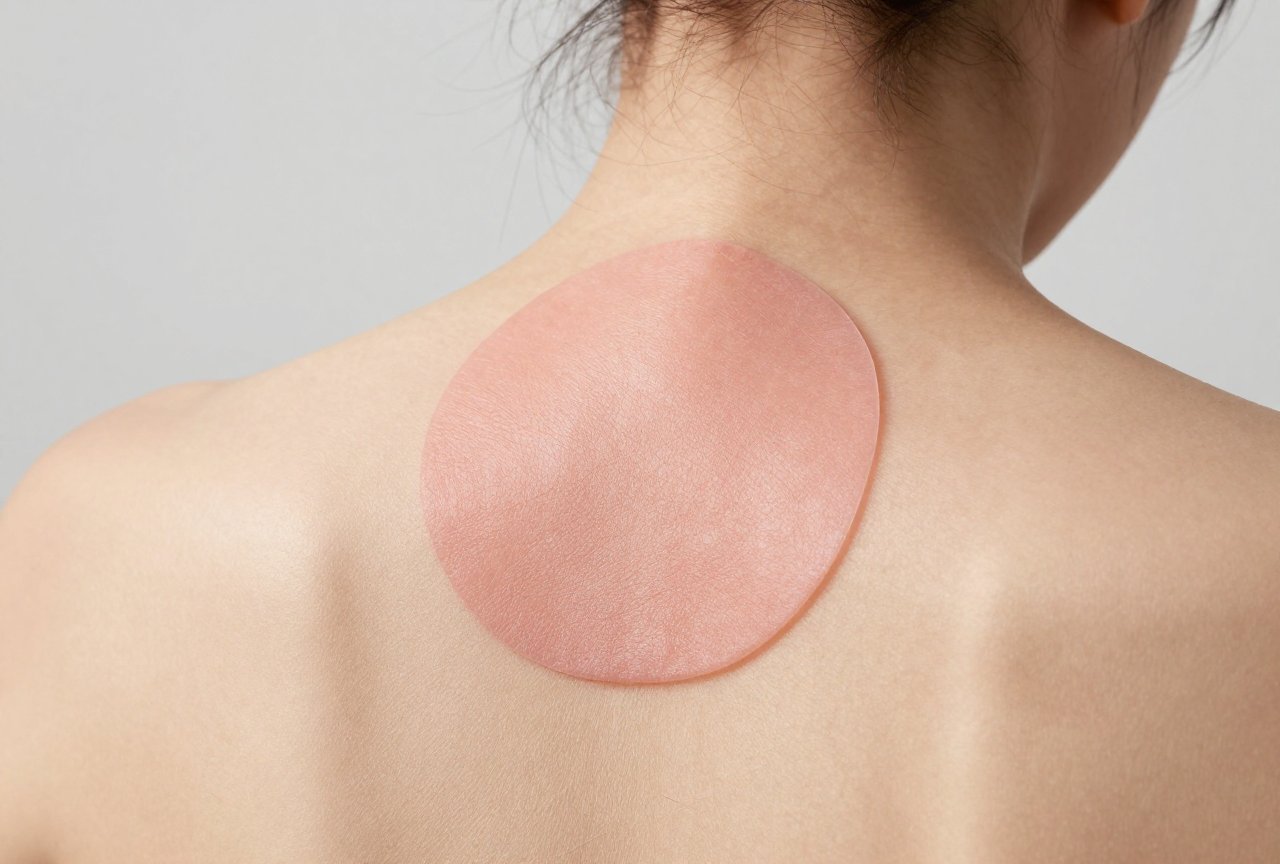
Keep your new tattoo completely out of the sun for at least three to four weeks, and even after that, you need to be smart about it. I’ve been tattooing for years, and I tell every single client: the sun is your tattoo’s worst enemy while it’s healing, and honestly, it stays a serious threat for the life of the piece. That fresh ink is essentially an open wound layered with pigment, and UV light will cook it, fade it, and in some cases, cause enough damage that you’ll need a touch-up or worse. Here’s everything I’ve learned watching thousands of tattoos heal in real shop conditions.
Why the Sun Destroys Fresh Tattoos
When I lay down lines and pack color into someone’s skin, I’m creating a controlled injury. The needle deposits ink through the epidermis into the dermis, and your body responds by sending plasma, lymph fluid, and white blood cells to the area. That top layer of skin? It’s compromised. It’s not a sealed surface anymore. It’s leaking, scabbing, and rebuilding itself.
UV radiation hits that raw tissue and causes immediate damage. The skin tries to protect itself by pulling pigment to the surface, which is exactly what you don’t want. I’ve seen clients come back after beach trips with tattoos that look like they were washed in bleach. The blacks go gray. The reds turn salmon. The fine lines blur out because the skin essentially sunburns and then sheds unevenly, taking ink with it.
What Happens Under the Microscope
Even without getting technical, the reality is simple: fresh skin can’t regulate melanin production properly when it’s healing. You get patchy darkening around the tattoo, or conversely, the tattooed area itself loses color because the damaged cells slough off. Either way, your artist’s work gets compromised. I’ve had to redo entire sections of blackwork because someone thought “just a little sun” would be fine after day ten.
The Healing Timeline: Week by Week
Every tattoo heals differently, but here’s what I see consistently in my chair:
- Days 1-3: The tattoo is an open wound. Plasma and ink weep to the surface. Sun exposure now causes immediate, severe damage. Stay covered, stay inside if possible.
- Days 4-14: Peeling and flaking begins. The new skin underneath is incredibly thin and sensitive. UV penetrates this easily. I’ve watched tattoos scab thicker and crack worse when clients got sun during this phase.
- Days 15-28: The surface looks healed, but the dermis is still remodeling. That ink hasn’t fully settled. The tattoo can still fade dramatically with sun exposure. I treat this as still vulnerable.
- Month 2 and beyond: The skin has sealed, but the tattoo is still settling into its final appearance. Long-term sun protection starts mattering now.
Why the Surface Heals Faster Than the Deep Layer
Clients always say, “it looks fine now” around day twelve. Sure, the top layer has closed. But the dermis where the ink lives? That’s still organizing itself, building collagen, encasing those pigment particles. Sun damage at this stage doesn’t show immediately. It shows up six months later when your blacks look dusty and your colors went flat. I always tell people: the tattoo you see at three weeks is not the tattoo you’ll have at three months.
What “Out of the Sun” Actually Means
People hear this advice and think it means don’t sunbathe. That’s the bare minimum. In my shop, “out of the sun” means:
- No direct exposure, period. Walking from your car to a building can be enough if it’s bright July afternoon and your forearm tattoo is bare.
- Clouds don’t block UV. I’ve had clients burn on overcast days. The tattoo doesn’t care if you feel cool.
- Windows don’t block UVA. That drive with your arm on the windowsill? Your tattoo is baking. Car glass blocks UVB, not UVA, and UVA penetrates deep enough to matter.
- Reflective surfaces multiply damage. Water, sand, snow, concrete, they all bounce UV back up at you. I’ve seen gnarly fading on shin tattoos from guys who just walked on bright pavement.
We see this a lot in summer: someone gets a great piece on their calf, then spends a weekend at the lake with loose shorts. They come back two weeks later confused why the blue looks teal and the black lines went soft. The sun did that. It wasn’t an infection, it wasn’t bad ink. It was UV damage during the critical window.
How to Actually Protect Your Tattoo
Aftercare advice varies by artist, but on sun protection, most of us agree on the practical stuff:
- Physical coverage first. Loose, clean clothing over the tattoo. Not tight, friction irritates healing skin. I recommend dark, breathable cotton. That fresh sleeve tattoo? Long sleeve shirt, even if it’s eighty degrees.
- Stay out during peak hours. 10am to 4pm is when UV is strongest. If your schedule allows, run errands early or late.
- After two weeks, mineral sunscreen if you must be exposed. Zinc oxide, not chemical filters. Chemical sunscreens can irritate healing tissue. I personally don’t love any sunscreen on a tattoo under three weeks old, but if someone’s job demands outdoor work, mineral block is the compromise.
- Never use tanning beds. Concentrated UVA in a booth will destroy a fresh tattoo in minutes. I’ve seen it happen. It’s devastating.
The Reality of Summer Tattoo Appointments
I try to talk people out of getting large pieces in June if they know they’re hitting the beach in July. It’s not always possible, wedding dates, travel schedules, whatever. But I make the risks clear. If you’re getting tattooed in peak summer, you need to plan your life around keeping that piece covered for a month. It’s not negotiable. I’ve had clients cancel vacations because they realized too late what they’d committed to. Better that than a ruined tattoo.
Long-Term Sun Protection for Healed Tattoos
Once you’re past that initial month, the sun doesn’t stop being a threat. It just changes tactics. UV fades all tattoos over time. It’s physics. The pigment particles break down, and your immune system carries them away. Sun accelerates this massively.
I tell clients: your tattoo is an investment. You paid for it, you sat for it, you healed it. Now protect it like you’d protect anything else valuable. Mineral sunscreen, SPF 30 or higher, applied generously and reapplied every two hours if you’re outdoors. On my own pieces, I use zinc oxide sticks on line work. For color pieces, I layer it thick. The white cast matters less than preserving the saturation.
Some colors are more vulnerable than others. Whites and yellows fade fastest. Light blues and greens go next. Solid black holds longest but even black turns greenish-gray with enough sun abuse. I’ve touched up twenty-year-old tattoos that looked fifty because the person worked construction with their arms bare for decades.
What to Do If You Slip Up
It happens. You’re three weeks out, you forget sunscreen, you’re at a barbecue longer than planned. The tattoo feels tight, looks pink, maybe blisters slightly.
Get out of the sun immediately. Cool (not ice cold) compresses. Stay hydrated. Don’t put butter or weird home remedies on it, I’ve heard them all. Let your artist know. We need to see if the ink lifted, if scabbing got worse, if there’s damage we can address. Sometimes it’s just extra irritation that settles. Sometimes we need to schedule a touch-up in eight weeks once everything’s fully healed and stable. Don’t panic, but don’t hide it either. We can’t fix what we don’t know about.
Key Takeaways
- Three to four weeks of complete sun avoidance is the minimum for any new tattoo.
- Physical coverage beats sunscreen on fresh ink, loose, clean clothing is your best tool.
- The tattoo surface heals faster than the deeper layers where ink lives; looking healed doesn’t mean you’re in the clear.
- UV penetrates clouds and windows; “indirect” exposure still counts as exposure.
- After healing, lifelong sun protection preserves your investment, mineral sunscreen, reapplication, and smart timing.
- If you get sun on a fresh tattoo, tell your artist promptly so we can assess and plan.
I’ve watched too many beautiful pieces get compromised by preventable sun damage. The rules aren’t complicated, but they require discipline. Your tattoo will be on your body for decades. Give it that first month of protection, and it’ll repay you by staying crisp and bold for years to come.
Frequently Asked Questions
Can I swim in a pool if I keep my tattoo covered with a waterproof bandage?
I don’t recommend it. Even waterproof bandages can leak, and pool chemicals irritate fresh tissue. The sun reflection off water is intense too. Wait the full healing period, usually three to four weeks, before any swimming.
Will my tattoo be safe if I use a high-SPF chemical sunscreen during the first month?
Chemical sunscreens can irritate healing skin, and no sunscreen blocks 100% of UV. I tell clients to rely on clothing coverage instead. If you absolutely must be outside for work, mineral zinc oxide is the lesser risk, but physical coverage still wins.
Does the placement of my tattoo affect how much sun damage it can take?
Yes. Areas that get constant incidental exposure, forearms, hands, calves, fade faster over a lifetime. I see this constantly on construction workers and teachers. Areas usually covered by clothing hold color much longer with less maintenance.
How do I know if my tattoo is fully healed enough for normal sun exposure?
The surface should be smooth, no shine, no peeling, no raised areas. But I always tell people: if it’s under a month old, assume it’s still vulnerable. The deeper settling happens invisibly. When in doubt, keep it covered another week.
Related Tattoo Guides
- How Long to Leave Tegaderm on a New Tattoo: Artist s Guide
- How Long Until a Tattoo Heals: A Real Shop Timeline
- How Long Until You Can Swim After a Tattoo
- Explore more









