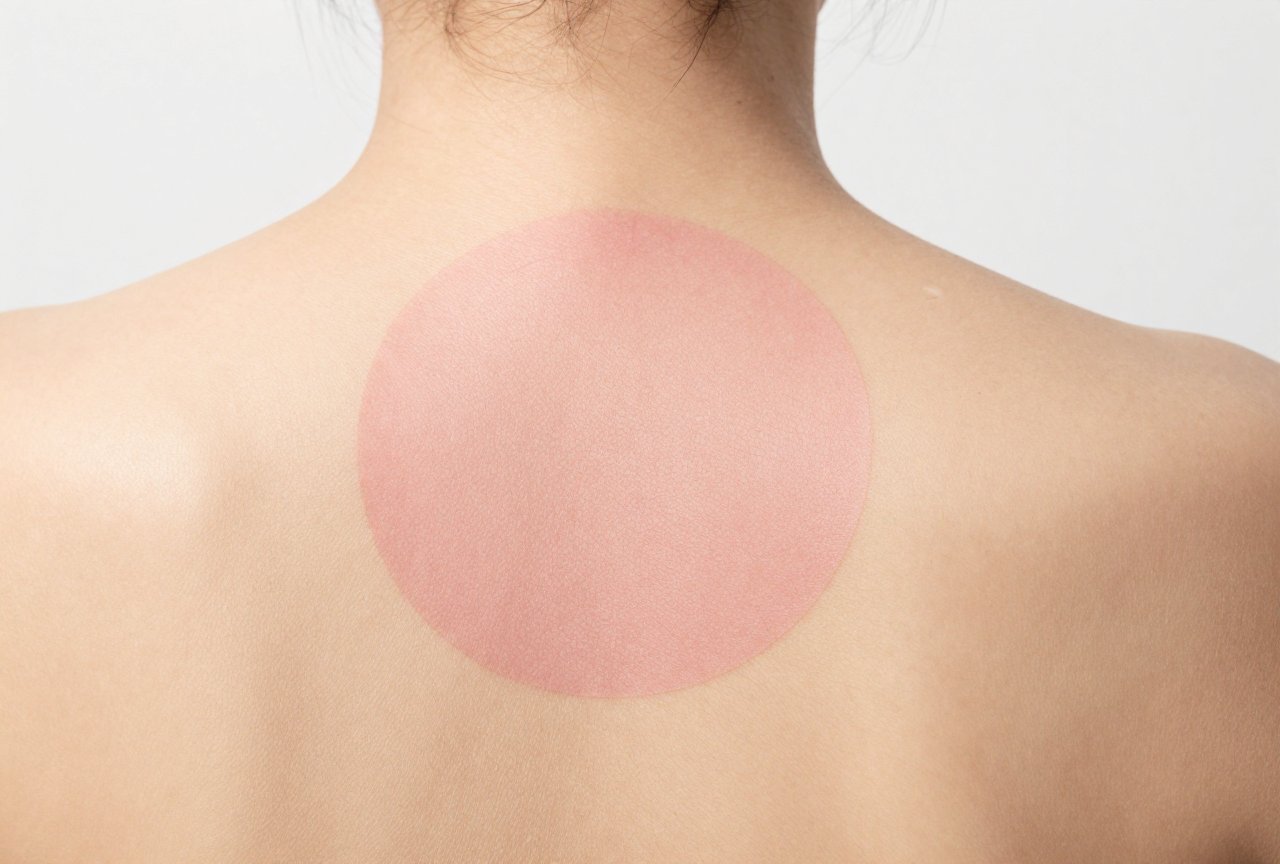
Most tattoos stay red for two to seven days. That’s the honest answer I give everyone who slides into my chair and asks three minutes before I start. The redness comes from your immune system doing exactly what it’s supposed to do, sending blood and plasma to the wound site. But the timeline shifts based on where you got it, how heavy the artist worked, your skin type, and if you’re actually following aftercare or just thinking about it.
What That Redness Actually Means
Fresh tattoo redness isn’t some mysterious tattoo thing. It’s the same response you’d get from a decent carpet burn or a deep scrape. The needle cluster punches through the epidermis and deposits ink in the dermis, so your body treats it like trauma because it is trauma. I’ve had clients panic on day three because their forearm still looks angry, while their buddy’s tattoo calmed down in forty-eight hours. Different bodies, different responses. Both can be totally fine.
The red zone usually follows a pattern:
- Day 1-2: Bright, almost sunburned look. The area feels hot to the touch. Totally normal.
- Day 3-5: Redness softens to pink, especially around the edges. Center might stay darker if the artist packed solid black or saturated color.
- Day 6-7: Most people see the red fade to their normal skin tone, maybe with slight pink lingering near dense shading.
When Redness Hangs Around Longer
Some spots just stay red longer. I’ve tattooed ribs that looked pissed off for ten days, and inner bicep pieces that settled in four. The pattern I’ve noticed: areas with thin skin, lots of movement, or constant friction from clothing hold onto redness. Ankles swell. Wrists get bumped. Lower back rubs against everything. Your body prioritizes healing where it’s getting the most signals of distress.
How Placement Changes the Timeline
Not all skin is the same canvas, and experienced artists adjust their approach accordingly. I run my machines differently on a sternum than I do on a calf, but your body still reacts based on the real estate.
- High-movement zones: Elbows, knees, fingers, feet, these stay red longer because the skin flexes and disturbs the healing matrix. I warn clients that hand tattoos might look inflamed for two weeks.
- Tight or thin skin: Ribs, collarbones, inner thighs. The redness can look more dramatic because you see it through less tissue.
- Well-supported areas: Outer upper arm, upper back, thigh. These typically calm fastest because they’re stable, less swollen, and not getting constantly irritated.
I’ve had people come back for touch-ups worried their tattoo “fell out” when really the area was just still pink and the contrast hadn’t settled yet. Patience. The color you see at day three isn’t the color you’ll have at month three.
Style and Technique Matter More Than You Think
How I tattoo you affects how long you stay red. This is shop-floor reality, not theory.
Line Work vs. Solid Fill
Delicate linework with a single needle? Minimal trauma, minimal redness. I’ve seen those pieces look almost calm by day two. But a traditional Japanese back piece with heavy black fill, or a fully saturated color realism portrait? We’re talking about thousands more needle passes, more ink load, more skin disruption. That redness has every right to stick around for a week, sometimes pushing into ten days around the heaviest sections.
White Ink and Highlight Reactions
White ink sits differently in skin. It requires more passes to show up, and the skin around it often stays pink or slightly raised longer. I always flag this for clients getting highlights or white-only designs. It’s not rejection; it’s just a stubborn pigment that fights back.
Aftercare That Actually Affects Redness
Here’s where I get real with people. Some aftercare choices won’t change your healing outcome, but others absolutely extend that red phase.
- Over-washing: I see this constantly. Clients think they’re being “clean” by scrubbing with antibacterial soap four times a day. You’re stripping the moisture barrier and irritating the wound. Twice daily, gentle, done.
- Too much lotion: Slathering Aquaphor or aftercare balm like you’re frosting a cake traps heat and bacteria. Thin layer, let it breathe. I can spot the over-moisturized tattoo from across the shop, puffy, overly red, sometimes with little bumps.
- Submerging too early: Pools, hot tubs, baths. The soak softens the healing skin, invites issues, and definitely keeps things red longer. Shower normally, don’t soak.
- Picking and scratching: I shouldn’t have to say this, but I do, every single week. Let the flakes fall. Disturbing the surface brings fresh blood flow and restarts the red cycle.
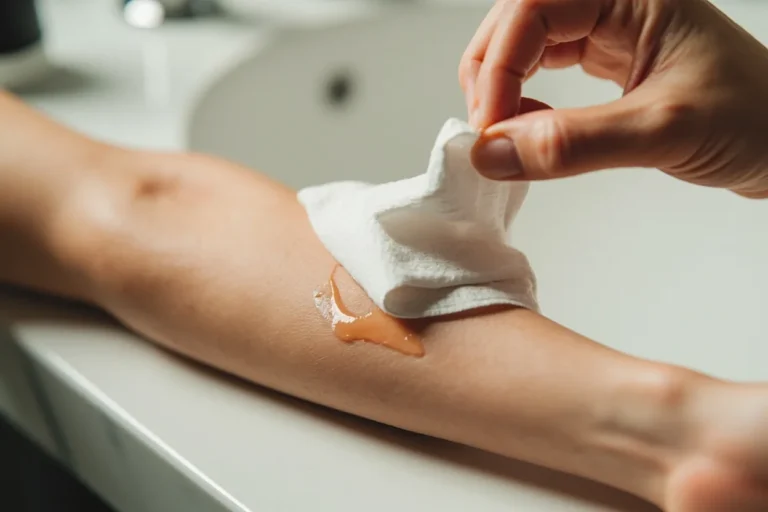
My standard aftercare script: wash morning and night with unscented soap, pat dry with a clean paper towel, apply a thin layer of recommended balm or plain, fragrance-free lotion. That’s it. Your body handles the rest unless something actually goes wrong.
When Redness Signals Something Different
I need to be straight here because I’ve had to send clients to urgent care. Most redness is normal. Some isn’t. The line isn’t always obvious, but there are patterns we watch for.
Normal healing redness:
- Gradually lightens each day
- Warm but not hot compared to surrounding skin
- Follows the tattoo’s shape and edges
- Stays relatively flat, maybe slight swelling
Redness worth checking:
- Getting darker or spreading beyond the tattoo after day three
- Hot to the touch compared to skin six inches away
- Throbbing pain that increases instead of decreasing
- Yellow or green fluid, or any odor
- Red streaks traveling away from the tattoo
I’m not a doctor, and this isn’t medical advice. But after fifteen years in shops, I know what typical healing looks like. If your gut says something’s off, call your artist first, most of us will look at a photo and tell you if it’s standard or if you need a medical opinion. We don’t want your tattoo compromised either.
The Itchy Phase and Why It Feels Worse
Around day four to seven, most tattoos start itching as the top layer begins regenerating. This is actually when the visible redness often drops off, but the sensation can make people hyper-aware of the area. I’ve had clients swear their tattoo got “more red” during the itchy phase, but usually they’re just inspecting it constantly, irritating the skin with fingernails or rubbing against clothing.
The trick I share: slap it gently instead of scratching. Or press a clean palm flat against it. The pressure satisfies the nerve without breaking the surface. Your artist will thank you, and your redness will fade on schedule instead of getting refreshed by fresh irritation.
Key Takeaways
Expect two to seven days of noticeable redness for most tattoos, with some styles and placements pushing toward ten days. Heavy blackwork, color saturation, hands, feet, ribs, and joints typically run longer. Light linework and stable upper body placements often calm faster. Your aftercare habits genuinely matter, less interference usually means less lingering redness. Know the difference between normal healing progression and signs that need professional attention. And remember: the tattoo you see at one week isn’t finished healing. The surface might look settled, but the dermis is still organizing ink for months. Give it time before judging the final result.
Frequently Asked Questions
Why is my tattoo still red after a week?
Some areas and styles just take longer. Heavy shading, color saturation, or placements on hands, feet, ribs, or joints can keep redness visible for ten days. If it’s slowly improving and not getting hotter or more painful, you’re likely still in normal range.
Does redness mean my tattoo is infected?
Not usually. Infection typically brings increasing heat, spreading redness beyond the tattoo, worsening pain, or unusual fluid. Normal healing redness gradually fades and stays confined to the tattooed area. When unsure, send a photo to your artist.
Can I reduce redness faster with any products?
There’s no magic product. Keeping it clean, lightly moisturized, and protected from sun and friction is your best bet. Avoid over-washing, heavy ointment layers, and picking at any flaking skin.
Should I be worried if only part of my tattoo is red?
Often that’s just where the artist worked hardest, dense black sections, color packing, or areas that needed more passes heal at different rates. As long as the red area isn’t expanding or getting hotter, it’s usually normal variation.
Related Tattoo Guides
- How Long Does a Tattoo Hurt? A Realistic Timeline
- How Long to Leave the Wrap on Your New Tattoo
- How Long to Keep a New Tattoo Out of the Sun
- Explore more