Most tattoos hurt for about three to seven days, with the worst of it in the first 24 to 48 hours. After that, it shifts from sharp, stinging pain to a dull, bruised soreness that fades gradually. By day seven, you’re usually just dealing with itch and flaky skin, not real pain. That’s the short answer. The longer one depends on where you got it, how heavy-handed your artist was, and if you’re actually following aftercare instead of letting your buddy’s cousin tell you what to do.
What Happens in the First 24 Hours
This is when it hurts most. Fresh off the needle, your skin is basically an open wound with thousands of tiny punctures. It throbs. It burns. It feels like a bad sunburn that someone keeps slapping. I’ve had clients sit through three-hour sessions like champs, then call me the next morning swearing the tattoo hurts worse than the tattooing itself.
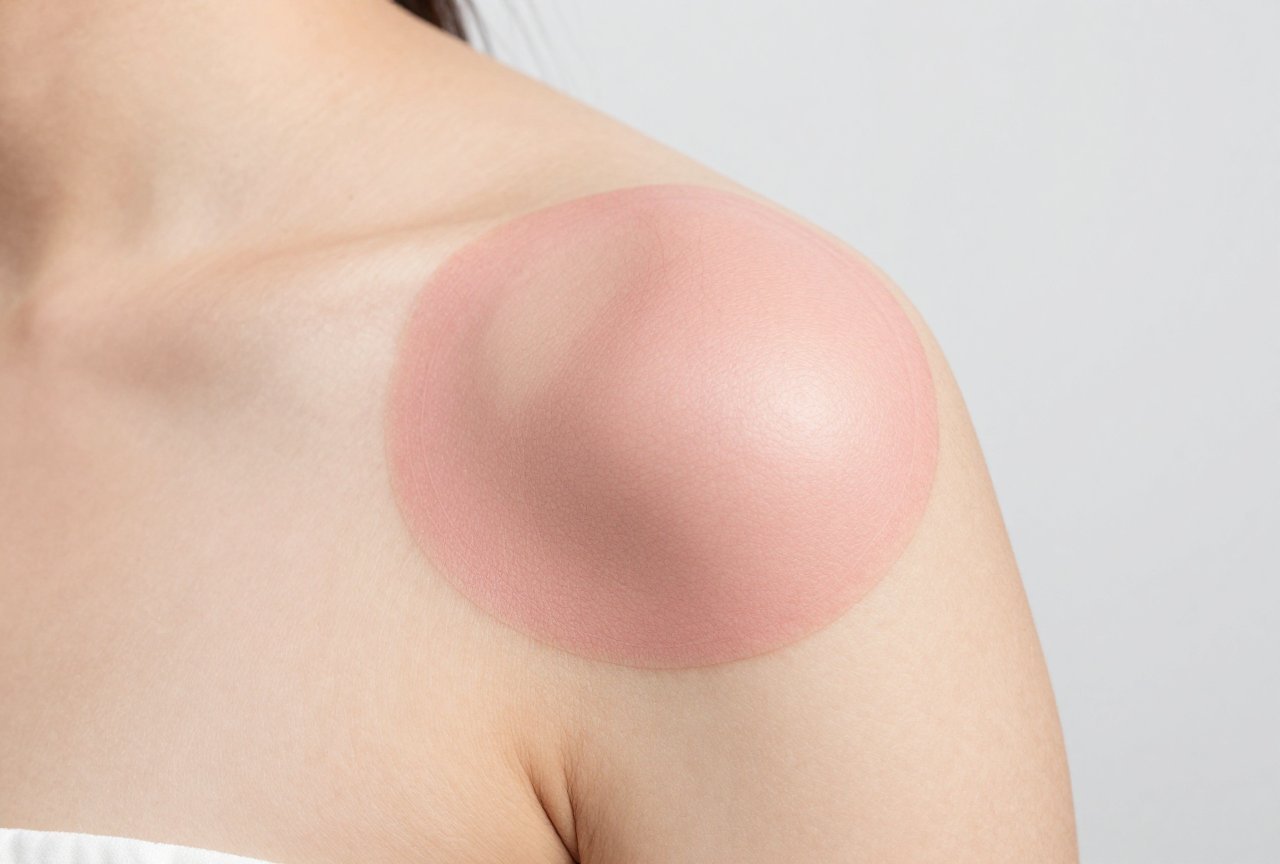
The adrenaline crashes. The endorphins wear off. Reality sets in. Your body sends fluid and white blood cells flooding to the area, which creates that tight, swollen, hot feeling. This is normal. I tell people to expect it, because the ones who panic are the ones who didn’t mentally prepare.
- Redness and swelling peak in hours 6-12
- Plasma and ink seepage forms that thin, filmy layer
- Sharp pain with movement or if clothing rubs the area
- Sleeping becomes a puzzle, stomach sleepers with fresh rib pieces learn this fast
Why Some First Days Are Worse Than Others
Line work heals cleaner and hurts less afterward than heavy saturation. A delicate single-needle script on your forearm? Tender, sure, but manageable. A solid black tribal cover-up on your calf? That’s trauma. The skin takes more punishment. More passes with the needle. More ink packed in. More swelling, more heat, more days of real discomfort.
Color packing hurts longer too. That bright red rose with dense pigment? The body works harder to process all that foreign material. I’ve seen those pieces stay sore for a full week while a simple black line tattoo fades to mild annoyance by day three.
Days 2-4: The Bruised Phase
This is when the character of the pain changes. It’s not the fresh, electric sting anymore. It’s deeper. Duller. Like someone punched you there a couple days ago. The swelling starts to come down, but the area feels tight. Skin pulls when you move. I’ve had clients describe it as “sore in the bone” on bony spots like ankles, collarbones, or the spine.
The plasma dries. That shiny, wet look hardens into a matte surface. You’ll start seeing the first signs of peeling, usually at the edges. Don’t pick. I say this in my shop maybe twenty times a day. Picking opens the wound, extends healing, and yes, makes it hurt longer.
- Pain level typically drops from 6-7 to 3-4 on a 10 scale
- Itch intensifies as skin begins regenerating
- Clothing friction becomes the main irritant
- Hot showers feel good; soaking does not
When It Shouldn’t Hurt This Long
By day four, if you’re still dealing with sharp pain, spreading redness, or heat that radiates outward, that’s your signal to pay attention. Not panic, pay attention. Normal healing discomfort is localized and fading. Pain that worsens or spreads needs a professional look. I send people to their regular doctor or urgent care. Not because I’m alarmist, but because I’ve seen infections, and they don’t mess around.
Days 5-14: Itch, Flake, and Fade
Real pain is mostly gone by now. What remains is the maddening itch of healing skin. The top layer dies and flakes off, carrying excess ink with it. Underneath, the new skin is thin, sensitive, pink. It looks ugly before it looks good. I warn everyone: your tattoo will look terrible at some point. Faded. Patchy. Like you got it in a basement. This is normal.
The deeper layers are still knitting. The dermis holds your ink, and that’s not what you’re seeing flake. But that surface regeneration creates sensation, tightness, itch, occasional twinges if you bump or stretch the area wrong.
- Peeling and flaking peak around days 7-10
- Itch can feel worse than the original pain
- Skin looks “milky” or cloudy over the ink
- Light touch may still feel odd or hypersensitive
How Placement Changes the Timeline
Rib tattoos hurt longer because every breath moves the skin. Same with sternum pieces, hip bones, anywhere skin stretches and contracts constantly. The friction of living keeps the area irritated. I’ve done beautiful side pieces that my clients swear didn’t feel “normal” for two weeks.
Contrast that with a forearm or outer thigh, meatier spots with less movement. Those heal faster. Less pain, fewer days. The body doesn’t have to work as hard to protect and repair.
What Actually Makes It Hurt Longer
Some of this is in your control. Some isn’t. Here’s what I’ve observed across years of seeing pieces heal in my shop:
- Poor aftercare: Dry healing, over-washing, or using random products extends irritation. Stick to what your artist recommends.
- Location friction: Waistbands, bra straps, sock lines, constant rubbing keeps the wound active.
- Sun exposure: Fresh ink plus sun equals extra inflammation. It burns, literally.
- Working out too soon: Sweat, stretch, and gym equipment bacteria. Wait the few days.
- Compromised immune response: If you’re run down, healing takes longer. Pain persists.
I’ve also noticed that anxiety amplifies pain perception. The clients who obsess, who check the mirror every hour, who catastrophize every flake, they report more discomfort. Not because they’re weak. Because the mind and body aren’t separate. Stress chemicals keep you wired. Relaxation helps healing.
When the Pain Isn’t Normal
I need to be straight with you. Most tattoo pain resolves on schedule. But know these warning signs:
- Pain that worsens after day 3 instead of improving
- Red streaks traveling from the tattoo
- Pus that’s thick, yellow-green, or foul-smelling
- Fever, chills, or feeling generally ill
- Skin around the tattoo that’s hot and getting hotter
These aren’t “tough it out” situations. These are see-a-medical-professional situations. I’ve sent clients to clinics. Better that than a ruined tattoo and a health issue.
Long-Term Sensitivity: The Rare Cases
Most people forget their tattoo was ever painful. But some spots stay weird. I’ve had clients report that their foot tattoo still feels “off” months later, numb in patches, or hypersensitive to pressure. Scar tissue can form. The body overreacts. It’s uncommon but real.
Nerve-dense areas like fingers, hands, and feet are more prone to this. The skin is thin, the nerves plentiful. Sometimes healing just takes its own path. If sensitivity persists beyond a month, mention it to your artist. We can assess if something in the healing went sideways, or if it’s just your particular biology.
Key Takeaways
Expect three to seven days of real discomfort, with the first 48 hours being the peak. After that, it’s management, keeping it clean, not picking, protecting from sun and friction. Placement matters. Aftercare matters. Your mental state matters. Most tattoos heal without drama if you let them. The pain is temporary. The art is permanent. Respect the process, and it respects you back.
Frequently Asked Questions
Why does my tattoo hurt more the day after I got it?
Adrenaline and endorphins mask pain during the session. Once they fade, the inflammation response kicks in fully, making the next 24 hours often more uncomfortable than the tattooing itself.
Can I take pain medication for tattoo soreness?
Avoid aspirin and ibuprofen right after, as they thin blood and can affect healing. Acetaminophen is generally safer for discomfort, but always follow your artist’s specific guidance and check with a pharmacist if unsure.
Does a tattoo hurt longer if it’s big or has lots of color?
Yes. Larger pieces and dense color packing cause more skin trauma, which means more inflammation and a longer sore period. A small black line tattoo might feel fine in two days; a full color sleeve can ache for a week.
Is it normal for my tattoo to still be sore after a week?
Mild soreness or sensitivity can linger, especially on bony or high-movement areas. But sharp or significant pain past day seven warrants checking in with your artist or a medical professional to rule out complications.
Related Tattoo Guides
- How Long to Leave the Wrap on Your New Tattoo
- How Long to Keep a New Tattoo Out of the Sun
- How Long to Wash a New Tattoo: A Complete Guide
- Explore more