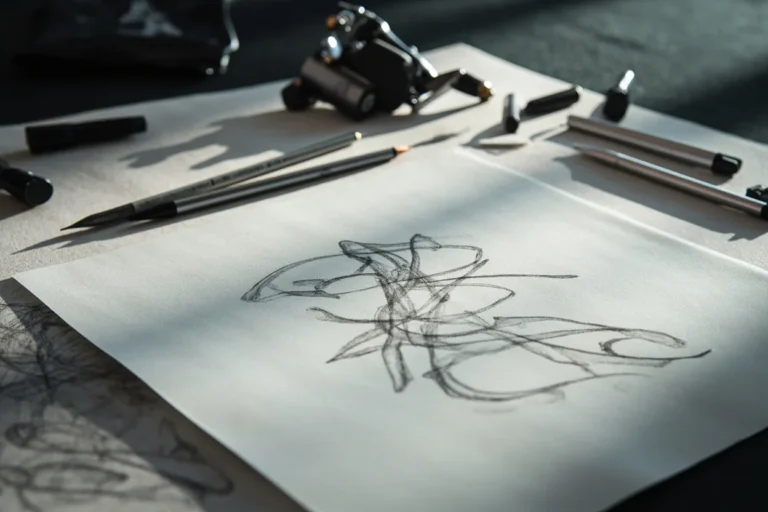
A homemade tattoo gun without a motor operates on rotary or pendulum mechanics: you convert your own hand motion into needle reciprocation. The simplest reliable build uses a modified rotary mechanism, think of a hand-crank tattoo machine or a rubber-band-powered oscillator where your fingers provide the driving force. Below is a practical breakdown of materials, assembly, and the realities of using this tool.
The Direct Answer
Core Materials and Build Logic
You’ll need a stiff wire coat hanger or bicycle spoke for the frame, a ballpoint pen casing or thick aluminum tube for the grip, a sewing needle (or several bound together), rubber bands for tension and return-stroke, and a small nut-and-bolt set to create pivot points. The mechanism works like this: a cam or offset weight attached to a crank arm converts circular hand motion into linear needle travel. Your thumb and fingers spin the crank; the rubber band pulls the needle assembly back, creating the two-stroke cycle, down for penetration, up for retraction.
Mount the needle so it protrudes exactly 1.5 to 2 millimeters past the tube tip. Less won’t deposit ink; more tears skin. The rubber band tension determines how aggressively the needle returns. Too loose, and the needle hangs in the skin; too tight, and you fight your own hand motion.
Assembly Steps
- Bend the coat hanger into an L-shape: vertical shaft for grip, horizontal arm for the crank mechanism.
- Slide the pen casing over the vertical shaft as your grip; secure with electrical tape.
- Create the needle bar from a thin strip of the remaining hanger wire; flatten one end to hold the needle(s) with tape or a tiny hose clamp.
- Attach the needle bar to the frame with a bolt pivot near the grip, allowing vertical swing.
- Connect the crank arm to the needle bar via a second pivot point offset from the crank’s center, this offset distance controls stroke length.
- Loop rubber bands between the needle bar and frame to provide return tension.
- Test the motion dry: spinning the crank should produce smooth, consistent needle movement without wobble or binding.
Tips From the Chair
Needle Grouping and Ink Flow
Single needles work for fine lines but deposit ink slowly and require more passes. Three to five sewing needles bound tightly with thread create a functional liner that holds more ink. For shading, spread the needle tips slightly, though this homemade setup struggles with smooth gradation. Dip the needle grouping into a small cap of India ink or professional tattoo ink between every few strokes. Never let the needle run dry; dragging a dry needle through skin causes unnecessary trauma and poor saturation.
Speed and Rhythm
Hand-cranked machines demand slower, deliberate work than electric rotaries. Aim for two to three cycles per second, faster than that, and your hand tires or your rhythm falls apart. The crank motion should feel like stirring thick honey: continuous, steady pressure without jerks. Practice on fruit peel or practice skin first. Banana skin offers roughly correct resistance; pig ears from a butcher provide closer approximation to human dermis if you want to test depth and ink retention.
Pain & Comfort
What to Expect
Hand-powered tattooing hurts differently than machine work. The slower insertion means prolonged sensation per puncture, but fewer punctures per second. Most people describe it as a scratching burn rather than the rapid vibration-buzz of electric machines. The lack of motor noise actually heightens anxiety for some, the anticipation between each stroke becomes audible.
Managing the Session
Keep sessions short: thirty to forty minutes maximum. Your hand cramps, your concentration frays, and the recipient’s endorphins deplete. Stretch the skin taut with your free hand; this is non-negotiable for clean needle entry. Without a foot pedal, you can’t stop instantly, so coordinate with the person receiving, agree on a verbal pause signal before starting. Work in small patches, wiping away excess ink frequently to assess your progress. Blood and plasma pool quickly with hand tools; visibility matters more than speed.
Common Mistakes
Depth and Blowouts
Inconsistent depth is the signature flaw of homemade guns. The crank-driven needle doesn’t maintain perfectly vertical travel; angular entry pushes ink below the dermis into subcutaneous fat, creating blurry blowouts that spread over weeks. Check your frame geometry repeatedly, if the needle bar wobbles side-to-side, your pivots are loose or your rubber bands are unevenly tensioned.
Contamination and Cross-Infection
- Boil all metal components before assembly; alcohol wipes aren’t sufficient for porous materials like wood or certain plastics.
- Use single-needle sets; don’t attempt sterilization of sewing needles by flame, heat weakens the metal and doesn’t kill hepatitis spores.
- Wear nitrile gloves, not latex, which degrade with prolonged alcohol exposure.
- Dispose of needles immediately in a rigid container; don’t cap and reuse.
Many first builders focus entirely on mechanics and ignore that a dirty tool is worse than a poorly built one. Infection risks with hand tools mirror those of professional equipment, possibly higher, since homemade machines have more crevices for biological material to hide.
When to See a Professional
Recognizing Your Limits
Some results simply aren’t achievable without a proper machine and power supply. Solid black fills, smooth color blends, consistent line weight throughout a large piece, these require controlled speed and needle precision that hand-crank mechanisms can’t reliably deliver. If your lines wander, if the ink patches unevenly, if the skin swells dramatically during work, stop. Continuing damages tissue and produces permanent poor results that cost significantly more to fix than an initial professional session.
Cover-Up Realities
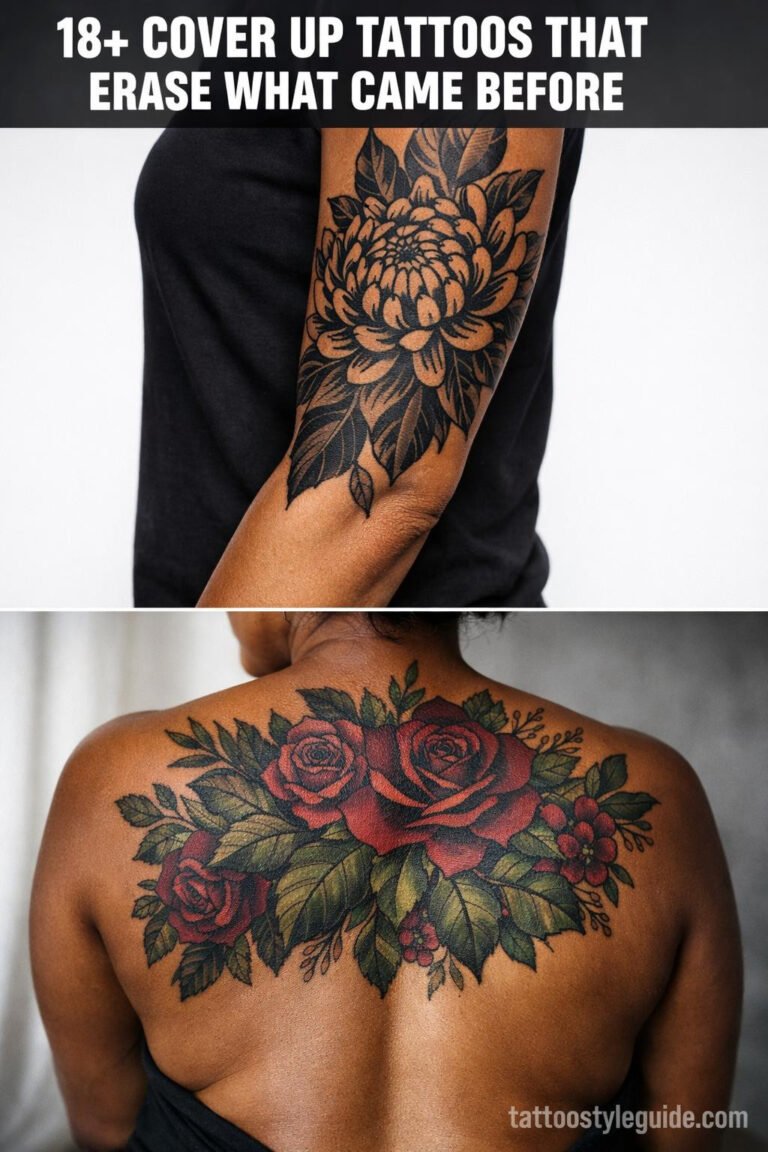
Homemade tattoos are overrepresented in cover-up portfolios. The ink often sits at variable depths, some lines blown, some faded to near-invisibility. Professional artists charge more for cover-ups because they must work around unpredictable existing pigment. The money saved by building your own gun frequently evaporates in correction costs.
Aftercare Essentials
Healing Differences
Hand-poked and hand-cranked tattoos sometimes heal slower than machine work because the trauma is less uniform. Some areas receive more passes, more depth variation, more skin irritation. Expect seven to fourteen days for surface healing, with potential peeling extending to three weeks. The aftercare protocol remains standard: gentle wash with fragrance-free soap, thin layer of recommended ointment, no soaking, no sun, no picking scabs.
Long-Term Ink Behavior
Homemade tattoos fade faster and blur sooner. The ink load per puncture is lighter, the depth less consistent, and the pigment often inferior to professional-grade formulations. Lines that looked crisp at six months may soften noticeably by year two. This isn’t necessarily failure, some people prefer the weathered, hand-crafted aesthetic, but understand the trajectory before committing to visible placements.
Final Word
Building a tattoo gun without a motor is mechanically satisfying and historically grounded, hand-powered tattooing predates electric machines by millennia. The knowledge itself carries value, whether you ever apply it to skin or not. But the gap between functional tool and safe, competent application is wider than most first builds suggest. Respect that distance. Practice your mechanics obsessively. If skin becomes your canvas, do so with full awareness of what you’re risking: the person’s health, your legal standing, and the permanence of marks made with uncertain tools. The craft deserves that gravity.
Frequently Asked Questions
How deep should the needle go with a homemade tattoo gun?
Target 1.5 to 2 millimeters of needle protrusion past the tube tip. This generally places ink in the upper dermis where it stays visible without dropping into subcutaneous fat and causing blowouts. Test and adjust based on skin thickness, elbows and ankles need slightly less depth than thighs or upper arms.
Can I use regular pen ink instead of tattoo ink?
Regular pen ink isn’t formulated for implantation and carries higher risks of allergic reaction, infection, and unpredictable fading. India ink is the most common historical alternative, though professional tattoo ink remains safer and more predictable if you can access it.
Why does my homemade gun keep snagging on skin?
Snagging usually means insufficient rubber band return tension or a burr on the needle tip. Check that the needle retracts fully and smoothly on each cycle. Polish needle ends with fine sandpaper, and ensure the needle bar moves vertically without lateral wobble.
Is hand-poked tattooing safer than using a homemade motorless gun?
Hand-poking offers more direct control over each puncture and eliminates mechanical variables, making it somewhat more forgiving for beginners. However, both methods share identical sterilization and depth-control responsibilities, neither is inherently safer without proper technique and hygiene.
Related Tattoo Guides
- How to Make a Permanent Tattoo at Home With a Pen
- How to Manage Tattoo Pain: A Practical Guide
- How to Message a Tattoo Artist: A Complete Guide
- Explore more