The night before and morning of your appointment matter more than most people think. I’ve watched clients faint, I’ve watched sessions go sideways because someone showed up hungover or sunburned, and I’ve seen the difference between someone who prepped and someone who didn’t. Good prep won’t make the tattoo painless, but it will make the experience smoother, the session longer, and the result better. Here’s what actually works.
Eat and Hydrate Like You Mean It
Your body is about to take a controlled beating. Low blood sugar is the fastest route to the floor. I’ve caught more clients than I care to count because they “weren’t hungry” or were trying to save money for the tip.
What to Eat
Something substantial. Complex carbs, protein, a little fat. Think eggs and toast, a solid sandwich, rice and chicken. Not a granola bar. Not coffee on an empty stomach. The tattoo process triggers your body’s stress response, and you need fuel to push through it. I tell clients to eat like they’re running a half marathon they didn’t train for.
What to Drink
Water, starting the day before. Not a gallon chugged in the parking lot, steady hydration. Alcohol is a hard no for 24 hours minimum. It thins your blood, makes you bleed more, and your artist will hate working on you. We see this a lot with Friday night birthdays turning into Saturday morning appointments. Just reschedule. We won’t be mad. We’d rather you come in clean.
- Eat a full meal 1-2 hours before
- Limit caffeine that morning
- No alcohol for 24 hours prior
- Bring water and a snack for longer sessions
Skin Prep: The Canvas Matters
Your artist can work with a lot, but fresh sunburn, razor burn, or clogged pores make our job harder and your experience worse. The skin you’re tattooing should be clean, intact, and as close to its natural state as possible.
Shaving and Moisturizing
Shave the area 1-2 days before, not the morning of. Fresh razor nicks are open wounds we can’t tattoo over, and they hurt like hell under a needle. If you can’t see the area well, let your artist handle it, we’ve got better angles and better razors. Stop heavy moisturizing 24 hours out. Too much lotion creates a slippery surface that pushes ink out. Normal, clean skin grips the stencil and takes the needle clean.
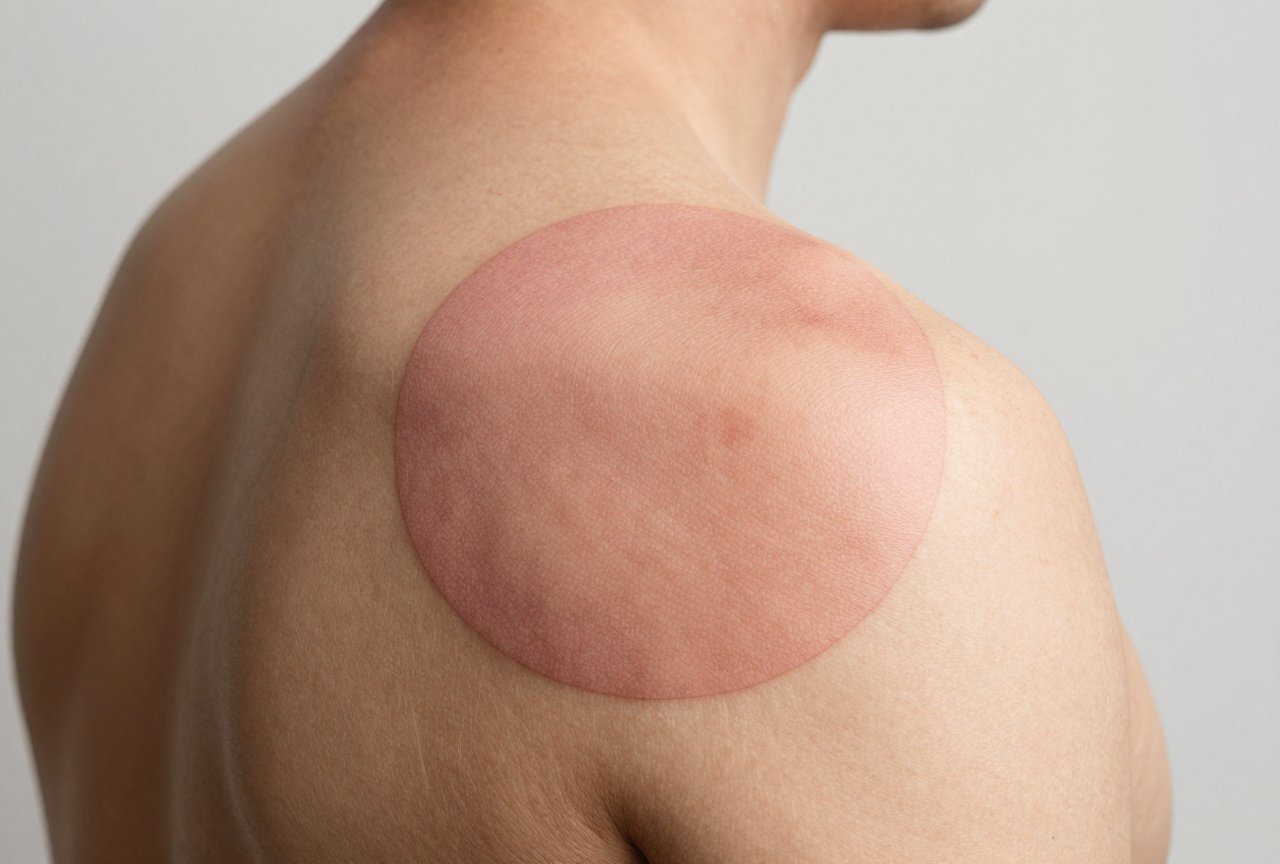
No tanning, no sunburn, no chemical peels, no retinol on the area for at least a week. Damaged skin doesn’t hold ink well and heals patchy. I’ve had to send clients home because they were lobster-red from a beach day. That deposit is usually gone.
What to Wear and Bring
Comfort is strategic. You’re sitting still for hours, possibly in weird positions. Tight jeans over a thigh piece? You’ll regret it by hour two. I tattooed a guy in wool dress pants once, he was miserable, I was annoyed, the session was shorter than it should’ve been.
Wear loose, breathable clothes that give easy access to the area. Dark colors in case of ink or blood transfer. Layers for temperature swings, shops run cold sometimes, and shivering makes the needle bounce.
Bring a phone charger, headphones, and something to do. Books work better than phones for long sessions, less temptation to check notifications, which moves your body. Bring cash for tip. Most artists don’t run cards for gratuity, and ATM fees in shop neighborhoods are predatory.
- Loose, dark clothing
- Phone charger and headphones
- Cash for tip (15-20% is standard for good work)
- Snacks for sessions over 3 hours
- Valid ID, shops card, it’s the law
Mental Prep: The Part Nobody Talks About
Pain is part of it. Not optional. But it’s specific, manageable pain, not the screaming horror movies sell you. More like a cat scratch dragged repeatedly, or a rubber band snapped hard. Different spots feel different. Ribs, feet, inner bicep: sharp, immediate, no fat to cushion. Outer arm, thigh, calf: deeper vibration, more tolerable.
During the Session
Breathe. Seriously. Holding your breath tenses everything, makes the needle jump, makes the pain worse. Steady breathing, like you’re lifting weights. Don’t grip the chair so hard your hands cramp, that tension travels. Some clients talk through it, some go inward. Both work. I can tell when someone’s about to tap out by their breathing change. If you need a break, ask. A two-minute stretch saves a ruined line.
Don’t bring a crowd. One friend max, and they should be quiet support, not entertainment. I’ve stopped sessions because someone’s friend kept making them laugh, laughing moves the canvas. This is work for us, even when it’s fun. Respect the concentration.
The Day-Of Reality Check
Show up on time, not early. We run behind sometimes. Fifteen minutes early is polite; forty-five minutes early means you’re in our way. Use the bathroom before you sit down. Once you’re wrapped and positioned, stopping breaks the flow.
Don’t negotiate price in the chair. We gave you a quote. The time to discuss budget was during booking. Haggling after we’ve started is disrespectful to the work and the worker. Good tattoos aren’t cheap. Cheap tattoos aren’t good. That’s not a slogan, that’s shop math.
Listen to the aftercare instructions we give you. Different shops have different protocols, some wrap with Saniderm, some use traditional bandaging, some do dry healing. What we tell you overrides anything you read online, including this guide. We know how we worked your skin and what it needs.
Aftercare Starts With Prep
Here’s the thing most guides miss: how you prep affects how you heal. Well-rested, well-fed, sober clients heal faster. Their skin takes ink better, swells less, scabs thinner. I’ve watched identical tattoos on different people heal differently based solely on how they showed up.
Plan your aftercare before you leave the shop. Have unscented soap at home. Have clean, loose bedding ready. If the tattoo’s on your back, figure out how you’ll sleep. If it’s on your foot, plan for open shoes or going barefoot at home. Don’t schedule gym sessions, swimming, or hot yoga for the first two weeks. Sweat and submersion are enemies of fresh ink.
The healing reality: it’ll itch, it’ll flake, it’ll look weird for a month. That’s normal. Don’t pick, don’t scratch, don’t let your friends touch it. Your hands are dirty, their hands are dirty, and infection is real. Not medical advice, just what every artist says in every shop I’ve worked.
Key Takeaways
Prep isn’t complicated, but it is specific. Eat real food, drink water, skip the booze, sleep well, wear the right clothes, show up clean and on time, and respect the process. Your artist wants you to have a good tattoo. We chose this work. But we’re not magicians, your body does the actual healing, and what you do before and after matters as much as what we do during. The best tattoos I’ve seen came from clients who treated their appointment like something important, because it is. This is permanent. A little preparation is the least you can do.
Frequently Asked Questions
Can I take painkillers before my tattoo?
Avoid aspirin and ibuprofen beforehand, they thin your blood and make you bleed more. Acetaminophen is generally fine, but ask your artist. Some prefer you take nothing so they can gauge your natural pain response.
Should I moisturize the night before my appointment?
Light moisturizer is fine, but stop 24 hours out. Heavy or oily skin makes stenciling harder and can push ink out during the session. Clean, normal skin is what your artist wants.
Is it okay to get a tattoo if I’m sick?
Reschedule. Your immune system is already working, and tattooing adds stress that can make illness worse and healing slower. Most shops will move your appointment without penalty if you’re contagious.
How early should I arrive for my tattoo?
Ten to fifteen minutes is perfect. Earlier than that and you’re likely in the way of the previous client or the artist’s setup time. Use extra time to grab food or use the bathroom nearby.
Related Tattoo Guides
- Does a Lower Back Tattoo Hurt? A Real Pain Guide
- Does a Forearm Tattoo Hurt? A Real Tattoo Artist s Guide
- How Much Are Tattoo Removals? Real Costs in 2024
- Explore more