How to Take Off a Tattoo: A Real Guide to Removal Options
Maybe the ink no longer fits who you’ve become. Maybe the artist missed the mark, or perhaps a name now feels like a weight. Whatever brings you here, tattoo removal has evolved dramatically from the crude methods of decades past. Understanding your actual options, the realistic outcomes, and what the process demands helps you move forward with clear eyes.
Who Chooses This Tattoo
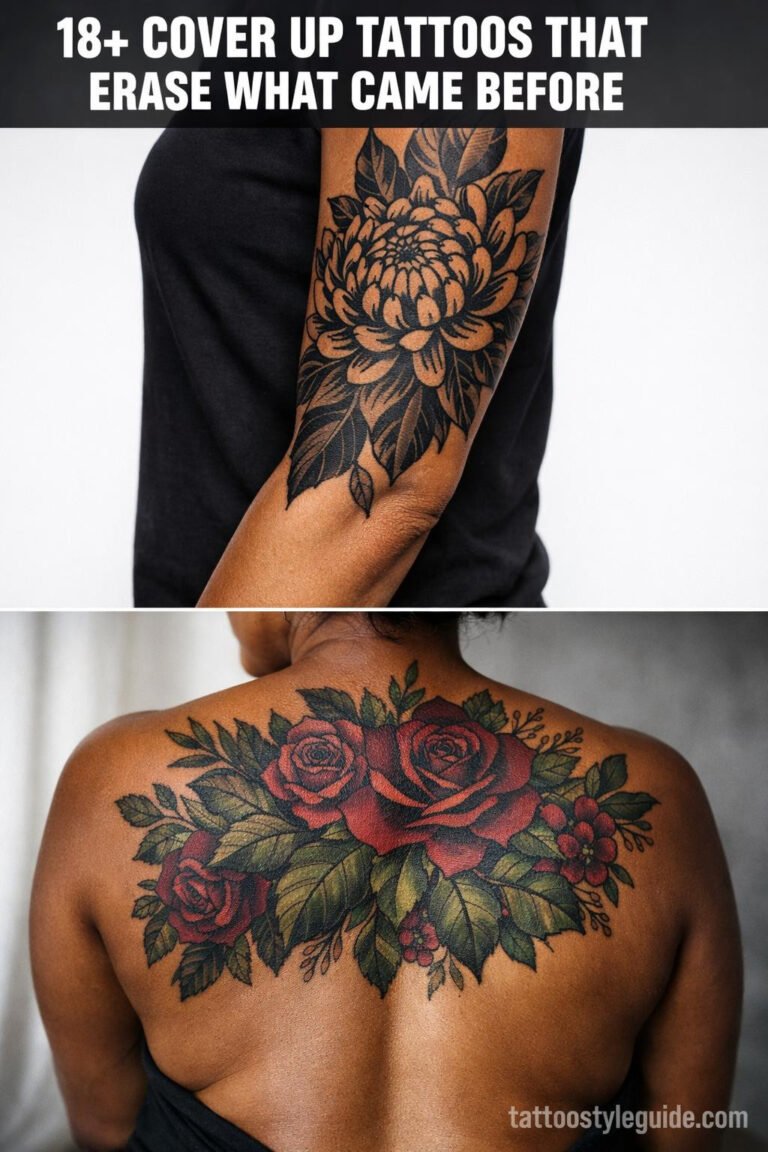
Removal clients span every age and background, though certain patterns emerge. Career transitions into conservative fields, military enlistment requirements, relationship changes, and simple aesthetic evolution rank among the most common motivations. Increasingly, younger clients seek partial fades rather than complete erasure, preparing skin for a cover-up that wouldn’t otherwise work over dense black ink.
When Cover-Up Isn’t Enough
Some tattoos pose genuine structural problems for new artwork. Scarred skin from poorly executed pieces, ink that migrated significantly with age, or designs extending into difficult anatomical areas often respond better to lightening than to creative masking. A skilled cover-up artist will sometimes refer you directly to a removal specialist first, recognizing that fifty percent fade can transform an impossible canvas into a viable one.
The Partial Fade Client
Not everyone wants blank skin. Strategic fading of specific elements, a name within a larger composition, or saturated background areas allows for surgical precision in redesign. This approach requires fewer sessions, costs less, and preserves surrounding work you still value.
Best Placements
Removal effectiveness varies significantly by location on the body. Blood circulation, lymphatic drainage, and skin thickness all influence how quickly ink particles break down and flush from your system.
- Torso and chest: Generally respond well due to robust circulation, though sternum skin can be more sensitive during treatment.
- Arms and legs: Extremities often require additional sessions; hands and feet particularly challenge the process due to slower lymphatic flow and thinner skin.
- Neck and face: Highly vascular areas typically fade faster, but also carry higher visibility during the multi-month process.
- Finger and knuckle tattoos: Among the most stubborn; dense ink concentration meets constant movement and thin tissue.
Darker skin tones in any location require additional caution to avoid hypopigmentation, making practitioner selection paramount regardless of body placement.
What to Expect
Modern removal centers on laser technology, specifically Q-switched and picosecond devices that shatter ink particles without destroying surrounding tissue. Understanding the actual timeline and sensation prepares you for commitment this process demands.
The Session Experience
Most clinics apply topical numbing cream thirty to sixty minutes beforehand. The laser itself delivers rapid pulses, each feeling like a rubber band snap against hot skin. Larger pieces break into multiple appointments. Immediately after, the area swells, whitens temporarily from laser-induced frost, and develops a tender, sunburn-like quality.
Healing Between Treatments
Blistering, scabbing, and itching represent normal responses, not complications. Proper aftercare, keeping the area clean, protected from sun, and undisturbed, prevents secondary issues that could compromise results. Six to eight weeks minimum separates sessions; rushing damages skin without improving fade speed.
Complete removal typically requires eight to fifteen sessions for professional work, sometimes more for dense black or certain colors. Amateur tattoos often respond faster due to less ink depth and saturation. Yellow, green, and light blue pigments historically resisted earlier laser wavelengths, though newer picosecond technology has improved these outcomes.
Design Tips & Pairings
If you’re lightening for a cover-up rather than complete removal, strategic planning between your removal specialist and new tattoo artist proves essential.
- Target the problem areas first: Dense black backgrounds, sharp lines that constrain new design flow, and unwanted color blocks should receive priority fading.
- Plan your new palette: Cooler tones cover faded black more effectively than warm colors; your incoming artist can advise based on projected fade levels.
- Consider negative space: A partial fade creating intentional contrast between old and new can produce striking, intentional results impossible on virgin skin.
Communication between practitioners matters. Bring your removal specialist photos of your intended cover-up direction, and ensure your new artist understands realistic coverage timelines.
Mythology & Folklore
Permanent marking and its erasure carry symbolic weight across cultures. In some Polynesian traditions, tattoos represented irreversible life commitments; removal was unthinkable, making the concept of deliberate erasure almost culturally unintelligible. Japanese irezumi, historically used as punishment and later embraced as art, carried such social stigma that removal became necessary for full social reintegration, a process far more painful and scarring than any modern method.
Historical Precedents
Ancient removal methods make contemporary laser discomfort feel trivial. Salt abrasion, dermabrasion with rough materials, and even surgical excision appeared in various cultures. The Roman military reportedly marked deserters with tattoos, while removal attempts sometimes accompanied attempts at social rehabilitation. These crude approaches inevitably traded ink for scar tissue, a compromise few would accept today.
Modern removal technology, barely four decades mature, represents one of the few genuinely new options in tattoo culture’s ancient history. The ability to reconsider permanent decisions without permanent damage marks a genuine cultural shift.
Personal & Modern Meanings
Choosing removal carries its own narrative weight, distinct from the original tattoo’s meaning. For some, the process symbolizes reclamation, authorship over a body that once bore another’s mark or an outdated self-concept. Others experience grief, acknowledging a chapter’s end through deliberate, painful effort.
The Emotional Timeline
Anticipation often exceeds actual discomfort, yet the multi-month commitment tests resolve differently than a single sitting. Progress feels non-linear; dramatic fading between early sessions slows as residual ink proves more stubborn. Patience becomes its own practice, the gradual nature of removal forcing a pace no one would choose but many ultimately find meaningful.
Social perception has shifted notably. Where tattoo removal once suggested regret or failure, contemporary framing increasingly recognizes it as simply another option in ongoing bodily self-determination. The same culture that normalized widespread tattooing now normalizes their modification, preservation, or elimination according to evolving preference.
Final Word
Tattoo removal demands more than technology selection; it requires honest assessment of goals, tolerance for process, and partnership with qualified practitioners. Complete erasure remains possible for many but guaranteed for none. Partial fading for artistic transformation sometimes serves better than the pursuit of blank canvas. Research your specialist’s specific laser equipment, review healed results rather than immediate post-treatment photos, and maintain realistic expectations about timeline and sensation. The skin you reclaim or reshape deserves the same thoughtful consideration you once gave to marking it.
Frequently Asked Questions
Does laser tattoo removal leave scars?
Properly performed laser removal rarely scars, though blistering and temporary texture changes are common during healing. Scarring risk increases significantly with inexperienced practitioners, improper aftercare, or attempting to rush sessions closer than recommended intervals. Pre-existing scar tissue from the original tattoo application may become more visible as surrounding ink fades.
Which tattoo colors are hardest to remove?
Historically, yellow, green, and light blue proved most resistant to older laser wavelengths. Modern picosecond lasers have improved outcomes across the spectrum, but these pigments still often require additional sessions. White ink and flesh-tone inks sometimes darken paradoxically before fading, requiring specialized treatment approaches. Black and dark red generally respond most predictably.
How much does complete removal typically cost?
Pricing varies enormously by market, tattoo size, and required sessions, but complete removal of a medium-sized professional tattoo often ranges from several thousand to over ten thousand dollars across a full treatment course. Many clinics offer package pricing or per-session rates. Consultations should provide individualized estimates based on your specific ink characteristics.
Can I exercise after a removal session?
Strenuous exercise should be avoided for forty-eight to seventy-two hours post-treatment. Raised body temperature, friction, and sweat increase irritation, blistering risk, and potential for infection. Swimming, hot tubs, and saunas remain off-limits until complete surface healing, typically two weeks. Gentle walking and normal daily activity generally resume immediately if the treated area remains protected.