Lavender is one of those tattoos that looks soft but carries real weight. People get it for grief, healing, calm, devotion, and a dozen other reasons that are completely personal. It’s not just a pretty plant. It means something.
The lavender tattoo has been blowing up over the last few years, and not just because it photographs well. People genuinely connect with what it represents. Here’s a straight breakdown of the symbolism, the styles, and everything you need to know before you commit.
Core Symbolism: What Lavender Actually Means
Lavender consistently represents calm, serenity, and healing. That’s the core of it. The plant has been used for centuries to ease anxiety and promote rest, so the association is grounded in real use, not mythology. When someone gets a lavender tattoo, they’re often marking a chapter of recovery, a commitment to peace, or a reminder to slow down.
It also carries strong ties to devotion and love, though quieter than a rose. Lavender means love that’s steady and loyal rather than dramatic. Grace is another reading you’ll hear, especially in feminine interpretations. Some people get it for purity. Some get it as a reminder that healing is possible. All of those readings are legitimate.
Historical and Cultural Background
Lavender does not shout, that is exactly why it lasts.
Lavender has a documented history going back thousands of years. Ancient Egyptians used it in mummification. Romans used it to scent bathwater, and the word itself likely comes from the Latin ‘lavare,’ meaning to wash. It was considered a plant of cleanliness and protection across Mediterranean cultures. That legacy feeds directly into its tattoo symbolism today.
In the Victorian language of flowers, lavender meant devotion and luck. Sending lavender to someone was a sincere gesture. That floriography tradition is part of why lavender reads as meaningful rather than purely decorative. It has legitimate cultural weight, and the tattoo world picked that up naturally. You’re not working with an invented meaning here.
Popular Design Variations
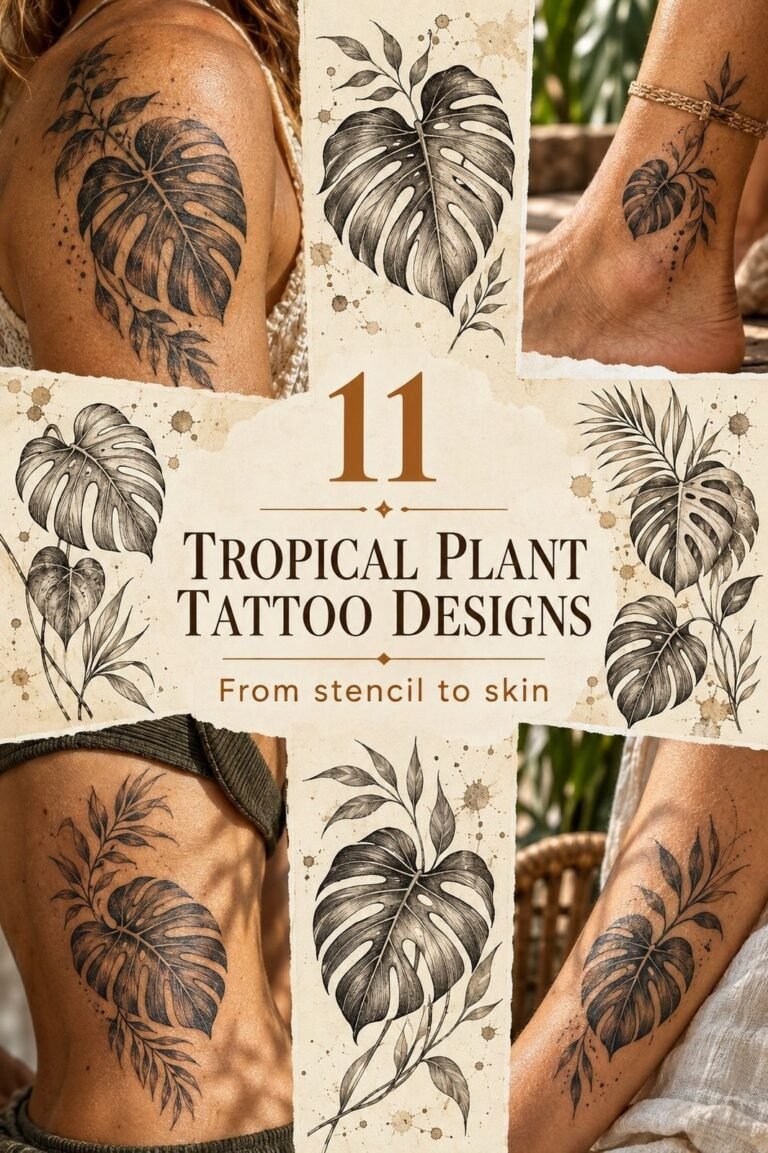
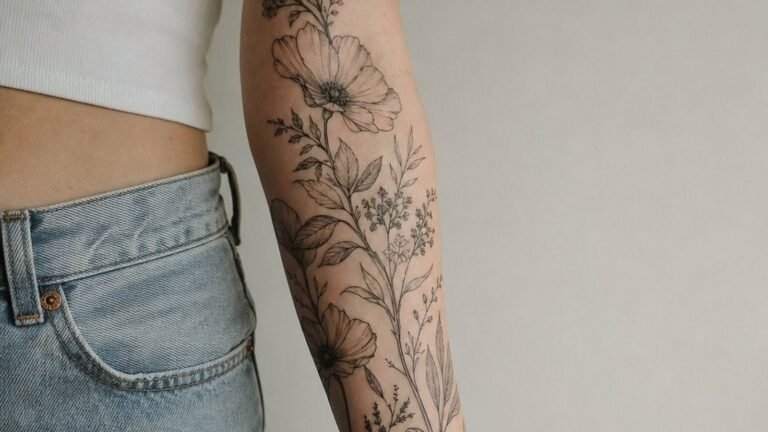
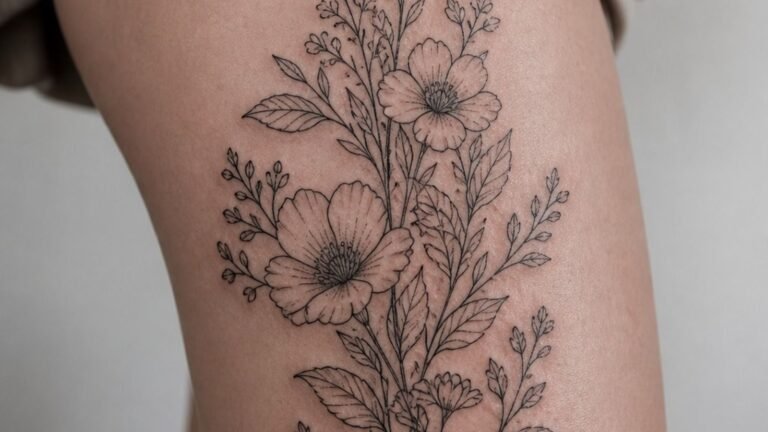
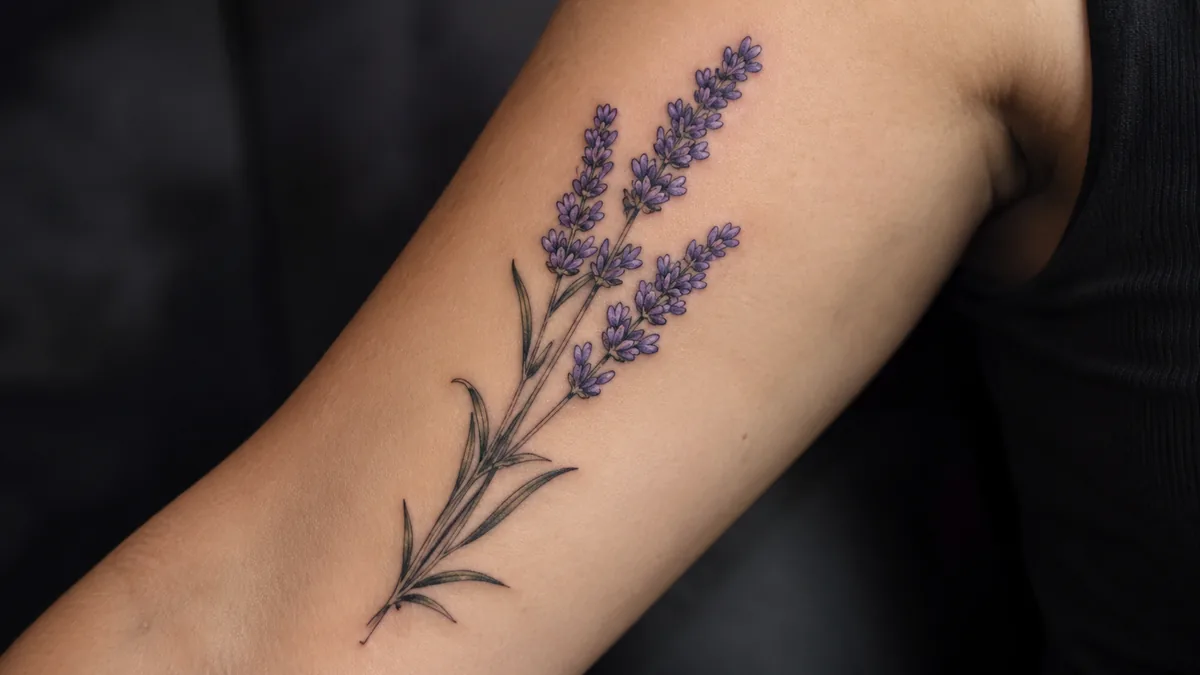
The most common version is a single sprig, clean and simple. Two or three stalks bundled together is also popular, sometimes tied with a small ribbon or twine. Wreaths and garlands show up too, usually wrapping around an arm or ankle. Botanical illustration styles with detailed leaves and precise flower clusters are having a huge moment right now, especially in fine line work.
Some clients want lavender paired with other plants, bees, butterflies, or moon phases. Bees and lavender together are a natural combo since the association is real and the visual balance works beautifully. Watercolor lavender was trendy for a while, though it fades faster than solid work. Geometric lavender, where the sprig sits inside a triangle or circle, is another solid direction if you want something with more structure.
Fine Line vs. Bold Traditional: Which Style Holds
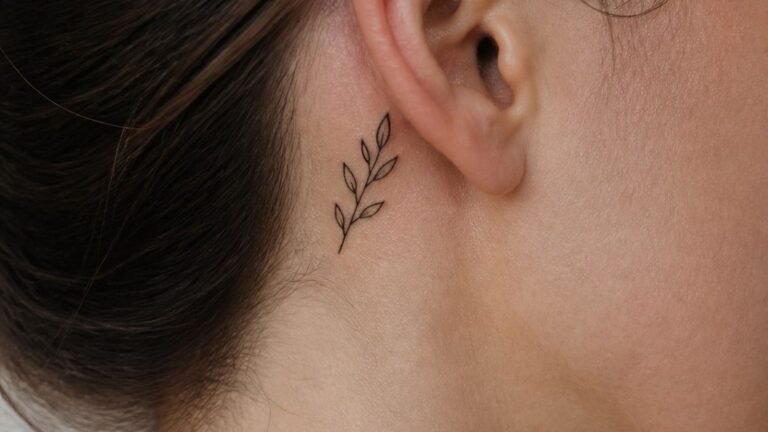
Fine line lavender looks incredible fresh. Crispy, delicate, reads beautifully on the day. But fine line work on a tiny sprig in a high-wear spot can soften significantly within a few years. The thin lines spread slightly as skin ages, and if the ink wasn’t packed in solid, detail disappears. That’s not fear-mongering, it’s just how skin works. Talk to your artist about needle groupings and depth.
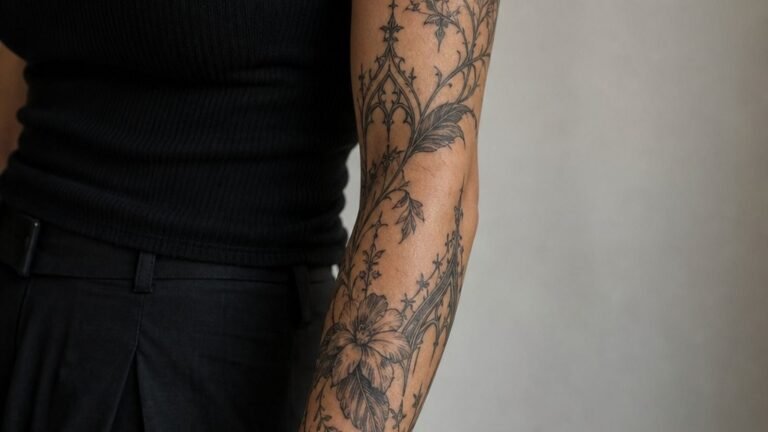
Bold linework or neo-traditional lavender holds much longer. The outlines stay crisp, the color reads from across the room, and it’ll still look like lavender in twenty years. Black and grey lavender with confident whip shading is another solid choice that ages gracefully. If you want fine line, go slightly larger than you think you need and choose a low-wear placement. That combination gives fine line its best shot at longevity.
Color vs. Black and Grey
Full color lavender tattoos use purples ranging from soft lilac to deep violet. Saturated purple holds reasonably well in traditional and neo-traditional styles, though lighter lavender tones can shift toward a grayish hue over time, especially in sun-exposed spots. Adding green stems with solid pigment helps anchor the piece and gives the color somewhere to contrast against, which makes the purple read stronger.
Black and grey lavender is a beautiful alternative that tends to age more predictably. A skilled artist can capture the texture of the florets and the delicate structure of the stem using just shading, no color needed. It reads as elegant and timeless. If you’re worried about how purple fades on your particular skin tone, black and grey is a low-risk direction that still delivers.
Best Placements and How It Ages There
Inner forearm is the most popular spot for lavender, and it works. The surface is relatively flat, it’s low-wear compared to hands or fingers, and the vertical orientation suits a sprig naturally. Upper arm and outer forearm are also solid. Ribcage placements look stunning but are spicy during the session, and skin there can shift with body changes, so factor that in. Behind the ear is popular for small single sprigs but fades faster from sun and friction.
Ankle and calf are good low-maintenance spots for lavender. Sternum and collarbone placements are common for longer garland-style pieces and tend to heal nice if you take care of them. Avoid fingers and the inside of the wrist near the fold if you want detail to last. Blowout risk is higher anywhere skin is thin and moves a lot. A good artist will tell you straight if your chosen placement is going to fight the design.
Who Gets Lavender Tattoos and How to Make It Personal
Lavender is popular across a wide range of people, but it shows up frequently on those who have been through something hard and come out steadier. Mental health recovery, grief, anxiety, big life transitions. The symbolism fits those experiences directly, which is why the meaning lands so personally for so many clients. It’s also popular as a memorial piece, especially when the person being remembered had a garden or loved the plant specifically.
You can personalize it with a date, initials, or coordinates worked into the stem or tucked near the base. Some people add a birth flower alongside the lavender to represent a person or a relationship. Others keep it completely unadorned because the plant alone says everything they need. Either way, be clear with your artist about what the piece means to you. That context helps them shape the composition and put the weight in the right places.