No, you should not actively moisturize thick, raised scabs on a healing tattoo. Light, thin scabbing can handle a very thin layer of recommended aftercare ointment or unscented lotion, but heavy scabs need to stay dry and untouched so they can flake off naturally. The real skill is knowing which stage you’re in and adjusting your care accordingly.
The Direct Answer
When Moisturizing Helps
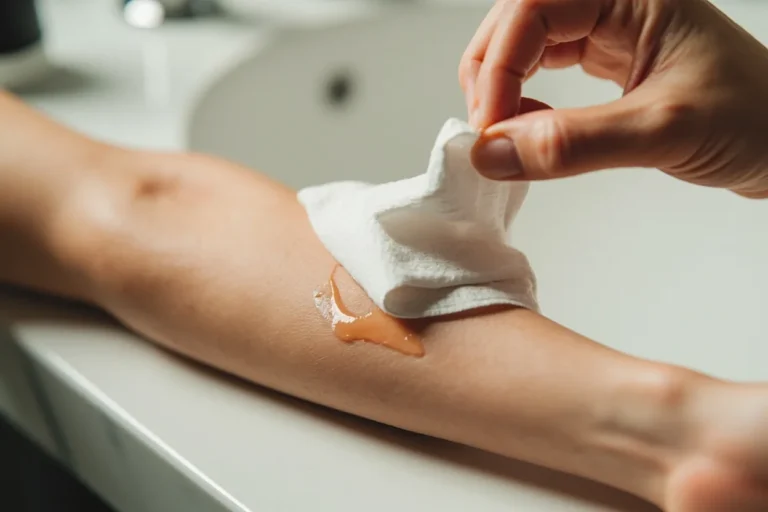
During the first three to four days, your tattoo develops a thin, film-like layer of plasma and ink that sits on the surface. This isn’t true scabbing yet, it’s more of a sticky, shiny coating. A pea-sized amount of fragrance-free moisturizer or specialized aftercare ointment, applied two to three times daily, prevents this layer from tightening and cracking when you move. The key is rubbing it in fully so no visible residue sits on top. If your skin drinks it up and looks matte, not greasy, you’re doing it right.
When to Back Off Completely
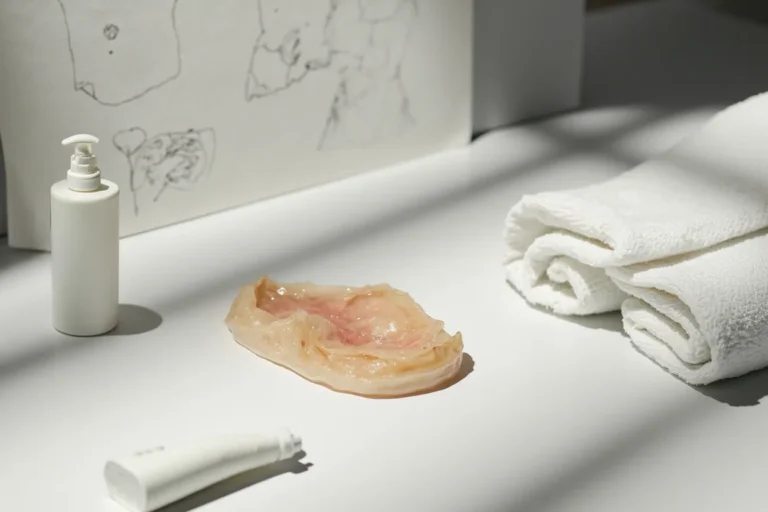
Once thick, dark, rigid scabs form, usually around days five to seven, stop moisturizing directly over them. These scabs are nature’s bandage. Trapping moisture underneath with ointment softens the scab from below, creating a warm, wet pocket where bacteria thrive. This is how infections and ink loss happen. Let these scabs dry out, harden, and lift on their own timeline. The skin underneath will be tender, but it’s repairing itself.
What to Expect Step by Step
Days 1, 3: The Open Wound Phase
Fresh tattoos weep plasma, blood, and excess ink. Your artist likely wrapped the piece in plastic or a breathable bandage. After removing that wrap, usually within a few hours to overnight, wash gently with mild, unscented soap and lukewarm water. Pat dry with a clean paper towel. Apply moisturizer only if the skin feels tight or looks ash-gray, not because you’re on a schedule. Color-packed areas and solid black fill often feel tighter than fine-line work and need more attention.
Days 4, 7: Scabbing and Peeling
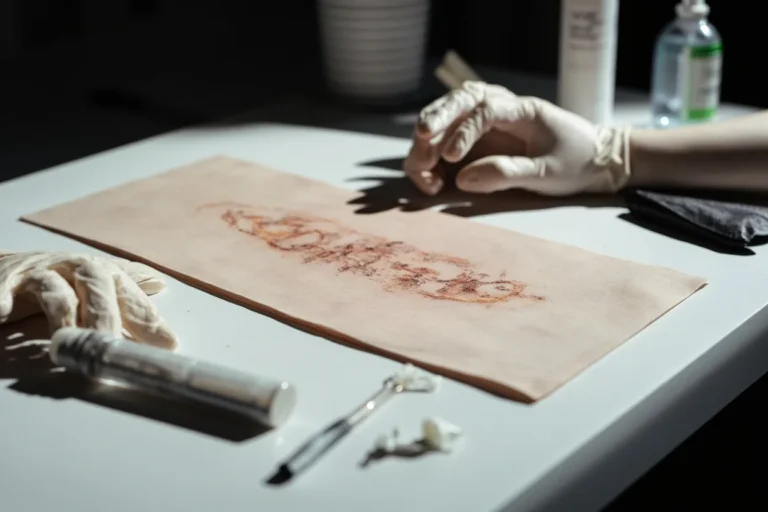
This is where people panic. Scabs range from nearly invisible to thick and crusty depending on your skin type, the tattoo’s location, and how much trauma the area took. Dense black ink and heavy saturation almost always scab more. Resist the urge to pick, scratch, or “help” the process. Shower water running over the tattoo is fine; soaking in a bath is not. If scabs soften in the shower, let them air-dry completely before putting on loose clothing.
Days 8, 14: The Flake-Off
Scabs begin detaching at the edges, often revealing milky or slightly shiny skin beneath. This is normal new skin, not damaged ink. Continue minimal moisturizing to the surrounding healed skin if it feels dry, but avoid rubbing product directly onto any remaining scab. By day fourteen, most scabs on smaller pieces have fallen. Large back pieces, thigh work, or areas that bend frequently, knees, elbows, wrists, may take closer to three weeks.
Tips From the Chair
Product Choice Matters More Than Frequency
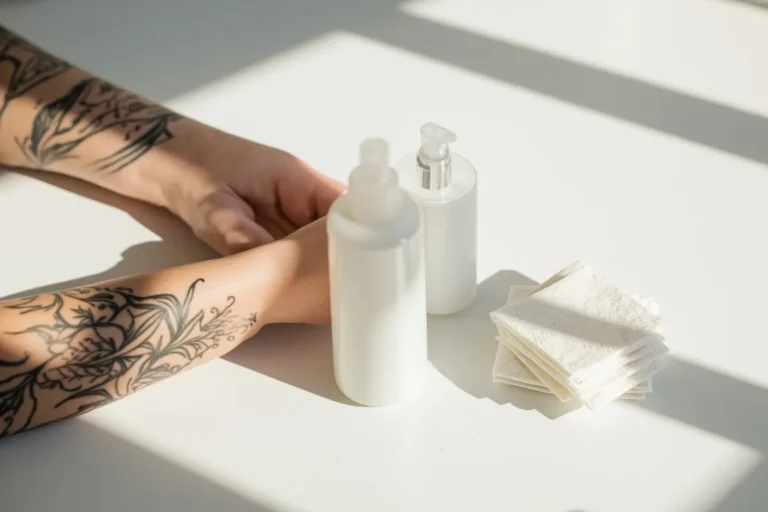
Petroleum-based products like Aquaphor work well for the first two to three days but can clog pores if overused. Switch to a plain, unscented hand lotion, think Lubriderm, Cetaphil, or similar drugstore brands, once the initial weeping stops. Avoid anything with fragrance, dyes, essential oils, or “numbing” additives. These irritate fresh skin and can cause allergic reactions that mimic infection. Coconut oil and shea butter are popular natural options, but their comedogenic ratings vary; some people break out, others don’t.
Strategic Moisture Around the Scab
When thick scabs sit in the center of a design, moisturize the surrounding healed skin rather than the scab itself. This prevents the “halo effect” where healthy skin dries out and cracks while you avoid the center. Use your clean fingertip, not a cotton pad that leaves fibers behind. Dab, don’t rub. If you accidentally catch a scab edge and it lifts, leave it attached, don’t tear it off like a hangnail.
Common Mistakes
Over-moisturizing is far more common than under-moisturizing. Clients often panic at the first sign of dryness and slather on product, creating a glossy, suffocated surface where scabs turn soft and white. This is called maceration, and it delays healing significantly. Another frequent error is using antibiotic ointments like Neosporin “just in case.” These cause contact dermatitis in a surprising number of people, producing red, itchy bumps that look like infection but aren’t.
- Scrubbing the tattoo to “clean it better”, this drives bacteria deeper and damages forming scabs
- Letting pets sleep on or near fresh tattoos; their dander and mouth bacteria transfer easily
- Working out and letting sweat pool under tight clothing against healing ink
- Applying sunscreen before scabs have fully detached; chemicals irritate open skin
- Using alcohol or hydrogen peroxide, which destroy new tissue formation
Swimming pools, hot tubs, and oceans are off-limits until scabs are gone and the skin surface looks uniform. Chlorine and salt water dry skin aggressively, and submersion softens scabs prematurely.
Realistic Expectations
How Scabbing Affects Final Appearance
Thick scabs that are picked or torn almost always pull ink out with them. You’ll see lighter patches, sometimes called “ghost spots,” where the color sat in the scab rather than the skin. These require touch-ups, which most reputable artists include in their original pricing within a reasonable window, usually two to six months after healing. Dense black and gray shading scabs darker than color work; when those scabs lift, the contrast can look alarming, but the tone settles as the skin fully regenerates.
Location and Lifestyle Variables
Inner bicep tattoos scab less than ankle work because the skin is thinner and moves more on the lower leg. People who work on their feet heal slower below the knee due to gravity pulling fluid downward. Smokers often experience delayed healing everywhere; nicotine constricts blood vessels and reduces oxygen delivery to repairing tissue. Diabetes and autoimmune conditions also extend timelines, though these aren’t contraindications, just realities to plan around.
Pain & Comfort
What Scabbing Feels Like
Fresh tattoos burn and sting; scabbing tattoos itch. The itch can be intense, especially at night when you’re warm under blankets. Tapping the area lightly with clean fingers works better than scratching. Some people find relief by running cool, not cold, water over the tattoo during showers. Antihistamines like Benadryl help some individuals sleep through the itch phase, though they cause drowsiness.
When Discomfort Signals a Problem
Normal healing involves warmth, mild redness, and occasional sharp twinges. Abnormal signs include spreading redness, yellow or green pus, foul odor, fever, or red streaks radiating from the tattoo. These warrant a doctor’s visit, not more aftercare cream. Don’t try to “draw out infection” with home remedies. The time between noticing a problem and getting treatment directly affects how much ink you keep.
What to Remember
Scabbing is a normal, necessary phase of tattoo healing, not a crisis to be solved with more product. Moisturize thin, early-stage film; leave thick, raised scabs alone to dry and detach naturally. Your aftercare approach should shift as the tattoo shifts, what helps on day two harms on day eight. The best-healed tattoos come from patients who can tolerate temporary ugliness without intervening. Trust the process, keep hands clean, and contact your artist with photos if something looks genuinely wrong. They’ve seen hundreds of healing timelines and can distinguish between normal variation and emerging problems faster than most internet searches.
Frequently Asked Questions
Can I put lotion on a tattoo if it has thick, dark scabs?
No. Thick scabs should stay dry and untouched. Moisturizer softens them from underneath, trapping bacteria and increasing infection risk. Let them harden and flake naturally.
Why does my tattoo look lighter under the scab than I expected?
Ink sitting in surface scabs always looks darker than what remains in the skin. The true color reveals itself after all scabs detach and the new skin settles, usually within four to six weeks.
Is it normal for scabs to crack when I move?
Minor cracking at scab edges happens, especially over joints. Keep surrounding skin lightly moisturized to reduce tension, but don’t force ointment into cracks. If a crack bleeds, treat it like a fresh wound and minimize movement temporarily.
How long should I wait before swimming or soaking in a tub?
Wait until all scabs are gone and the skin surface looks uniform, not shiny or flaky. For most people this means two to three weeks minimum, though large pieces may need four.
Related Tattoo Guides
- Getting a Tattoo in Madrid: What US Travelers Should Know
- What to Put on a Tattoo to Heal: A Practical Guide
- What Tattoo Colors Fade the Least: A Practical Guide
- Explore more