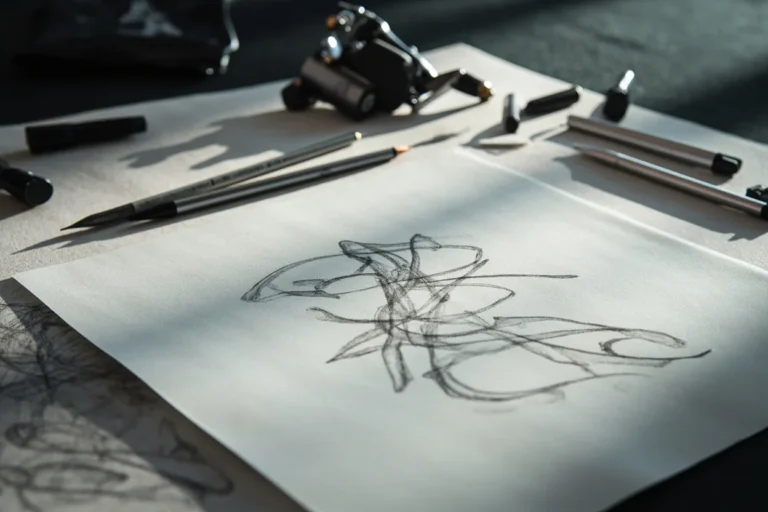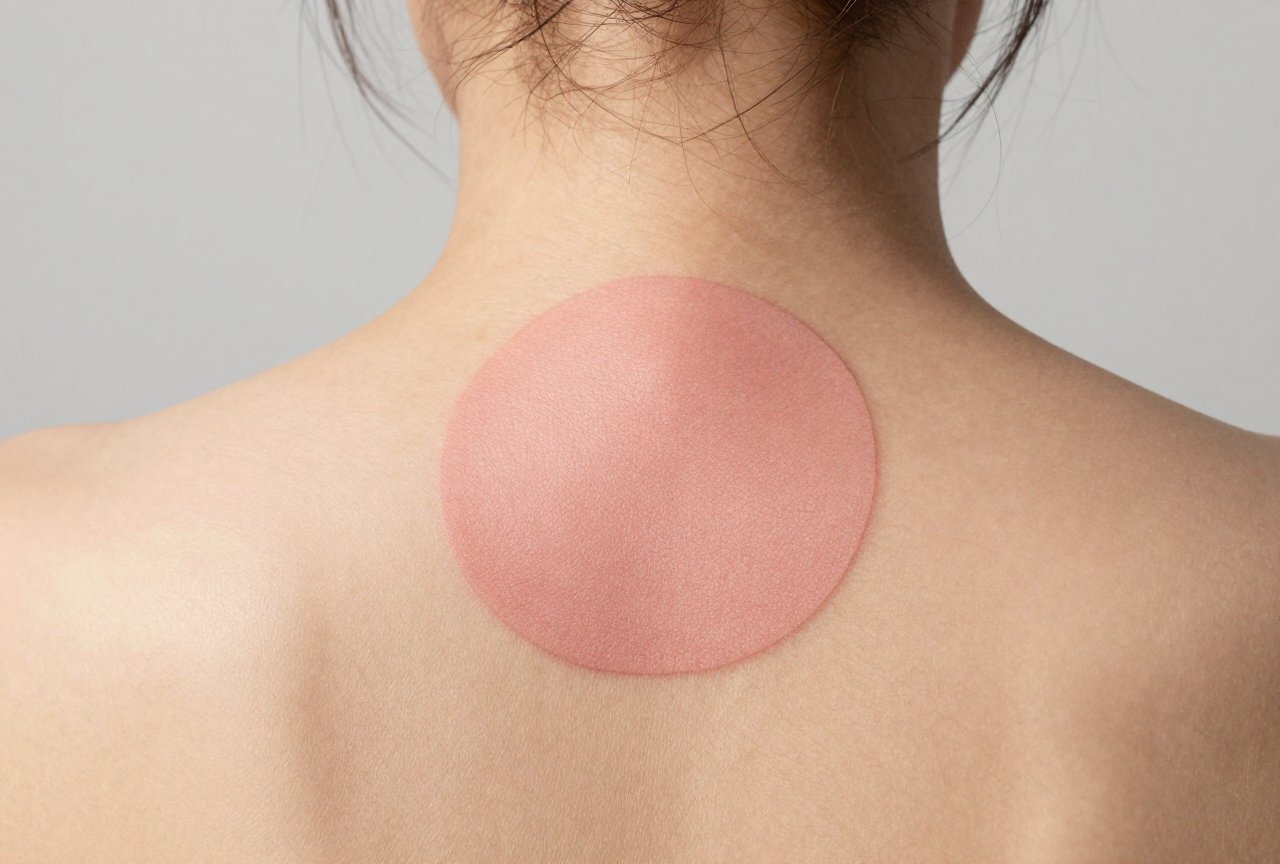
Yes, you can absolutely make your own temporary tattoo at home with stuff you probably already have. I’ve had clients walk into my shop with surprisingly decent DIY temps to test placements, and I’ve also seen some disasters that looked like a smudged receipt. The good news: with the right method and a little patience, you can create something that looks legit enough to fool your friends from across the room or just give you a solid preview before you commit to the real thing. Here’s how working artists actually approach temporary ink, broken down into methods that work.
Printer Paper and Perfume Method
This is the classic trick everyone tried in middle school, but done right, it actually holds up. You need a laser printer or copier, regular paper, perfume or hairspray with alcohol, and warm water.
Getting the Image Right
Print your design mirrored so it reads correctly when flipped onto skin. I tell clients to keep it simple: bold lines, minimal fine detail. That intricate mandala you found online? It’ll blur into a gray blob. Stick to silhouettes, thick lettering, or simple icons. Black ink works best; color laser prints tend to separate and look muddy on skin.
Transfer and Application
Spray the printed side heavily with perfume, press it ink-down onto clean, dry skin, and hold a warm, wet washcloth over the back for 30-45 seconds. Peel slowly. What you’re doing is essentially softening the toner so it releases onto your skin’s top layer. It’ll last maybe a day, less if you sweat or shower. I’ve seen people get two days by sealing with a light layer of hairspray after it dries, but it gets crusty. Not cute.
- Works best on: flat areas like forearms, upper chest, outer thighs
- Avoid: joints, palms, anywhere that bends or rubs constantly
- Real talk: this is a preview tool, not a pool party solution
Sharpie and Liquid Bandage Method
For freehand designs, this is what I see most often in shops. Someone draws their idea with a Sharpie, seals it, and lives with it for a week. The trick is the sealant.
Drawing for Realism
Use fine-point Sharpies for detail, ultra-fine for hairline work. Layer your blacks: first pass light, second pass bold where you want depth. I always tell people to draw slightly darker than you think; sealed Sharpie fades faster than real tattoo ink settles. Leave some skin showing through for that authentic “skin break” look, solid blocks of color scream fake.
Sealing It Down
Let the ink dry completely, then brush on liquid bandage spray or a thin layer of cosmetic-grade liquid latex. Two light coats beat one thick one. Thick latex peels at the edges and catches on clothes. I’ve had clients tell me they got five days out of this method on their inner forearm, which is impressive since that spot sees constant friction.
Warning: some people react to Sharpie or latex. Test a small spot first. I’ve seen rashes that looked worse than any bad tattoo.
Henna for Longer-Lasting Temps
Real henna (not that black chemical garbage from beach boardwalks) lasts one to three weeks and gives you that reddish-brown stain that actually looks like aged tattoo work. In my shop, we keep quality henna paste around for clients who want to live with a placement for serious time before booking.
Mixing and Application
Powdered henna, lemon juice, a little sugar, and essential oils (tea tree or lavender) make the traditional paste. It should be the consistency of toothpaste, not runny. Let it sit for dye release, usually 6-12 hours. Apply with a cone or squeeze bottle, let it dry, then keep it on as long as possible. I tell people: scrape off the dried mud, don’t wash it. The longer the paste stays in contact, the deeper the stain.
- Stain develops over 24-48 hours, darkest on palms and soles
- Lasts longest where skin is thick: hands, feet, ankles
- Fades fastest on: face, neck, inner arms where skin turns over quickly
Never use “black henna” with PPD. I’ve seen chemical burns that scarred permanently. Real henna is brown, period.
Testing Placement Like a Pro
This is where DIY temps actually serve a purpose. Before you drop $500 on a real piece, live with the fake version for a week. I make clients do this for anything above the collarbone or below the knee.
What to Watch
Notice how it catches your eye in mirrors. Does it feel right with your work clothes? Does it annoy you when you sleep? I tattooed a full sleeve on a guy who’d worn Sharpie versions for two months first. He knew exactly what he wanted. Conversely, I’ve covered up plenty of impulse decisions where someone swore they’d love it forever.
Move the temp around. Try the design higher, lower, rotated. Take photos from multiple angles. What looks good flat on paper distorts on curved muscle or bone. I always photograph my stencil placements before starting; you should do the same with your temps.
When to Just Visit a Shop
Sometimes DIY isn’t worth the hassle. Many shops offer henna or jagua (a blue-black fruit-based stain) applications for $20-40. You get professional design help, clean application, and no risk of your “tribal armband” looking like a tire track.
Real tattoo artists can also do “sharpie sessions” where we draw directly on you with skin-safe markers and seal it. Costs vary, but I’ve done 30-minute sharpie drawings for $50 that gave clients a realistic preview of scale and flow. Way better than a crooked printer transfer.
If you’re testing for a real tattoo, ask about this. We see it a lot, especially for large pieces. Nobody wants to be the person who finds out they hate rib tattoos after four hours of needle work.
Key Takeaways
Making temporary tattoos at home is genuinely useful for placement testing and fun experimentation, but each method has limits. Printer transfers work for quick previews, Sharpie with sealant gives you nearly a week of realistic wear, and henna offers the longest commitment without permanence. Keep designs simple, test your skin for reactions, and use the experience to inform real decisions. The best temporary tattoo is the one that teaches you what you actually want before you sit in a real artist’s chair.
I’ve watched thousands of people make tattoo decisions. The ones who take time with temporary versions, living with the image, moving it, photographing it, almost never regret the permanent choice. The ones who wing it? That’s half my cover-up business. Give yourself the gift of patience. Your future skin will thank you.
Frequently Asked Questions
How long do homemade temporary tattoos usually last?
Printer paper transfers last about a day, Sharpie with sealant gets you 3-5 days, and real henna stains stick around for 1-3 weeks depending on placement and how much you wash the area.
Can I swim with a DIY temporary tattoo?
Not really, water breaks down printer transfers and Sharpie seals fast, and chlorine fades henna quickly. If you need pool-proof, professional cosmetic-grade temporary tattoo stickers are your only decent option.
Will making temporary tattoos damage my skin?
Normal methods don’t harm skin, but some people react to Sharpie ink, latex sealants, or fake “black henna” with PPD. Always test a small spot first and stop if you see redness, itching, or blistering.
How do I make a temporary tattoo look more realistic?
Use fine lines with some skin showing through, avoid solid color blocks, add slight fading or variation in your shading, and place it where real tattoos naturally sit, avoiding spots that crease or rub constantly.
Related Tattoo Guides
- How to Pick a Tattoo You ll Actually Love Forever
- How to Remove a Tattoo: Your Real Guide to Fading Ink
- How to Use an Amazon Tattoo Gun: A Real Artist s Guide
- Explore more