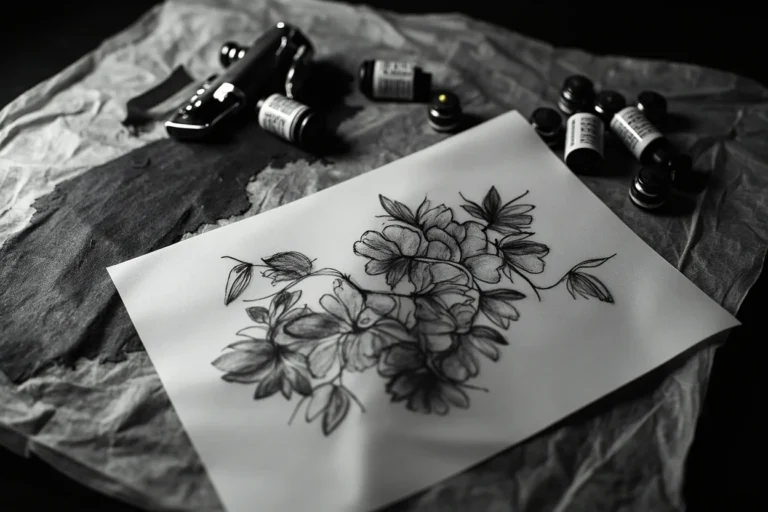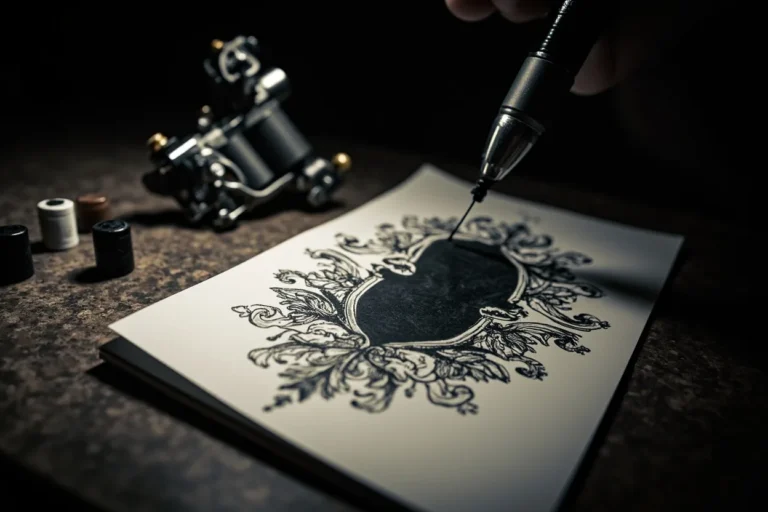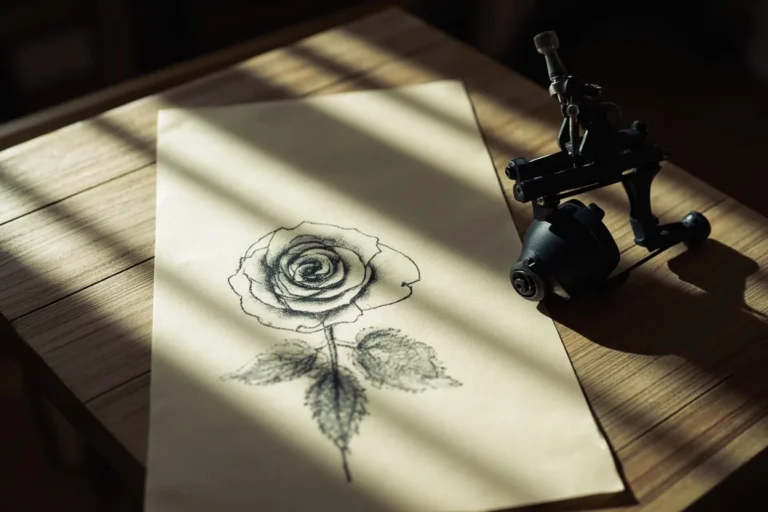
Pick a tattoo by starting with what genuinely moves you, not what looks cool on Instagram today. I’ve tattooed thousands of people over fifteen years, and the ones who still love their ink two decades later chose from personal meaning, not trend chasing. Think about the stories you tell friends at 2 AM, the images that’ve stuck with you since childhood, the symbols that represent a specific moment you survived or celebrated. Then match that idea to a style and placement that actually works on human skin, not just on a screen. That’s the whole game.
Start With the Idea, Not the Pinterest Board
Clients walk in daily with screenshots of someone else’s tattoo. I get it, visuals help. But I always ask: what made you save this? Usually there’s a buried personal reason they haven’t articulated yet. The best tattoos start there.
I’ve seen people bring in their grandmother’s handwritten recipe card, a childhood drawing, a phrase from a letter their partner wrote. Those become tattoos that last emotionally, not just physically. The image itself can be simple, a single word, a small object, an abstract shape, if the meaning behind it is real.
- Write down three memories that still feel vivid
- Notice recurring symbols in your life (a bird you always see, a number pattern)
- Ask what you’d want visible if you lost everything else
- Consider what you’d explain to a stranger without embarrassment
Don’t worry about “originality.” Roses, anchors, names, dates, artists tattoo these constantly because they work. Your specific version becomes unique through your story and the artist’s interpretation.
Match the Style to Your Skin and Your Life
Not every style ages the same, and not every style suits every person’s skin tone or texture. This is where shop experience matters more than internet research.
How Different Styles Hold Up
Fine line and delicate tattoos look stunning fresh. I’ve done plenty. But I also tell clients: those whisper-thin lines blur faster than bold ones. Skin is living material. It shifts, sun-damages, stretches. A line the width of a hair might look like a soft smudge in eight years. That doesn’t mean avoid fine line, just understand the trade-off. Plan for touch-ups, or choose bolder work for high-movement areas.
Traditional American (bold black outlines, limited color palette) lasts longest because it was literally designed to. Sailors needed tattoos that stayed readable through salt water and sun. That DNA still works. Japanese bodysuit techniques, with their saturated blacks and dense color packing, similarly age gracefully because the ink density is high.
Watercolor and gradient-heavy styles? Beautiful. I’ve done them. But they require more maintenance and careful sun protection. The soft edges that make them dreamy are the first thing to fade or blow out.
Color vs. Black and Grey
Color pops on lighter skin tones, but black and grey reads clearly on all skin tones when done well. I’ve watched yellow disappear entirely on medium-dark skin within a few years, while deep purples and blues hold strong. A good artist will adjust pigment choices to your specific undertone, not just light vs. dark, but warm vs. cool, olive vs. golden vs. red.
Placement Changes Everything
Where you put a tattoo affects pain, visibility, aging, and even employment. I don’t make those rules, I just see the consequences.
Fingers and hands hurt more because bone sits right under thin skin. They also fade fastest from constant use and sun exposure. I’ve touched up finger tattoos more than any other placement. Some artists won’t even do them because clients blame the artist when the ink falls out.
Ribs and sternum? Intense. The vibration against bone, the thin skin, the inability to breathe normally while working, clients sometimes tap out. I always warn people: this is a commitment session, not a casual afternoon.
Outer upper arm, outer thigh, calf, these are the “training wheel” spots. More muscle padding, easier to sit through, easy to cover or show. Most first-timers do well here.
- Consider your career: visible neck/hand tattoos still close doors in corporate America
- Think about weight fluctuations: stomach, upper arms, thighs change most
- Remember aging: skin loosens everywhere, but faster on inner arms and chest
- Sun exposure destroys tattoos: shoulders and forearms need more protection
I’ve had clients cry happy tears finishing a rib piece they barely survived. I’ve had others regret rushing into a hand tattoo at 19. Placement is strategy, not just aesthetics.
Find the Right Artist (Not Just the Closest Shop)
This is where most people stumble. They pick based on convenience or price. In my chair, that’s backwards.
Every artist has strengths. I do solid traditional and blackwork. My colleague across the shop kills it on realism and portraits. Another specializes in ornamental and geometric. None of us is the best choice for every request. When someone asks for something outside my wheelhouse, I refer them. Good artists do this. Hungry or insecure artists take everything and deliver mediocrity.
Research actual healed tattoos, not just fresh photos. Shops post fresh work because it looks dramatic. But follow artists on Instagram and look for their “healed and settled” posts. That’s the real product. Ask to see healed examples in consultation if their social doesn’t show them.
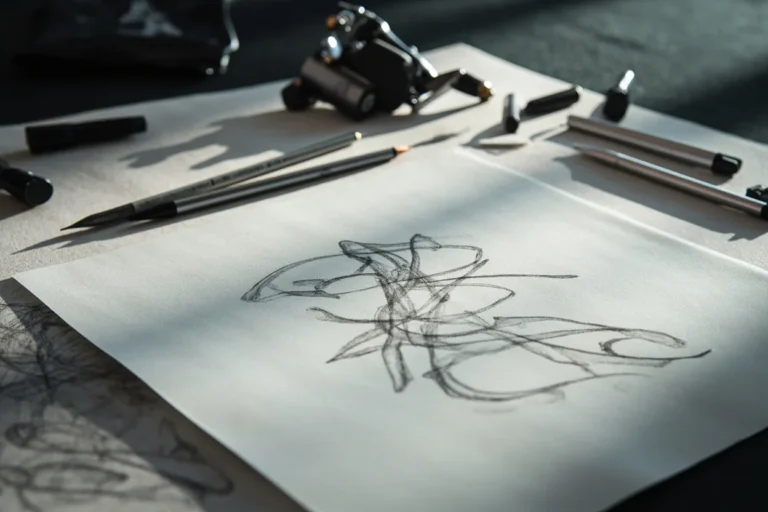
Consultations matter. I spend 20-30 minutes with new clients, sketching ideas, talking placement, managing expectations. If an artist rushes you, talks over you, or won’t adjust a design, leave. This is permanent. The extra drive or wait for the right person is worth it.
Price correlates with experience, but not always quality. I’ve seen $400/hour artists phone it in, and $150/hour apprentices pour their soul into every line. Look at the work, talk to healed clients, trust your gut in the consultation.
Prepare for the Reality, Not Just the Fantasy
Tattoo day is only the beginning. The healing process is two to four weeks of active management, and the final result takes months to fully settle.
Fresh tattoos weep plasma and ink. They peel like sunburn. They itch maddeningly. I’ve had clients call panicking that their tattoo is “falling out” during the flaky stage, it’s normal. The top layer sheds; the ink stays in the dermis below.
Aftercare varies by artist. I use a simple approach: gentle wash, thin layer of recommended ointment for three days, then unscented lotion until healed. No soaking, no sun, no picking the scabs. Other artists use second-skin bandages for several days. Follow your specific artist’s instructions, they’re responsible for the touch-up if their method fails.
Cost runs roughly $150-400 per hour in most US cities, with minimums around $100-150 even for small pieces. Good work isn’t cheap. Cheap work isn’t good. I’ve covered enough bad tattoos to know: the removal or cover-up costs triple what a quality original would have.
Key Takeaways
Choose meaning over trend, match style to your skin’s reality, place it with your whole life in mind, and find an artist who actually specializes in what you want. The tattoo you pick should feel like something you discovered, not something you were sold. I’ve watched too many people sit in my chair with regret from rushed decisions, and too many light up years later remembering why they chose what they chose. The difference is usually patience at the beginning. Take your time. The right tattoo will wait for you.
Frequently Asked Questions
How do I know if a tattoo idea is too trendy?
If you’re seeing it on every influencer and it didn’t exist in tattoo culture five years ago, it’ll likely age poorly. Ask yourself: would I want this if nobody else had it? That’s your answer.
Should I bring my own design or let the artist create it?
Bring references, mood boards, or rough concepts, but let the artist design for tattoo application. I’ve redrawn client sketches hundreds of times because what works on paper doesn’t always work on skin curves and movement.
How much should I tip my tattoo artist?
Twenty percent is standard for good work, same as restaurant service. Some clients tip more for complex pieces or long sessions. Cash is always appreciated since card tips sometimes get delayed in shop systems.
What if I start hating my tattoo years later?
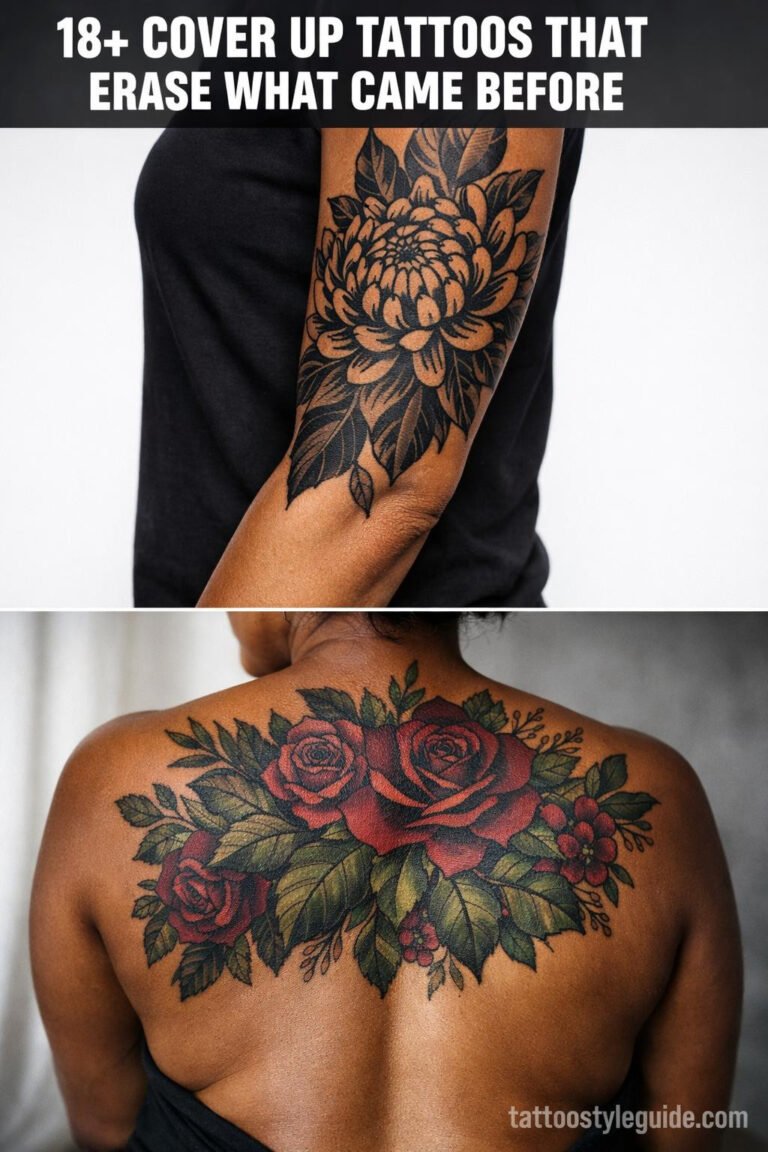
It happens. Laser removal works but is expensive and slow. Cover-ups are often better, I’ve transformed old tattoos into new pieces clients love. The best prevention is following the advice in this guide from the start.
Related Tattoo Guides
- How to Relieve Itchy New Tattoo: A Real Shop Guide
- How to Remove a Tattoo: Your Real Guide to Fading Ink
- How to Use an Amazon Tattoo Gun: A Real Artist s Guide
- Explore more