
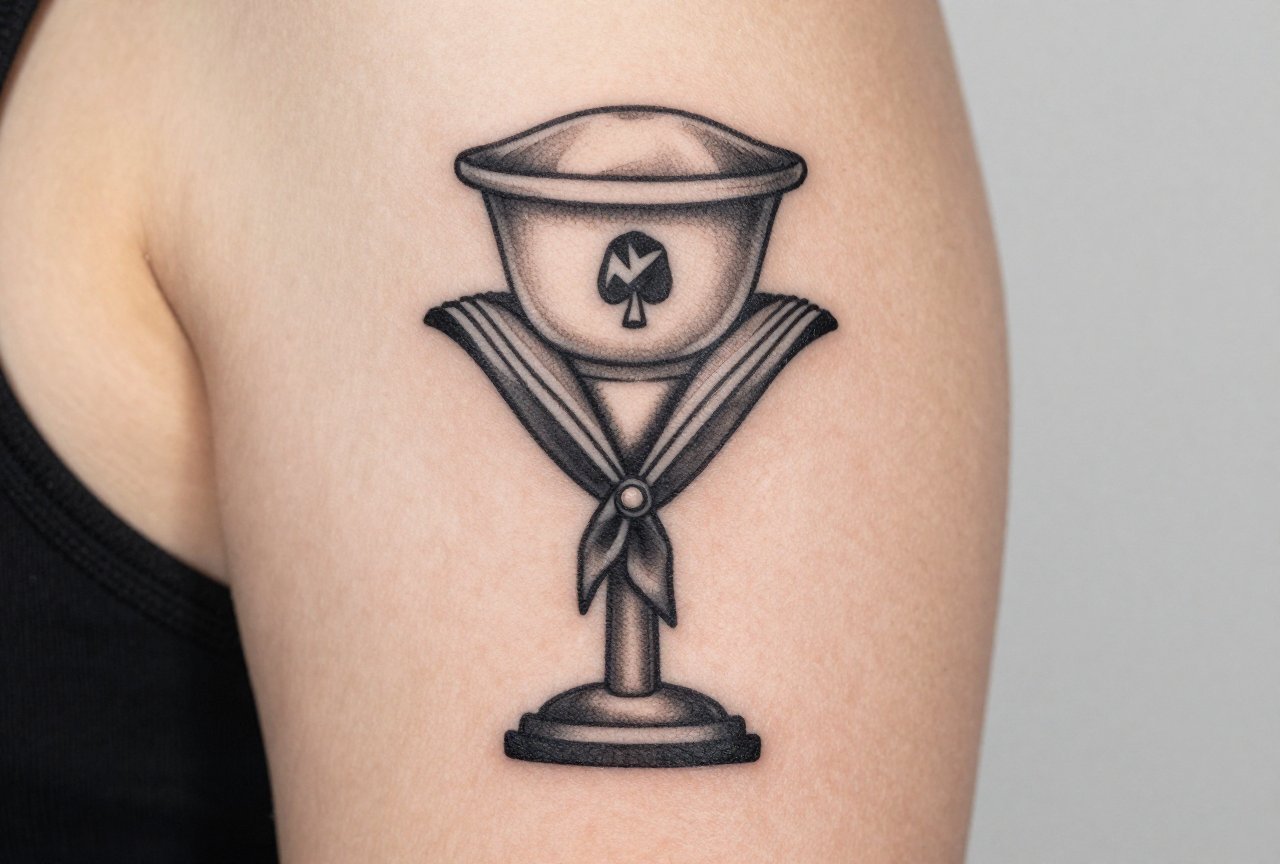
A naval tattoo carries deep meaning rooted in centuries of maritime tradition, representing a sailor’s life experiences, achievements, and relationship with the unpredictable ocean. For modern wearers, these designs symbolize adventure, resilience, loyalty, and the courage to navigate life’s storms. Whether honoring military service, ancestral seafaring heritage, or personal transformation, naval tattoos connect the wearer to a proud lineage of those who live by the water’s rhythm.
Symbolism & History
Naval tattoo traditions stretch back to the 1700s when British and American sailors marked their bodies with symbolic imagery to record their voyages and protect against the unknown. Captain James Cook’s crews encountered Polynesian tattooing in the South Pacific, sparking a cross-cultural exchange that shaped Western maritime ink forever. Each traditional design held specific significance:
- Swallows indicated 5,000 nautical miles traveled; a second swallow marked 10,000 miles
- Anchor tattoos confirmed crossing the Atlantic or signified stability and groundedness
- Compass roses represented guidance and the hope of returning home safely
- Ships under full sail celebrated a sailor’s first voyage around Cape Horn
- Rope or line work around the wrist symbolized a deckhand’s rank
The pig and rooster pairing, often tattooed on feet, emerged from a folk belief that these farm animals survived shipwrecks because their crates washed ashore. Dragons, golden dragons specifically, marked service in Asian waters. These weren’t decorative choices; they were credentials, talismans, and identity markers in a life where paper records dissolved in salt spray.
Common Variations & Styles
Today’s naval tattoos span from historically accurate reproductions to contemporary reinterpretations. The traditional American style, bold black outlines with limited saturated color palettes, remains the most recognized approach. Nautical realism captures intricate ship portraits, storm-tossed waves, and dramatic lighting effects. Neo-traditional work expands the color range while maintaining graphic clarity. Minimalist line art appeals to those seeking subtle, modern expressions of maritime themes.
- Traditional clipper ships with billowing sails and banner scrolls
- Coiled ropes, knots, and macramé patterns with specific maritime names
- Mermaids, sirens, and sea creatures from sailor folklore
- Lighthouses, often paired with crashing waves or guiding beams
- Coordinates of significant ports, home harbors, or memorial locations
- Naval insignia, unit crests, and rank-specific imagery for service members
Some collectors commission full nautical sleeves or back pieces depicting historical naval battles, while others prefer single small symbols with concentrated personal meaning. The Kraken, octopus, and giant squid designs have surged in popularity, representing the overwhelming forces that sailors historically faced and respected.
Best Placements
Placement carries historical weight in naval tattooing. Traditional locations followed practical and symbolic logic. Hands, knuckles, and forearms displayed rank and experience visibly. Chest pieces allowed expansive ship portraits over the heart, symbolizing devotion to the sea. Thighs and calves accommodated larger designs that could be concealed when necessary.
- Forearms: classic visibility for anchor, rope, or swallow designs
- Chest: ideal for ships, compass roses, or meaningful quotes with nautical themes
- Back: expansive canvas for detailed naval battle scenes or large vessel portraits
- Feet: traditional placement for pig and rooster protective tattoos
- Behind the ear: subtle location for small anchors, shells, or star compasses
Contemporary placement tends toward personal preference over tradition, though many maritime enthusiasts still honor historical positioning as part of the tattoo’s authenticity and connection to sailor heritage.
Who Chooses This Tattoo / Personal Meanings
The naval tattoo audience extends far beyond active military personnel. Navy veterans and current service members maintain the tradition most directly, often marking deployments, units, or fallen comrades. Merchant mariners, commercial fishermen, and professional sailors continue the working-class maritime tattoo lineage. However, a significant portion of modern naval tattoo collectors have no professional sea connection.
- Descendants honoring immigrant ancestors who arrived by ship
- Coastal residents expressing regional identity and relationship with local waters
- Individuals who have overcome personal struggles, using the storm-tossed ship as metaphor
- Travelers and adventurers marking powerful journeys
- Those drawn to the aesthetic and historical craft of traditional tattooing
The meaning often shifts from literal maritime experience to symbolic navigation: finding direction through life’s uncertainties, staying steady through turbulent periods, honoring the constant pull of distant horizons. For some, the naval tattoo represents a commitment to movement and change; for others, it anchors them to home and heritage.
Similar Symbols
Naval tattoos share thematic territory with several related symbol systems that collectors sometimes blend or confuse. Understanding distinctions helps in choosing authentic, meaningful designs.
- Cartography tattoos: maps, globes, and coordinates share the travel theme but lack specific maritime tradition
- Pirate imagery: skulls, crossbones, and Jolly Roger flags overlap aesthetically but represent rebellion and criminality rather than institutional naval service
- Coastal nature tattoos: shells, waves, and marine life celebrate ocean ecology without sailor cultural significance
- Steering wheels and propellers: nautical equipment that lacks the specific symbolic weight of anchors or swallows
- Japanese irezumi wave and water imagery: shares ocean reverence but belongs to a distinct artistic and cultural tradition
Many collectors thoughtfully combine elements, placing a traditional anchor within Japanese-inspired wave patterns or surrounding a compass rose with realistic marine biology. The key lies in intentional design rather than accidental appropriation or meaningless pastiche.
Final Thoughts
Naval tattoos endure because they speak to universal human experiences: leaving home, facing unknown challenges, hoping for safe return, and marking transformation through ordeal. Whether rendered in faithful traditional style or contemporary interpretation, these designs carry weight beyond their visual appeal. The best naval tattoos connect the individual wearer to something larger: a community of travelers, a history of courage, and the eternal dialogue between human ambition and natural power.









