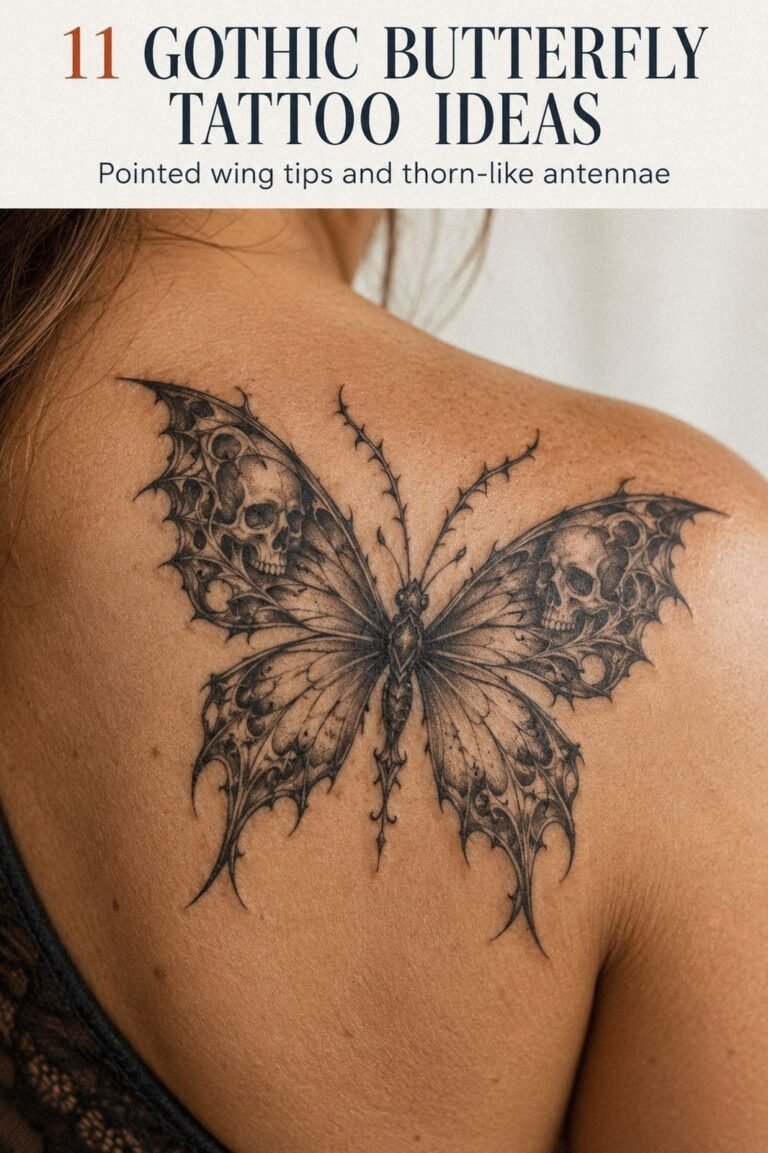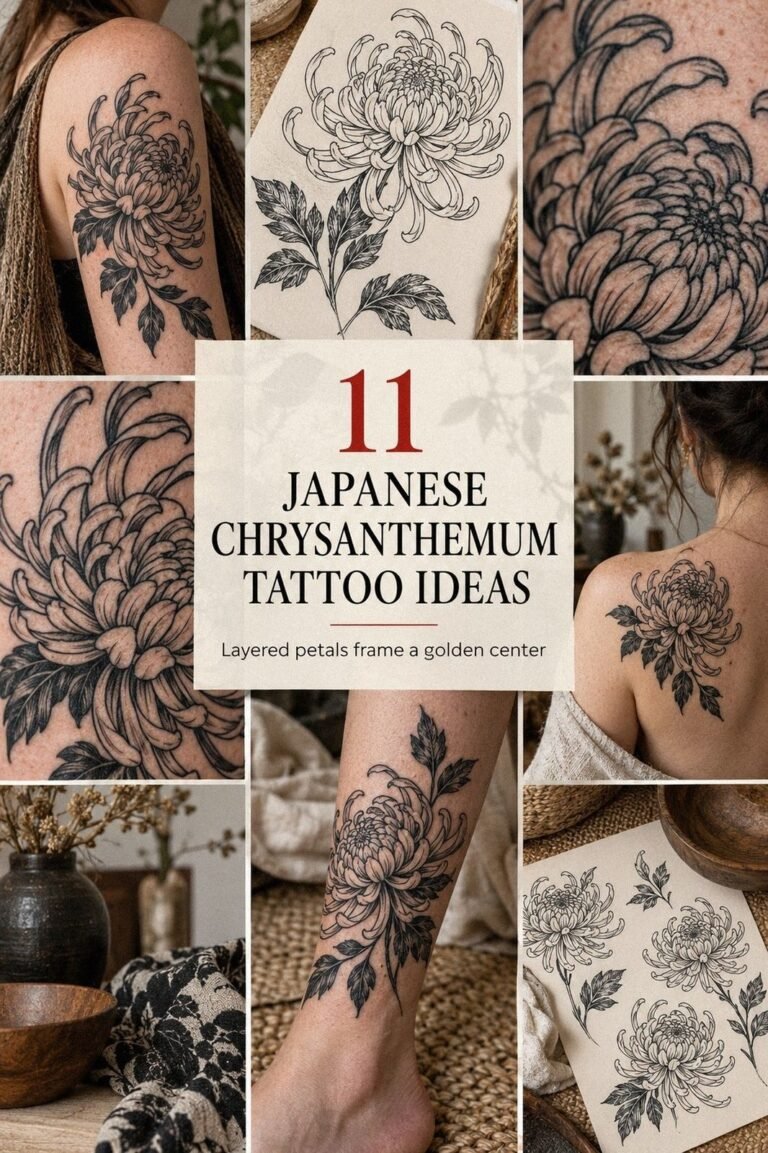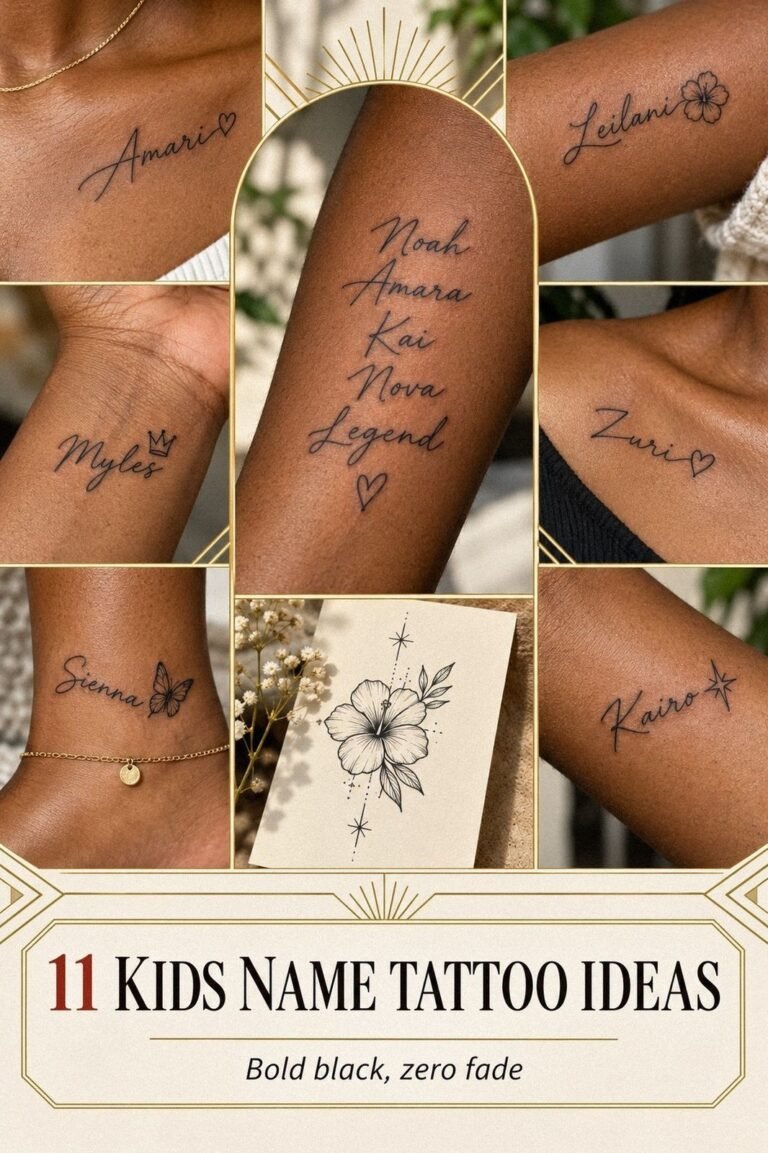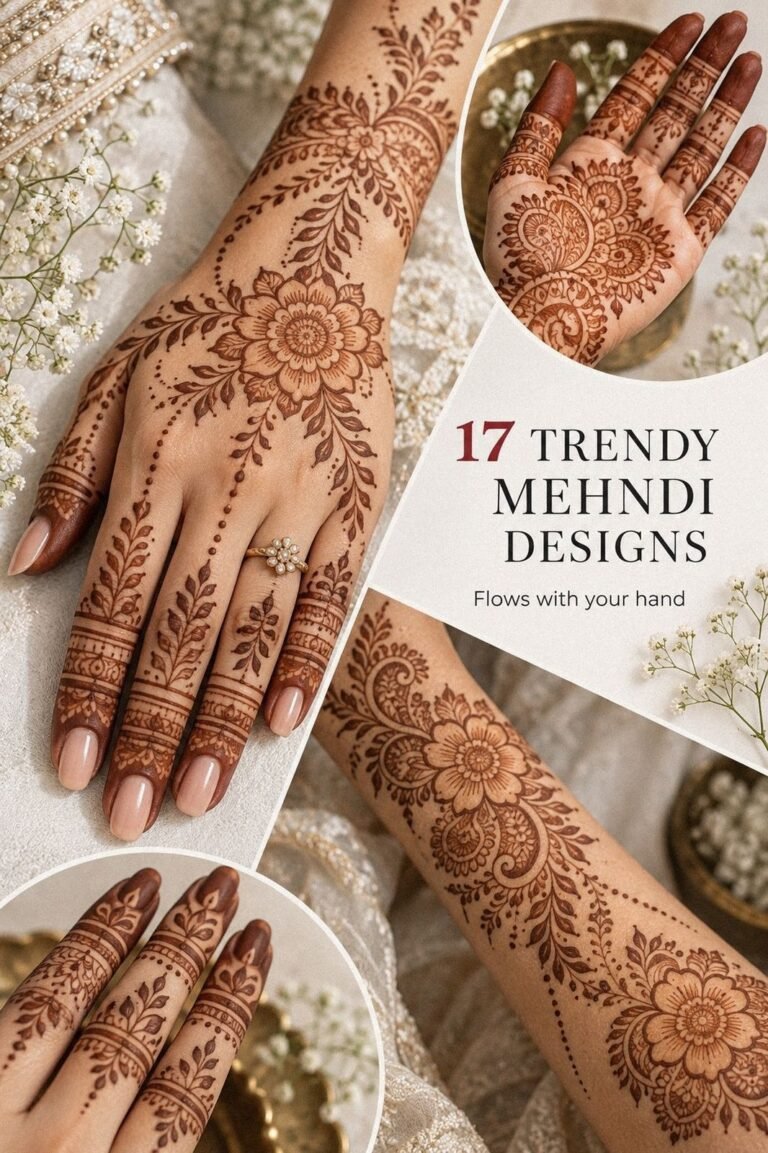
You walk into a shop, flip through the binder, and pick a rose off the wall. Nothing wrong with that. But you’re here because you want something that nobody else has. Something that makes the artist stop and say, “Wait, that’s cool.” Original tattoos don’t come from scrolling, they come from paying attention to your own life. The way light hits your grandmother’s kitchen table. The sound of a specific highway at 2 AM. The weird little animal you saw once and never forgot. Here’s how to turn that into ink.
Popular Styles That Leave Room for Originality
Some styles are built for customization. Others, not so much. If you want original, start with a framework that invites it.
Neo-Traditional and Illustrative
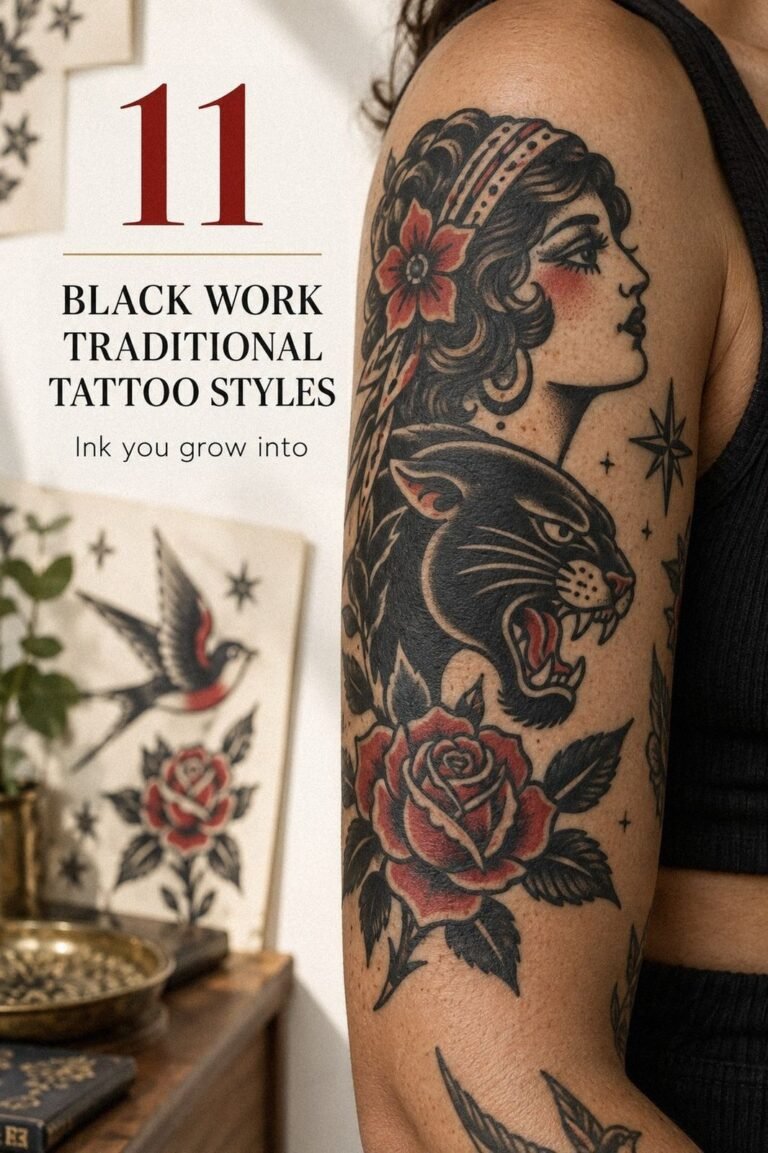
Neo-traditional gives you the bold lines and saturated color of old school, but the subject matter is wide open. I’ve seen a neo-traditional piece of a 1987 Honda Civic that hit different, chrome rendered in teals and magentas, cherry blossoms instead of exhaust smoke. The style carries it. Illustrative work is even looser. Think children’s book drawings, editorial art, graphic novels. Your artist can draw your actual dog, not a generic bulldog flash. The line weight varies. The shading is stippled or smooth or crosshatched. It feels hand-made because it is.
Abstract and Experimental
This is where things get weird in the best way. Abstract tattoos might be brush strokes, color fields, geometric deconstructions, or pure texture. I’ve watched a client get a sleeve that’s essentially a Kandinsky painting adapted to her arm’s musculature. Another guy got a single black line that starts at his wrist, follows his vein patterns, and dissolves into nothing at his shoulder. No imagery at all. Just movement. These pieces age differently, lines blur, colors soften, and that actually becomes part of the concept. Not for everyone. But unmistakably original.
- Neo-traditional: bold outlines, custom subjects, colors that pop for decades
- Illustrative: hand-drawn feel, narrative potential, works at any scale
- Abstract: concept-driven, aging becomes aesthetic, requires trust in your artist
- Blackwork/dotwork: texture-heavy, graphic impact, holds up well over time
Design Ideas That Come From Real Life
The best original tattoos I’ve done started with a conversation that had nothing to do with tattoos. A guy told me about his job inspecting wind turbines, how the inside of the nacelle smelled like ozone and grease. We did a piece of mechanical gears dissolving into cumulus clouds. A woman described her synesthesia, how the number 7 was always chartreuse. We made a color study of her personal number palette wrapping her ribs. These aren’t “meanings” you look up. They’re experiences you translate.
Personal Objects and Spaces
Your grandfather’s pocket watch, but not the generic Victorian kind, his actual watch, with the specific scratch on the crystal, the worn spot on the crown. The corner of your childhood bedroom where the wallpaper peeled to show older wallpaper underneath. Your first car’s dashboard, the exact crack in the vinyl. These details carry weight because they’re real. An artist can render them with photorealism or interpret them through a stylized lens. Either way, you’re not getting “a watch.” You’re getting that watch.
Conversations and Text
Not quote tattoos. Please, not quote tattoos. I mean the shape of language itself. A client’s mother wrote her letters in a shaky hand after Parkinson’s set in. We took the actual handwriting, isolated the tremors, and made them into a wave pattern. No words. Just the physical evidence of love under duress. Another piece: the waveform of a father’s last voicemail. Visual, abstract, deeply specific.
- Photograph an object, then abstract it until only its essence remains
- Record audio, generate a waveform, let the artist interpret the shape
- Map a meaningful location’s topography, not the literal map
- Use your own handwriting, but distorted, layered, or deconstructed
Best Placements for Original Work
Originality isn’t just the image. It’s where it lives on your body and how that placement changes the image.
Flowing With Anatomy
The inner bicep is a hidden canvas. Skin there is softer, more prone to blowout, but the privacy makes it intimate. I’ve seen a sound wave tattoo there that only the wearer sees in the mirror, arm raised. The sternum, painful, yes, but the bone creates a natural frame. A piece there becomes architecture, part of your structure. The side of the knee, that weird divot where the tendons cross, is perfect for something that needs to stretch and compress. Spiderwebs, mechanical joints, anything that benefits from movement.
Negative Space and Partial Pieces
Original work sometimes means knowing when to stop. A tattoo that begins on the shoulder and deliberately doesn’t finish, trailing off into bare skin. Or a piece that wraps the wrist but leaves a gap exactly where a watch would sit. These choices require confidence. They read as intentional, not unfinished. The body becomes part of the composition, not just the surface.
- Inner bicep: private, soft skin, intimate scale
- Sternum: structural, framed by bone, high pain but high impact
- Side of knee: dynamic, benefits from joint movement
- Back of neck: visible but not confrontational, good for linear work
- Hands and fingers: commitment pieces, social visibility, faster fading
Color Choices That Age With Intention
Every original idea needs to survive ten, twenty, thirty years. Color is where most concepts die.
What Actually Lasts
Black and gray hold. That’s the truth. But color doesn’t have to be temporary if you’re strategic. Saturated blues and greens, cobalt, emerald, teal, outlast pastels by miles. Reds can be finicky; some brands fade to pink, others hold true. Yellow and orange need to be bold, almost aggressive in their initial application, because they will soften. White? White barely lasts two years on most people. Use it as a highlight, not a foundation. An original piece accounts for this. Maybe the fading is part of the concept, a sunset that literally lightens over decades. A forest that goes from summer to autumn in your skin.
Limited Palettes
Some of the most striking original work I’ve seen uses two colors total. Black and burnt orange. Indigo and cream. Restricting your palette forces creative solutions. It also ages more cohesively. A rainbow piece looks incredible fresh. In fifteen years, it’s a muted smear unless the design was built for that transition.
- Black and gray: timeless, readable at any age, works in any style
- Deep blues and greens: longevity with personality
- Bold primaries: high contrast, graphic impact, need solid black outlines
- Monochromatic schemes: sophisticated aging, unified aesthetic
Tips for Choosing Your Original Piece
Here’s the hard part. Originality requires risk. You might not love the sketch at first. You might not find reference images that match what’s in your head. That’s the point.
Find the Right Artist, Not the Right Image
Look for someone who does work that feels adjacent to your idea, then trust them to interpret. The best original tattoos are collaborations. Bring your references, photos, textures, colors, even smells if you can translate them, but let the artist be the artist. I once had a client bring in a recording of rain on a tin roof. We listened together. She wanted that sound as a visual. I gave her dense stippling that lightened toward the edges, like sound dissipating. She cried when she saw it. Not because it was “accurate” but because it was honest.
Live With the Concept
Draw it. Tape a printout to your mirror. See it every day for a month. Original ideas often need time to settle. The ones that stick, that you don’t get tired of, those are the ones worth the needle. And be ready for the conversation. People will ask what it means. Sometimes you’ll have a story. Sometimes you’ll say, “It just felt right.” Both answers are valid.
- Collect non-visual references: audio, texture, scent, movement
- Choose an artist whose style complements, not copies, your vision
- Test the concept visually for weeks before committing
- Accept that some originality won’t be immediately understood
- Budget for the artist’s time, custom work takes longer, costs more, worth it
Final Thoughts
Original tattoos aren’t about being different for the sake of it. They’re about refusing to let your body become a Pinterest board. The best work I’ve ever done started with someone who knew what they felt and trusted me to help them see it. Your skin is the only canvas you can’t sell, can’t store, can’t replace. Make it matter. Make it strange. Make it so specifically yours that nobody else could wear it even if they tried. That’s the tattoo worth getting.
More Tattoo Ideas
- Traditional Americana Flash Tattoos: Style Guide
- Free Tattoo Designs That Actually Work
- Realistic Wolf Tattoos: Complete Style Guide
- Explore more
Frequently Asked Questions
How do I find a tattoo idea that feels truly personal and not just trendy?
Start by mapping what genuinely moves you: childhood memories, a specific lyric that got you through something, a place that changed you, or even a visual metaphor you have always pictured in your mind. The most original tattoos come from internal reference points, not Pinterest boards. Bring those fragments to an artist and let them translate your story into a visual language that belongs only to you.
Can a simple tattoo still feel deeply original and meaningful?
Absolutely. A single line, a small constellation, or a minimalist symbol can carry enormous weight when it is tied to a real moment or private code. Originality lives in intention and context, not complexity or size.
What if I want something original but I am not visually creative?
You do not need to design it yourself. Collect words, moods, colors, or reference images that resonate with you, then trust a skilled artist to synthesize them. A good tattooer will interview you, spot patterns in what you are drawn to, and build something that feels unmistakably yours.
How do I make sure my tattoo does not accidentally copy someone else’s?
Avoid taking a found image directly to an artist and asking for it exactly. Instead, describe the feeling or story you want, and let the artist create from scratch. If you do bring references, use multiple unrelated sources so the final piece becomes a unique fusion rather than a reproduction.