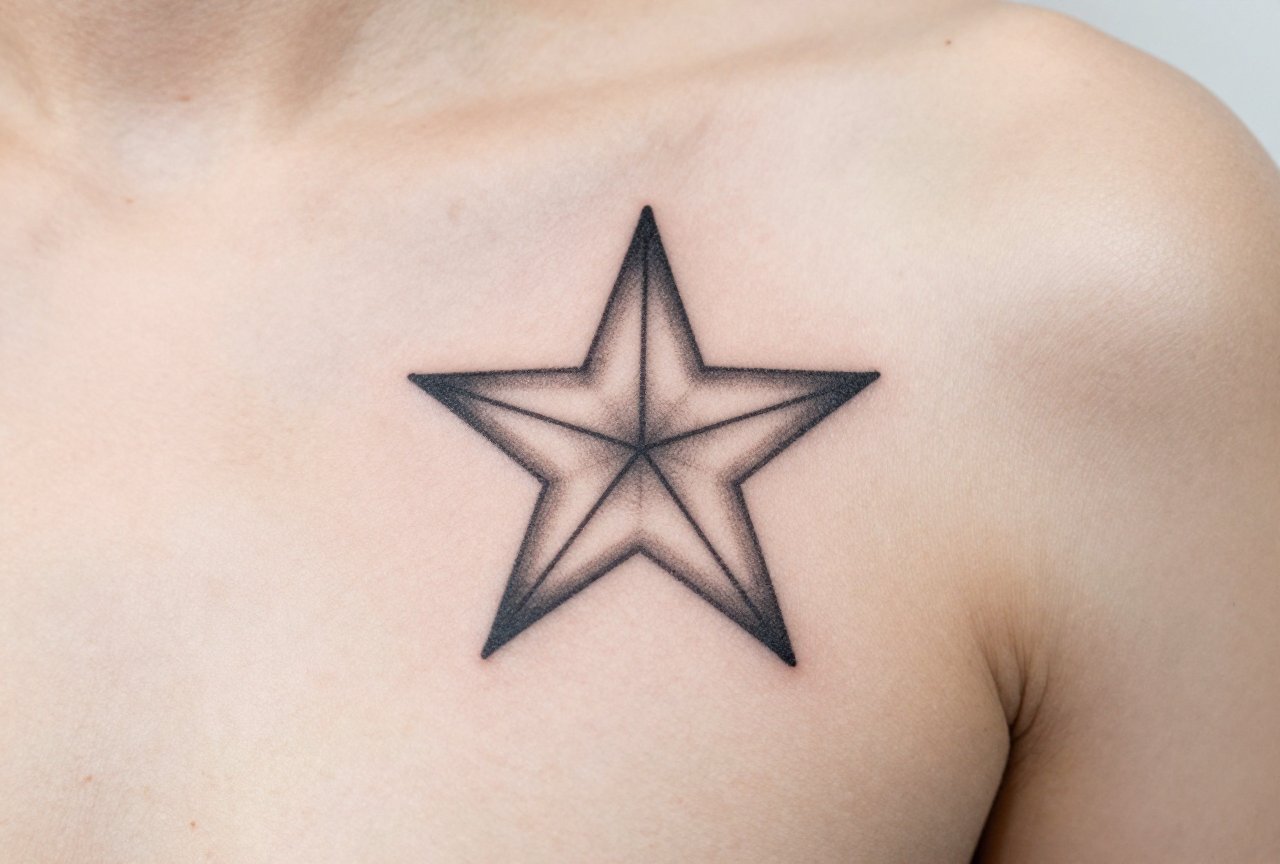
Star Tattoo Meaning: Symbolism, Styles & Personal Significance
A single point of light against darkness carries surprising weight. Stars have guided sailors across uncharted waters, marked seasonal change for agricultural communities, and served as focal points for spiritual practice across millennia. On skin, this ancient symbol transforms into something simultaneously universal and deeply individual. Understanding what star tattoos communicate, and how different designs alter that message, helps you choose work that resonates beyond trend.
Core Symbolism Across Cultures
Stars accumulate meaning through human use rather than inherent property. The North Star, Polaris, offered fixed reference for navigation; maritime cultures often linked star imagery to safe passage and reliable direction. Ancient Egyptian texts associated stars with the divine journey of the soul. Polynesian wayfinders read star positions to traverse thousands of miles of open ocean, embedding celestial knowledge into tattoo traditions that continue today.
Religious contexts add further layers. The Star of David represents Jewish identity and faith. The Bethlehem star carries Christian narrative weight. In Islamic geometric art, stars express divine order and the infinite nature of creation. These associations persist in contemporary tattooing, sometimes explicitly, sometimes as subtle background resonance.
- Direction and guidance: finding or maintaining one’s path
- Aspiration: reaching toward something distant or difficult
- Protection: light against darkness, hope against difficulty
- Achievement: marking accomplishment or milestone
- Remembrance: honoring someone who has died or departed
Design Variations and Their Distinct Meanings
Nautical Stars
Five-pointed stars with alternating light and dark halves, nautical stars emerged from sailor tattooing in the early to mid-20th century. Placement on the left and right chest historically indicated experience at sea. The color contrast symbolizes the compass rose, with the darker half representing the dangerous half of a storm. Contemporary wearers often choose this design for its connection to travel, resilience, or maritime heritage without necessarily claiming sailing credentials.
Shooting Stars
Trailing lines behind a star point suggest transience, luck, or momentary beauty. Many people select this variation to mark a fleeting but significant experience, a wish made and fulfilled, or a reminder that precious moments pass quickly. The directional movement of the tail matters; upward trajectories read differently than downward arcs, though individual interpretation ultimately shapes meaning.
Constellation Patterns
Multiple stars connected by thin lines recreate actual celestial arrangements. Some choose their zodiac constellation, others select formations with personal significance, perhaps visible during a meaningful date or location. The geometric precision of constellation tattoos suits minimalist aesthetics, while the connective lines can be stylized to incorporate additional imagery.
Geometric and Abstract Stars
Multi-pointed stars, three-dimensional designs, or fragmented geometric interpretations move away from literal representation. Sacred geometry enthusiasts often favor eight-pointed stars or star polygons for their mathematical properties and cross-cultural spiritual associations. These designs frequently serve as larger compositions, integrated into mandalas, sleeves, or back pieces rather than standing alone.
Placement Considerations and Visual Impact
Where a star sits on the body substantially affects its reading. Small stars behind the ear or on the wrist read as subtle, personal markers. The same design scaled larger on a shoulder or thigh becomes more declarative. Clustered star fields across broader areas, chests or backs, suggest expansiveness or multiplicity rather than singular focus.
Visibility choices carry their own communication. Concealed star tattoos maintain privacy; the wearer controls when to reveal and discuss. Prominent placement invites conversation, making the symbol more public statement than private reference. Neither approach is superior, but the distinction matters for satisfaction over time.
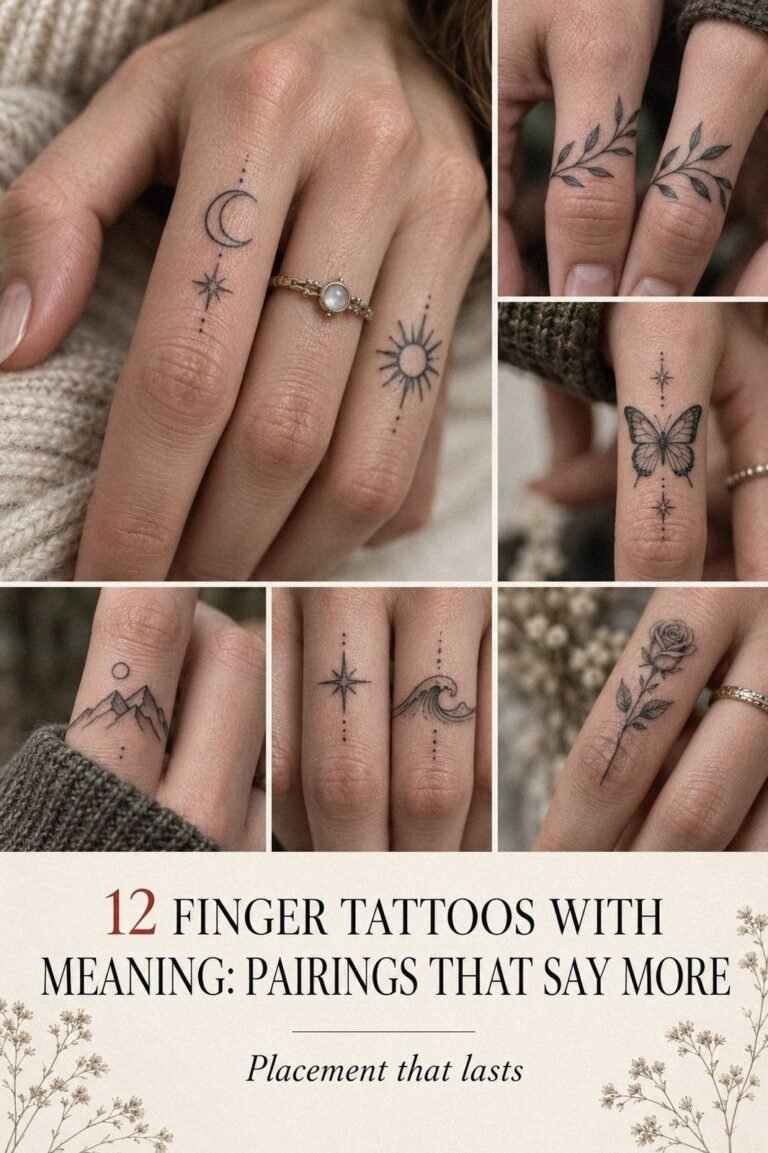
- Finger and hand stars: highly visible, commitment to the symbol’s presence in daily interaction
- Ribcage and side placements: intimate, often chosen for personal significance over public display
- Behind the ear: discreet, frequently selected for first tattoos or layered meanings
- Along the collarbone: framing the face, drawing attention upward
- Foot and ankle: connection to grounding, travel, or foundational values
Style Adaptations and Technical Approaches
Traditional and Neo-Traditional
Bold outlines, limited color palettes, and strong saturation characterize American traditional star tattoos. Thick black borders around solid color fields ensure longevity and readability at distance. Neo-traditional work expands the color range and incorporates more illustrative detail while maintaining structural clarity. Both approaches age well, a practical consideration for a symbol intended to last decades.
Fine Line and Single Needle
Contemporary techniques allow for delicate star representations previously difficult to execute. Fine line work suits constellation patterns, scattered star fields, and minimalist single stars. The trade-off involves longevity; thinner lines blur faster with age and sun exposure. Experienced artists can advise on minimum viable line weight for your specific design and placement.
Blackwork and Dotwork
Stippled gradients and solid black fields create stars through negative space or textured buildup. Dotwork particularly suits celestial subjects, the technique itself evoking the scattered quality of actual night skies. These approaches demand technical precision; uneven stippling or inconsistent black saturation become obvious over time.
Watercolor and Abstract Color
Diffuse color fields without hard outlines create impressionistic star interpretations. Success varies significantly by artist skill and skin tone interaction with pigment. These designs often read as contemporary and artistic but may require more frequent refreshment to maintain their intended effect.
Color Symbolism and Material Choices
Traditional sailor stars used specific color associations: red for love or passion, green for hope or land, blue for safety or the sea, gold for achievement. These conventions persist as loose guidelines rather than fixed rules. Contemporary color selection often prioritizes aesthetic cohesion with existing tattoos or personal preference over coded meaning.
Black and grey stars offer versatility and timelessness. They integrate cleanly with most other tattoo styles and avoid color shift over time. When color is chosen, understanding how specific pigments age, blues and greens generally holding better than yellows and pastels, helps set realistic expectations for long-term appearance.
Combining Stars With Complementary Imagery
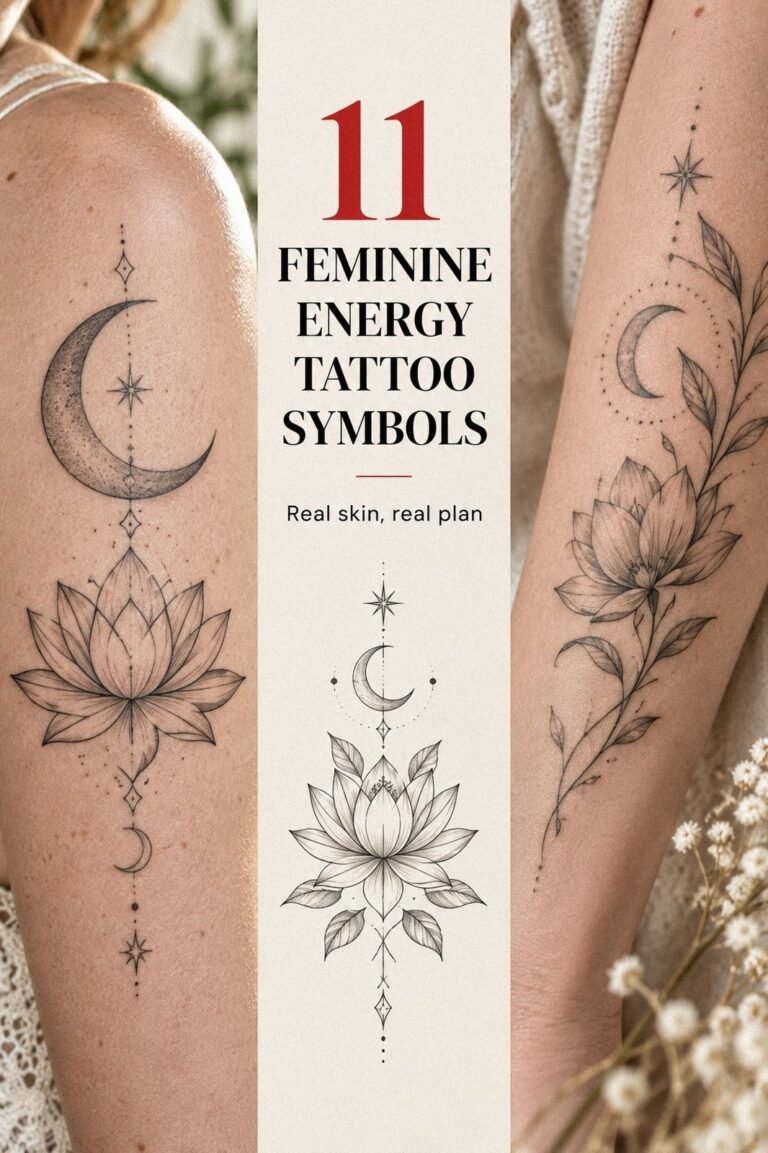
Stars rarely exist in isolation within larger compositions. Moons create celestial pairings suggesting cycles, duality, or time. Mountains or trees ground stars in landscape, connecting aspiration with earthly rootedness. Text integration, names, dates, or coordinates, anchors abstract symbolism to specific reference points. Animals paired with stars, wolves howling at night skies, owls in darkness, draw on established symbolic associations while personalizing them.
The key consideration involves balance. Stars are visually simple; overcrowding them with competing elements diminishes their impact. Strong compositions let the star function as focal point or rhythmic repetition rather than visual clutter.
Final Thoughts
Star tattoos endure because they manage to be both immediately legible and infinitely adaptable. The same basic shape has served navigators, spiritual practitioners, rebels, romantics, and countless ordinary people seeking to mark skin with something meaningful. Your specific star design gains significance through the combination of cultural resonance, personal intention, and the particular choices you make: style, placement, scale, color, and accompanying imagery.
Research matters. Portfolio review matters. The artist who executes a crisp traditional star may not be the right choice for a delicate constellation, and vice versa. Meaningful tattooing is a collaborative process; the best results emerge from clear communication about what the symbol represents to you, combined with technical expertise about how to make that representation durable and visually effective.
Ultimately, a star tattoo succeeds when it feels true to the person wearing it, not because of any universal meaning it carries, but because of the specific meaning it has gathered through your own life, values, and the care with which you chose to wear it.
Frequently Asked Questions
What does a star tattoo mean on a woman versus a man?
Star tattoos carry no inherent gendered meaning. The symbol’s significance depends on design choice, placement, and personal intention rather than the wearer’s gender. Cultural attempts to assign masculine or feminine readings to star tattoos reflect outdated assumptions rather than actual symbolic properties.
Do star tattoos have to mean something specific?
No. Many people choose stars for aesthetic reasons, appreciating their visual simplicity and versatility. Others layer specific personal meaning onto the design. Both approaches are valid. The tattoo community generally respects that meaning can be explicit, private, or entirely absent without diminishing the work’s value.
How well do star tattoos age over time?
Bold, traditionally executed stars with strong outlines and solid saturation age most reliably. Fine line work and watercolor approaches may require refreshment sooner. Sun protection significantly impacts longevity regardless of style. Consult your artist about expected aging for your specific design and skin type.
What is the best star tattoo for a first tattoo?
Simple designs in manageable placements, wrist, forearm, shoulder, offer good starting points. These locations allow you to experience the tattoo process without excessive duration or intensity. A single star or small cluster provides enough complexity to be interesting while remaining straightforward to execute well. Prioritize artist selection over design complexity for first work.