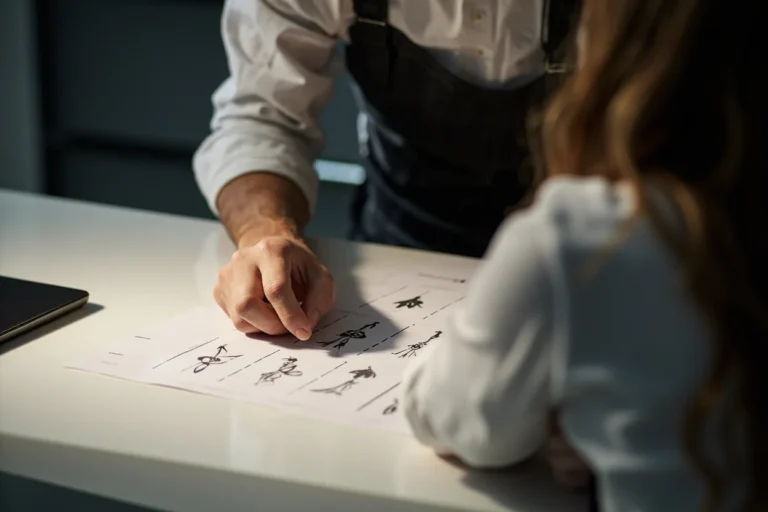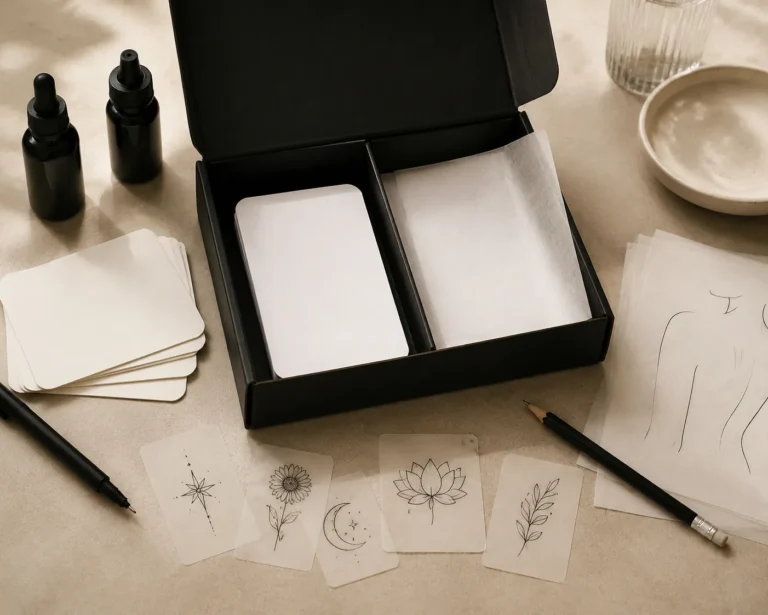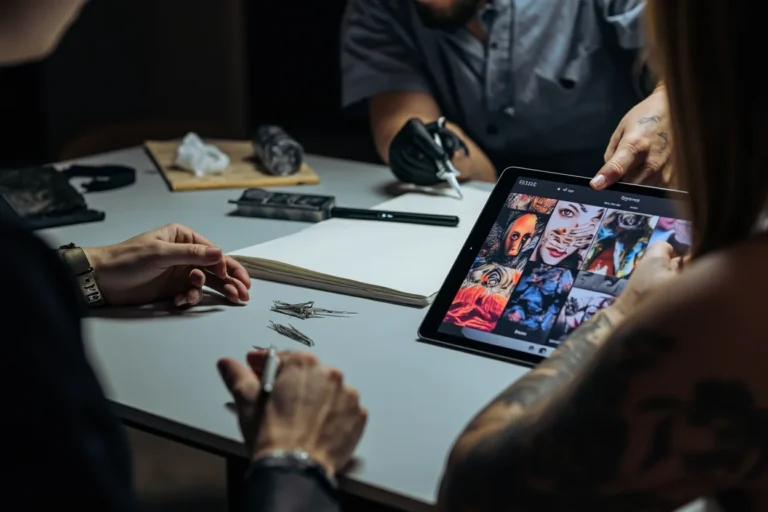
A tattoo cost estimate depends on the artist’s hourly rate, the piece’s size and complexity, and where you’re getting it done. Most quality shops in the US charge $150, $250 per hour, with minimums around $80, $150 even for tiny work. A palm-sized black-and-gray piece might run $200, $400, while a full sleeve can hit $2,000, $5,000+ over multiple sessions. The only way to know for sure is to consult with your artist directly, every shop runs differently, and good ones won’t give you a firm price without seeing your skin and talking through the design.
How Artists Actually Price Their Work
I’ve been on both sides of the counter, and I can tell you: pricing tattoos isn’t some mysterious formula. It’s math mixed with experience, plus a gut check on how much of a pain in the ass your piece will be.
Hourly vs. Flat Rate
Most artists I know charge hourly. It’s straightforward, $150 an hour, three hours of needle time, you owe $450. Simple. Some artists, especially for smaller walk-ins or flash they’ve done a hundred times, will quote a flat rate. “This little snake on your ankle? $120, done in 45 minutes.” Both approaches are legit. Hourly protects the artist when a piece runs long; flat rate gives you certainty. I tell clients to ask upfront which system the shop uses.
Shop Minimums Explained
Every shop has a minimum. Usually $80 to $150. That tiny letter ‘A’ your friend wants behind her ear? Still costs the minimum. Here’s why: setup time, sterilization, new needles, ink caps, barrier film, the artist’s time drawing and stenciling, it all adds up before the machine even buzzes. I’ve tattooed single letters that took 15 minutes and cost $100. The client sometimes balks. I get it. But I also can’t pay my booth rent with fifteen-buck tattoos.
- Hourly rates: $150, $250 typical; $300+ for sought-after artists in major cities
- Shop minimums: $80, $150, non-negotiable
- Flat rates: Common for small flash, simple script, or walk-in-friendly designs
- Day rates: $800, $1,500 for dedicated multi-hour sessions (some artists offer these for large projects)
What Drives the Price Up
Not all tattoos cost the same to execute. Some designs eat time like you wouldn’t believe.
Detail, Color, and Placement
Fine line work with tons of tiny details? Slower. Color saturation, especially packing bright yellows and whites into darker skin? Multiple passes, more time. I’ve done geometric mandalas that looked simple on paper but took four hours because every line had to be perfect. Placement matters too. Ribs, sternum, inner bicep, these spots are harder to stretch and tattoo smoothly. Artists charge for the difficulty, even if it’s built into their hourly rate.
Black-and-gray realism generally ages better and tattoos faster than heavy color illustrative work. Watercolor-style pieces with no outlines? They can look stunning fresh but often need touch-ups, which some artists include and others don’t. Ask.
Artist Reputation and Wait Times
An artist with a two-year waitlist and 200K Instagram followers isn’t charging $150 an hour. They’re charging $300, $400, sometimes $500+. You’re paying for their developed eye, their consistency, the fact that their healed work still looks good five years later. I’ve seen collectors fly across the country for specific artists. That’s not hype, that’s knowing your skin is permanent and wanting the best hand on the machine.
- Simple black script, 3, 4 inches: $150, $300
- Palm-sized black-and-gray piece: $250, $500
- Half sleeve, full color: $1,500, $3,000 over 3, 5 sessions
- Full back piece, detailed realism: $4,000, $10,000+
- Small finger or hand tattoo: Often minimum or slightly above; many artists charge extra for hands due to fading and difficulty
The Hidden Costs Nobody Talks About
Budgeting for the tattoo itself is only half the game. There are other hits to your wallet, and I hate when clients get surprised by them.
Tipping, Touch-Ups, and Aftercare
Tipping your artist is standard. Twenty percent is the baseline in most US shops. I’ve had clients tip $50 on a $200 piece, and I’ve had wealthy clients stiff me. It stings. Factor it in.
Touch-ups are sometimes free within six months to a year; sometimes they’re discounted; sometimes full price. Every shop policy differs. Ask before you book. Aftercare products, quality fragrance-free lotion, maybe a specific balm your artist recommends, run $10, $30. Don’t cheap out here. I’ve watched people ruin solid work with scented Lubriderm because it was what they had.
Travel costs if you’re seeing a specific artist. Parking in cities. Taking time off work for healing if your job is physical. These add up. A rib piece might mean sleeping on your back for two weeks, which sounds free until you’re exhausted and buying a pregnancy pillow to stay positioned.
How to Get an Accurate Estimate
The best estimates come from direct communication. Not DMs with “how much for a sleeve?” and no reference photos. Not asking your friend who got tattooed by someone else three years ago.
What to Bring to Your Consultation
Walk in or email with clear reference images, approximate size in inches, and placement. “I want something like this rose, about 4 inches tall, on my outer thigh.” The artist can then gauge time, complexity, and whether your skin type in that spot will behave. Darker skin tones sometimes need different approaches for certain colors. Older skin stretches differently. These factors affect time and thus cost.
Be honest about your budget. I respect clients who say, “I have $600 for this session, what can we accomplish?” We can scale designs, simplify, or plan multi-session work. What I can’t do is magically make a 6-hour piece fit in 2 hours because that’s what you saved.
- Bring reference images, not just verbal descriptions
- Know your approximate size in inches, not “about this big” hand gestures
- Be upfront about budget constraints, good artists will work with you
- Ask about deposit policies (usually $50, $200, applied to final cost)
- Get the estimate in writing if possible, especially for large projects
Red Flags and Real Talk
If someone’s quoting way below market rate, ask yourself why. I’ve seen $40 tattoos in kitchens that turned into $800 cover-ups. I’ve also seen expensive work that was mediocre, price doesn’t guarantee quality, but rock-bottom pricing almost guarantees corners cut.
Shop culture matters. In my chair, I want you comfortable, informed, not pressured. If an artist rushes your consult, won’t answer pricing questions, or makes you feel dumb for asking, go elsewhere. This is permanent. A few extra dollars or a longer wait for the right person is worth it.
Healing reality: that fresh tattoo looks perfect. At three days it’s flaky and dull. At two weeks it’s peeling like a sunburn. At six weeks you see the real piece. Don’t panic, don’t over-moisturize, and don’t judge your artist’s work until it’s actually healed. We see this a lot, clients freaking out at day four, thinking they ruined it. You probably didn’t. Follow your artist’s aftercare, not some YouTube video.
Key Takeaways
Expect to pay $150, $250 per hour at reputable US shops, with minimums around $80, $150. Small simple tattoos run $150, $400; larger complex work scales into the thousands. Get estimates directly from artists with clear references and size specs. Budget for tips, aftercare, and potential touch-ups. The cheapest option is rarely the smartest, this is on your body forever. Do your research, communicate honestly, and trust the process from buzz to heal.
Frequently Asked Questions
Why do two artists quote totally different prices for the same design?
Every artist works at a different speed, has different overhead costs, and brings different experience levels. One artist might knock out your design in an hour; another might take three for more meticulous work. Their hourly rates and how they value their time also vary widely.
Is it rude to ask about price before booking?
Not at all. Any professional artist expects pricing questions. What’s frustrating is vague requests like “how much for a half sleeve?” with no details. Come with specifics, size, placement, style references, and you’ll get a useful answer.
Do deposits go toward the final tattoo cost?
Yes, typically. Most shops require a deposit, usually $50 to $200, to hold your appointment, and that amount gets deducted from your final session payment. Only book if you’re serious; deposits are rarely refundable for cancellations.
Why did my tattoo cost more than the original estimate?
Estimates are educated guesses based on expected time. If you added details mid-session, your skin was harder to work with than typical, or the design simply took longer, the final price adjusts. Good artists will warn you if you’re approaching your estimate limit.
Related Tattoo Guides
- Finding a Watercolor Tattoo Artist: What to Know
- What to Put on a Healing Tattoo: A Working Artist s Guide
- Costa Rica Tattoo: What to Know Before You Get Inked
- Explore more