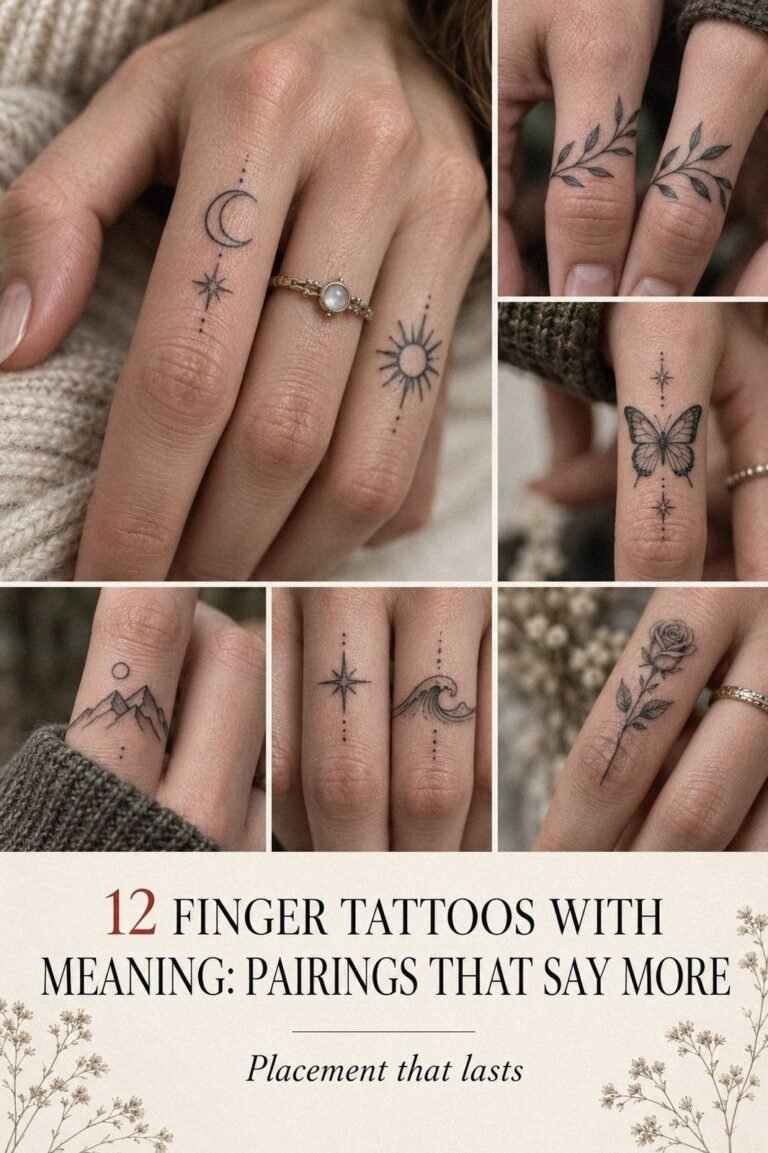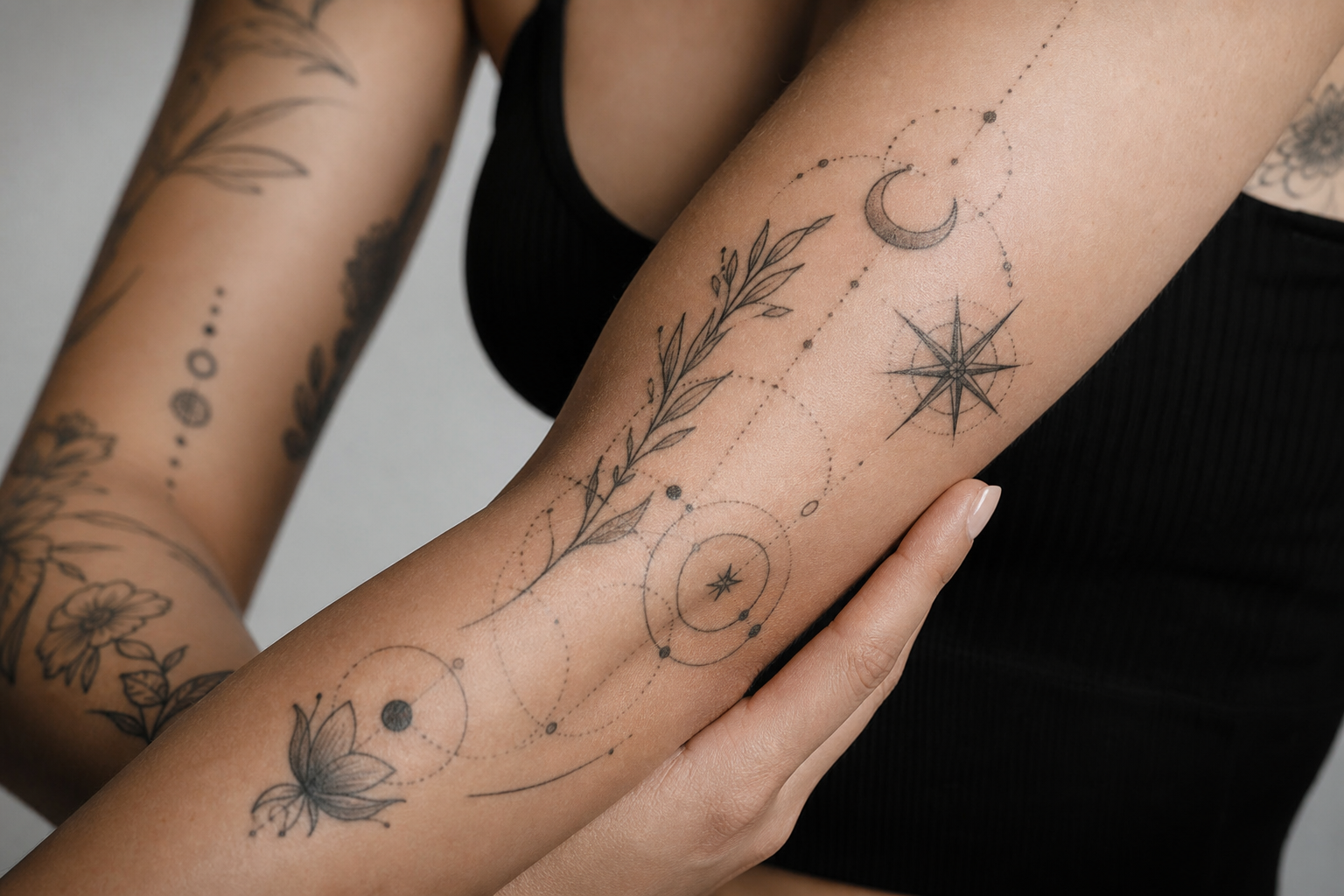
A tattoo symbol is a visual shorthand for identity, belief, memory, or aspiration. Unlike purely decorative ink, symbolic tattoos carry layered meanings that evolve with the wearer, rooted in cultural history, personal narrative, or universal archetypes. The power of these marks lies in their ability to communicate complex ideas without words, making them one of the most enduring forms of human expression.
Symbolism & History
Human beings have marked their skin with meaningful symbols for thousands of years, across every continent and civilization. These marks served as protection, status markers, spiritual devotion, or rites of passage. Understanding where common symbols originate helps modern wearers connect to something larger than themselves.
- The Anchor: Originally a Christian symbol of hope and steadfastness during persecution, it became a maritime emblem of stability and safe return. Sailors popularized it in the 18th and 19th centuries, and it now represents grounding through life’s storms.
- The Lotus Flower: Rooted in ancient Egyptian, Hindu, and Buddhist traditions, it symbolizes purity emerging from murky waters, spiritual awakening, and resilience through adversity.
- The Phoenix: Drawn from Greek mythology and echoed in Chinese and Japanese folklore, this firebird represents rebirth, transformation, and the indestructible spirit that rises from destruction.
- The Triquetra and Celtic Knots: These interwoven patterns from Insular Celtic art represent eternal cycles, the interconnectedness of life, death, and rebirth, or the Christian Trinity in later adaptations.
- The Eye of Horus / Ra: Ancient Egyptian protective symbols representing royal power, health, and vigilance against evil forces.
- The Semicolon: A modern symbol from the 2013 Project Semicolon movement, representing mental health awareness and the choice to continue one’s story rather than end it.
Common Variations & Styles
How a symbol is rendered dramatically shifts its impact and interpretation. Skilled tattoo artists adapt timeless icons to contemporary aesthetics while preserving their core significance.
- Blackwork and Traditional: Bold lines and solid fills give symbols like anchors, swallows, and daggers a vintage, immediately recognizable presence that ages well.
- Fine Line and Minimalist: Delicate renditions of geometric symbols, astrological signs, or single-needle lotus flowers appeal to those seeking subtlety and refined elegance.
- Neo-Traditional and Illustrative: Expanded color palettes and dimensional shading bring new life to phoenixes, wolves, and mythological creatures with painterly depth.
- Sacred Geometry: Mandalas, Metatron’s cubes, and flower of life patterns emphasize mathematical precision and spiritual interconnectedness through intricate linework.
- Japanese Irezumi: Koi fish, dragons, and cherry blossoms follow strict compositional rules, with each element carrying specific symbolic weight regarding perseverance, wisdom, or the transient nature of beauty.
- Biomechanical and Abstract: Gears, circuit patterns, and organic abstractions symbolize humanity’s relationship with technology, evolution, or the hidden machinery of existence.
Best Placements
Symbol placement affects visibility, personal significance, and how the design interacts with the body’s natural contours. Consider how the symbol’s meaning aligns with the location’s cultural and practical associations.
- Forearm and Wrist: Highly visible daily reminders of commitment, recovery, or guiding principles. The semicolon and small geometric symbols thrive here.
- Chest and Over the Heart: Intimate placements for memorial pieces, religious devotion, or representations of core identity and love.
- Back and Between Shoulders: Expansive canvases for large protective symbols like wings, phoenixes, or mandalas that serve as personal armor.
- Behind the Ear and Nape: Discreet locations for whispered symbols, private mantras, or small icons meant for personal rather than public significance.
- Hands and Fingers: Bold statements of identity, though these placements face faster fading and potential professional considerations.
- Ribs and Torso Sides: Painful but deeply personal placements for symbols tied to breath, vulnerability, and transformation.
Who Chooses This Tattoo / Personal Meanings
Symbolic tattoos attract individuals seeking meaning beyond aesthetics. The wearer’s motivation often reveals as much as the symbol itself.
- Survivors and Those in Recovery: Phoenixes, semicolons, and lotus flowers mark personal triumph over addiction, illness, trauma, or suicidal ideation. These tattoos function as permanent testimony to resilience.
- Spiritual Seekers: Religious icons, chakras, mandalas, and Eastern symbols express devotion, meditation practice, or philosophical alignment without institutional affiliation.
- Cultural Reclaimers: Indigenous people, descendants of diasporic communities, and those reconnecting with heritage choose symbols like Celtic knots, Adinkra symbols, or Native American imagery to honor ancestry and resist erasure.
- Commemorators: Dates rendered in Roman numerals, infinity symbols with incorporated names, or personal emblems shared with lost loved ones transform grief into lasting tribute.
- Identity Affirmers: LGBTQ+ symbols, neurodiversity icons, or pride-related imagery declare belonging and visibility in communities that have faced marginalization.
- Minimalists and Intentionalists: Those reducing life to essential values choose single, powerful symbols over elaborate compositions, embodying focus and clarity.
Similar Symbols
Exploring related imagery can refine your choice or create meaningful combinations that deepen your tattoo’s narrative.
- Anchor and Compass: While the anchor emphasizes stability, the compass represents direction and purposeful journey. Together they suggest grounded exploration.
- Phoenix and Ouroboros: Both address cyclical renewal, but the ouroboros (snake consuming its tail) emphasizes infinite recurrence and self-reflexive transformation rather than dramatic rebirth from ashes.
- Lotus and Unalome: The unalome’s spiraling path toward enlightenment pairs naturally with the lotus, mapping the spiritual journey that the lotus embodies.
- Feather and Bird Silhouettes: Feathers suggest lightness, communication with the spiritual world, and freedom; specific bird species add nuance (ravens for mystery, doves for peace, swallows for safe passage).
- Tree of Life and Roots: The tree emphasizes interconnected existence and growth; root-focused designs stress origin, foundation, and hidden strength.
- Moon Phases and Sun: Lunar cycles address change, femininity, and temporal passage; solar imagery brings constancy, vitality, and masculine energy. Combined, they represent wholeness and balance.
Final Thoughts
Choosing a symbolic tattoo demands honest self-reflection. The most powerful ink arises not from trend-chasing but from genuine alignment between image and lived experience. Research your symbol’s origins, respect cultural contexts that aren’t yours to claim, and collaborate with an artist who understands both technical execution and narrative depth. A well-chosen symbol becomes more than decoration; it becomes a compass you carry beneath your skin, orienting you toward who you have been and who you intend to become.