I’ve been putting ink in skin for over a decade, and I can tell you the “top rated” designs clients ask about aren’t always the ones that age gracefully. Every week someone sits in my chair with a Pinterest screenshot and a dream. My job? Steer them toward something that’ll still look like art in ten years, not a blurry regret. Here’s what actually works, where it works best, and the real shop talk behind the designs everyone wants.
Popular Styles That Hold Up
Some styles are popular for good reason. Others are trending because they photograph well fresh and that’s it. I’ve watched too many fine-line florals fade into gray smudges by year three. Let me break down what earns its reputation.
Traditional and Neo-Traditional
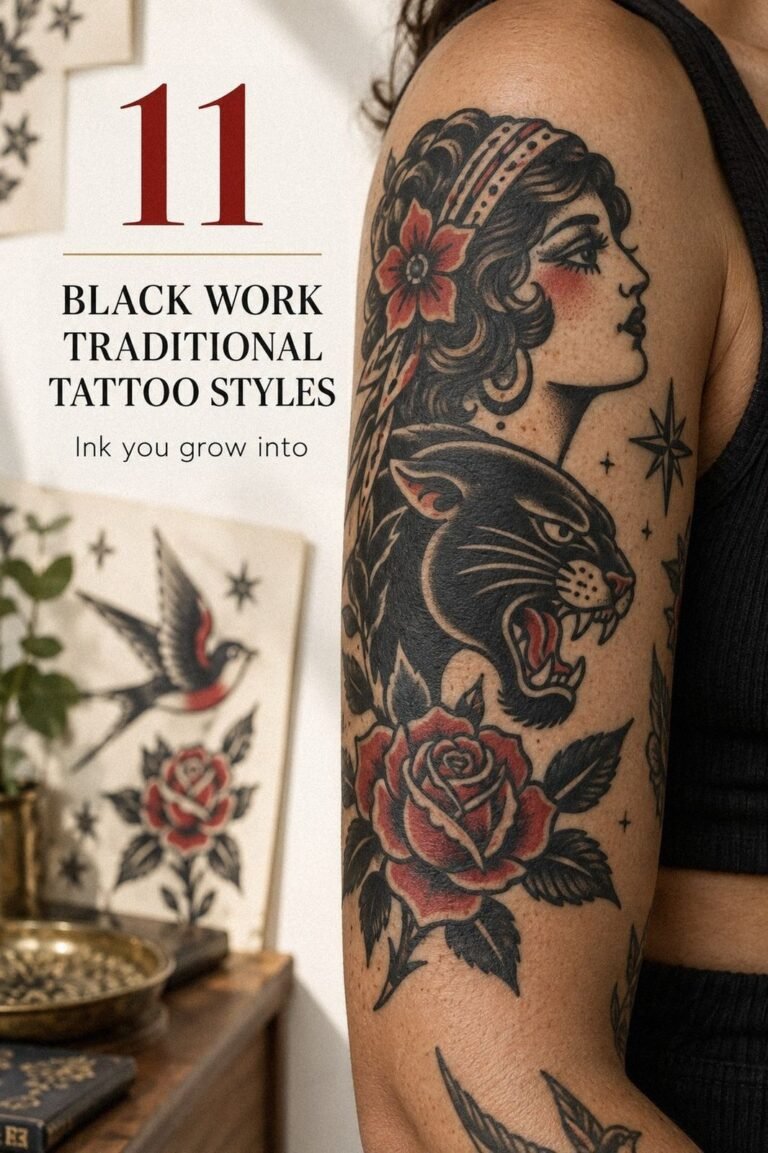
Old school bold. I tell every first-timer: traditional designs are top rated because they work. Thick black outlines, limited color palette, readable from across the room. Sailor Jerry built this style on skin that got sunburned at sea and still held. I’ve got regulars with trad pieces fifteen years old that look better than some six-month fine-line work. The bold lines settle in, the red stays red, the green stays green. It’s not subtle. It’s not supposed to be.
- Roses, anchors, swallows, daggers, the classics endure for a reason
- Neo-traditional adds more detail and softer shading but keeps the strong outline
- Heals fast, ages slow, touch-ups are minimal
Japanese (Irezumi)
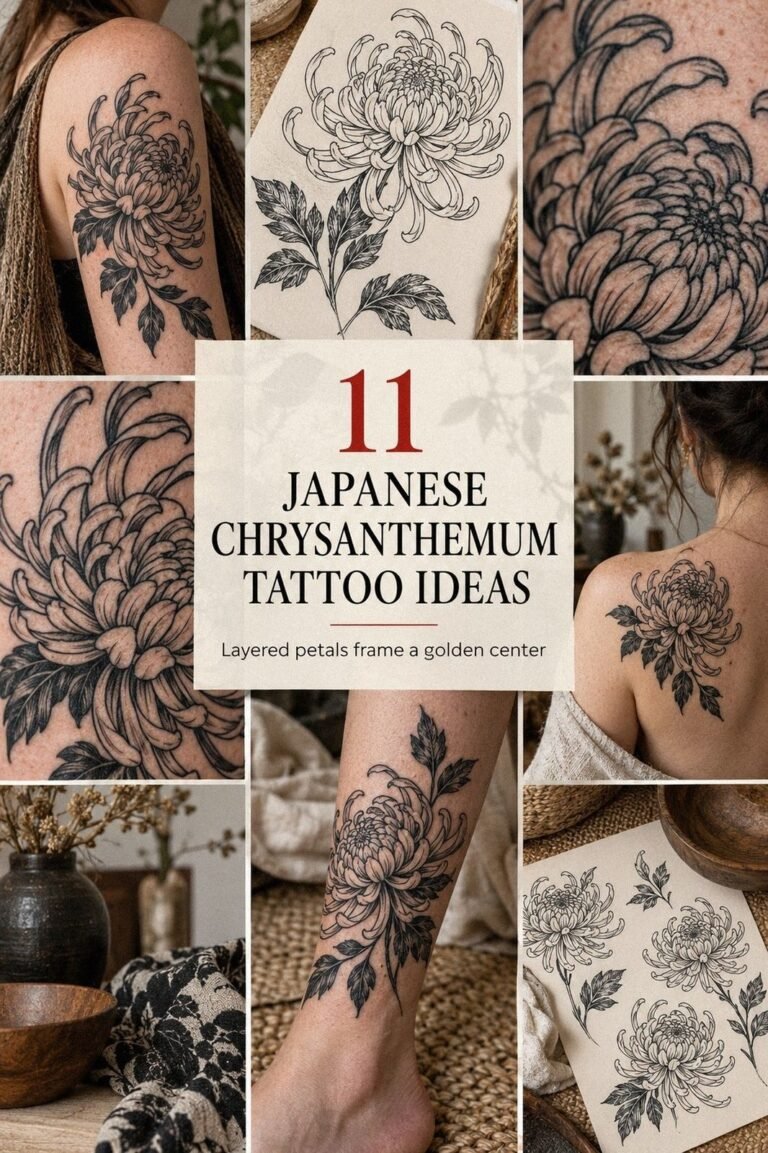
Full sleeves, back pieces, dragons coiling through waves. This style demands commitment and a specialist. The best Japanese work I’ve seen comes from artists who trained specifically in it, the color packing, the background techniques, the storytelling. When done right, it ages like a painting. The gradients in water and sky hold because they’re built on solid black foundations. Clients who go this route rarely regret it. They just wish they’d started sooner.
Design Ideas That Actually Mean Something
Top rated doesn’t always mean most popular. Sometimes it means most personal. The tattoos I remember years later aren’t the flash sheets, they’re the weird, specific stuff that came from real conversations.
Botanical and Nature Work
Botanicals are everywhere right now, but there’s a huge gap between a delicate wildflower cluster and a solid peony that’ll last. I did a client’s grandmother’s rosebush last month, we referenced an actual photo, mapped the growth pattern, built it with weight behind the lines. That’s the difference. Generic Pinterest flowers vs. something rooted in real memory. The latter ages better because the design has structure to begin with.
- Snakes and florals together, classic juxtaposition, strong visual flow
- Animals in motion rather than static poses, they live on the skin
- Custom lettering based on actual handwriting, not a font
Skulls never go out of style either. Done right, they’re not edgy, they’re timeless. I’ve tattooed skulls on doctors, teachers, grandparents. The key is the artist’s interpretation. A good skull has personality, not just anatomy.
Best Placements for Longevity
Where you put it matters as much as what you get. I see this mistake constantly, beautiful design, terrible real estate.
The inner arm, for instance. Soft skin, easy to tattoo, looks amazing day one. But it rubs against your body all day, gets less sun (which actually helps color last), and the ink spreads over time. I’ve had to explain this to clients who want full inner-arm sleeves. We do it, but we adjust, bolder lines, simpler compositions, realistic expectations.
- Upper outer arm and thigh: classic for a reason, stable skin, good sun exposure
- Back and chest: large canvas, holds detail well, easy to protect while healing
- Calves: surprisingly resilient, good for medium-sized pieces
- Hands and fingers: I warn everyone, these fade fast, blur early, need constant maintenance
The ribs? Gorgeous placement. Miserable to sit for. The skin moves differently there, stretches with breath, and after pregnancy or weight change, the design shifts. I always mention this. Some clients still choose it. That’s fine. But they’re choosing informed.
Color Choices: What Lasts vs. What Fades
Black and gray is having a moment, but it never really left. In my shop, we probably do 60% black and gray, 40% color. The ratio shifts depending on the artist, some of us specialize in color packing, others in smooth gray wash.
The Reality of Bright Colors
That neon orange you love? It’s going to mute. Yellows go greenish. Light blues can disappear into skin tones. I show clients healed photos, not fresh ones. Fresh color is a lie, it’s swollen, saturated, lit by ring lights. Healed color is the truth. I keep a binder of my own healed work just for this conversation.
- Black: the only color that truly lasts unchanged
- Dark red and burgundy: stable, readable, ages gracefully
- Deep green and navy: hold better than bright versions
- Pastels and neons: require commitment to touch-ups and sun protection
White ink? I talk people out of it regularly. It yellows, it disappears, it raises and looks like scar tissue. There are exceptions, specific techniques, specific skin types. But generally, white as a highlight only, never as the main event.
Tips for Choosing Your Design
Here’s what I actually say to clients when they’re stuck between three Pinterest boards and a panic attack.
First, bring references but not a blueprint. The best tattoos come from collaboration. I had a client bring in twenty photos of wolf tattoos last month, not because she wanted a wolf, but because she responded to the feeling of them. We talked for an hour. Turned out she wanted a piece about her brother who’d passed, something protective but not literal. We designed a dogwood branch with a hidden silhouette. She cried when she saw it. That’s the goal.
Artist Matching Matters
Not every artist does every style well. I turn down work regularly, watercolor, photorealism, certain script styles. It’s not ego. It’s honesty. I’d rather someone get tattooed by the right person than take money for something I know won’t be my best. Shop culture varies too. Some shops are production lines, others are appointment-only studios where you wait six months. Neither is wrong. Match your expectations to the environment.
- Check healed work, not just fresh Instagram posts
- Ask about touch-up policies before you book
- Consider your lifestyle, sun exposure, work dress code, future plans
- Start with placement, then design, not the reverse
And please, for the love of all things holy, don’t get matching tattoos with someone you’ve been dating for three months. I’ve covered up so many names. We all have. The shop has a unofficial jar, we throw in a dollar every time someone asks for a partner’s name. It funds our Christmas party.
Final Thoughts
Top rated tattoo designs earn that status through decades of proof, not algorithm trends. Traditional Japanese holds up. Bold lines hold up. Personal meaning holds up when the design has structural integrity to support it. I’ve watched styles come and go, tribal armbands, infinity symbols, geometric mandalas, and the work that still looks good in my chair after ten years follows the same rules. Strong foundation, readable at a distance, placed on skin that doesn’t take constant abuse.
Your tattoo is going to outlast your phone, your car, probably several jobs and maybe some relationships. Choose like it matters. Sit with the idea. Find an artist whose healed work makes you feel something. And when you’re in the chair, breathe. The buzz of the machine, the wipe of the green soap, the sting that becomes numb after twenty minutes, that’s the ritual. That’s the part no Pinterest board can show you. The best designs aren’t just top rated. They’re yours.
Frequently Asked Questions
How do I know if a design will look good on my specific skin tone?
Ask your artist to show you healed work on similar skin tones, most of us have portfolios organized this way. Darker skin holds bold lines and saturated color beautifully; the issue is usually artists inexperienced with adjusting contrast, not the skin itself.
Should I tip my tattoo artist, and how much?
Yes, tipping is standard shop culture, 15-20% is typical for good work, more if they designed something custom or worked through a difficult session. We remember clients who tip well, and it absolutely affects how eager we are to fit you in next time.
How long should I wait between getting multiple tattoos?
Let each piece heal fully before tattooing adjacent skin, usually 2-3 weeks minimum. Your body is dealing with trauma; stacking fresh work taxes your immune system and can affect how both pieces settle.
Why do some artists refuse to do certain designs?
Usually it’s about specialization, we know our strengths and want you to have the best possible result. Sometimes it’s ethical, like face tattoos on young clients or gang-related imagery. A refusal often means respect for you and the craft.
More Tattoo Ideas
- WWE Tattoo Ideas That Actually Hold Up
- Hawaii Traditional Tattoos: Complete Style Guide
- Ladies Japanese Tattoos: A Real Shop Guide
- Explore more