When someone walks into my shop asking for a “traditional Indian tattoo,” I always pause. That phrase covers a lot of ground, tribal patterns from the Northeast, intricate mehndi-inspired linework, Hindu devotional imagery, or the hand-poked godna marks of rural communities. I’ve tattooed pieces drawn from all these wells, and each one demands different skills, different needles, different respect. This guide cuts through the Pinterest fog and tells you what actually works on skin, what ages well, and how to avoid the common traps I see clients fall into.
Origins & History
Traditional Indian tattooing isn’t one tradition. It’s dozens, scattered across regions and castes and centuries. In my chair, I’ve had clients from Nagaland explain how their grandparents earned facial tattoos through headhunting raids. I’ve tattooed Rajasthani women who wanted the same floral godna their mothers wore on chins and forearms, though now they want it on a shoulder or ribcage where employment won’t punish them for it.
Tribal and Indigenous Roots
The Apatani, Wancho, and Konyak peoples of the Northeast have some of the most visually striking tattoo traditions. Facial tattoos, thick black bands on torsos, geometric leg pieces. These weren’t decorative in the Western sense. They marked status, bravery, protection from spirits. When I replicate these patterns for clients with that heritage, I use thick liners, 7RL or 9RL minimum, to get the weight right. Thin lines look dainty and wrong. The originals were hand-poked with thorns or bamboo, creating a specific scarred texture. Machine work can’t replicate that, but we can honor the boldness.
Devotional and Spiritual Marking
Religious tattoos in India have their own lineage. Vaishnavite tilak marks, Shaivite tridents, the names of Rama or Krishna inked across forearms. I’ve done Hanuman pieces for clients who wanted the same protection their truck-driver fathers wore. These carry different weight than aesthetic choices. I always ask: do you practice this devotion, or do you just like how it looks? There’s no wrong answer, but the tattoo will read differently to those who know.
Key Characteristics & Motifs
After fifteen years, I can spot a poorly researched “Indian-inspired” piece from across the shop. The motifs have specific grammar. Break it, and the tattoo looks like a tourist souvenir.
- Peacocks: Not just pretty birds. Associated with Kartikeya, with monsoon, with the eye that sees all. In traditional work, they’re rendered with specific tail-feather geometry, teardrop shapes in strict rows, not flowing organic curves.
- Lotus: Eight petals for cosmic harmony, or many more for naturalistic rendering. Know which tradition you’re drawing from.
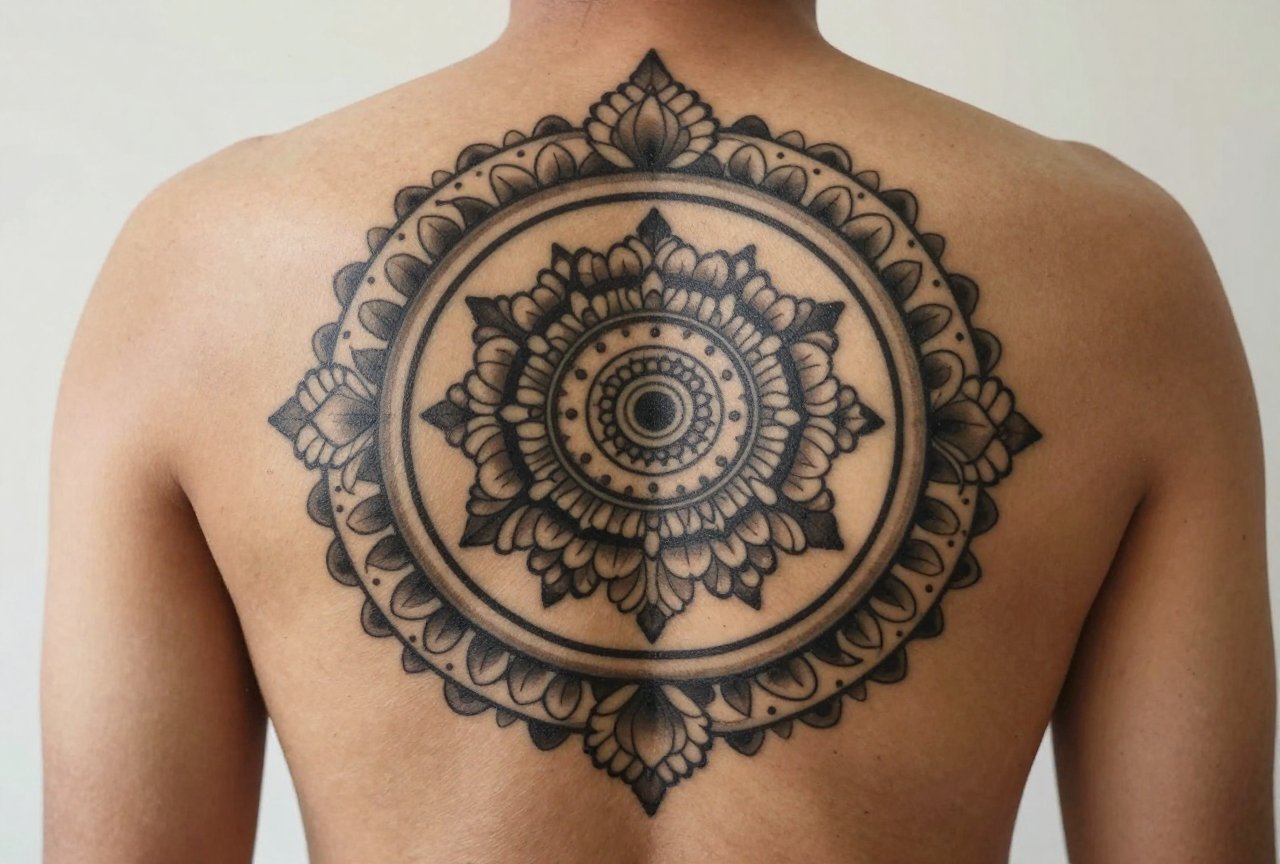
- Mandala geometry: Radial symmetry, precise. I use stencils and dot-work tools. Freehand mandalas look drunk by month two.
- Om/Aum: The Devanagari script matters. I’ve fixed three backwards Oms this year. Artists who don’t read the language should stencil from verified sources, never guess.
- Mehndi-inspired linework: Paisley, floral vines, finger-to-wrist coverage. This translates to skin differently than henna on the surface, ink spreads, fine lines blur.
The best traditional Indian tattoos I’ve done share one quality: restraint. The originals weren’t maximalist. They were functional, symbolic, community-specific. When clients bring me reference boards of twenty different styles mashed together, I push back. Pick one lineage. Commit.
Color vs Black and Grey
This is where shop reality hits. Most historical Indian tattooing was black, soot, charcoal, lampblack. The bold colors we associate with Indian visual culture came from textiles, painting, festival powder. Not skin.
When Black and Grey Works
For tribal patterns, devotional text, mehndi linework: black is correct. It ages cleaner. I’ve watched red henna-style pieces fade to muddy pink in five years. Black holds. The scarification-like quality of heavy blackwork also references the hand-poked originals more honestly.
When Color Makes Sense
Some clients want the full spectrum, saffron, indigo, emerald green. This works for Hindu deity portraits, for phulkari-inspired floral pieces, for contemporary fusion work. But I warn them: yellows and oranges fade fastest. That brilliant saffron becomes pale peach. Blues and greens hold better. I place color strategically, where sun exposure won’t murder it, inner biceps, chest pieces under clothing, upper back.
We see this a lot in my shop: the “five years later” regret. Someone got a full-color Ganesha on their forearm, spent summers at the beach, now the trunk is the same color as the background. Plan for fading. Design for it.
Best Placements
Traditional Indian tattooing had prescribed placements. Forehead marks. Chin tattoos for women. Full sleeves for warriors. Modern clients want these designs but need them employable, hideable, or simply comfortable.
- Forearms and hands: Visible, traditional-adjacent. I tell clients: hand tattoos hurt more, heal harder, and limit job options. The skin there sheds and regenerates faster. Touch-ups are guaranteed.
- Upper arms and shoulders: Classic for tribal bands, deity portraits. Muscle movement adds life to the image. I’ve done dozens of Shiva tridents here, they flex with the deltoid, look alive.
- Back pieces: Ideal for large mandalas, Kali or Durga full-figures. The flat canvas lets geometry breathe. I’ve done a full-back yantra that took twelve hours; the symmetry was only possible because the back doesn’t twist like ribs or stomach.
- Ribs and sternum: Painful. I warn everyone. But for clients who want the intimate, hidden quality that traditional women’s tattoos often had, chin godna concealed by a veil, for instance, this secrecy translates. The pain becomes part of the meaning.
- Ankles and feet: Mehndi-inspired work lives here naturally. But feet heal terribly. Shoes rub. Socks stick. I did a beautiful ankle paisley last year; the client wore boots for work and lost 30% of the detail.
Who It Suits
Not everyone. I say this with love. The bold blackwork of Northeast tribal pieces demands certain skin tones to read properly, on very pale skin, the contrast is harsh; on very dark skin, the black needs to be solid enough to not read as grey. I adjust my ink mixes, my needle depth, my saturation passes.
Cultural connection matters too. I’ve turned down non-Desi clients wanting sacred Hindu imagery as “exotic decoration.” Other artists might take the money. I sleep better this way. That said, I’ve tattooed white clients who married into Indian families, who learned Hindi, who practice the traditions. The tattoo should mean something, not just look like it means something.
Body type affects the work. A mandala on a round belly distorts when sitting. A vertical deity on a tall thin torso looks stretched. I photograph clients from multiple angles, plan for their actual posture, not the flat reference image.
Modern Variations
The fusion scene is where I do my most interesting work lately. Clients want traditional motifs rendered with Japanese background waves, or American traditional bold outlines, or fine-line single-needle detail that didn’t exist historically.
Neo-Traditional Fusion
Thicker outlines, limited color palette, simplified forms. I did a peacock last month with American traditional teardrop shading in the tail, reads as both traditions simultaneously. The client was half-Indian, grew up in Texas, wanted both heritages in one piece. It worked because the motifs were authentic, the fusion was intentional.
Minimalist and Fine-Line
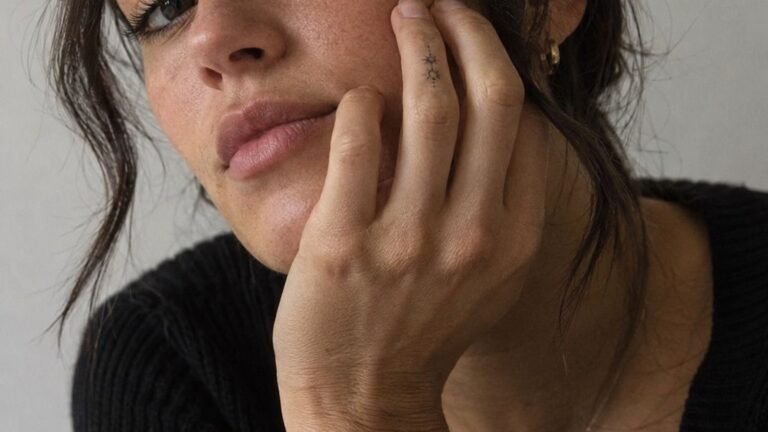
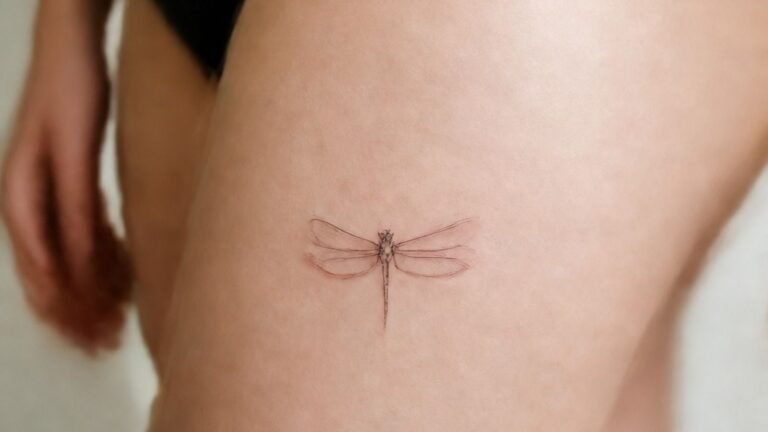
Single-needle Om symbols, tiny lotus behind ears. I warn: this stuff ages badly. The ink spreads. What starts as delicate becomes blobby. I only do fine-line Indian work at larger sizes, or I steer clients toward slightly bolder lines that will hold. A 3RL minimum for anything under two inches. I learned this the hard way, fixing my own early work from 2009.
Choosing an Artist
This is the most important section. I’ve fixed so many botched pieces from artists who saw “Indian” and reached for a generic “tribal” flash sheet.
- Look at their actual portfolio. Not Instagram filters, healed photos, taken in normal light. How does their blackwork hold? Is their linework shaky under magnification?
- Ask about their reference sources. An artist doing Northeast tribal patterns should know which specific tribe, which specific ritual purpose. If they say “just Indian tribal,” walk.
- Script work requires literacy or verified stencils. I’ve seen Sanskrit misspelled, mirrored, or pure gibberish. Ask how they verify. If they say “I just found a cool font,” run.
- Ask about their experience with your skin tone. Honest artists will tell you if they’re out of their depth. I’ve referred clients to colleagues who specialize in darker skin when the piece demands it.
- Shop culture matters. Does the studio feel respectful? I’ve been in shops where artists casually mocked clients’ religious requests. Your tattoo is intimate. The environment should honor that.
I always tell clients: the best tattoo of my career took three consultations before we touched skin. The worst took twenty minutes from walk-in to needle. Respect your body enough to slow down.
Final Thoughts
Traditional Indian tattooing carries weight that Instagram doesn’t teach. The patterns protected, marked, shamed, celebrated. They connected people to ancestors, to gods, to village identity. When we translate that to modern skin, we’re not just making pretty pictures. We’re continuing something, or we’re borrowing something, and the difference shows in the result.
I’ve tattooed a Konyak facial pattern on a grandson’s chest, where his grandmother’s had been on her face. She was the last generation to receive it; he was the first to choose it freely. The lines were the same. The meaning shifted. That’s what this work is, preservation through transformation, not replication.
Get it right. Research deeply. Sit with the discomfort of not belonging to every tradition you find beautiful. Find the one that belongs to you, or that you belong to. Then find an artist who understands what heavy black means, what needle depth does on different skin, what “healed and settled” actually looks like. The tattoo will outlast the pain, the Instagram post, the shop visit. Make it worth keeping.
Frequently Asked Questions
How long does a traditional Indian mandala tattoo take?
A palm-sized mandala runs 3-4 hours for clean linework. Larger back pieces with dotwork shading can hit 8-12 hours across multiple sessions. I always break big mandalas into sittings, your skin swells, and precision suffers after hour four.
Will a Hindu deity tattoo be disrespectful if I’m not religious?
Some practicing Hindus find it disrespectful; others don’t. I ask clients to research the specific deity’s traditions and consider placement, feet or lower legs are considered impure in Hindu practice, so avoid those for sacred figures.
How do I keep the fine lines in a mehndi-style tattoo from blurring?
You mostly can’t, completely. I design with blur in mind, slightly bolder lines than the reference, more spacing between elements than looks necessary fresh. Avoid sun, moisturize religiously, and expect a touch-up at year three.
Can white ink work for traditional Indian designs on dark skin?
White ink on dark skin typically heals to a subtle scar-like tone, not bright white. I use it for highlight accents within blackwork, not as primary design elements. For bold contrast on melanin-rich skin, saturated black negative space reads stronger than white ink ever will.
Related Style Guides
- Traditional Military Tattoos: Complete Style Guide
- Beautiful Tattoo Ideas That Actually Work
- Creative Tattoo Designs That Actually Work
- Explore more