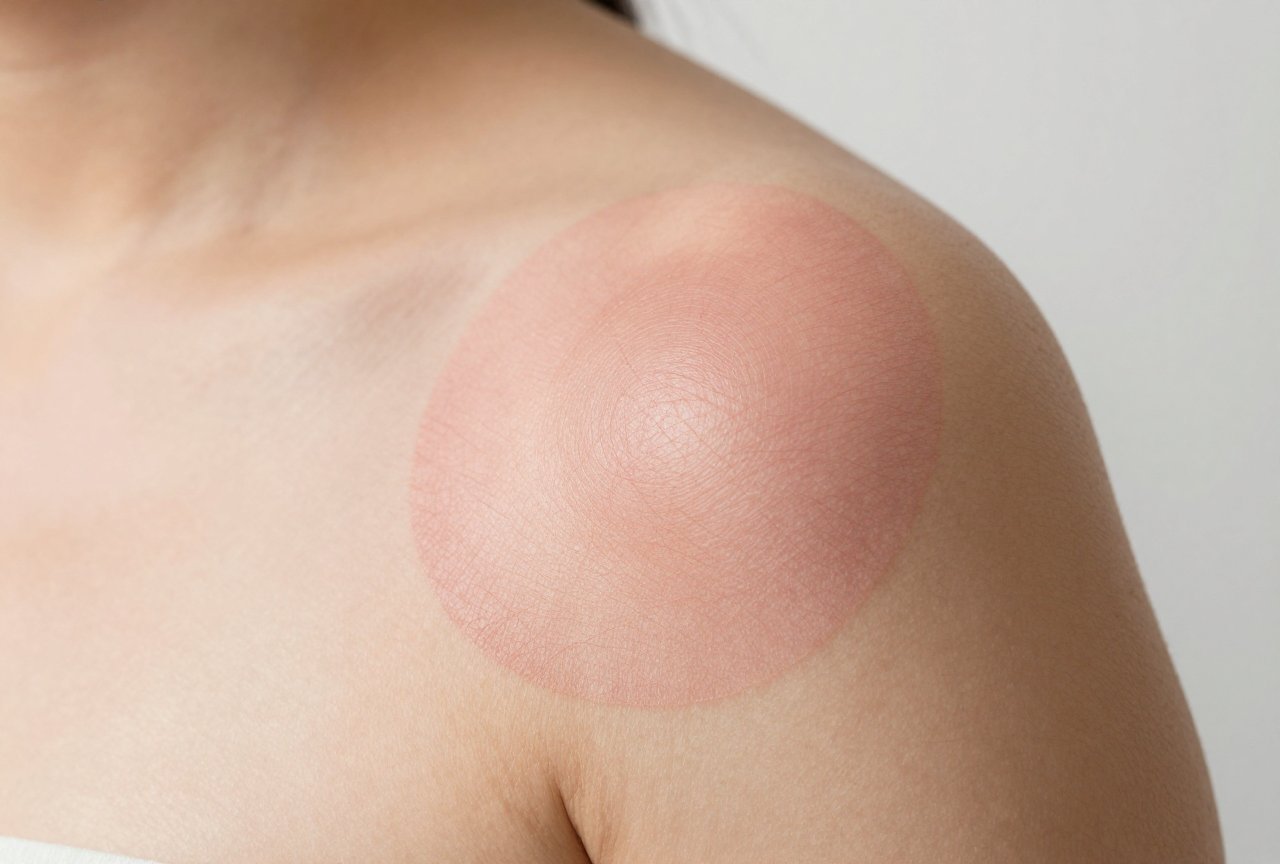
If your fresh tattoo is looking angry, hot, swollen, oozing something that isn’t just clear plasma, or the redness is spreading past the inked lines, you might be dealing with an infection. I’m going to walk you through what you can actually do at home, what I’ve seen work and fail in real shops, and the hard line where you stop messing around and get to a doctor. This isn’t medical advice; it’s practical guidance from someone who’s watched thousands of tattoos heal, including the ones that went sideways.
How to Tell Infection from Normal Healing
First, breathe. A lot of what freaks people out is just normal healing. I’ve had clients rush back to the shop in a panic because their tattoo was “leaking” on day three. That’s usually just plasma and ink sloughing off, totally normal, if kinda gross.
Signs of Normal Healing
Expect some redness, tightness, mild warmth, and clear or slightly milky fluid for the first few days. Scabbing and peeling around day four to seven is standard. The skin will feel like a sunburn. I’ve tattooed enough rib pieces to know that some spots just hurt more and look more irritated than others, thin skin over bone flares up visually even when it’s fine.
- Redness that stays localized to the tattooed area and fades after 3-5 days
- Clear or slightly yellow plasma weeping
- Mild, dull warmth that doesn’t intensify
- Itching that peaks around day seven
Red Flags That Scream Infection
Here’s where I get serious with clients in my chair. If you see any of these, home care might not cut it:
- Redness spreading outward in streaks or well beyond the tattoo border
- Thick yellow, green, or brown pus with a foul smell
- Skin that’s hot to the touch and getting hotter, not cooler
- Swelling that keeps building after day three
- Fever, chills, or feeling generally unwell
- Red streaks traveling up a limb (lymphangitis, doctor, now)
I had a guy come in once with a forearm piece that looked like he’d dipped it in nacho cheese. He’d been slathering it with triple antibiotic ointment for a week, trapping moisture against angry skin. That’s not healing, that’s a petri dish. We sent him straight to urgent care.
Immediate Home Care Steps
So you’ve got a tattoo that’s infected but not hospital-level yet. Here’s what I tell clients when they text me panicked photos at 10 PM.
Clean It Properly
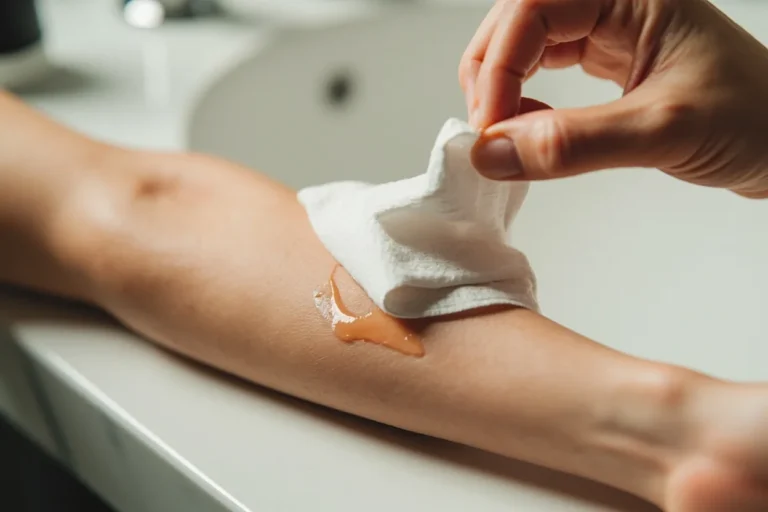
Wash your hands first. Every time. I don’t care if you just did it two minutes ago. Then gently clean the tattoo with mild, fragrance-free soap and lukewarm water. No scrubbing. No washcloth. Just your clean fingertips, light circular motions, rinse thoroughly. Pat dry with a clean paper towel, cloth towels harbor bacteria, and your fancy bathroom hand towel has seen things.
Do this two to three times daily. More isn’t better. Over-washing strips natural barriers and pisses off already-irritated skin.
Let It Breathe (Strategically)
Here’s where a lot of people blow it. They either seal it under plastic wrap like they’re storing leftover lasagna, or they let it crust over dry. Both are wrong.
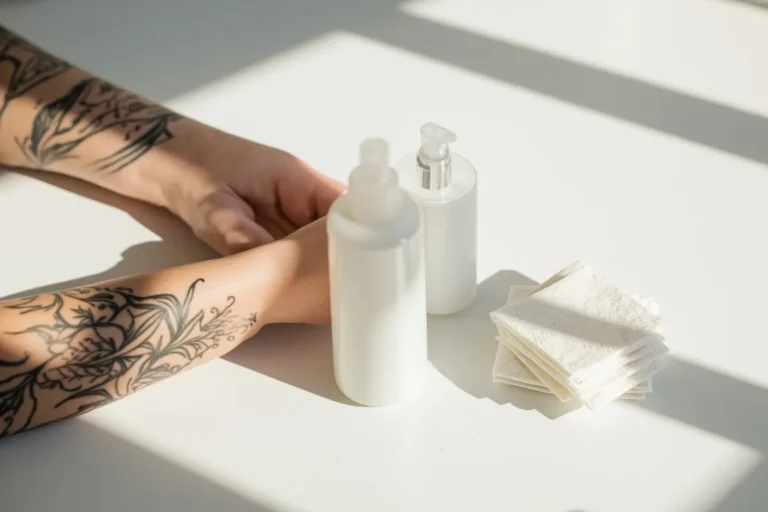
After cleaning, apply a thin layer of plain, fragrance-free moisturizer. I recommend something simple like Lubriderm or Curel, nothing with petroleum jelly, which can suffocate infected skin. Some artists swear by Aquaphor for normal healing, but for potential infection, lighter is better. You want the skin to stay supple without trapping heat and bacteria.
Keep it uncovered when you’re home in a clean environment. Cover with loose, breathable cotton only if you’re going out somewhere grimy or sleeping on questionable sheets.
What to Avoid Like the Plague
I’ve seen clients do some wild stuff to their healing tattoos. The shop stories could fill a book. Here’s what absolutely does not work and often makes things worse.
- Neosporin or triple antibiotic ointments: These cause contact dermatitis in a chunk of the population. I see more rashes from this than actual infections. The petroleum base also traps moisture.
- Alcohol or hydrogen peroxide: Kills bacteria, sure. Also kills new skin cells trying to form. You’ll set healing back days.
- Tea tree oil, coconut oil, essential oils: “Natural” doesn’t mean safe for broken skin. I’ve seen chemical burns from undiluted tea tree oil on fresh tattoos.
- Scratching or picking: I know it itches. I know the scab looks like it wants to come off. Don’t. Picking drives bacteria deeper and scars the ink.
- Soaking: No baths, no hot tubs, no swimming pools. Quick showers only until this resolves. I don’t care how much you paid for that resort pass.
One client tried to “draw out the infection” with a warm salt paste. She ended up with a second-degree chemical burn layered on top of her infection. Just don’t get creative.
When to Stop Messing Around and See a Doctor
I’m a tattoo artist. Not a nurse, not a doctor, not your mom. There are lines I won’t cross in advice, and you shouldn’t either in self-treatment.
The Non-Negotiables
Get professional medical care if you have: fever over 100.4°F, spreading red streaks, rapidly worsening swelling, pus that keeps coming back after cleaning, symptoms that aren’t improving after 48 hours of proper home care, or if you have diabetes, immune suppression, or any condition that already complicates healing. I’ve sent clients to the ER for sepsis symptoms from what started as a “minor” infection. Better an embarrassing urgent care visit than an IV antibiotic drip.
What Doctors Actually Do
They’ll likely culture the drainage to identify the bacteria, prescribe oral antibiotics for common culprits like Staph or Strep, and in bad cases, drain abscesses. Don’t expect them to save your tattoo, that’s secondary to saving your limb. Sometimes infected ink has to be sacrificed. I’ve had to do touch-ups on patches where infection destroyed the pigment. It happens. Health first, art second.
Preventing Infection From Day One
The best treatment is not needing one. Here’s what actually works in real shop practice, not Instagram aftercare infographics.
Choose your artist carefully. I don’t mean scroll their feed, mean ask about their setup. Autoclave sterilization, single-use needles opened in front of you, barrier film on everything, gloves changed between steps. I’ve worked in shops where corners got cut, and guess which ones had infection callbacks.
Follow your specific artist’s aftercare. We vary. Some of us wrap in second-skin film for 3-5 days; others go old-school dry healing. The method matches our technique and your placement. Don’t mix protocols from three different Reddit threads.
Keep it clean, keep it lightly moisturized, keep your dirty fingers off it. I see more infections from people “checking” their tattoo every twenty minutes than from the actual tattoo process. Your immune system is doing work. Don’t interrupt it.
And for god’s sake, don’t let your friends, pets, or romantic partners touch a healing tattoo. I’ve had to explain why a fresh thigh piece shouldn’t be a makeout spot. The bacteria in a human mouth are not compatible with open skin.
Key Takeaways
Know the difference between normal healing drama and actual infection, redness that spreads, worsening heat, colored pus, and systemic symptoms mean escalation. Clean gently with mild soap, moisturize lightly with fragrance-free lotion, and let the skin breathe. Avoid antibiotic ointments, alcohol, essential oils, and soaking. If it’s not improving in 48 hours or you’re feverish, see a doctor without ego. Prevention beats treatment every time: choose a scrupulous artist, follow their specific aftercare, and keep the area untouched by dirty hands, mouths, and questionable environments. Your tattoo will heal. Most do. But knowing when to step back and let medical professionals take over? That’s the mark of someone who actually cares about their ink long-term.
Frequently Asked Questions
Can I put ice on an infected tattoo to reduce swelling?
Cold compresses wrapped in a clean cloth can help with swelling for short periods, but don’t apply ice directly to broken skin. It won’t treat the infection itself, just buy you some comfort while you monitor whether you need medical care.
Will an infection ruin my tattoo permanently?
Sometimes. Mild infections that clear quickly often leave the ink intact, but deeper or prolonged infections can cause scarring and patchy pigment loss. I’ve done plenty of touch-ups after infections healed, it’s usually fixable, but not always perfectly.
How long should I try home treatment before seeing a doctor?
Give proper cleaning and light moisturizing 24 to 48 hours. If symptoms aren’t clearly improving, or if they’re worsening at any point, don’t wait. Infections can escalate fast, and early antibiotics work better than late ones.
Is my tattoo more likely to get infected if it’s on my foot or leg?
Yeah, unfortunately. Lower extremities heal slower due to circulation, and feet live in shoes, dark, warm, moist environments. I see more healing complications on feet, ankles, and shins than on upper body placements. Extra vigilance with aftercare pays off there.
Related Tattoo Guides
- Is Laser Tattoo Removal Dangerous? A Real Tattoo Artist s Guide
- Costa Rica Tattoo: What to Know Before You Get Inked
- How Bad Does Tattoo Removal Hurt? A Real Shop Guide
- Explore more