It hurts worse than getting the tattoo, but not as bad as you’re probably imagining. Most of my clients describe laser removal as a hot rubber band snapping against sunburned skin, sharp, fast, and deeply annoying rather than the kind of pain that makes you want to scream. Sessions are short, usually under ten minutes for a palm-sized piece, which helps. The real challenge isn’t the zap itself; it’s the cumulative soreness over multiple sessions and the psychological grind of watching ink fade slower than you’d like. I’ve tattooed for fifteen years and sat in the removal chair myself for an old knuckle piece, so I’m speaking from both sides of the needle here.
What the Pain Actually Feels Like
People want comparisons. Here’s the honest breakdown I give clients who ask me in the shop.
The Sensation During Treatment
The laser fires in pulses. Each pulse feels like someone flicking you hard with a heated rubber band, or bacon grease popping onto your forearm. The heat builds. On bony areas, wrists, ankles, collarbones, you feel it in your teeth. On fleshy spots like the upper arm or thigh, it’s more surface-level. The machine makes a loud snapping sound, which startles people more than they expect. I’ve had clients flinch so hard they nearly kick the technician. The smell of vaporized ink is weirdly specific, like burnt hair and ozone. You get used to it, or you don’t.
Immediate Aftermath: The First Hour
Right after, the skin looks frosted white, literally, like a thin layer of frost. This is the laser breaking ink particles into steam, and it fades within twenty minutes. Underneath, the area throbs. It’s the deep ache of a bad bruise forming in real time. Your technician will ice it, which helps. I’ve driven myself home after removal sessions gripping the steering wheel, breathing through it, cursing my younger self for thinking that tribal armband was a good idea.
- Sharp snapping pain during pulses: 5-8 out of 10 for most people
- Deep throbbing after: 3-6 out of 10, lasting 1-3 hours
- Surface tenderness: 2-4 out of 10 for 2-7 days
- Itching during healing: often worse than the pain itself
What Makes It Hurt More or Less
Not all removal is equal. I’ve watched clients breeze through one session and leave another shaking.
Placement and Body Factors
Bone hurts more than muscle. Skin over ribs, ankles, fingers, and collarbones has less padding, so the laser energy dissipates differently. Color matters too. Black ink absorbs all laser wavelengths and shatters easiest. Greens and blues fight back. I’ve seen technicians crank the energy higher for stubborn colors, and that extra intensity you feel immediately. Older tattoos hurt less because the ink has already degraded some. Fresh, dense blackwork? That’s a rough ride. Your personal pain tolerance is real but unpredictable, I’ve had Marines tap out and quiet librarians sit stone-faced.
Machine and Technician Variables
Picosecond lasers hurt less than older nanosecond machines because they shatter ink with shorter, more intense pulses. Better results, less cumulative heat damage to surrounding skin. A skilled technician reads your skin’s reaction in real time and adjusts. A rushed or inexperienced one can leave you with unnecessary blistering, which extends pain and healing time. Ask what machine they use. In my shop, we refer out to a specialist with a PicoSure, we don’t pretend our tattoo equipment doubles as removal gear.
How Many Sessions and the Cumulative Grind
Most tattoos need 8-12 sessions, spaced 6-8 weeks apart. That’s a year or more of this. The pain doesn’t escalate with each session, but the mental weight does. You’re paying money, taking time, enduring discomfort, and the tattoo fades so gradually you barely see progress. I tell clients to photograph the area every session. Your brain smooths out the memory of how dark it was.
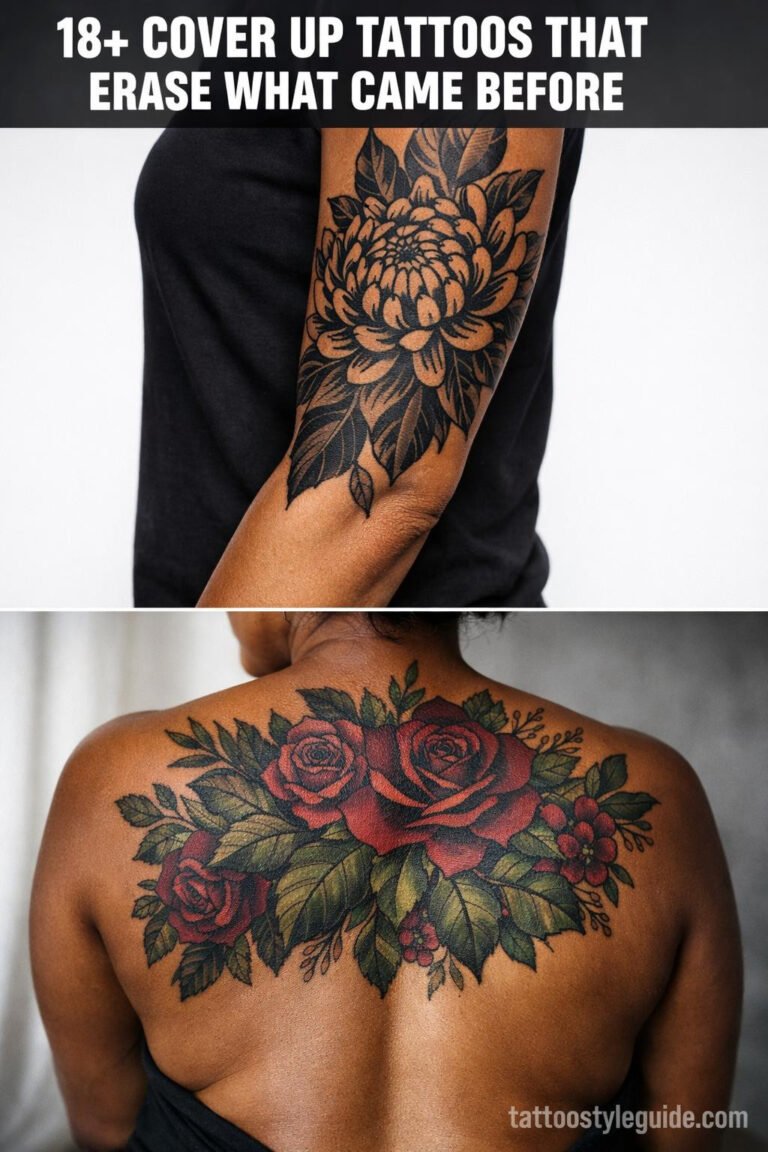
Some areas clear faster. A small black line tattoo on your shoulder might need 6 sessions. A saturated color sleeve? You’re looking at 15+, and complete removal might not happen. The body can only flush so much ink through the lymphatic system. We see this a lot, clients who want a coverup instead of full removal once they understand the timeline and cost.
Numbing Options: What Works and What Doesn’t
Topical Creams
Over-the-counter lidocaine creams help slightly. Prescription-strength BLT cream (benzocaine, lidocaine, tetracaine) works better if applied thick under occlusion for 45+ minutes before. Most reputable removal shops offer this or require you to come in early for application. It takes the edge off, maybe drops the pain from a 7 to a 5. It doesn’t eliminate it. The laser penetrates deeper than the cream reaches.
Injected Numbing and Cooling
Some medical clinics offer injected local anesthetic. This works but swells the tissue, making laser targeting harder and potentially increasing sessions needed. Cold air machines that blast the skin during treatment are more common now, effective, no side effects, and I’ve heard clients say it’s the difference between finishing a session and tapping out. Ask what’s available. Don’t be embarrassed to ask. I’ve seen grown men cry in the chair and come back for session four. Determination, not toughness, gets you through.
Healing Reality: The Days After
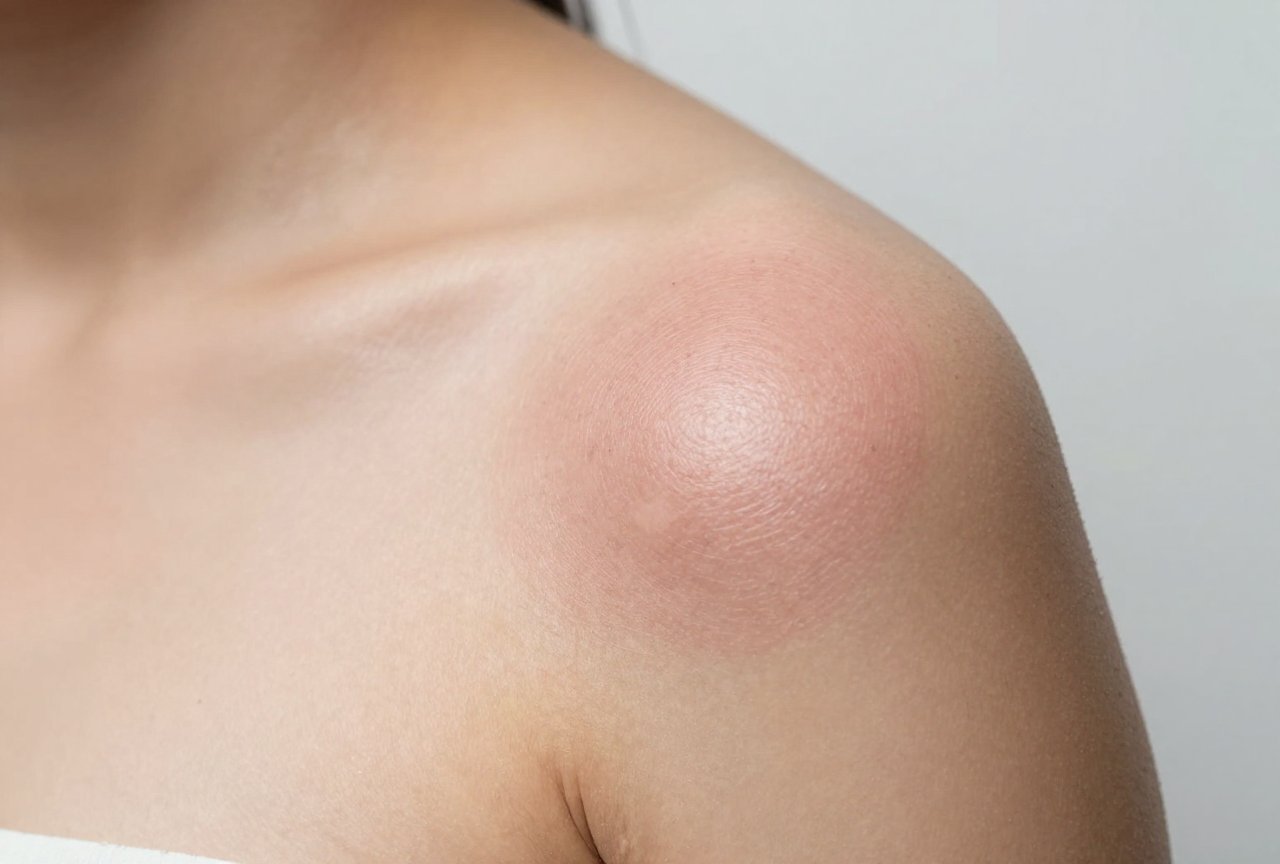
The pain doesn’t end when you stand up. For 48-72 hours, the area feels like a bad sunburn. Tight clothes hurt. Sleeping on it hurts. Then it blisters or scabs, small ones, usually, but I’ve seen palm-sized blisters on aggressive treatments. Don’t pop them. The fluid inside is sterile and protective; breaking the skin invites infection and scarring. I’ve had clients ignore this, pick at scabs, and end up with permanent texture changes where smooth skin should be.
- Keep it clean and dry for 24 hours, then gentle washing
- Blister fluid usually reabsorbs in 3-5 days
- Scabs fall off in 1-2 weeks, let them
- Itching peaks around day 5-10; pat, don’t scratch
- Redness can linger for weeks; this is normal, not necessarily infection
Stay out of the sun on healing skin. Freshly lasered skin hyperpigments easily. I’ve watched a client’s removal progress get set back months because they went to the beach between sessions. The tan or burn creates new pigment that the laser then targets, causing more damage. Your technician should repeat this until you’re annoyed by hearing it.
Cost Context: Why the Pain Matters Less Than the Wallet
Removal runs roughly $200-$500 per session depending on size and market. A full removal can cost thousands. Most people don’t budget for this when they’re getting tattooed cheap in someone’s kitchen. I say this without judgment, I’ve covered plenty of basement tattoos, but the financial sting often outlasts the physical one. Financing plans exist. Some shops offer package discounts. Don’t bargain hunt on removal. A burned scar is permanent. Faded ink you can live with or cover.
Key Takeaways
Tattoo removal hurts more than getting tattooed but less than most people fear. The pain is sharp and hot during sessions, throbbing after, and manageable with ice, numbing options, and the fact that sessions are brief. Placement, ink color, laser type, and your technician’s skill all shift the experience. The real challenge is the long timeline, months to years of repeated sessions, and the discipline to protect healing skin between them. Go to a dedicated removal specialist with modern equipment. Take photos to track progress. Be patient with your body and honest with yourself about whether full removal or a coverup better serves what you actually want.
Frequently Asked Questions
Can I get a new tattoo over the removal area once it’s faded?
Yes, but wait until the skin is fully healed, usually 6 months minimum after your final session. The texture and pigment need to settle so your new artist can work with predictable, healthy skin.
Why does my tattoo look worse before it looks better?
The laser breaks ink into smaller particles that your body then clears. Sometimes the shattered ink temporarily darkens or spreads slightly before the lymphatic system flushes it. This is normal and why sessions are spaced weeks apart.
Does drinking water actually help removal work faster?
Staying hydrated supports your lymphatic system, which carries away the ink particles. It won’t halve your sessions, but chronically dehydrated clients do seem to heal slower and clear less efficiently between treatments.
Can I work out right after a removal session?
Wait 48 hours minimum. Sweat, friction, and increased blood flow irritate freshly lasered skin and can worsen blistering. I’ve had clients ignore this and end up with extended healing times they regret.
Related Tattoo Guides
- How Long to Keep Plastic Wrap on a New Tattoo
- How Long to Keep a New Tattoo Out of the Sun
- How Long to Leave Tegaderm on a New Tattoo: Artist s Guide
- Explore more