Simplistic tattoos look easy until you see one heal fuzzy, drift on a high-wear spot, or turn so tiny you can barely read it. I see that mistake a lot. If you want minimal tattoos that stay clean, you need the right size, the right lineweight, and the right skin. Start with first tattoo ideas if you want the fast version.
Before You Start: The Clean-Heal Checklist
Before you book anything, get your basics straight. Simplistic tattoos are usually small, but small does not mean careless. You still need a realistic budget, a placement that won’t get chewed up, and an artist whose healed work proves they can pull fine line clean in one pass.
Here is the quick table I give first-timers when they are choosing small meaningful tattoos. It keeps you out of the weeds and puts the big decisions in order.
If you are still comparing placements, read where tattoos hurt less before you send a deposit. If longevity is your main fear, that guide will save you from picking a tiny design your skin can’t hold. It is a smart gut check before you spend money in the wrong spot.
- Start With A Tiny Simplistic Tattoo Symbol
- Pick Clean Linework For Crisp Healing
- Place Simplistic Tattoos On Inner Wrist Skin
- Diptyque-Level Restraint For Hidden Ink
- Plan A Fine Line Birth Flower
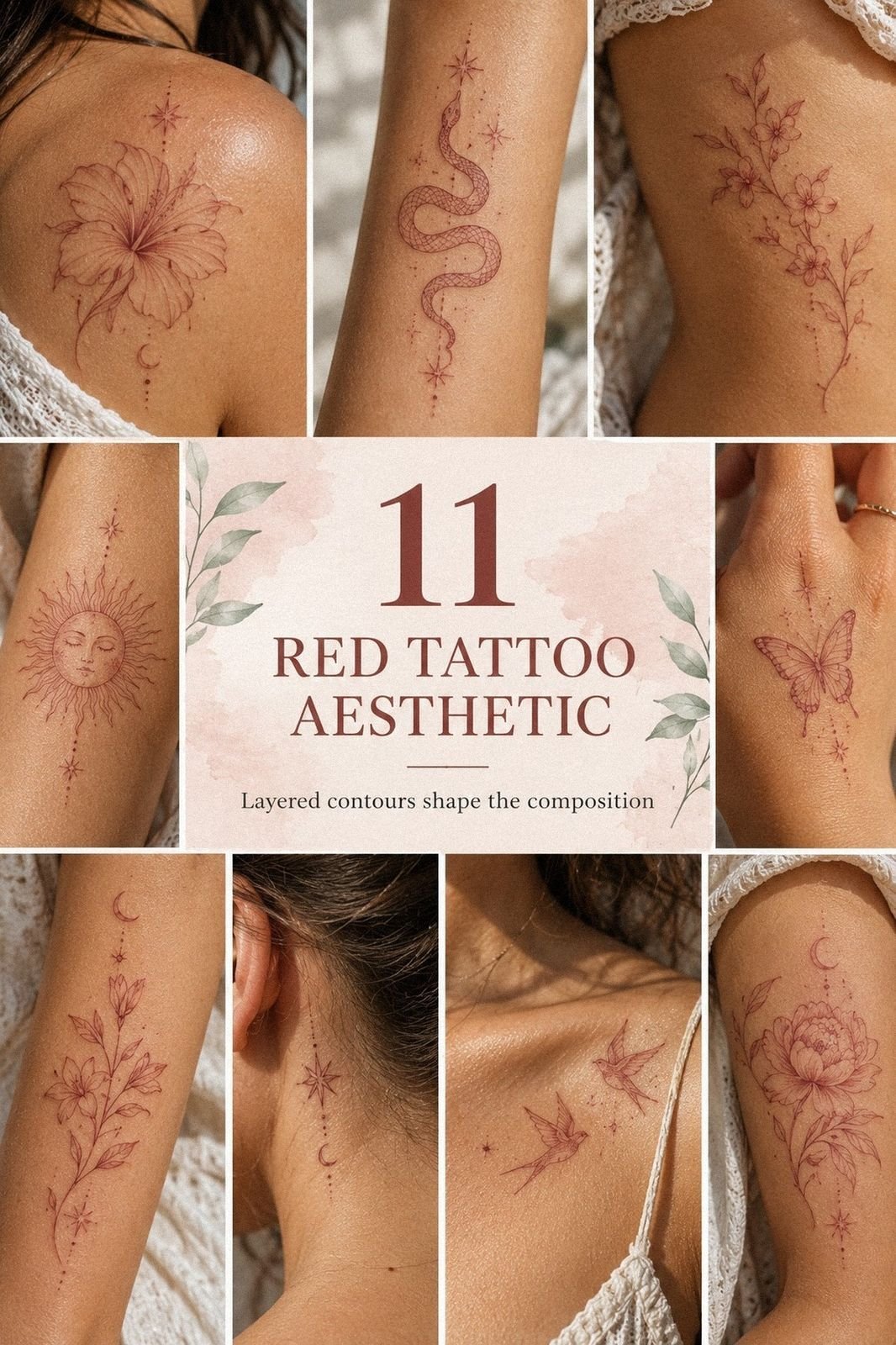
- Black Ink Or Red Ink For Minimal Shapes?
- Pick A Discreet Ankle Tattoo Placement
- Why Does Tiny Script Fail On Collarbone Skin?
- Keep Meaningful Symbols Easy To Read
- Match The Meaning, Not The Exact Placement
- Pick A Single Needle Heart Outline
- Place Micro Moon Ink Behind The Ear
- Keep Shading Light For Clean Aging
- Old School Flash Or Modern Fine Line On Forearm?
1Start With A Tiny Simplistic Tattoo Symbol
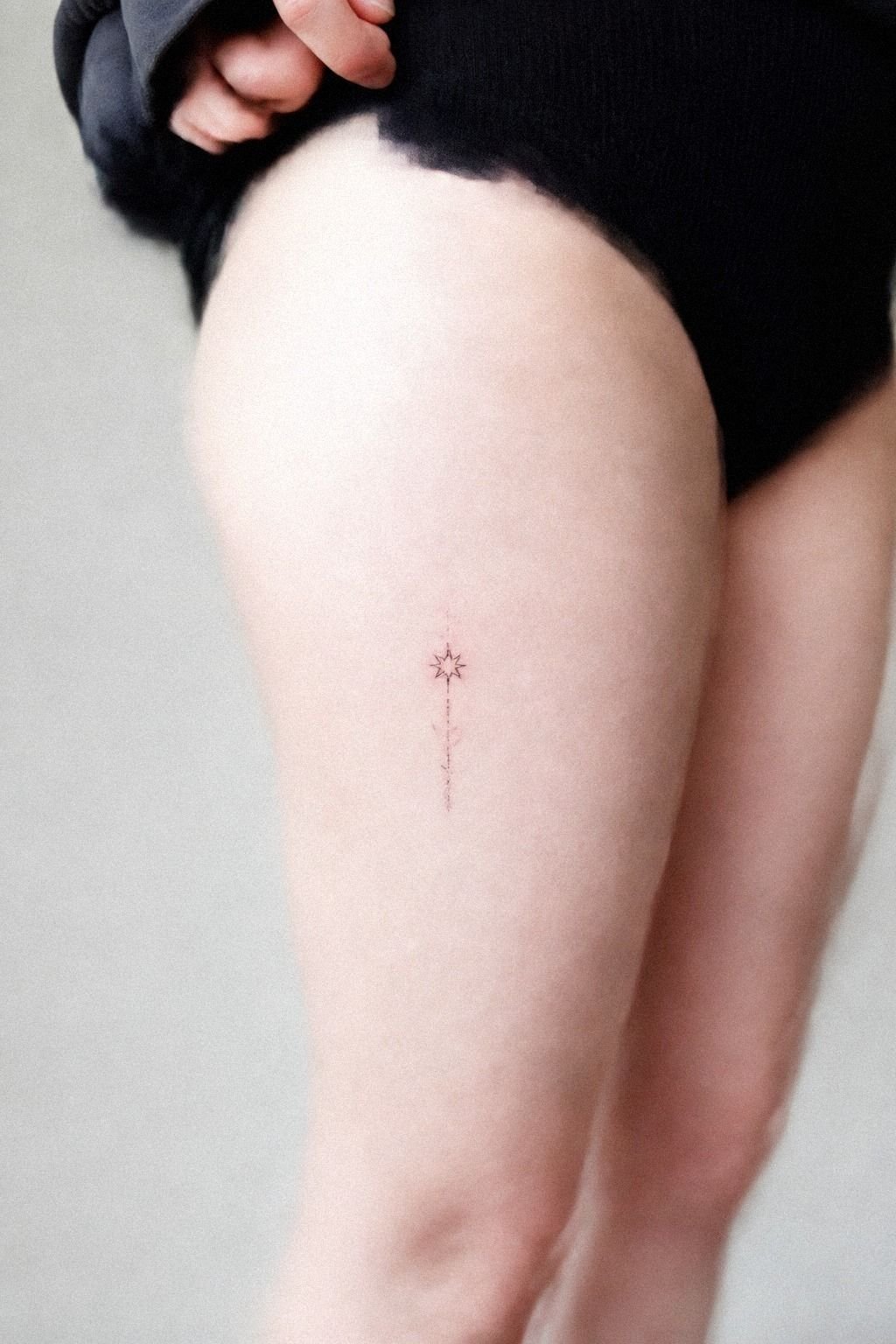
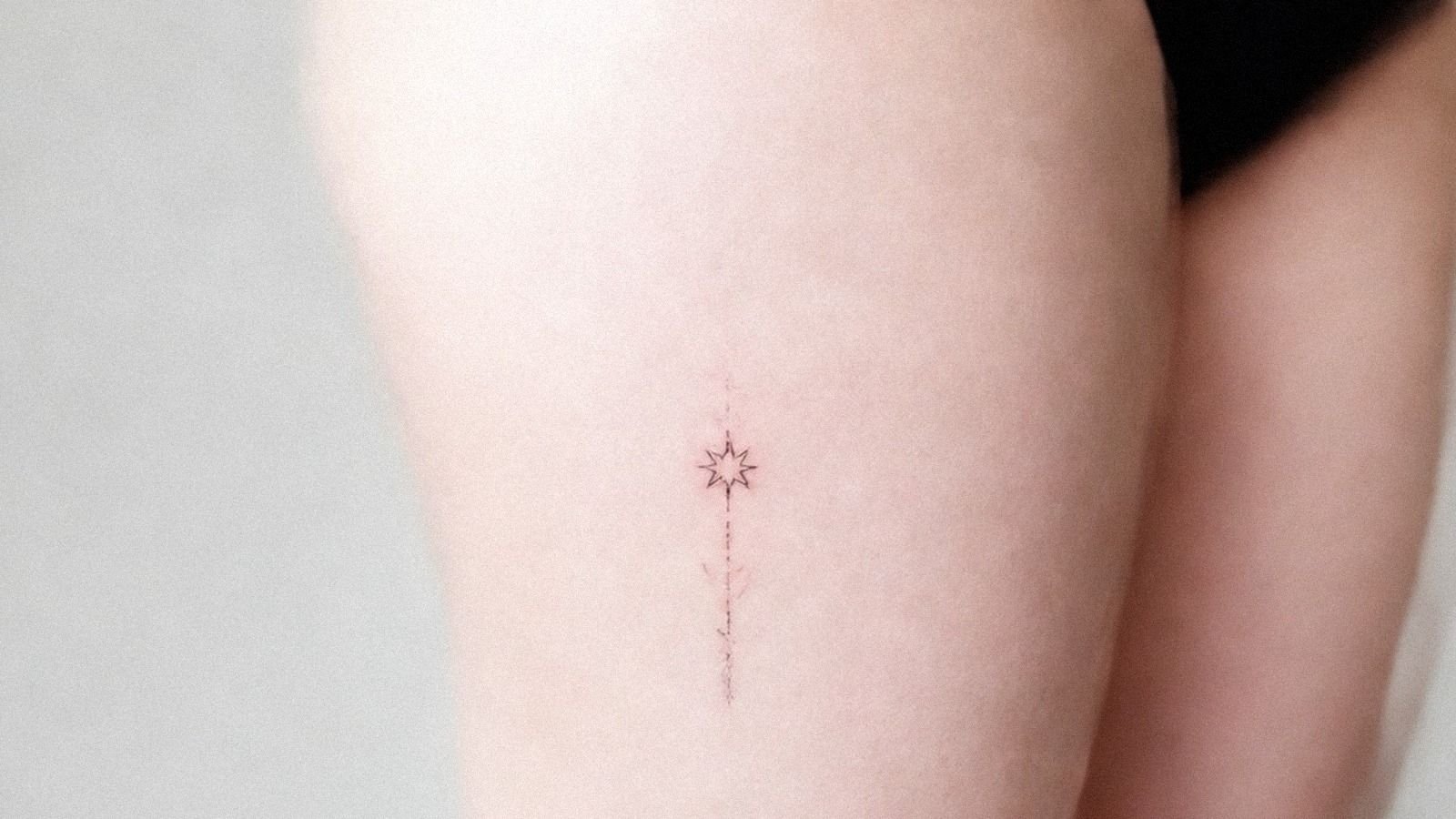
Start with one symbol that still reads clearly at 1 to 1.5 inches on skin. A tiny spark, heart, star, or sprig on the thigh gives you low drama, low pressure, and enough open skin around it to breathe on thigh skin. If you want discreet tattoo ideas, this is where I would begin because thigh skin is calmer than hands or ribs and gives you a safer place to test how you handle the sensation.
Keep the shape simple enough that your artist can pull it with Dynamic Black or another solid black liner without packing extra detail that turns to soup later. I tell people to skip stacked symbolism on a first tiny tat with meaning. One clean symbol.
One clear silhouette. If you are tempted to cram three ideas into one mark, stop and read why tattoos blur over time. Your future healed tattoo will thank you.
That simple call usually saves you from an early touch-up.
But restraint is what keeps it sharp later.
2Pick Clean Linework For Crisp Healing
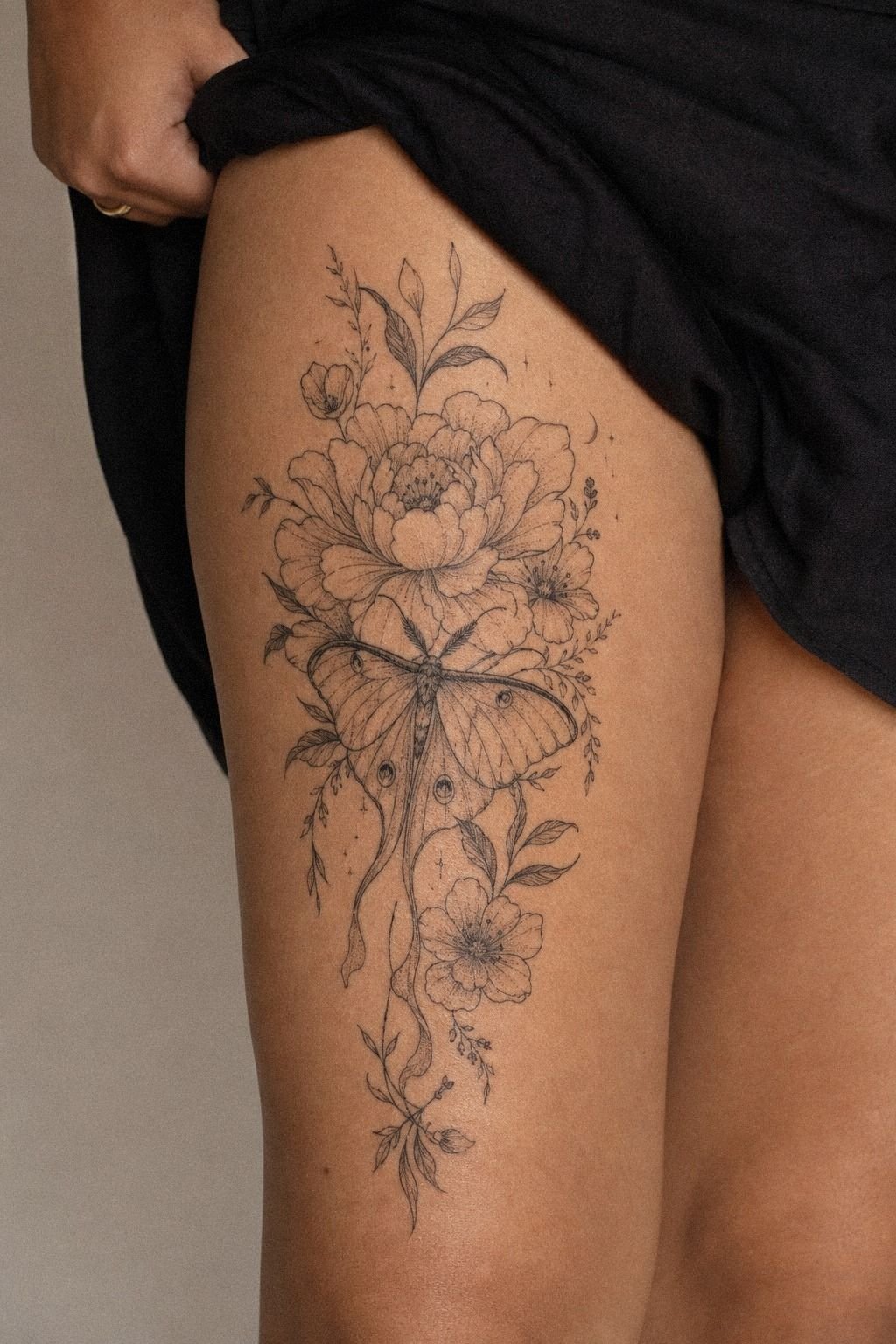
Pick linework that looks calm under a macro lens, not shaky, scratchy, or overworked. On a close-up thigh piece, you should be able to see one clean pull instead of ten fuzzy passes.
That is the whole game with simplistic tattoos. Crispy lines heal nice because the skin wasn’t chewed up during the tattoo.
Ask to see healed photos shot in daylight, not just fresh tattoos under ring lights. But do not get hypnotized by tiny fresh work that looks sharp for twenty minutes.
You want settled lines with even black from a machine like a Bishop Wand paired with a tight Cheyenne liner cartridge. If the artist’s portfolio gets fuzzy the second the tattoo heals, move on and keep looking through first tattoo ideas for placement logic before you hand over money. That portfolio check tells you fast if the cost feels justified and if the tattoo is worth it.
3Place Simplistic Tattoos On Inner Wrist Skin
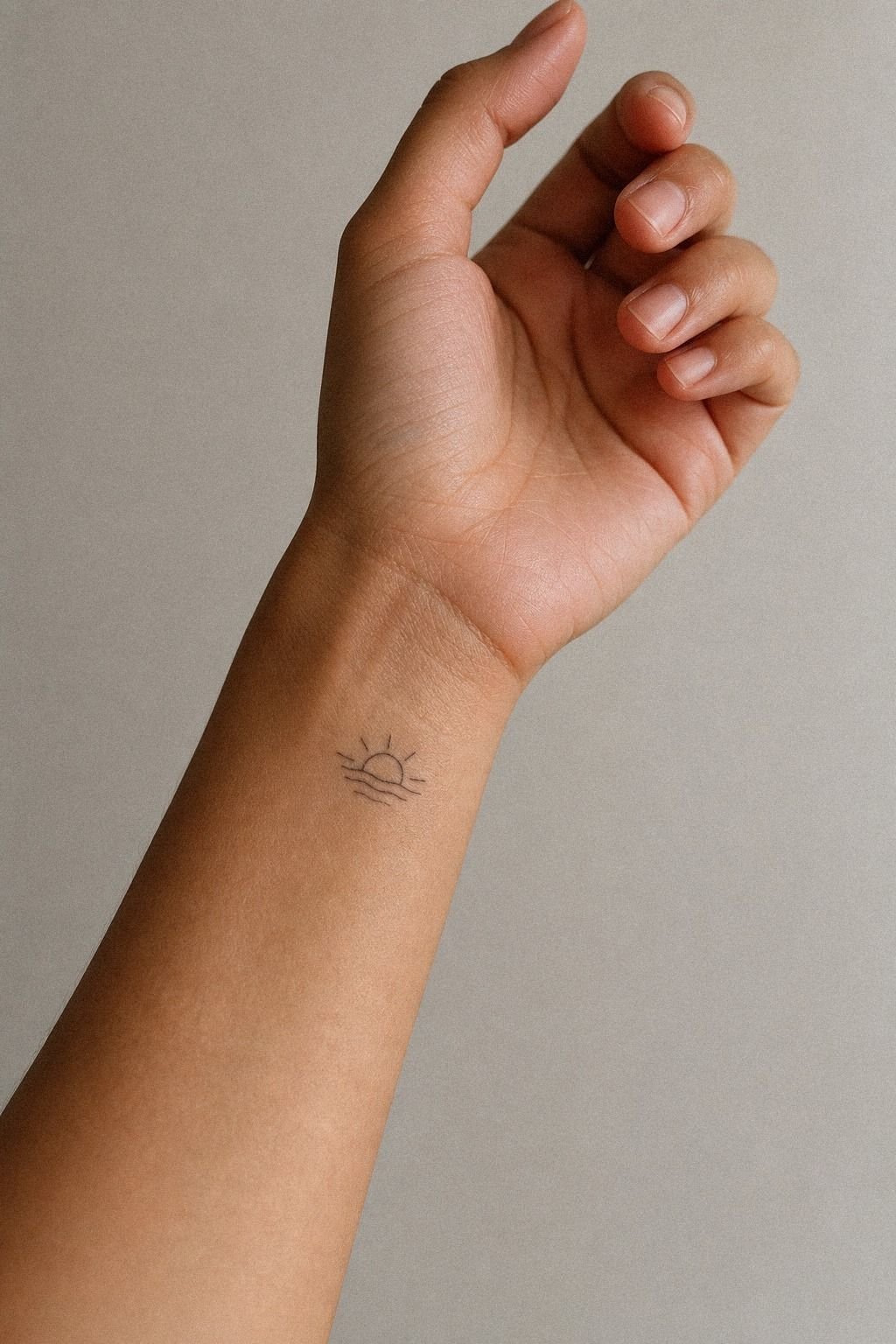
Place simplistic tattoos on inner wrist skin only if the design is bold enough to survive daily wear. The wrist is visible, personal, and great for small meaningful tattoos, but it gets sun, hand washing, friction, and movement all day. You need a shape with enough clean clearance that it still reads clearly at a glance after the first few years.
I like inner wrist work best around 1.25 to 2 inches, with clean black and very little filler. A healed wrist tattoo on olive skin can look gorgeous in daylight when the lines are soft but still confident. But if you go too tiny, it will not stay cute for long.
Compare it with the lower-maintenance placements in where tattoos hurt less, especially if you know you work with your hands. That is a smarter move than paying for a cute wrist idea that fades too fast, especially if you are watching your budget.
4Diptyque-Level Restraint For Hidden Ink
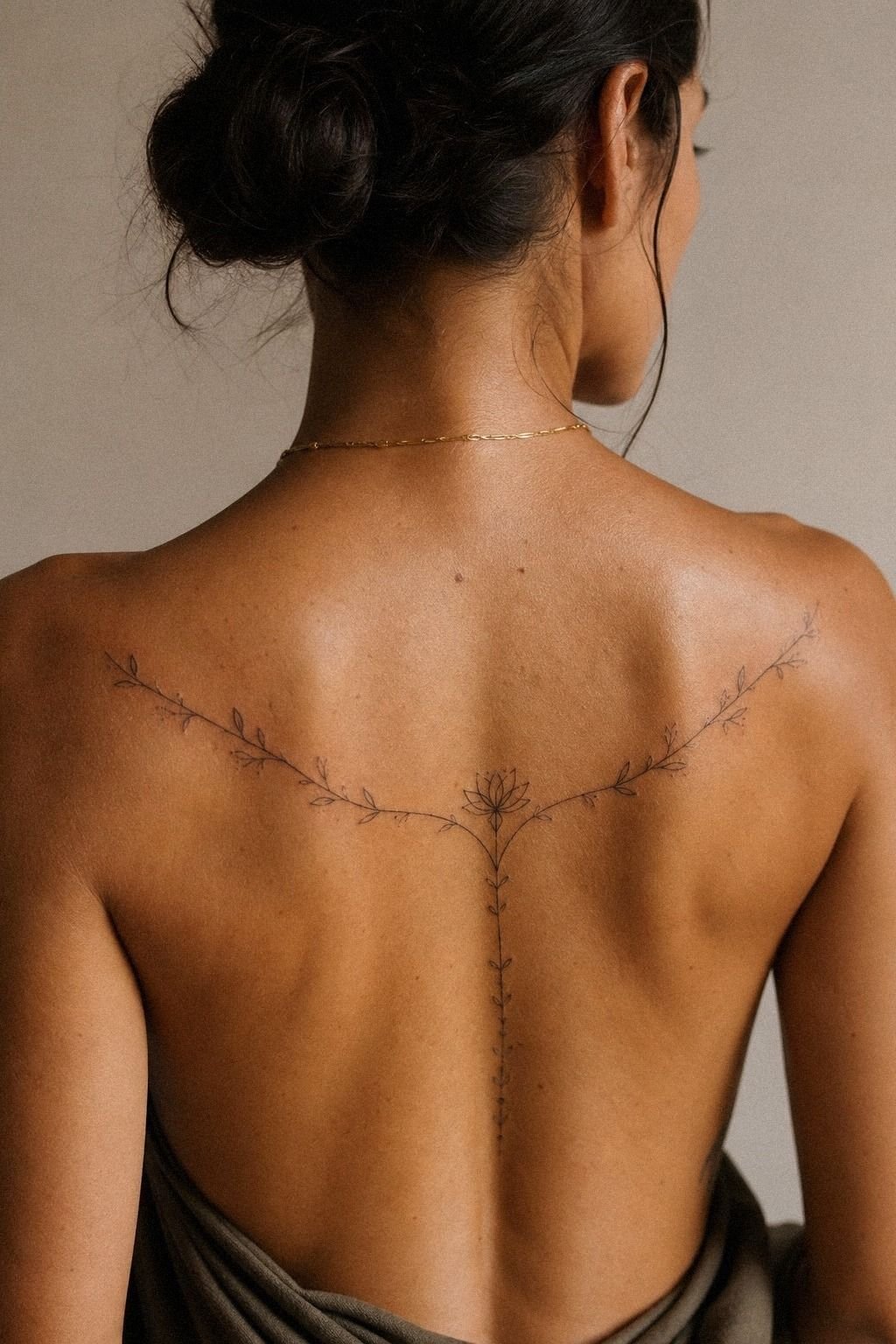
Keep hidden tattoos small and personal when you are using the upper back or the nape zone.
5Plan A Fine Line Birth Flower
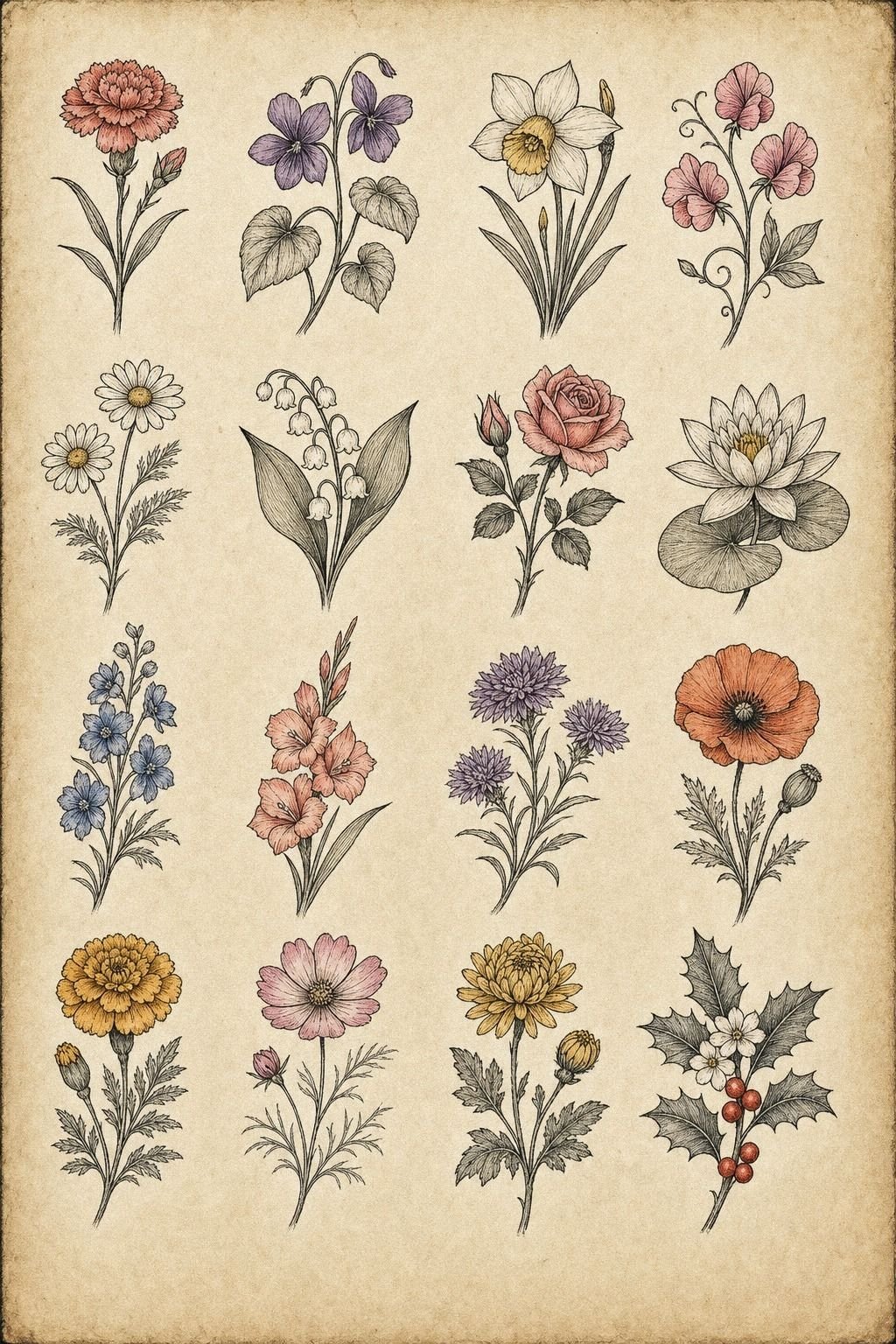
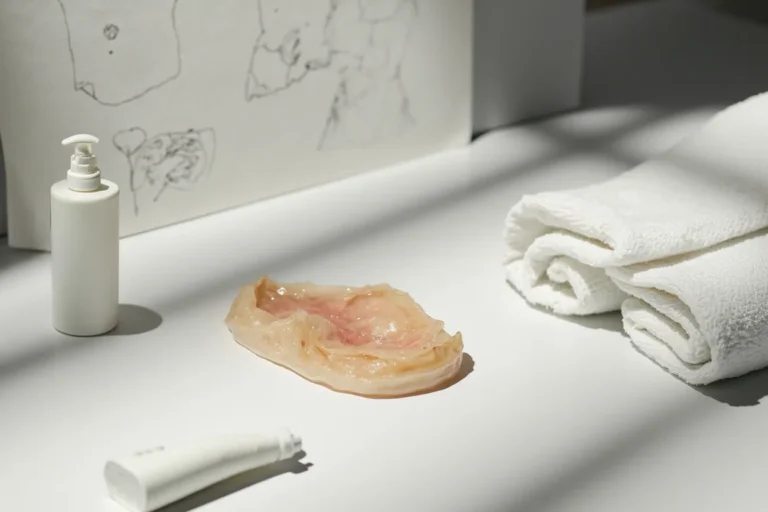
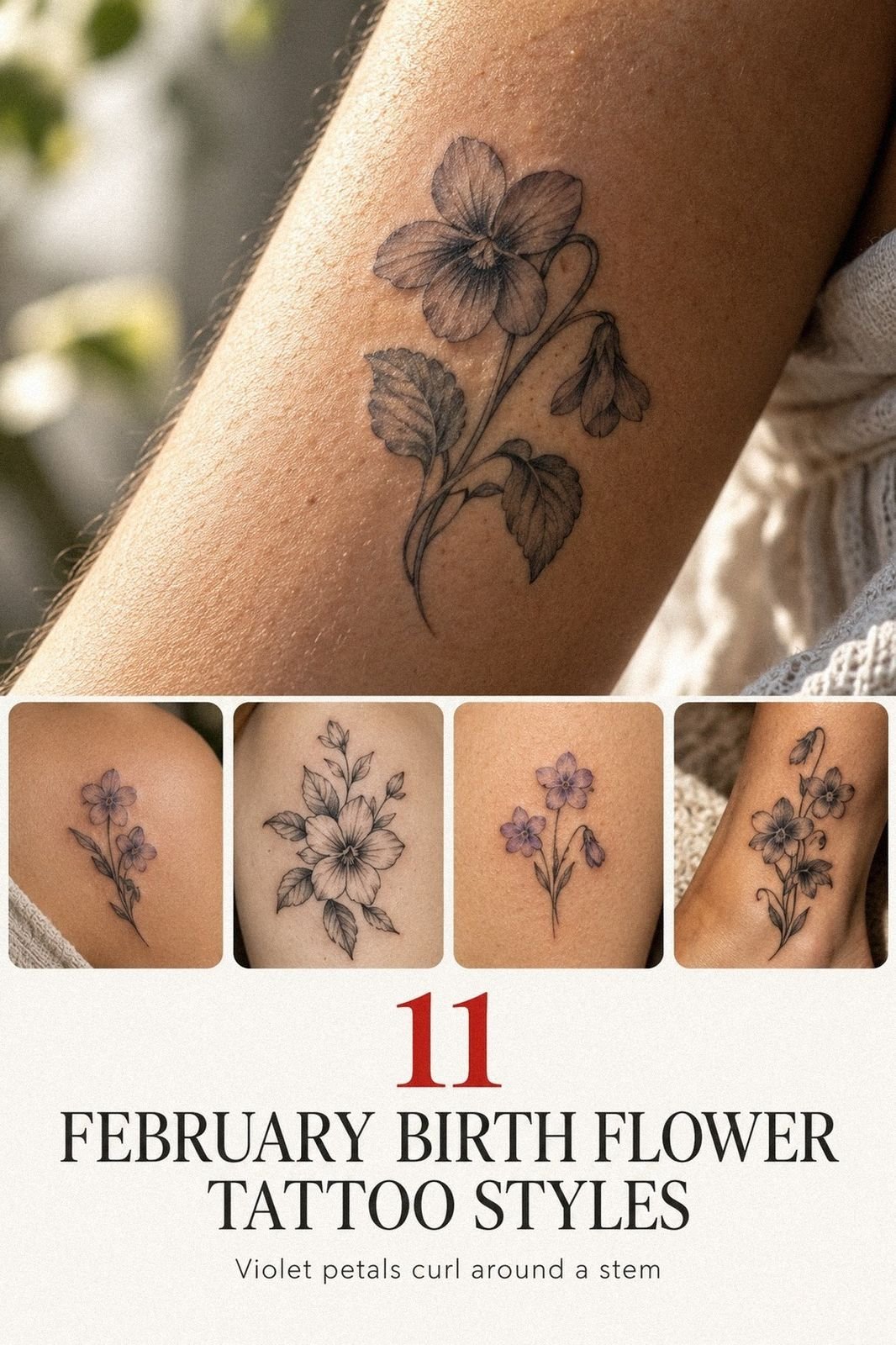
Plan a fine line birth flower from flash first, then customize the stem, angle, or tiny accent after you know the flower works in black linework. Birth flowers are some of the best tattoos with deep meaning, but they get muddy fast when the petals are too thin or too crowded in botanical fine line. A clean flash sheet shows you what the tattoo looks like as a design, not just as a Pinterest mood.
I would rather see you pick one bloom from a clean flash sheet on warm off-white paper than mash three flowers together because each month means something. Why gamble on petals your skin can’t hold in six months? Keep the stem open, the petals slightly oversized, and the line weight consistent.
If you are deciding between delicate fine line and something with more hold, loop back through why tattoos blur over time for a cleaner contrast. It is smarter than paying custom design money for petals that heal to soup.
6Black Ink Or Red Ink For Minimal Shapes?
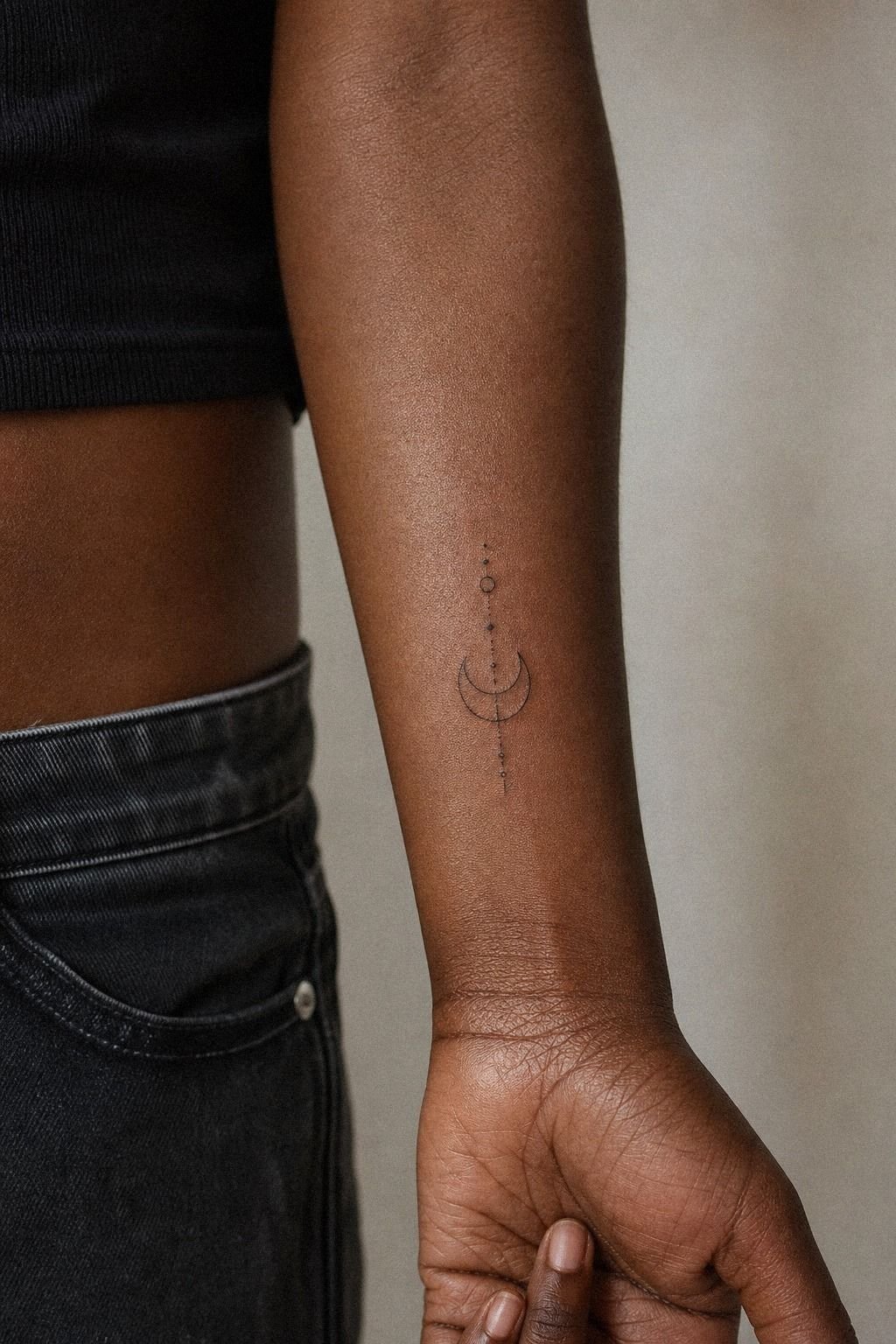
Start with black ink for minimal tattoos before you chase trendy color.
7Pick A Discreet Ankle Tattoo Placement
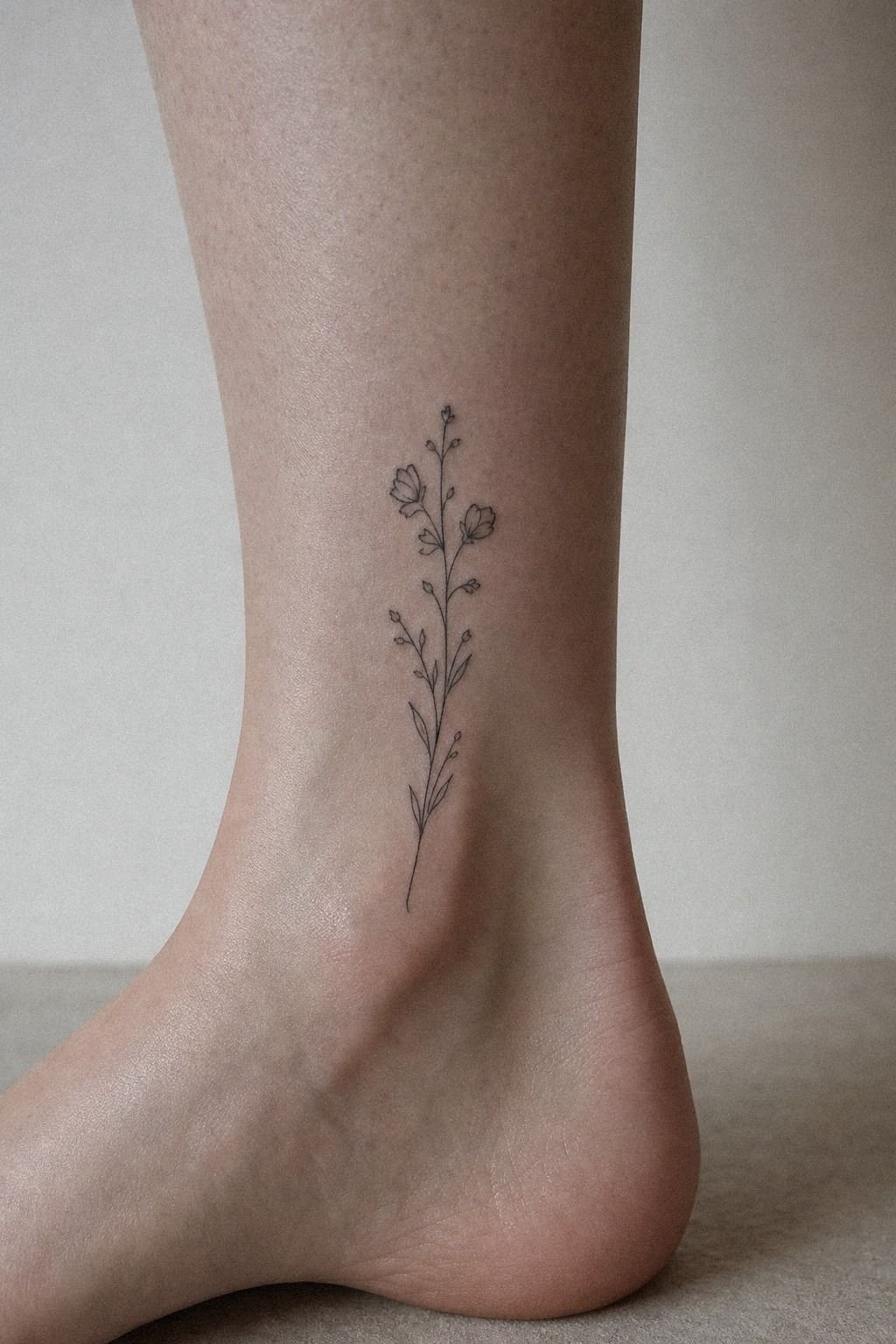
Pick an ankle tattoo only if you are okay with maintenance. Ankles look sleek, discreet, and a little flirty, but they’re a high-wear zone on outer ankle. Socks rub.
Shoes rub. Summer sun hits them hard. That means even clean simplistic tattoos may need a touch-up sooner here than they would on a forearm or thigh.
You can still make it work if you go simple and give the line some strength. I usually want 1.5 to 2 inches minimum on the outer ankle so the tattoo doesn’t get pinched into mush by motion.
Use a shape with clean gaps and skip whisper-thin detail. And if pain is part of your decision, this spot is spicier than people expect, so check where tattoos hurt less before you commit. The design can still work, but only if you accept touch-ups and maintenance!
8Why Does Tiny Script Fail On Collarbone Skin?
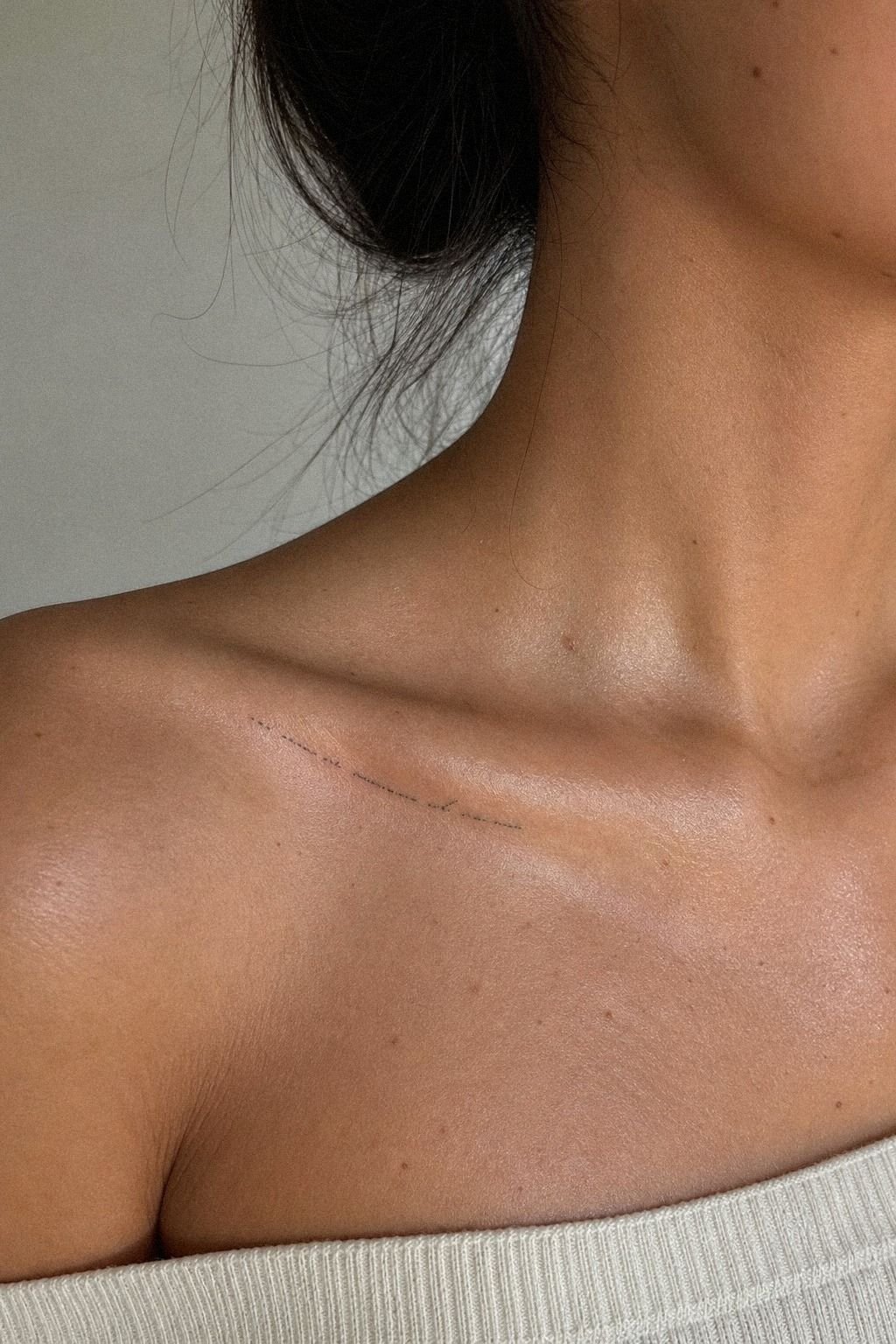
Place tiny script along the collarbone only when the word count is brutally edited down.
9Keep Meaningful Symbols Easy To Read
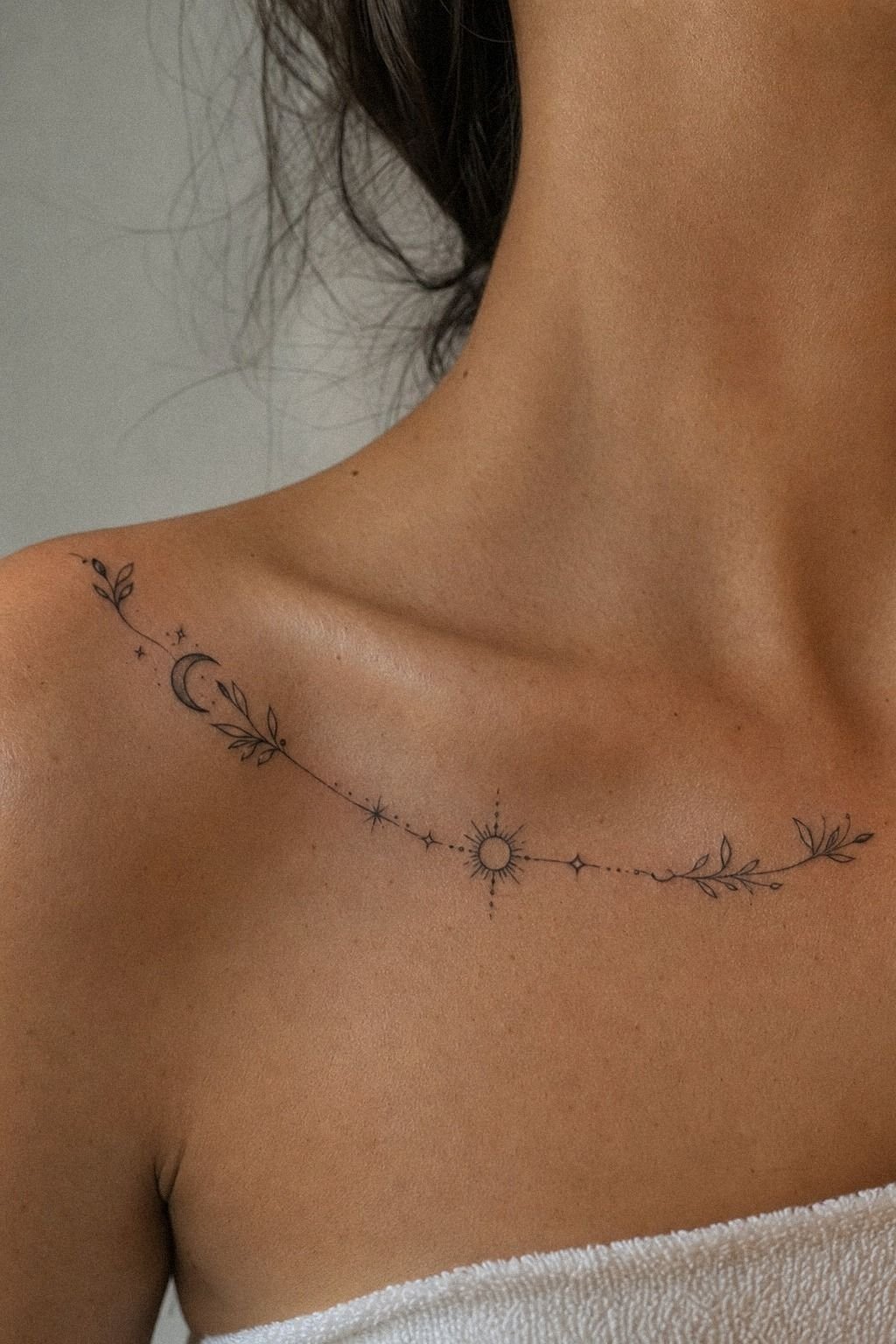
Keep meaningful symbols easy to read even when the story behind them is heavy. I get why people want layered meaning.
Memorial pieces, faith marks, family references, grief symbols. But if your symbol only makes sense when every line is microscopic, it’s too complex for a simplistic tattoo that needs to age clean.
This is my Clean-Heal Rule: one main symbol, one supporting detail, and enough open skin flow that the eye can catch it in one beat. On the collarbone, that might mean a small cross with a tiny date, or a simple moon with one star.
Single needle can work, but only when the artist keeps the forms sturdy. If the idea is deeply personal, read first tattoo ideas before you finalize the sketch.
That is how you protect the meaning without clutter.
10Match The Meaning, Not The Exact Placement
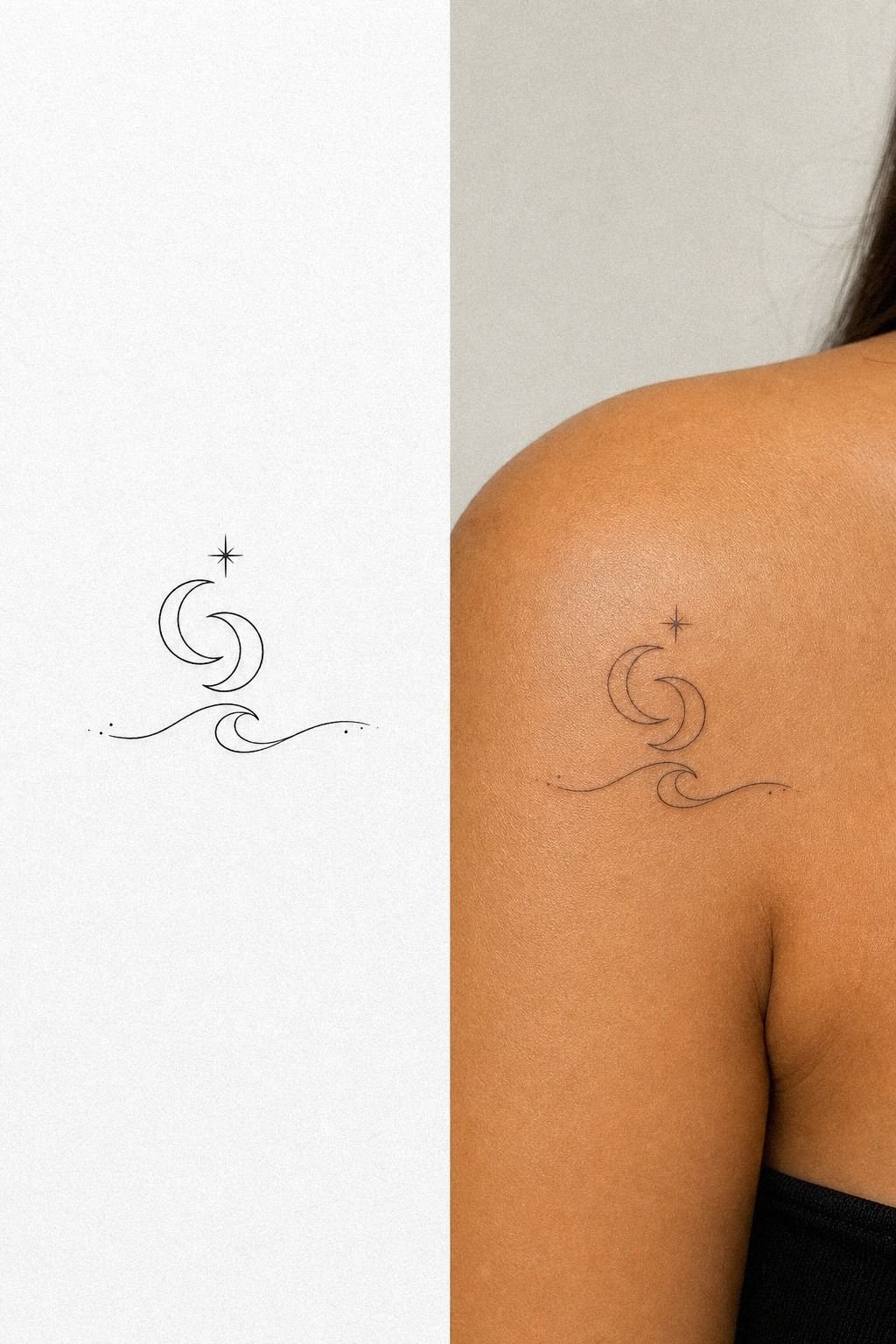
Plan matching simplistic tattoos with meaning by testing the design as a stencil first, then checking the healed version side by side before you both book.
11Pick A Single Needle Heart Outline
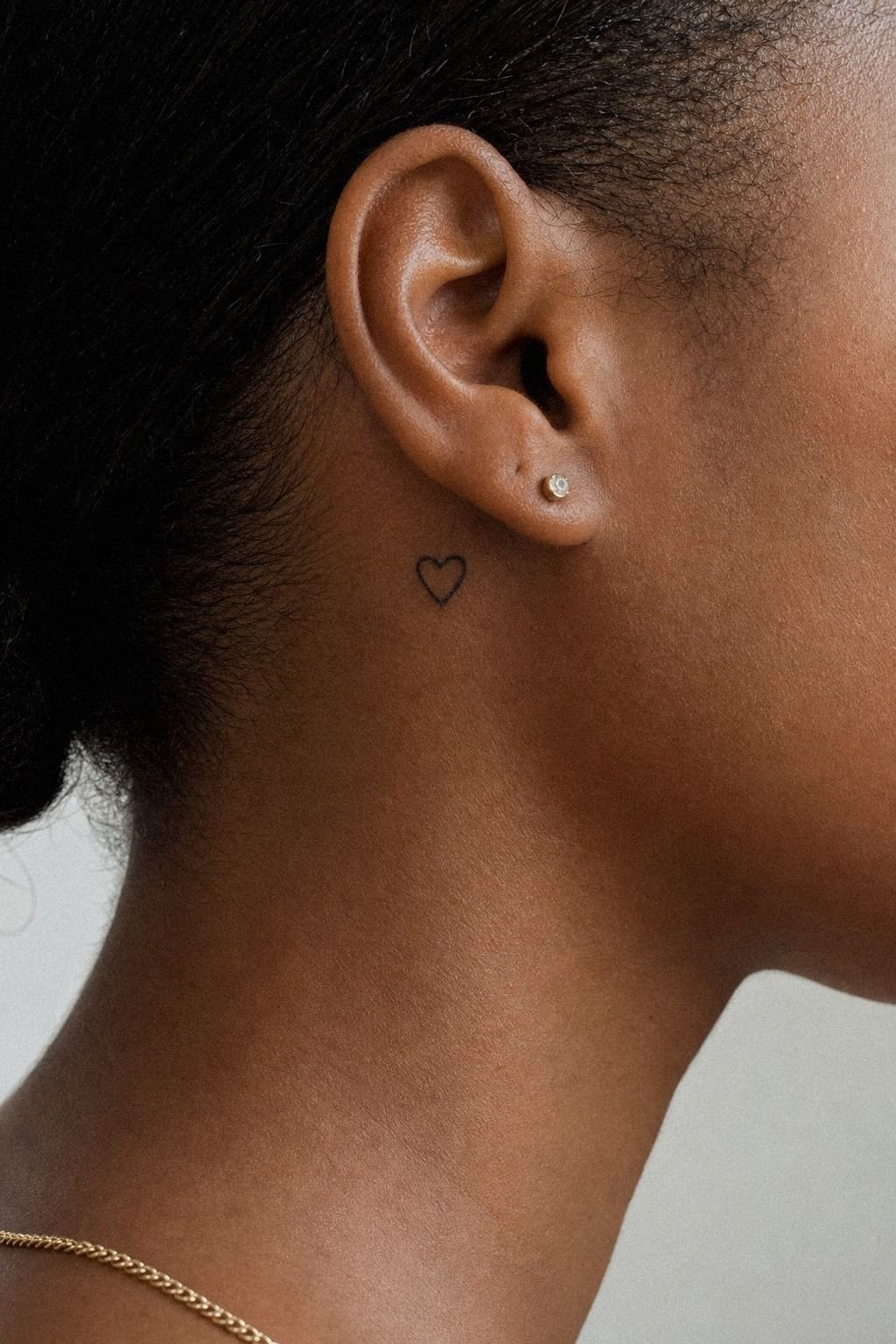
Pick a single needle heart outline only if you want whisper-light energy and you’re willing to protect it. Behind the ear is tiny, intimate, and cute on deeper skin, but it’s also a small curved area that can make shaky linework obvious.
This is not the place for a scratcher. You need confidence, patience, and a heart shape that isn’t pinched at the bottom.
I like a small heart around 0.75 to 1 inch, placed where the curve of the ear does not swallow the design. Kwadron single-needle groupings can make this look delicate without turning it weak, but the artist still needs a steady hand. But if you want a heart that holds harder over time, I would move it to the forearm or thigh and study why tattoos blur over time for a sturdier outline approach.
That switch usually gives you better long-term hold.
12Place Micro Moon Ink Behind The Ear
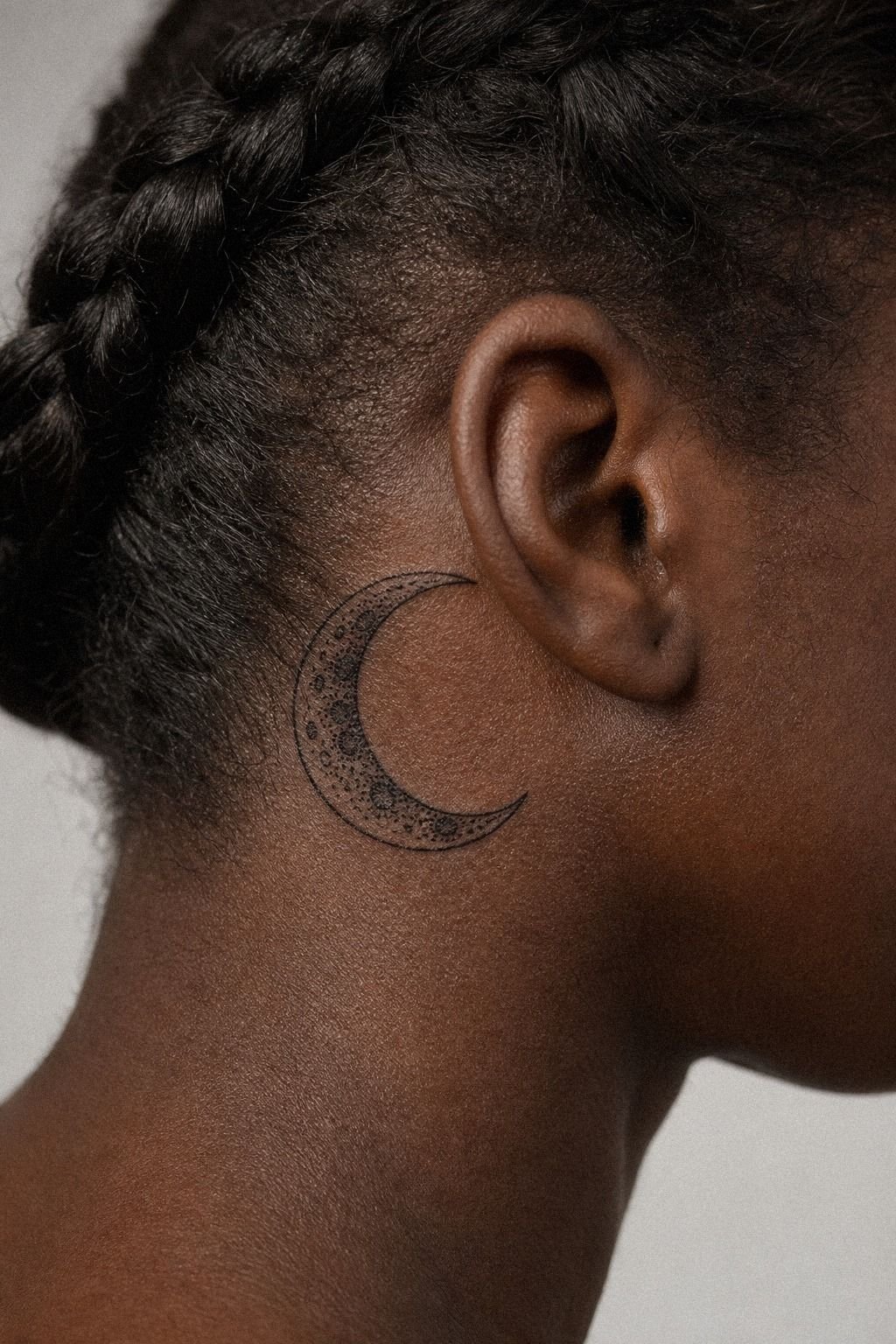
Place micro moon ink behind the ear with real caution. This spot looks sleek in close-up photos, especially on deep ebony skin where black line pops, but it gives you almost no margin for sloppy detail on behind-the-ear skin. A moon that is too tiny, too thin, or too tucked into the crease can disappear fast once the line settles.
Use the Two-Inch Rule in miniature here: if the shape can’t be read clearly when you step back, enlarge it before you tattoo it. For behind-the-ear work, that usually means a simple crescent with no filler and no extra dots unless the moon is closer to 1 inch tall. Panthera XXX Tribal or another dense black pigment helps the curve stay visible.
And yes, this spot can be spicy! Pain is quick, but it is not nothing.
If you want a calmer option, compare it with where tattoos hurt less.
But cleaner wins here every time. A readable crescent is worth more than a fussy moon that disappears after one summer.
13Keep Shading Light For Clean Aging
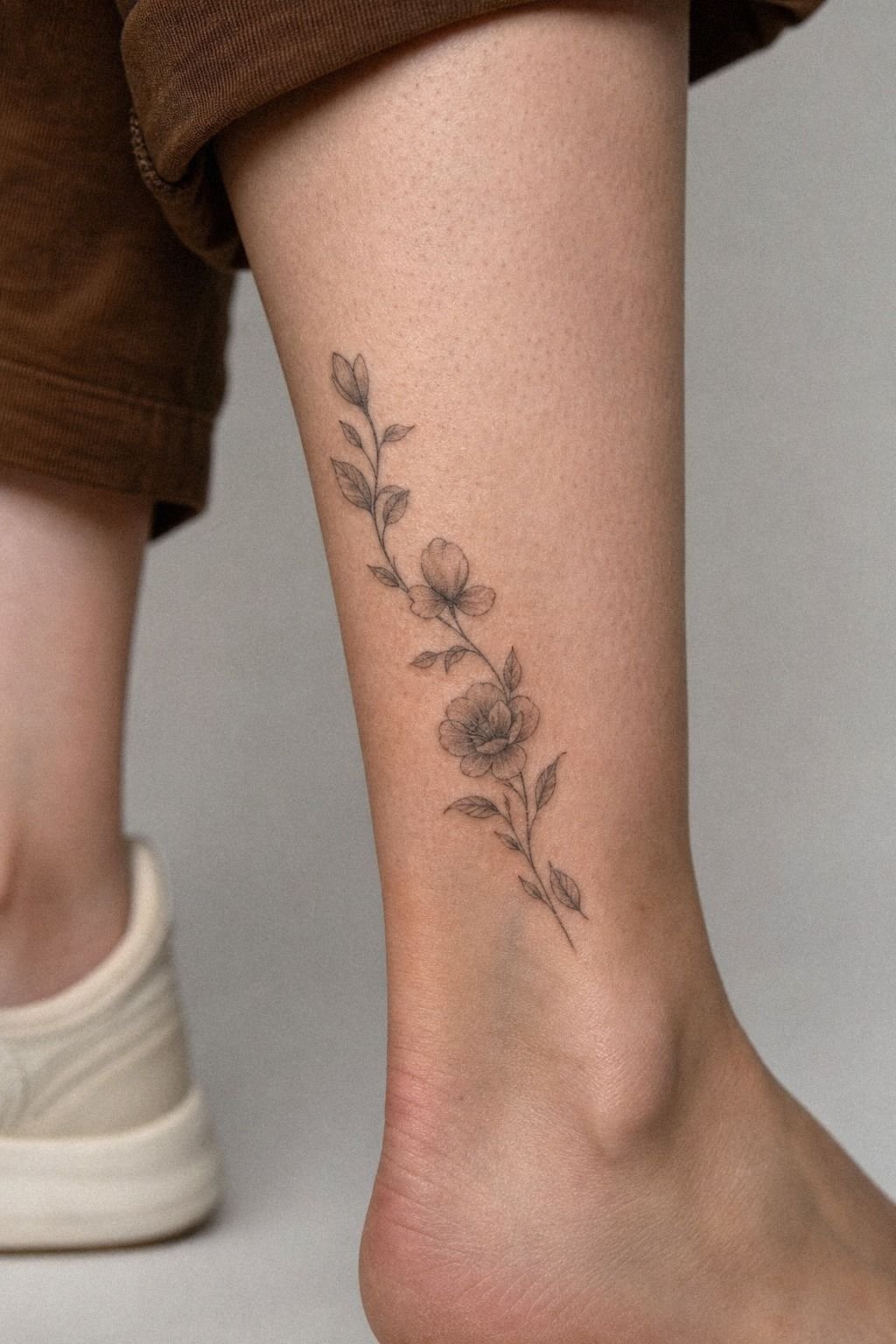
Keep shading light if you want a simplistic tattoo to age clean. Fine line ankle tattoos especially don’t need a cloud of grey wash around them. Too much shade on a tiny piece makes the design heal flat, steals your clean open skin look, and can make the whole thing look older than it is.
I prefer just enough grey wash to soften a petal edge or give a moon a little depth, nothing more. Think whisper, not fog.
Healed ankle tattoos look better when the line stays the hero and the support stays soft so it doesn’t patch out. If you love black-and-grey references, compare that idea with why tattoos blur over time and then pull the detail way back.
That is the sweet spot when you want soft mood without paying for extra shading that does not help.
14Old School Flash Or Modern Fine Line On Forearm?
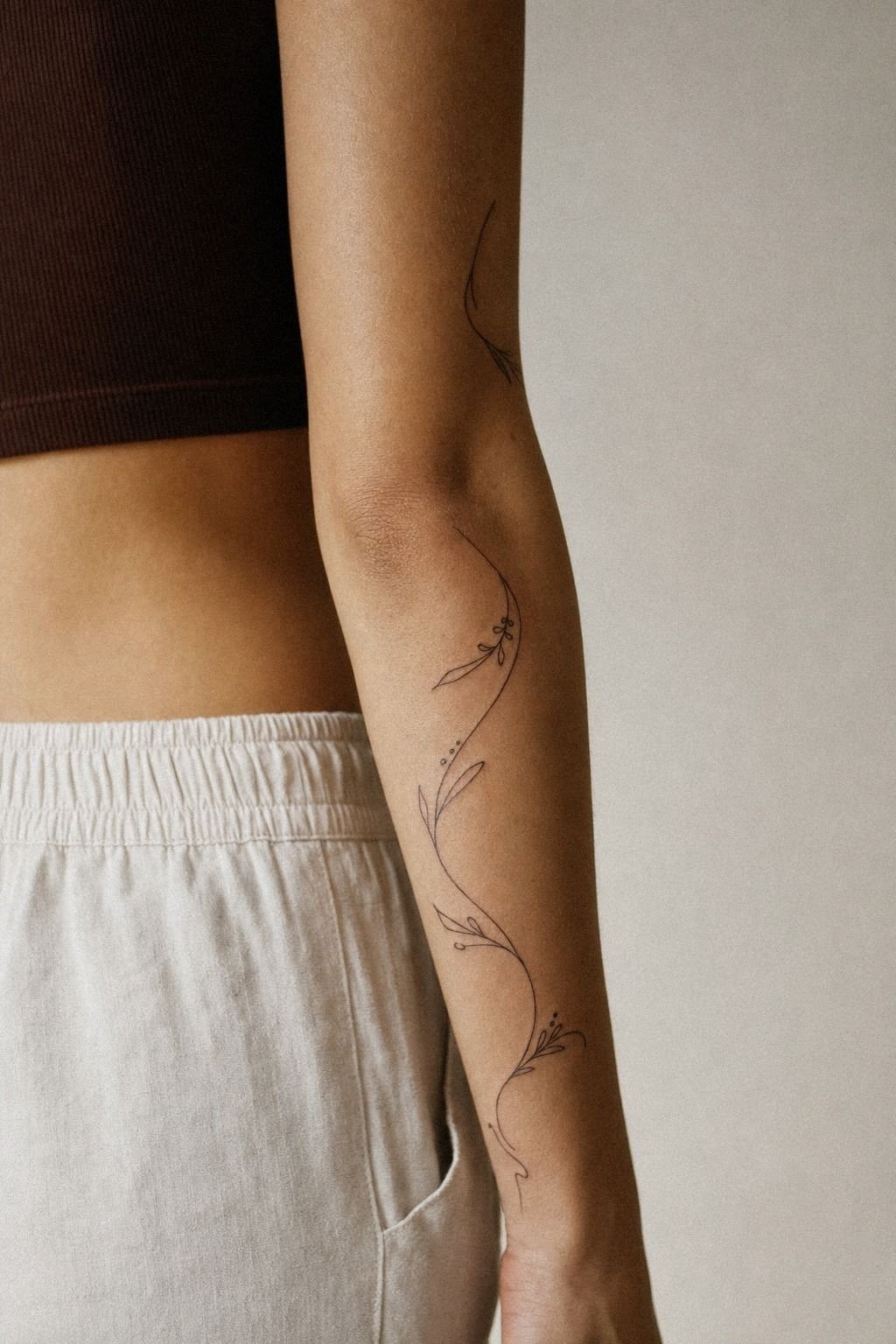
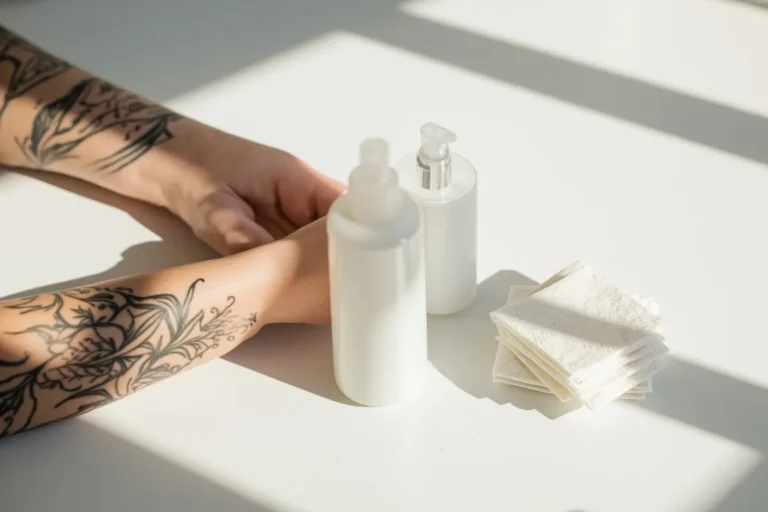
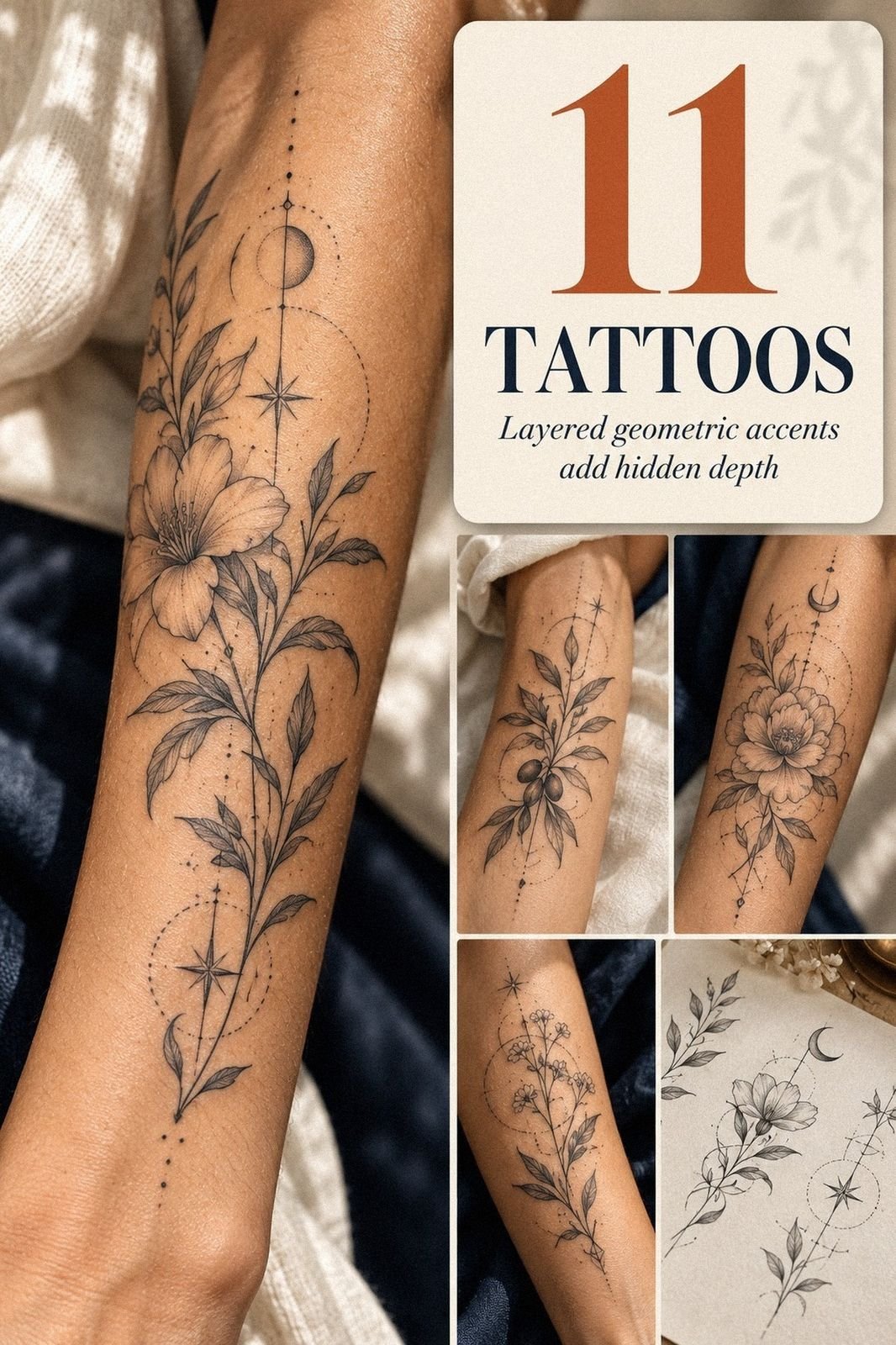
Plan a small forearm layout by looking at the whole lane of skin, not just the isolated symbol.
The Three-Filter Test I Use Before Fine Line Work
When someone brings me simplistic tattoos, I don’t judge them by trend first. I run three filters. Can you read it fast?
Can the skin hold it? And will you still like it when the fresh tiny-perfect stage is gone and it looks like a real healed tattoo under healed skin?
That’s the whole conversation. It is also where the money conversation gets honest, because a cheaper tiny tattoo with weak planning can age worse than a slightly bigger clean one.
The first filter is clarity. If I have to squint at the drawing on paper, your skin isn’t going to improve it.
People think minimal means tiny, but minimal really means edited. I cut details before I cut size. That’s how you keep a tattoo crisp.
A clean moon, flower, or symbol with solid black and open skin will age cute on you. A hyper-delicate idea with six little side stories usually won’t.
Real talk, the bold simple version usually holds better.
The second filter is placement. This is where I push back the most. You may love the wrist, ankle, or behind-the-ear look, but those are higher-wear spots, and they don’t forgive timid linework.
I’d rather move a design half a lane up the forearm or onto the thigh and let it breathe. That isn’t me killing your idea.
It’s me keeping you from paying twice for a tattoo that faded because nobody was honest the first time. If you need proof, compare why tattoos blur over time and watch how the tradeoff changes.
The third filter is your reason for getting it. And this part matters more than people think. If the tattoo means something real to you, you don’t need to over-explain it in the design. One heart can hold grief.
One flower can hold your mom. One moon can hold a whole chapter of your life in simple symbolism.
The simpler the mark, the more the placement and line quality have to carry the story. That’s why I keep saying no to clutter and yes to strong shapes, honest sizing, and black that heals solid.
First few days, it’s an open wound, treat it like that. After that, leave it alone, keep it clean, and let the tattoo settle into your skin.
That patience matters too!
The Questions I Get Asked Most
How much does a Simplistic Tattoos usually cost?
About $100 to $300 is common for a small clean piece in the US, though a shop minimum may be $50 to $100 and stronger artists often charge $100 to $250 per hour. Size, placement, and the artist’s healed linework matter more than chasing the cheapest appointment. A higher rate can still make sense if the tattoo heals crisp and does not need an early redo.
For a first tattoo, that is usually worth it.
Are Simplistic Tattoos a good idea for a first tattoo?
Yes, if you choose a forgiving placement and a readable design. Clean linework on the forearm, thigh, or outer arm usually gives you a calmer first experience, easier healing, and a tattoo that still makes sense once the fresh sharpness settles. If you need inspiration first, first tattoo ideas are a good place to start.
How do I choose a tattoo artist for Simplistic Tattoos?
Look for healed photos, not just fresh ones. Crispy lines matter more than fancy concepts here.
You want a portfolio with steady black, consistent spacing, clean studio hygiene, and proof that the artist can keep tiny work readable without scratching the skin up. I would also compare their choices against why tattoos blur over time so you can judge quality, not just vibe.
How much do Simplistic Tattoos hurt?
It depends on placement. Forearm, outer arm, and thigh are usually more tolerable, while ribs, feet, hands, and sternum are spicier.
Placement choice changes the whole day, so if you get lightheaded, pick a calmer zone and tap out for five if you need to. where tattoos hurt less breaks that down in more detail.
How long does a Simplistic Tattoos take to heal?
Surface healing is usually about 2 to 3 weeks, and full settling is closer to 2 to 3 months. Gentle aftercare helps a lot.
Wash with mild unscented soap, use a thin layer of ointment, skip pools, avoid sun, and don’t pick the flakes. Ignore that step and the tattoo can go dull fast, which raises the upkeep cost.
What’s the best placement for Simplistic Tattoos?
Forearm and thigh are my top picks for most people because they balance visibility, pain, and longevity well. Low-wear skin gives fine lines a better shot at staying clean. Wrist and ankle can work too, but you need stronger design choices and more touch-up tolerance.
Compare where tattoos hurt less if you are still torn.
Can I DIY a simplistic tattoo at home?
No, and I wouldn’t sugarcoat that. Sterile setup is the baseline, not the bonus. Home stick-and-poke attempts often heal patchy, blow out, or scar because the depth, hygiene, and line control aren’t there.
Save up, book a pro, and get it done once. It is cheaper than fixing a bad one later, and that is real value!
Where I’d Start First: The Two-Inch Rule
If I had to pick one step, I’d start with the forearm layout. A clean 2-inch design on low-wear skin gives you more forgiveness, better readability, and a much lower chance of paying for a fuzzy touch-up later. If you want a few more clean references, save first tattoo ideas for later.