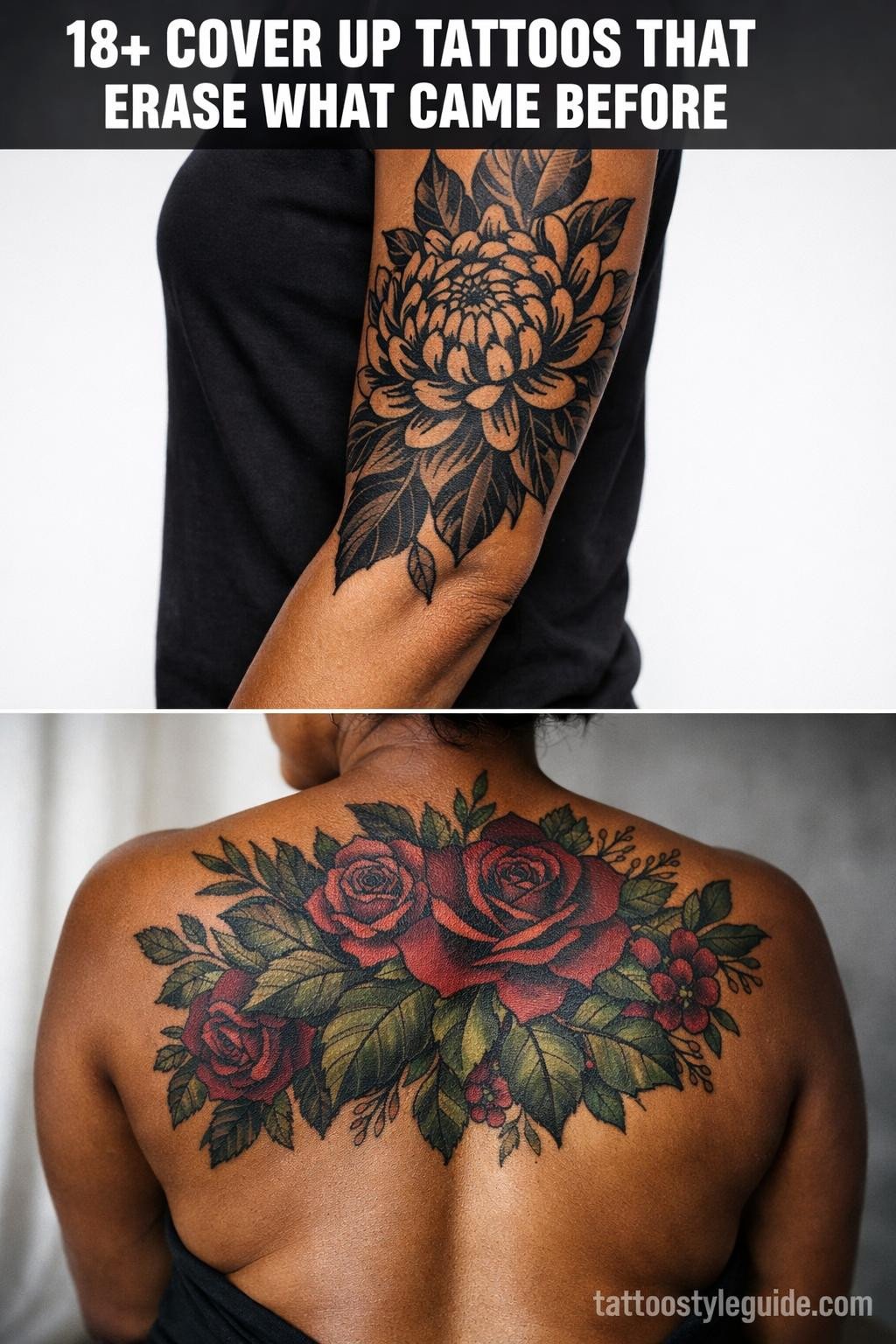
Cover-up work is the hardest technical test in tattooing. The existing ink doesn’t disappear; it becomes part of the new design’s foundation, and every artist who pretends otherwise is setting you up for a muddy result.
The designs that work share one trait: they use density strategically. Blackwork, mandala geometry, and layered organic forms succeed because they redistribute visual weight across the old ink rather than trying to overpower it in one spot.
Eighteen references below, organized by style and approach. Each one built with cover mechanics in mind.
When Blackwork Feathers Become the Smarter Erase

An owl rendered in blackwork shard feathering with cursive script flowing beneath the plumage, using aggressive diagonal whip shading to build ink mass across problem zones.
The tattered feather fragments dissolving at the edges give the artist natural zones to concentrate density exactly where old ink sits darkest. Grey wash midtones handle the lighter perimeter areas without requiring full saturation everywhere.
Mandala Watercolor Hybrids Require One Non-Negotiable Center
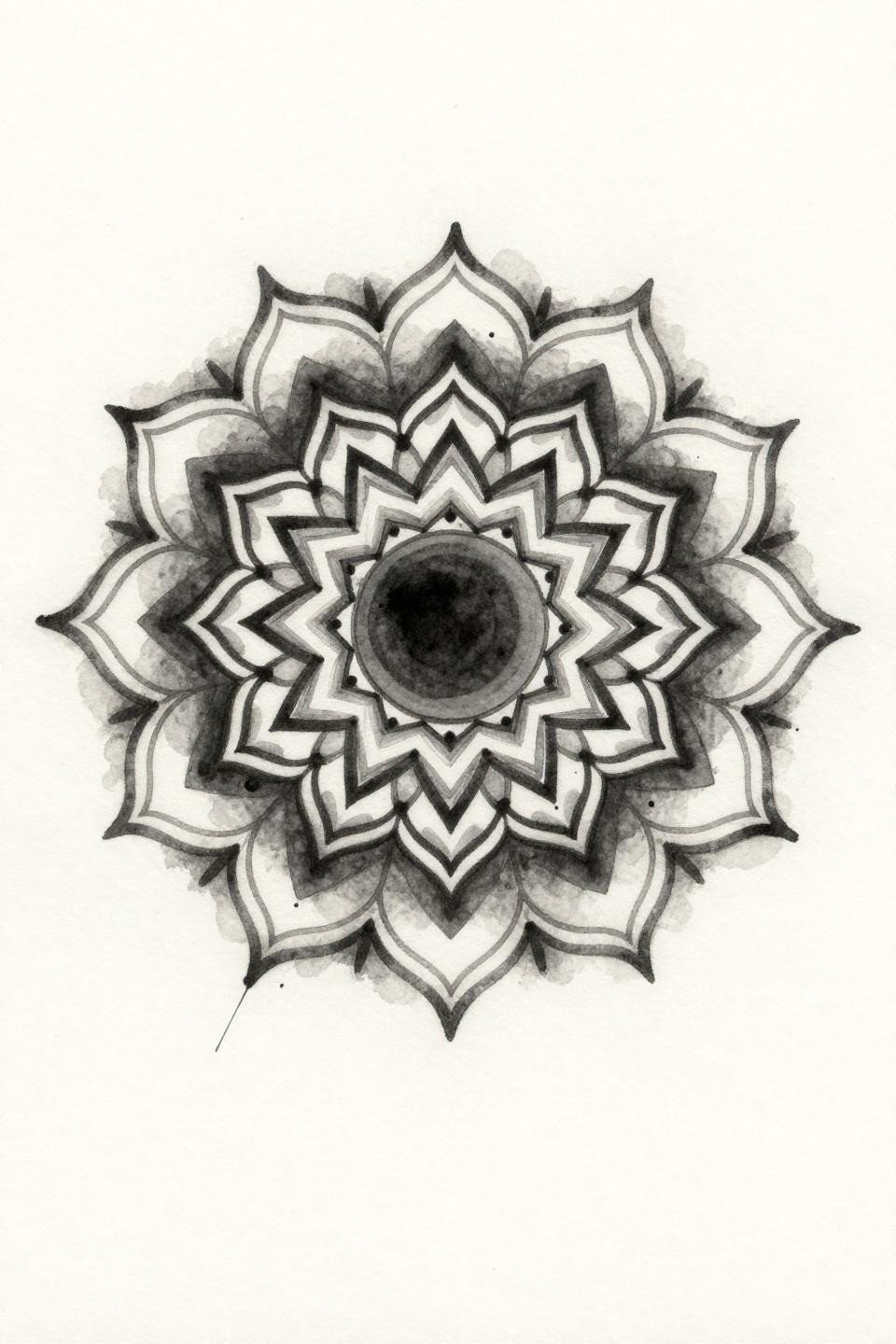
A sun mandala with a dense geometric core dissolving outward into painterly wash halos, where the structured black center does the cover work and the watercolor perimeter softens the boundary.
Watercolor without a saturated anchoring core blurs within three to five years on any placement. This composition works because the geometry holds the load while the wash handles aesthetics only.
Lotus Over Script: Why the Radiating Shard Method Wins
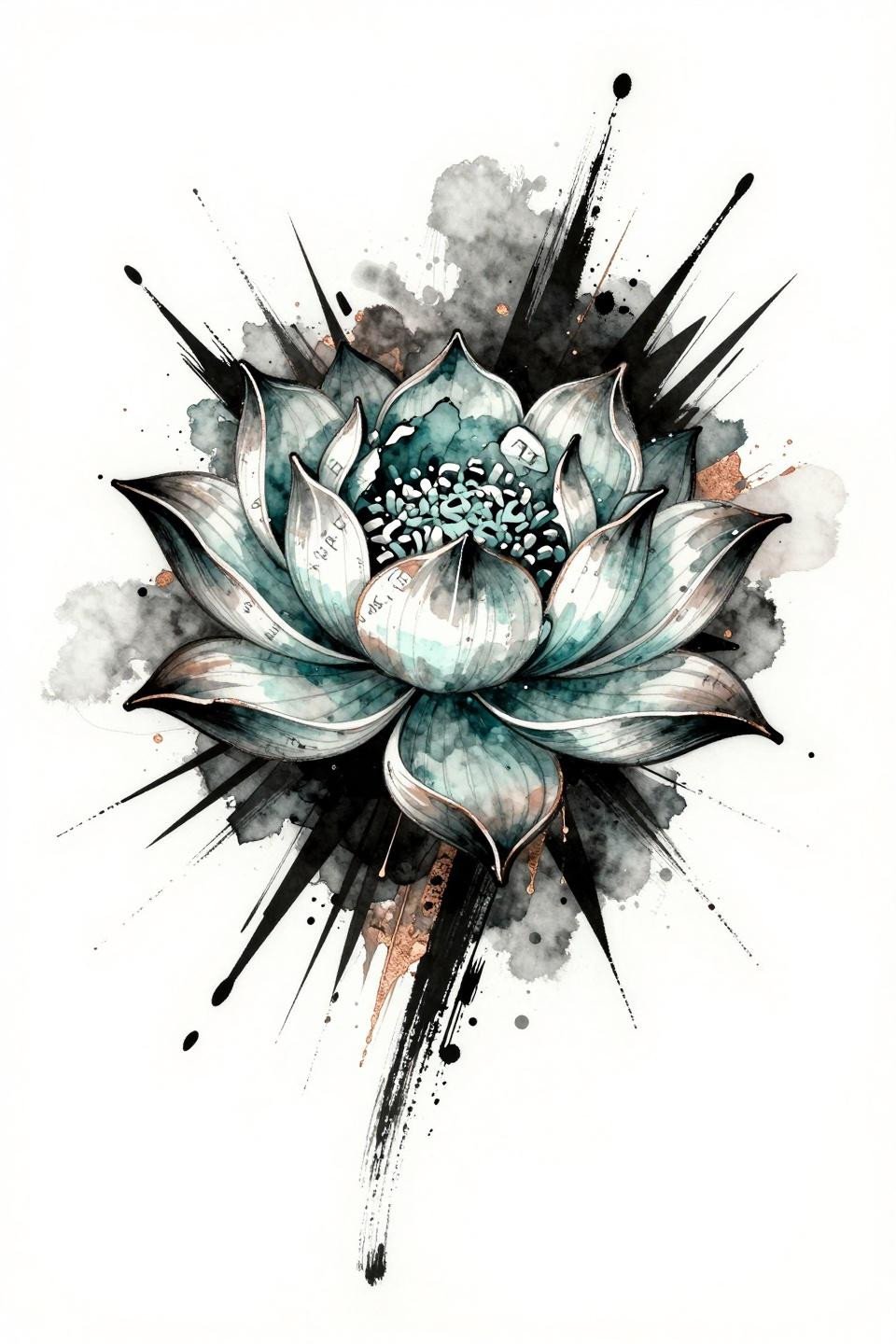
A lotus with blackwork shards radiating from the floral core, negative space pathways carved through the botanical overlay, with deep teal watercolor bleeding into copper accents behind the geometry.
This approach works for covering script because the shard radiation pattern lets the artist direct maximum ink density to the exact letterform locations while the surrounding petals carry visual interest at lighter coverage.
The Geometric Snake Pose That Actually Hides a Name
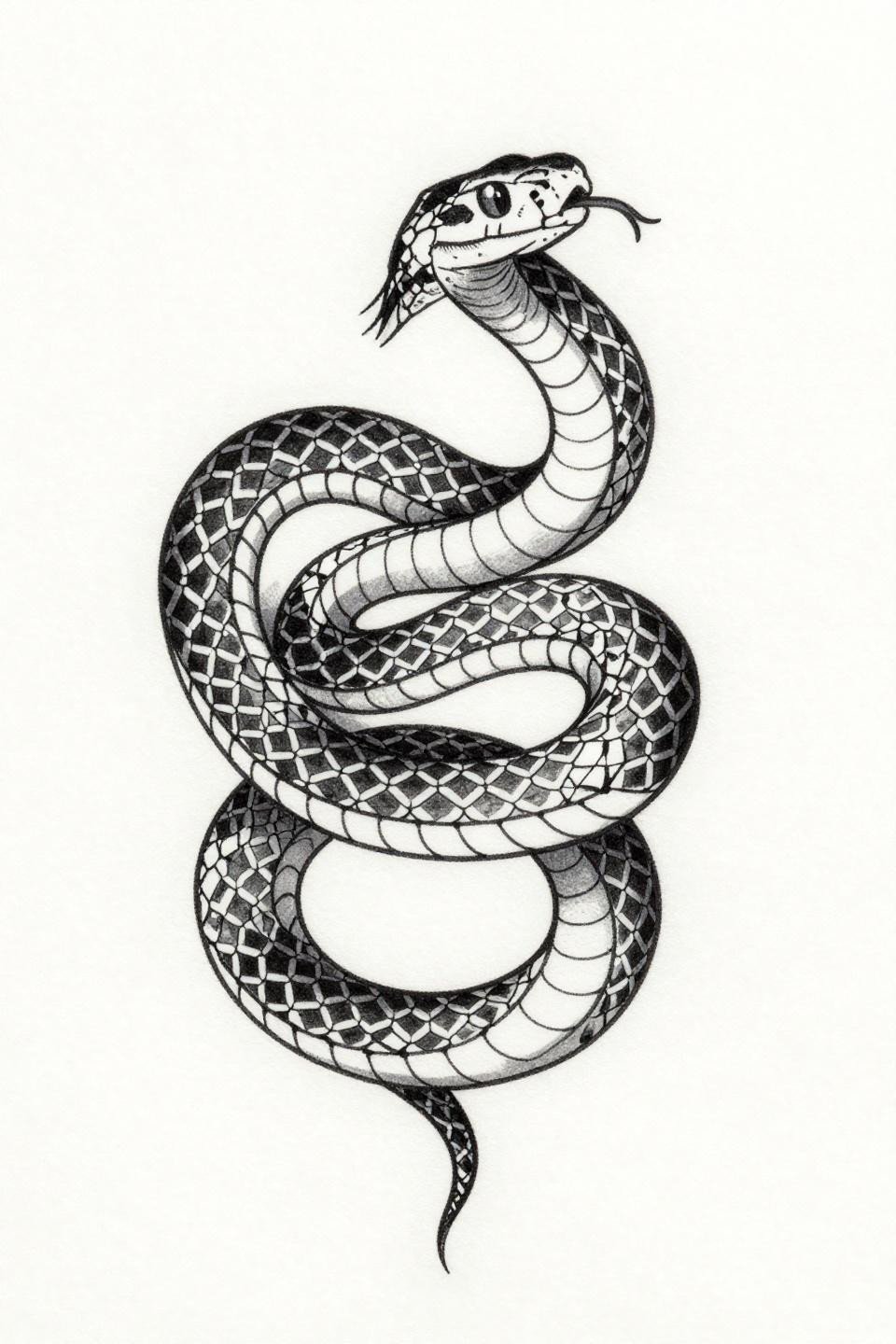
A serpent coiled in a figure-eight infinity pattern with hexagonal tile scale rendering, fine line single-needle work, and fragmented letterform shards visible beneath the interlocking curves.
Single needle 1RL at this scale needs an artist who controls hand speed precisely. On olive or darker skin tones, these hairline strokes need additional weight to maintain contrast past year two.
Sak Yant Structure Is Cover-Up Engineering, Not Just Style
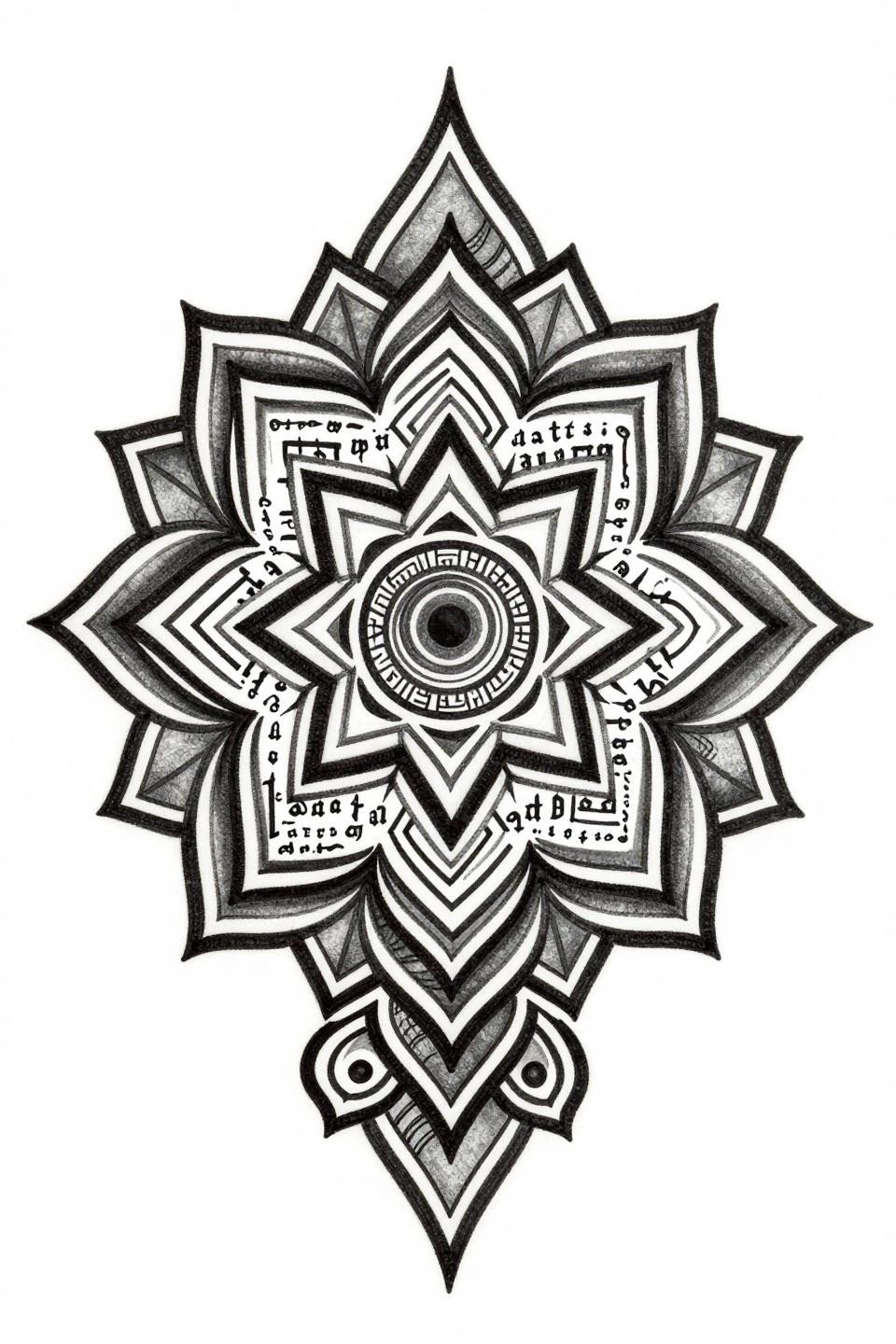
A Sak Yant lotus mandala with interlocking sacred geometry triangles concealing fragmented script, radiating concentric circles with negative space voids, and bilateral symmetry along the vertical axis.
Bold 2 to 3pt outlines at this density hold clean for ten-plus years and provide the structural mass needed to fully suppress underlying ink without requiring solid blackout fields across the entire piece. For readers considering meaningful back tattoo placement options, this geometry scales well across the upper back.
Art Deco Moon Frames Need the Right Letterform Scatter Pattern
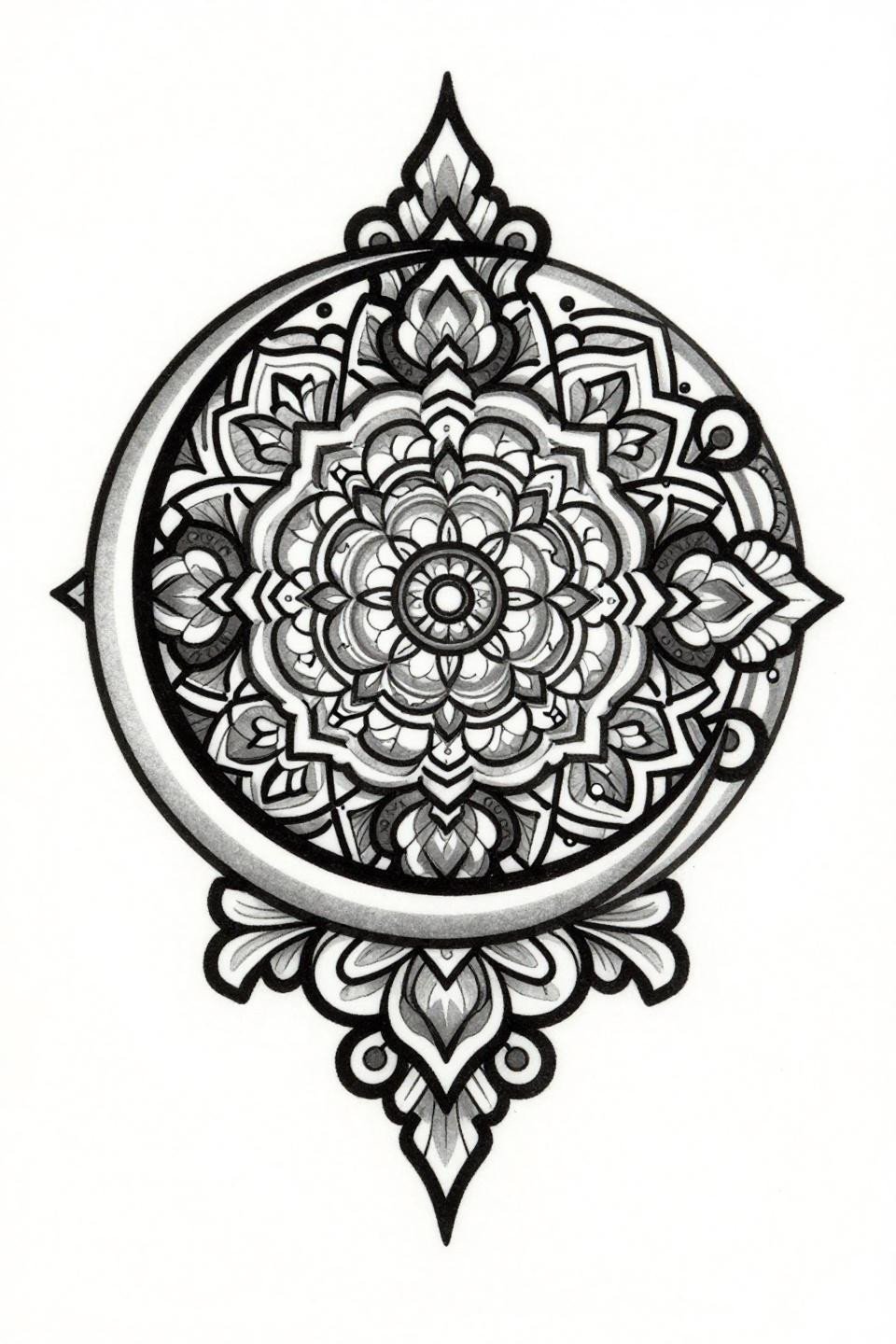
An art deco crescent moon housing a nested mandala with layered floral scroll concealing letterform shards beneath interlocking petal arcs, rendered with bold outlines and flat color fills.
Name cover-ups fail when the new design tries to avoid the old letterforms rather than deliberately placing the densest elements over them. This crescent frame gives the artist exact control over where that density lands.
Trash Polka Phoenix: Red Accent Serves a Technical Purpose Here
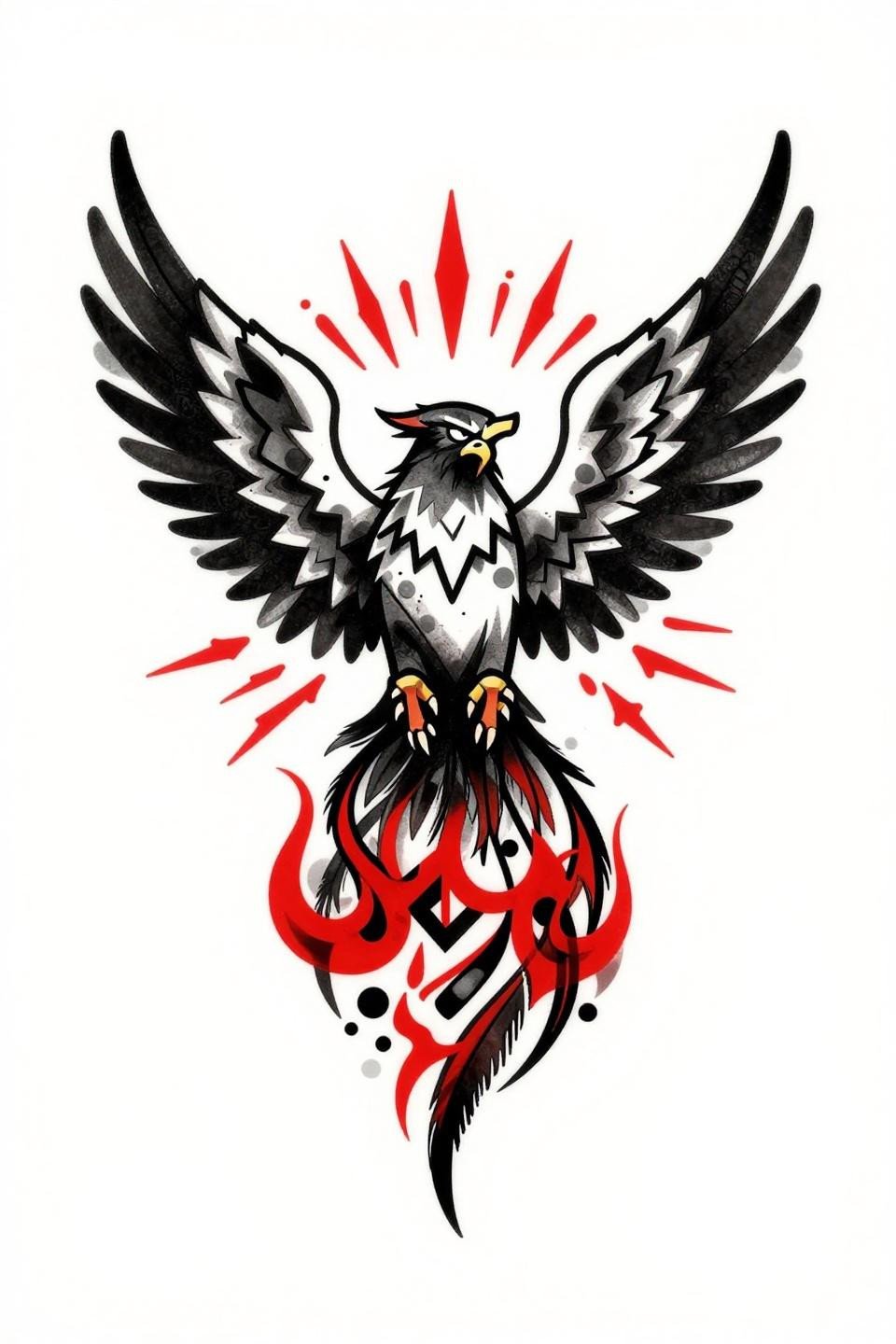
A trash polka phoenix with angular blackwork shards radiating from spread wings, tail feathers dissolving into script fragments, and crimson red accents cutting through the solid black geometry.
The red accent in trash polka isn’t decorative here. It redirects the eye away from the transition zones where old and new ink meet, making the coverage seam invisible without requiring additional black saturation passes.
Dotwork Mandala Coverage Relies on Stipple Density, Not Outline Weight
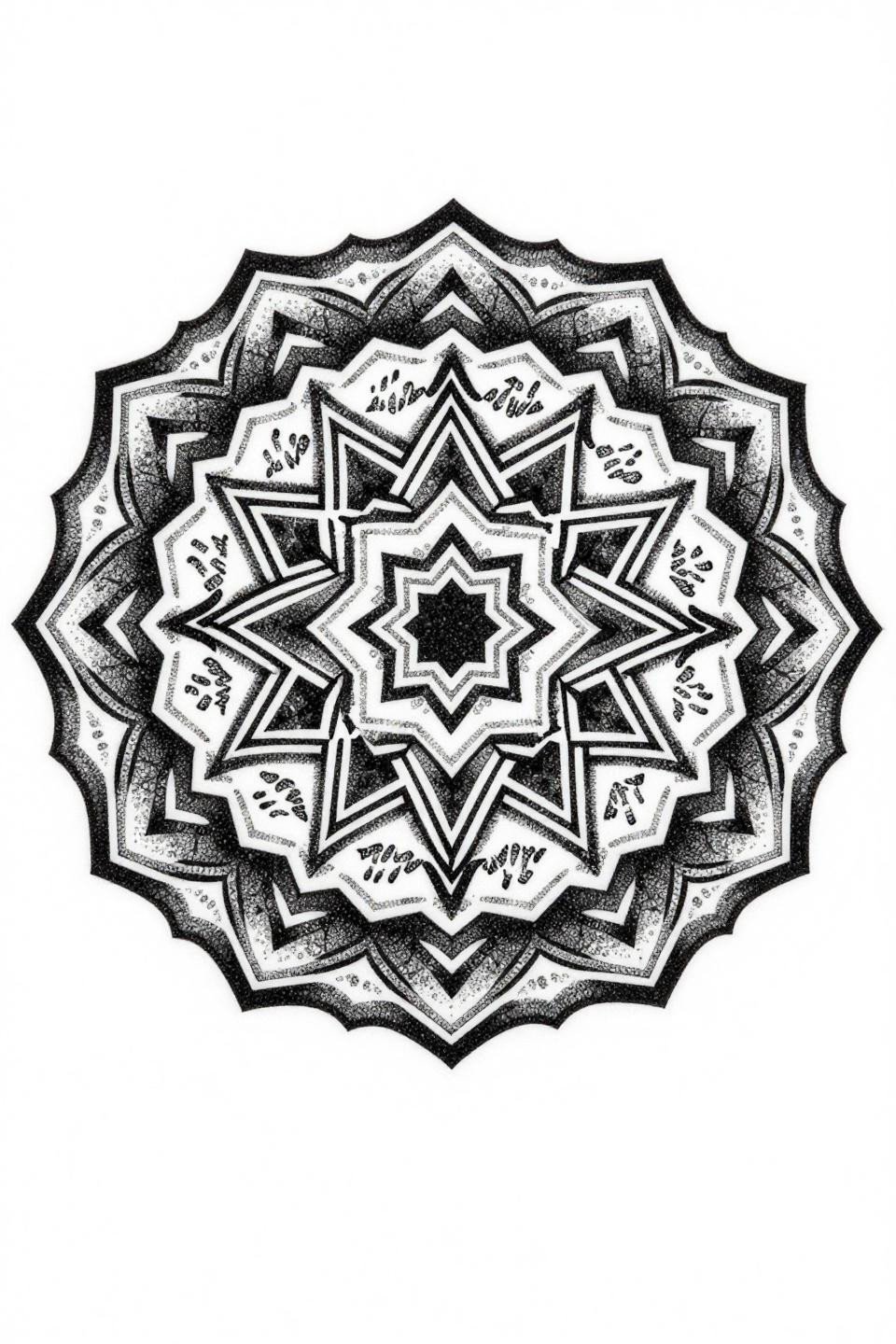
A geometric mandala built entirely on stipple dot gradient coverage, dense hexagonal tessellation suppressing script beneath, with no outline dependency and consistent dot spacing across all zones.
The tell in dotwork quality is uniform dot size across the full gradient. Inconsistent stippling signals an artist who hasn’t built the muscle memory for steady mechanical pressure, and it shows in healed results.
The Black Rose Skull Combination That Covers Without Compromise
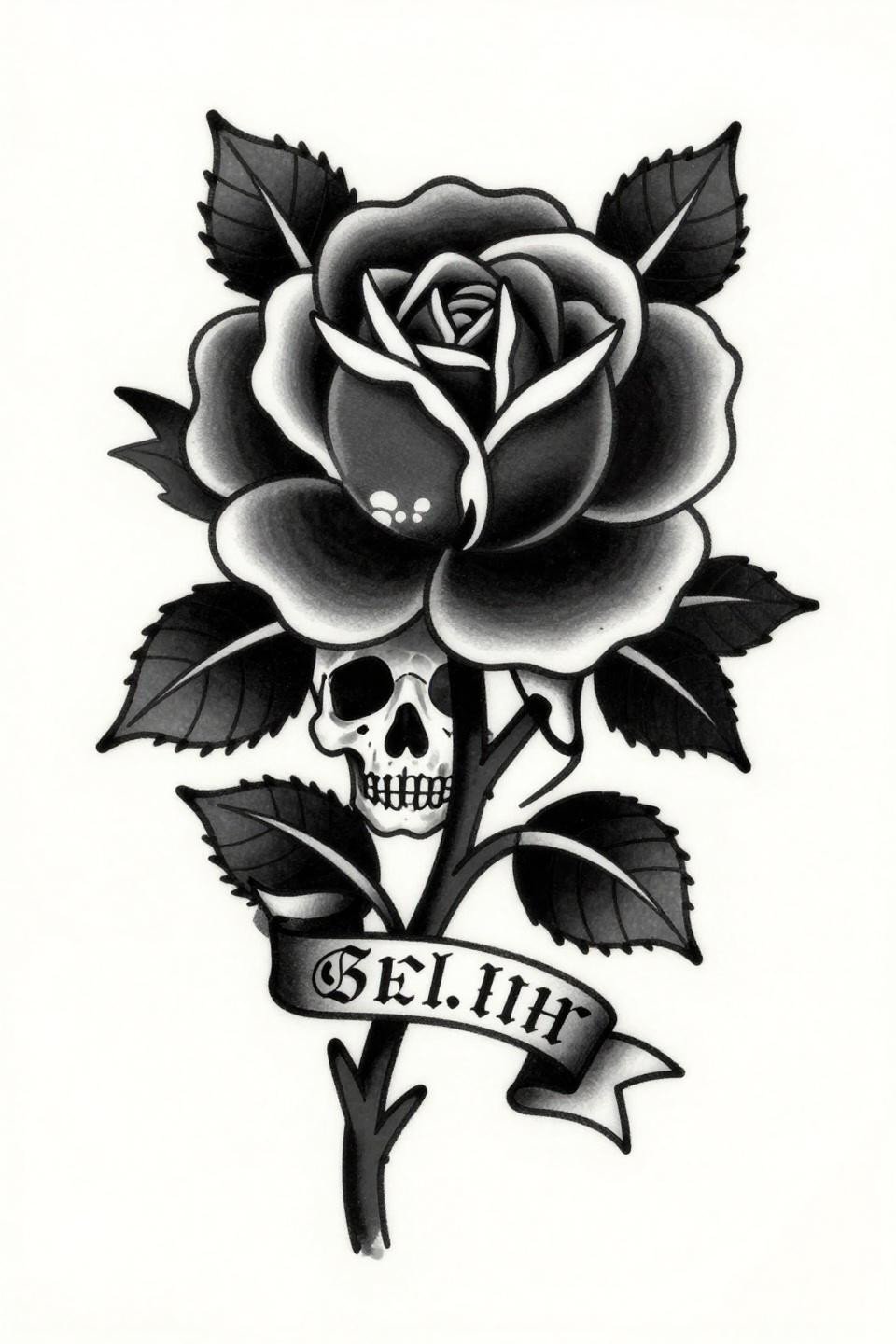
A neo-traditional black rose with a skull replacing the pistil at bloom center, bold 4pt outlines and flat blackwork fills, and an ornamental script banner flowing across the thorned stem.
Full blackwork saturation at this coverage level holds ink density indefinitely when the artist commits to layered passes during the session. Protected placements like the upper arm or thigh give this style its best shelf life.
Why a Small Sun Mandala Can Still Bury a Large Original
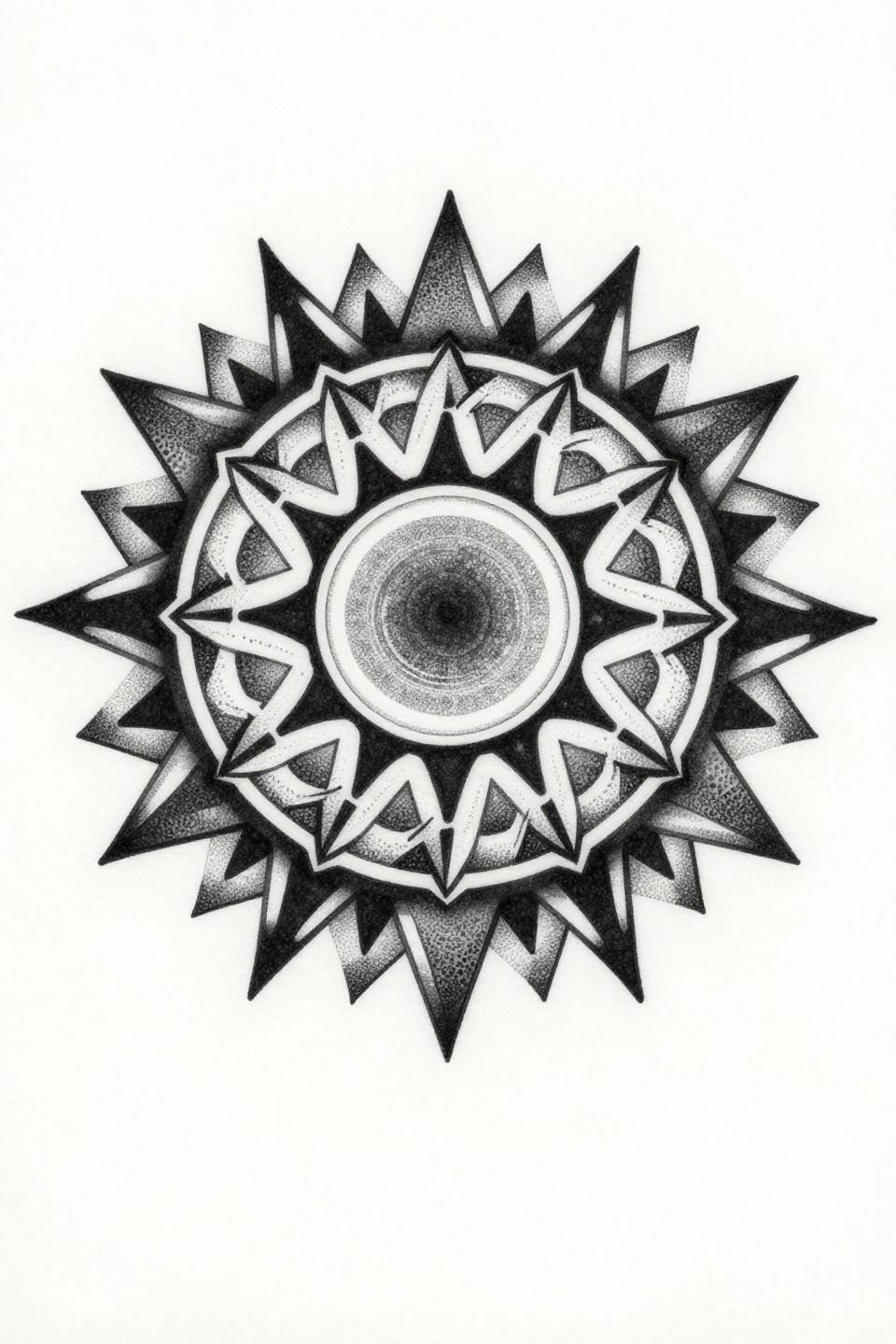
A tribal geometric sun mandala with concentric angular ray segments and stipple dot gradient coverage, letterform fragments dissolving beneath the interlocking geometry, dense at core and open at outer edges.
Scale matters less than density placement in cover-up work. A compact mandala with properly directed blackwork can suppress a larger original if the artist maps the old ink before placing any new lines.
Traditional American Floral Mandala and the Cover-Up Script Problem
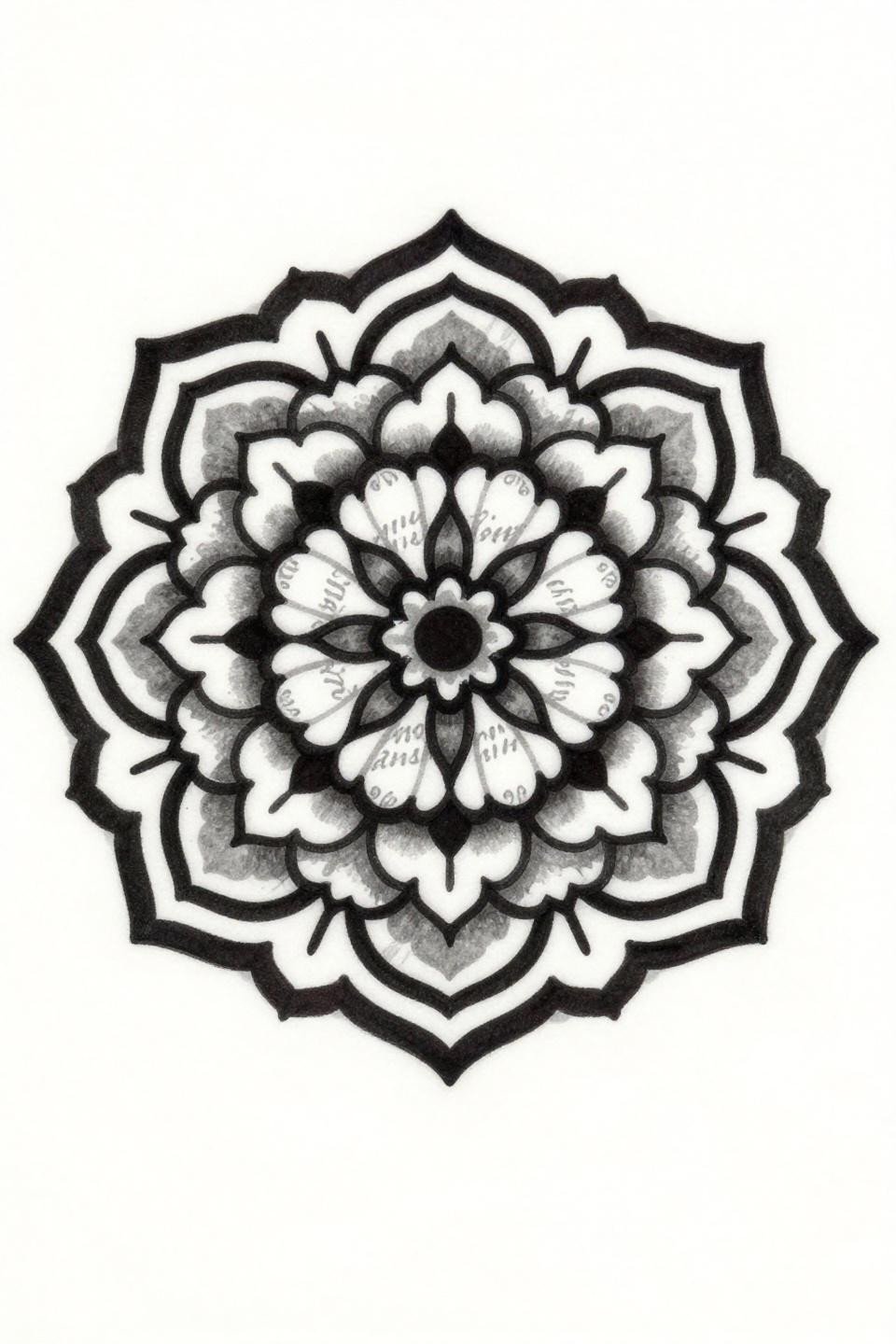
An ornamental mandala in traditional American style, dense layered floral petals concealing obscured script beneath interlocking arabesque geometry, rendered with bold 2 to 3pt outlines and flat black fills.
Traditional American line weight is reliable for cover-up work precisely because those outlines were built for longevity on varied skin types, reading clean on lighter and mid-tone skin without the fine line degradation risk.
Celtic Knotwork Parallel Line Fills Create Optical Depth That Hides Old Ink
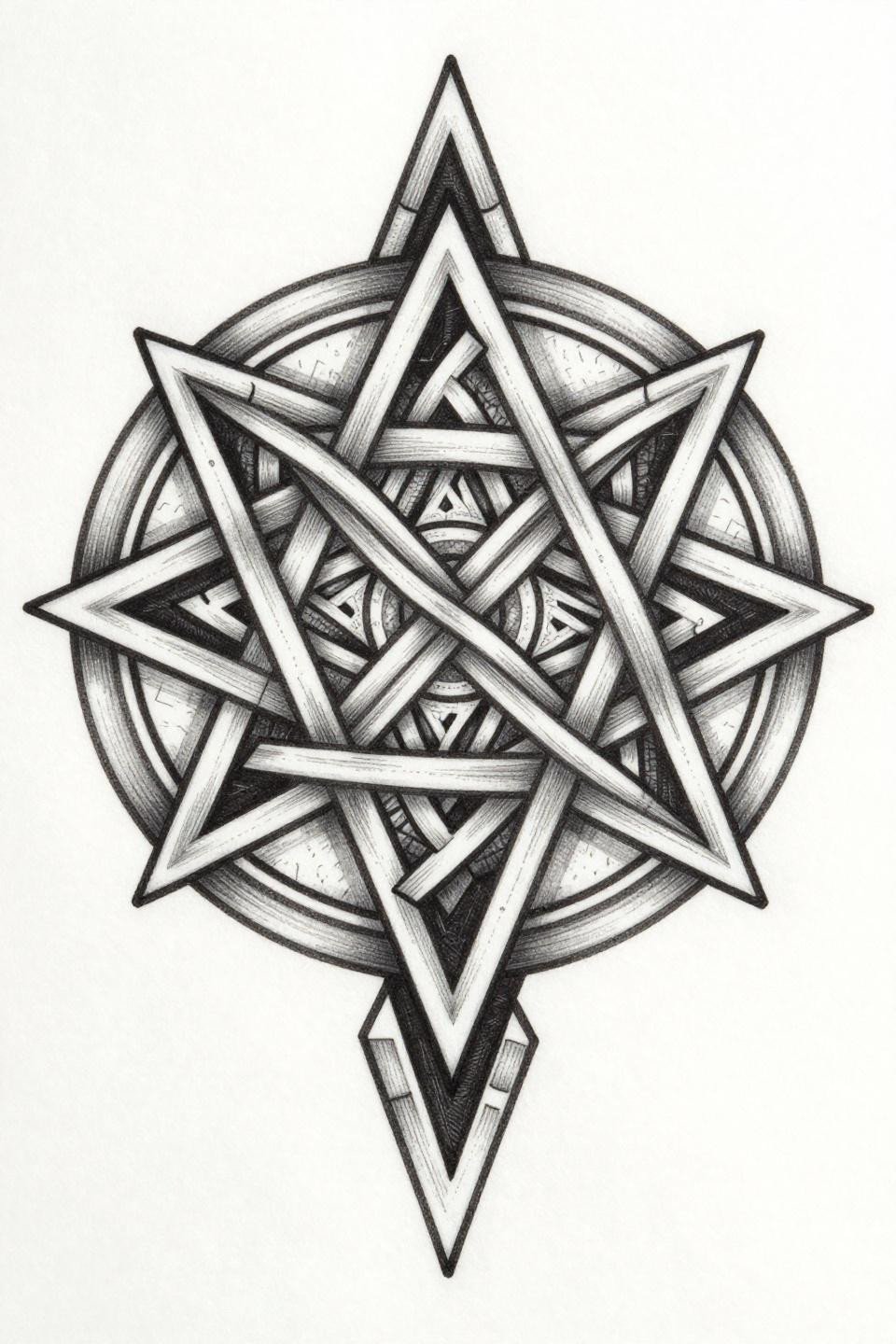
Interlocking Celtic star geometry over concealed angular script, built from 1pt parallel line ruled hatching and solid black fields that create optical depth through the engraving effect alone.
The rectilinear grid structure in this design is the coverage mechanism. Parallel line fills at this density visually flatten underlying shapes without requiring the full blackout saturation that some artists default to unnecessarily.
Celtic Eye Mandala: Knotwork as Structural Concealment Logic
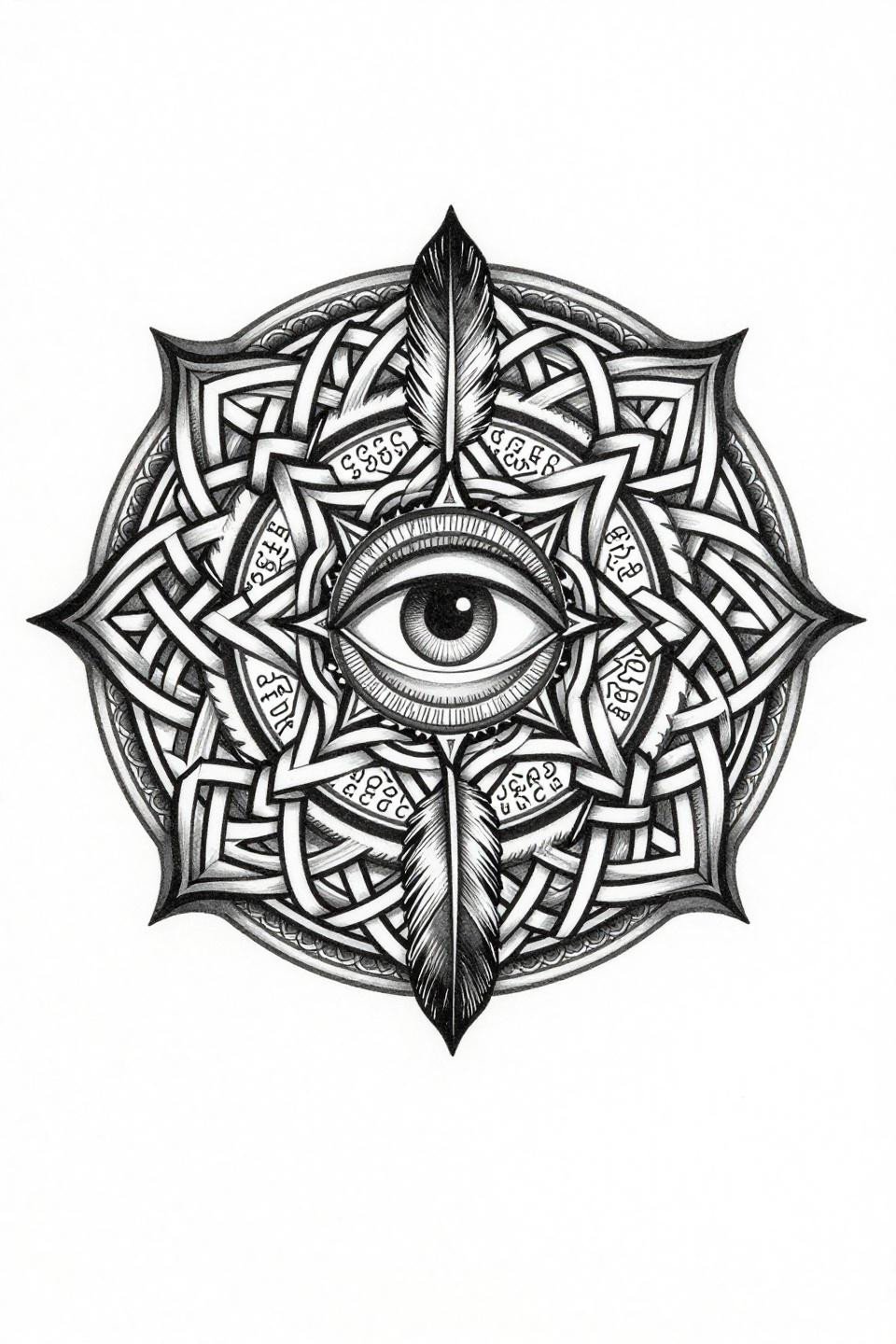
A sacred geometry mandala with a central eye anchoring interlocking Celtic knot bands woven with feather motifs, all rendered in bold outlines and flat fills with text concealed beneath the braided rings.
The layered woven structure in Celtic knotwork gives artists genuine flexibility in redirecting the eye through the design, making it one of the more forgiving choices when the original tattoo has an irregular or asymmetric footprint.
Koi and Water Vortex: The Irezumi Cover-Up Mechanic Explained
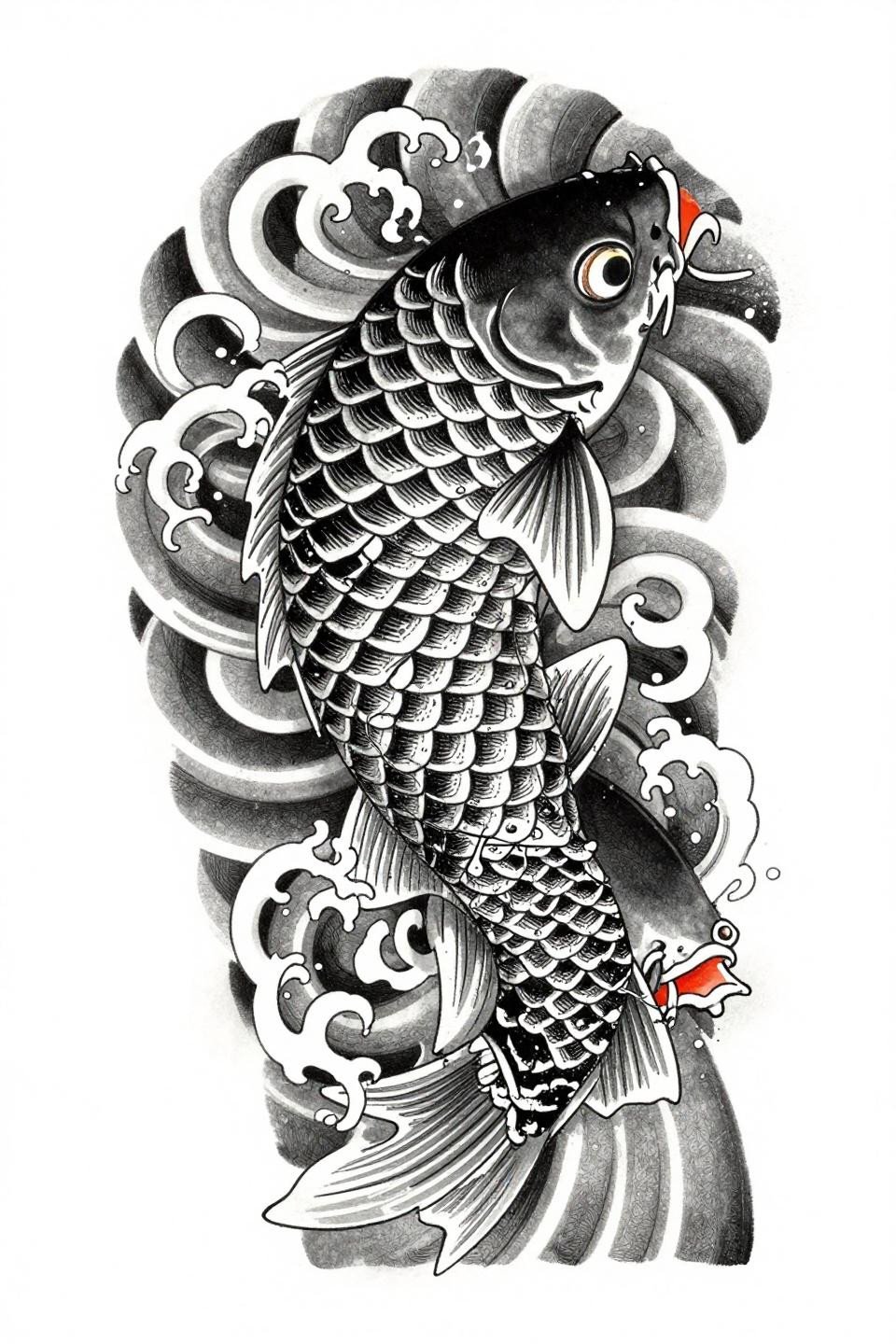
A koi ascending diagonally through churning water vortex spirals, scales rendered in tight parallel line engraving with dense hatching at edges, script fragments buried beneath the wave forms.
Japanese irezumi water patterns are among the most effective cover-up tools in the style catalog because the flowing spiral forms can expand or compress to redirect coverage exactly where the underlying tattoo requires it.
Geometric Blackwork Phoenix: Zero Gradients, Maximum Suppression
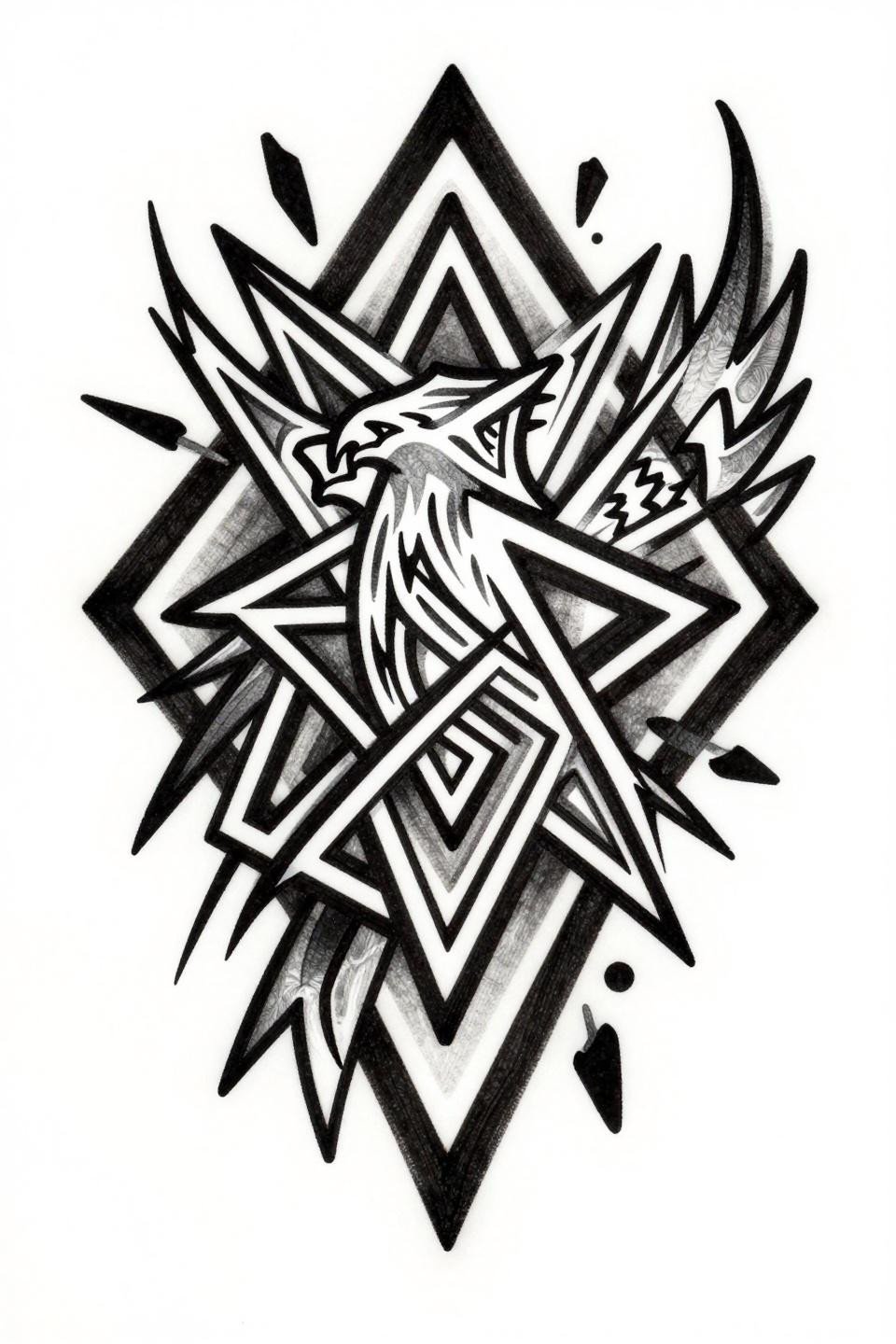
An abstract phoenix silhouette built from interlocking triangular shard blackwork, bold 3pt outlines, flat solid fills, and zero gradients, with negative space voids carved through the dense angular geometry.
Hard geometric blackwork with no gradient transitions is the highest-certainty cover-up option for saturated original tattoos. Flat solid black fields leave no midtone zones where old ink can bleed through over time.
Art Nouveau Floral Mandala and the Name Letterform Problem
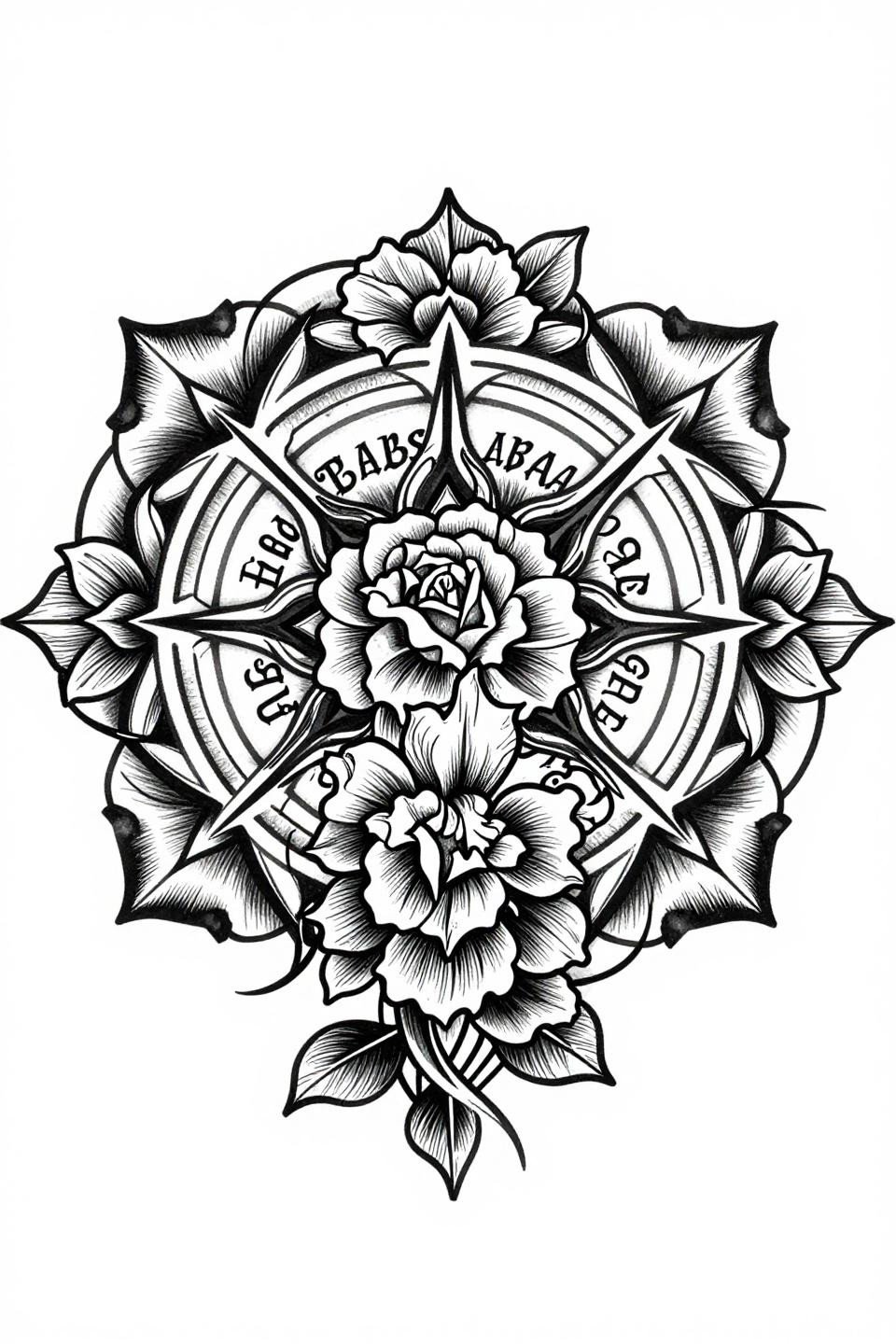
An art nouveau floral mandala with whiplash curves framing layered rose and iris petals, sacred geometry arcs radiating outward, and obscured letterforms buried beneath the botanical tiers.
Name cover-ups on the forearm benefit from this vertical mandala structure because the radiating petal layers distribute ink mass evenly across what is typically a narrow, elongated original tattoo footprint.
Peony Botanical Etching Works Because Organic Chaos Has No Pattern to Break
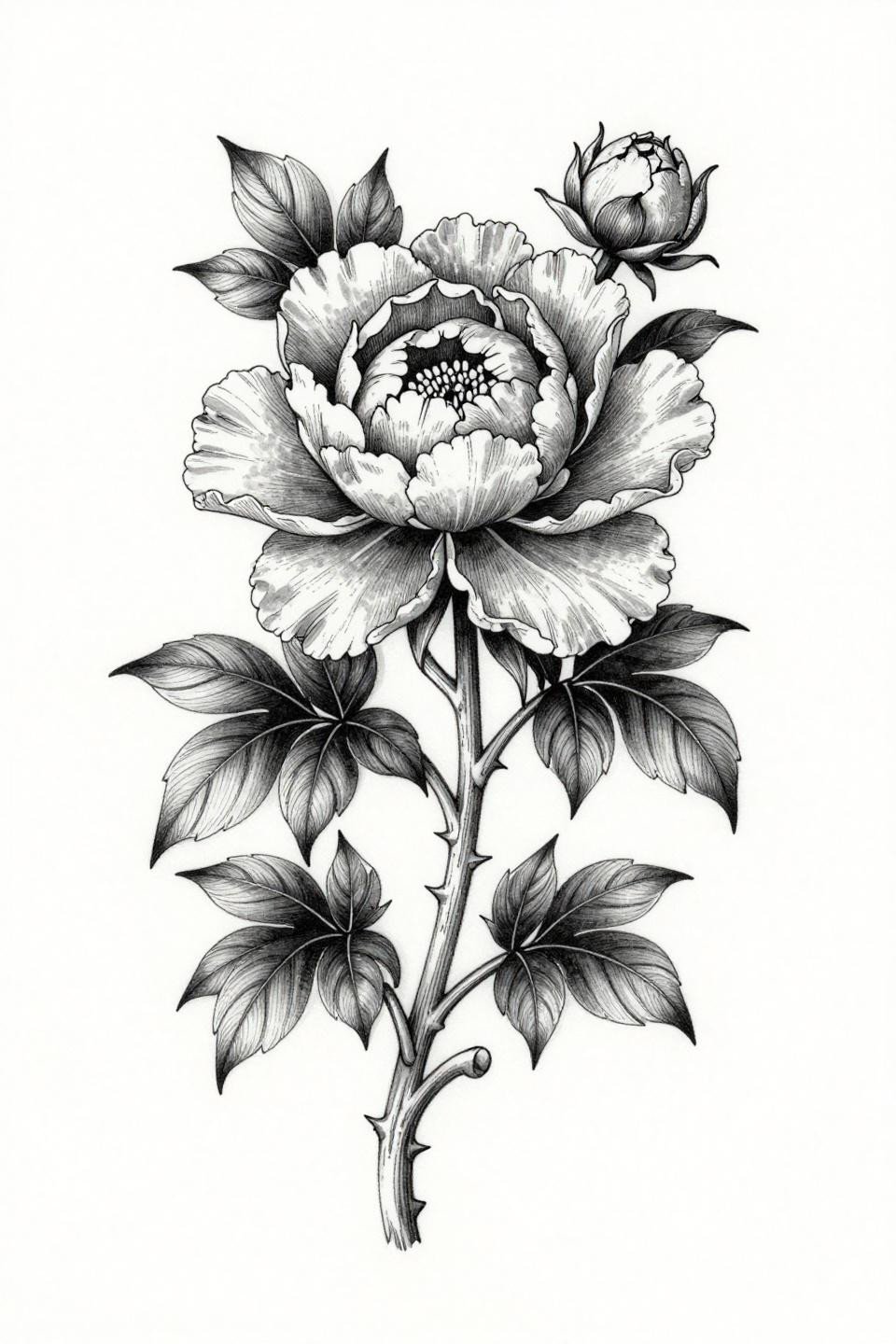
A densely layered peony with intertwining thorned vine tendrils, rendered in 0.5mm hairline etching strokes and fine crosshatch shading in botanical scientific style, asymmetric vertical flow composition.
Organic botanical forms succeed as cover-ups because the irregular layering of petals, tendrils, and leaves creates no repeating pattern that the eye can follow back to the original tattoo’s shape beneath.
Dotwork Moth Mandala: Negative Space as the Final Cover Tool

A circular mandala with a negative space moth silhouette at center, concentric geometric petal rings and lacework border built on stipple dot gradient dense at center and open at outer edges.
Using negative space as the focal subject inside a cover-up mandala is a technical inversion worth noting. The surrounding density does the suppression work, while the moth reads clearly because the skin itself defines the form.
Filter these by the shape and placement of the original tattoo before sending anything to your artist. A reference that matches your actual cover problem does most of the consultation work for you. Pick three that map to your situation and build the conversation from there.