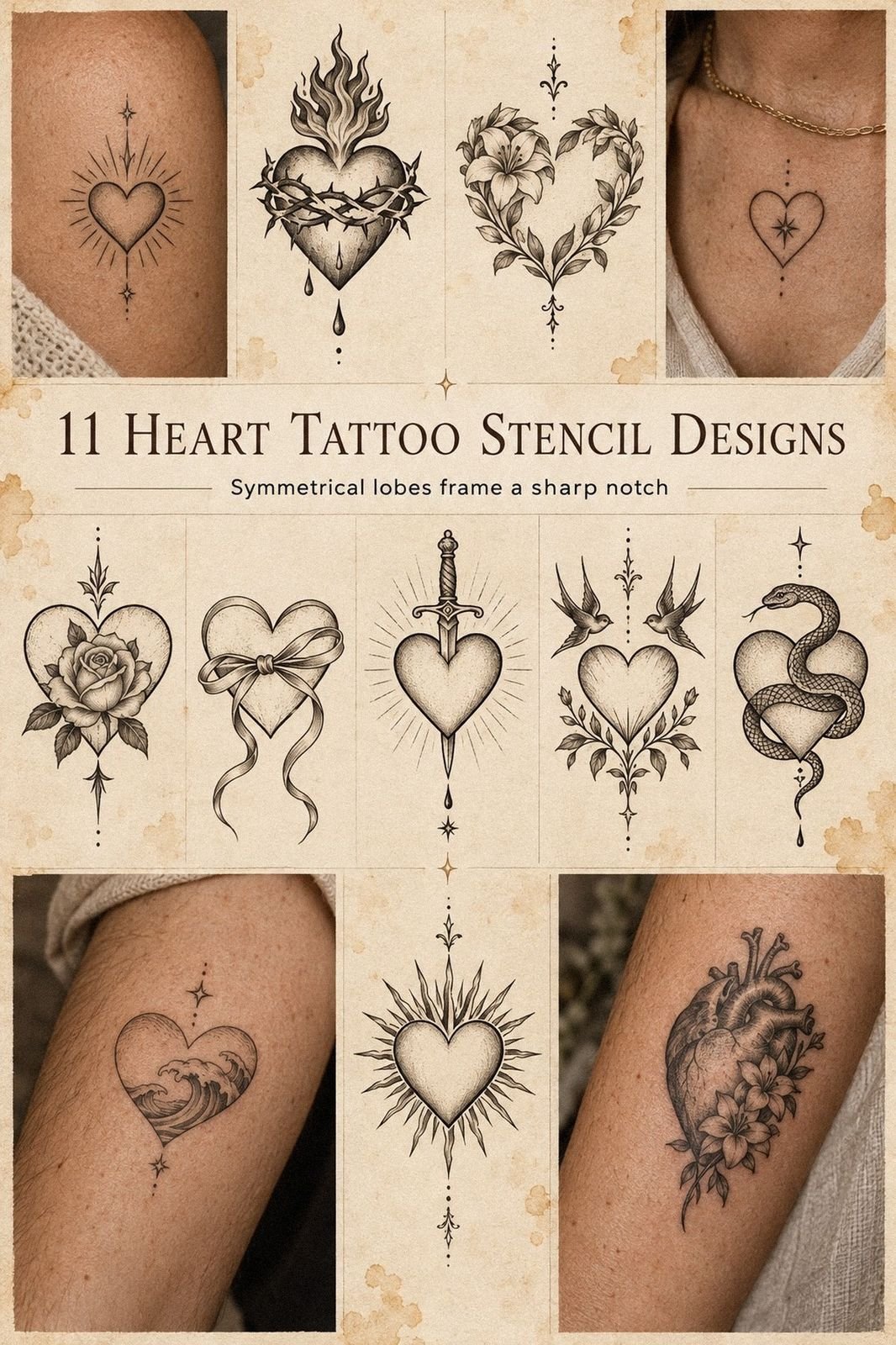
Heart tattoo stencil planning gets easier when you solve meaning, line weight, placement, and aftercare in that order. I learned this after nearly choosing a tiny outline that looked crisp on paper but disappeared beside the ear. You’ll want a design that feels personal and reads clearly as your skin moves.
- ✓ Start With a Meaningful Heart Tattoo Stencil
- ✓ Pick Intricate Linework For Striking Ink
- ✓ Place Your Stencil Where Skin Moves Naturally
Start with the stencil. Then question every detail. A thoughtful choice can be both minimal and memorable.
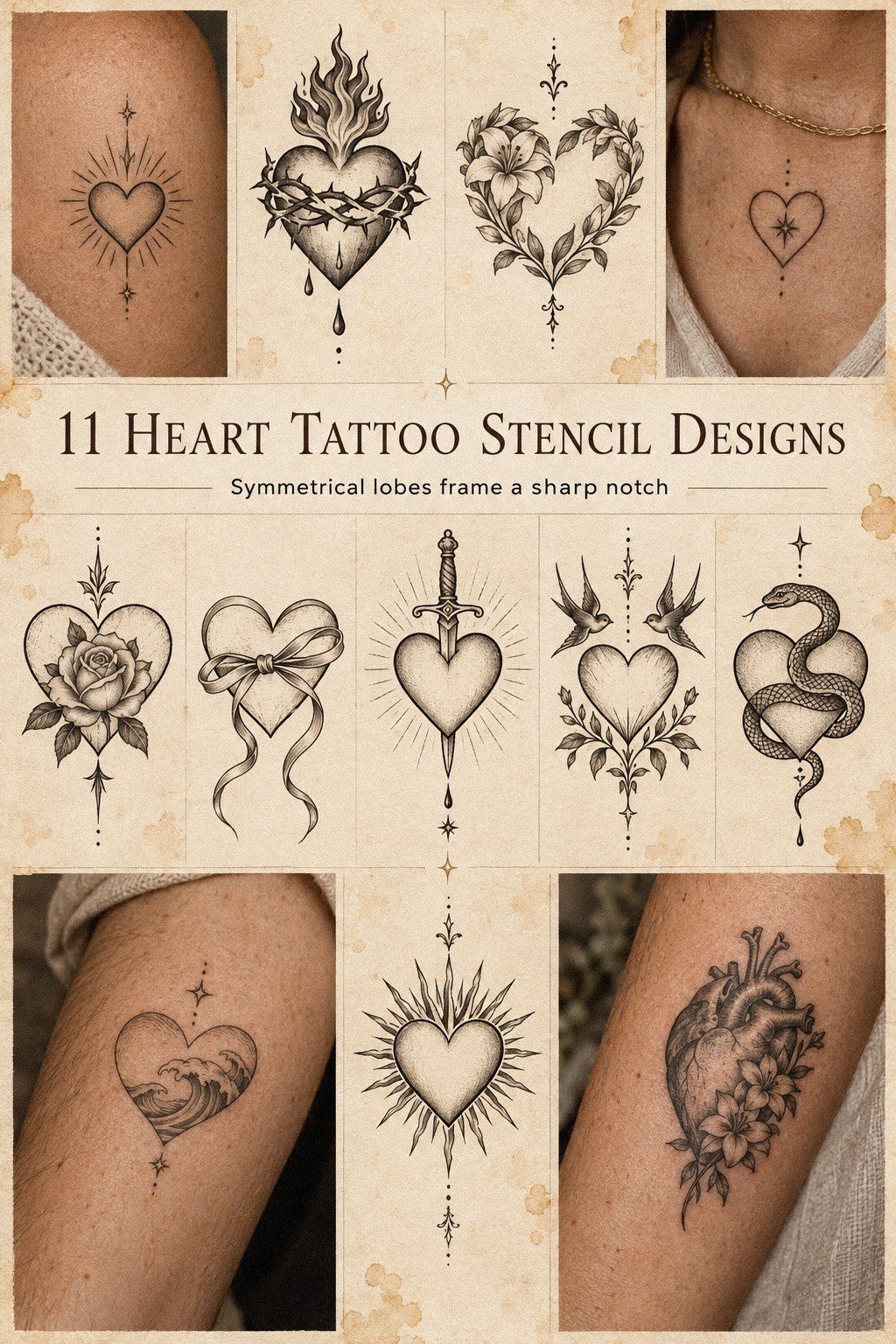
- Start With a Meaningful Heart Tattoo Stencil
- Pick Intricate Linework For Striking Ink
- Place Your Stencil Where Skin Moves Naturally
- Keep Simple Heart Tattoo Designs Crisp
- Plan Pain Around Sensitive Tattoo Placement
- Choose Flowing Details For A Graceful Stencil
- Test Bold Outlines Before Permanent Ink
- Match Love Tattoo Stencils To Your Style
- Add Symbolic Elements With Personal Meaning
- Protect Delicate Lines During Tattoo Healing
- Refine Your Heart Stencil Into Timeless Ink
1Start With a Meaningful Heart Tattoo Stencil
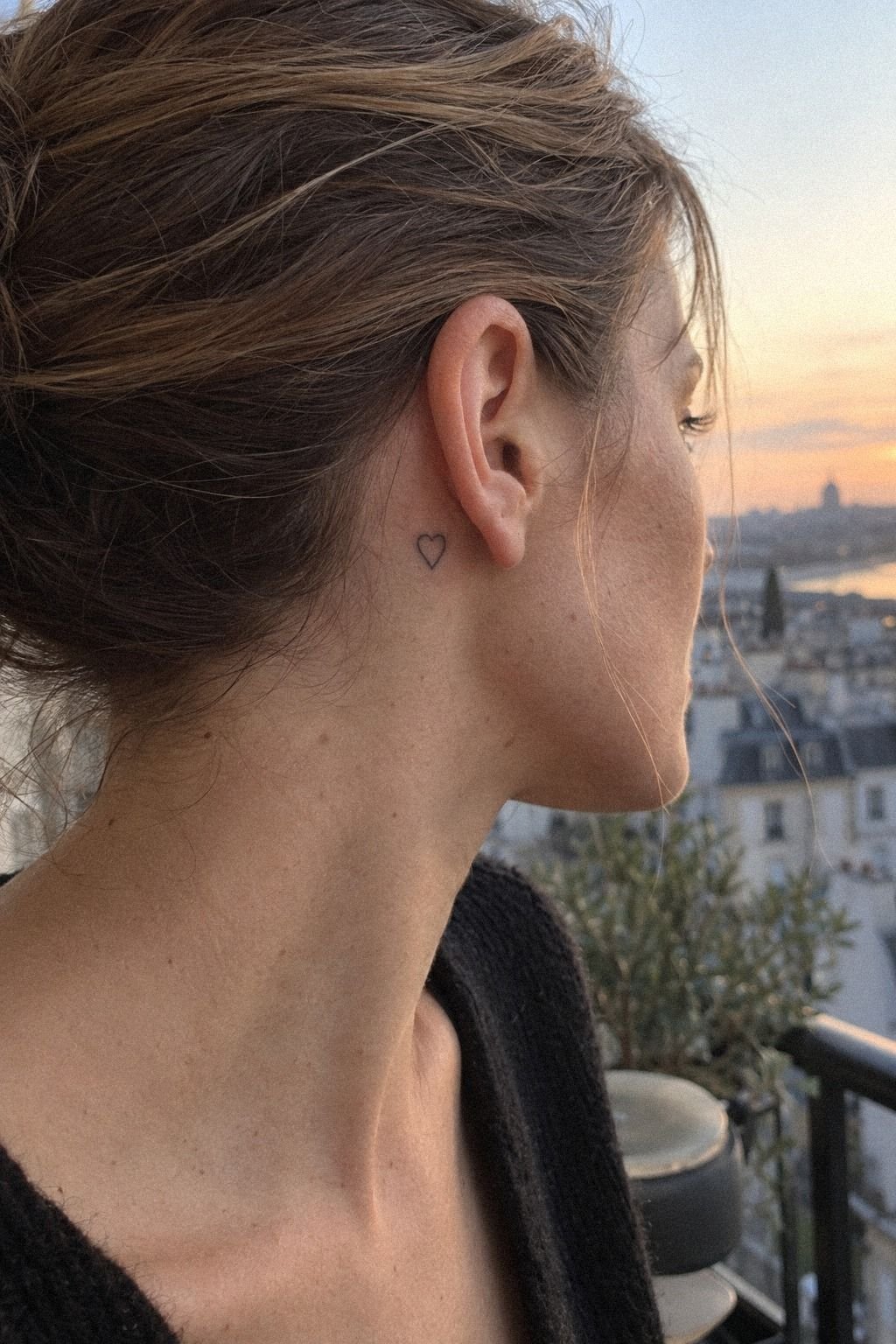
Begin with the reason you want the heart, not the shape you saw online. Your meaning might be romantic, familial, sacred, or quietly personal. Write one sentence before you sketch: “This heart represents…” That sentence becomes your filter when you’re choosing between a simple heart outline, a broken heart, or a small symbol inside the center.
For a behind-the-ear placement, keep the emotional idea visible without crowding the outline. A clean heart can look delicate and polished, while the same design may need a slightly stronger line on deeper skin tones to stay crisp in photographs. Your artist can adjust contrast without losing the original feeling.
I’d avoid copying a heart just because it’s trending. A copied shape can look stylish, but it won’t feel meaningful when you see it every morning. If you’re drawn to sacred imagery, compare your idea with this guide to sacred heart tattoo meaning before you commit.
Keep your first stencil simple enough to understand from a few steps away. One central curve, one point, and one balanced opening may say more than five decorative details.
That restraint is what makes the finished heart feel timeless rather than generic. You can also compare small proportions in this black heart tattoo collection.
2Pick Intricate Linework For Striking Ink
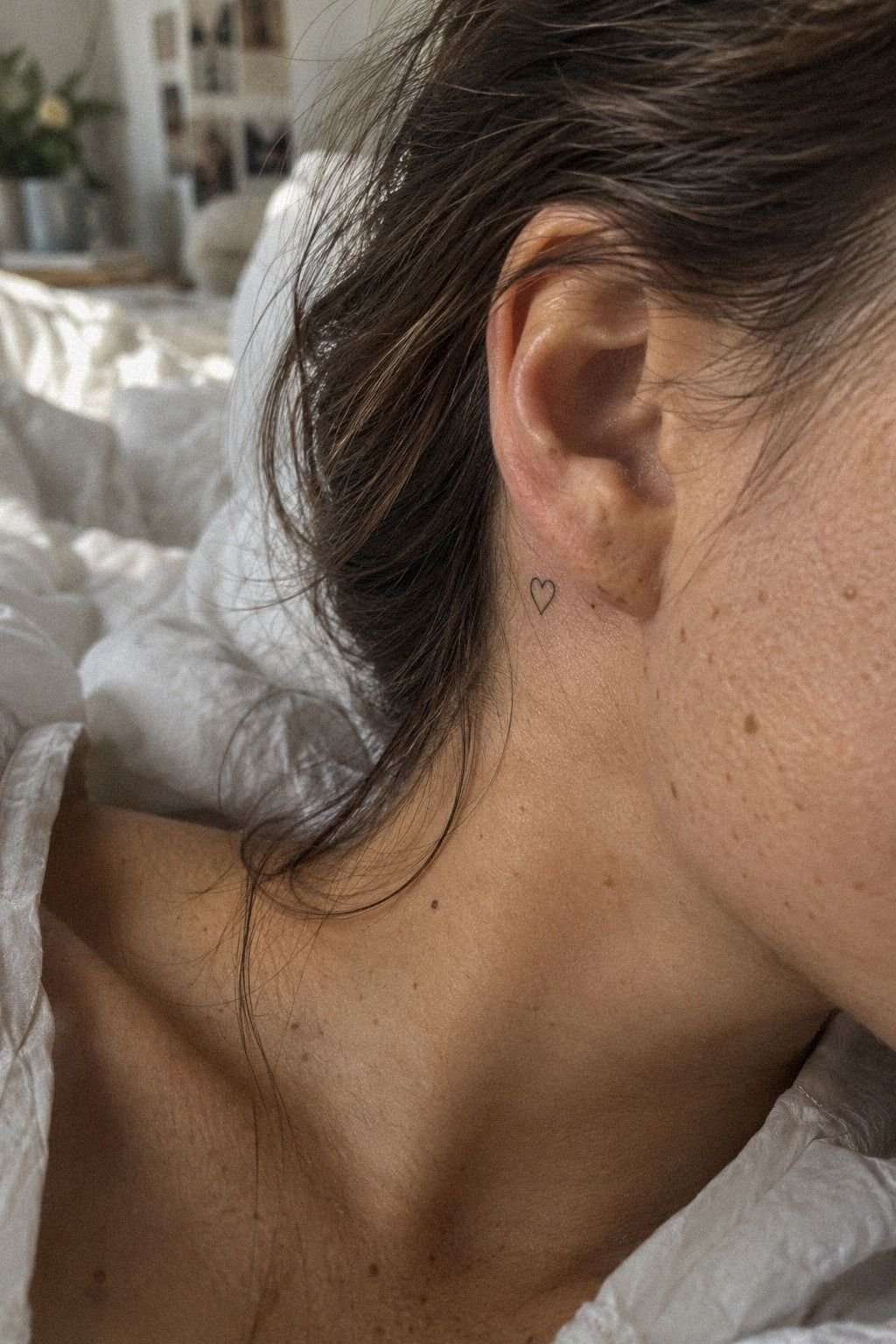
Once your meaning is clear, choose the linework that carries it. Fine-line heart tattoos depend on spacing, pressure, and clean transfer.
Ask your artist to show you healed examples, not only fresh photographs. Fresh black ink often looks crisp, while healed work reveals whether the lines stayed distinct.
For a small heart behind the ear, intricate linework should be selective. A tiny loop inside the heart may look ornate on a screen but turn into visual noise on skin. You’ll get a more expressive result from one interior curve than from several thin marks competing for the same space.
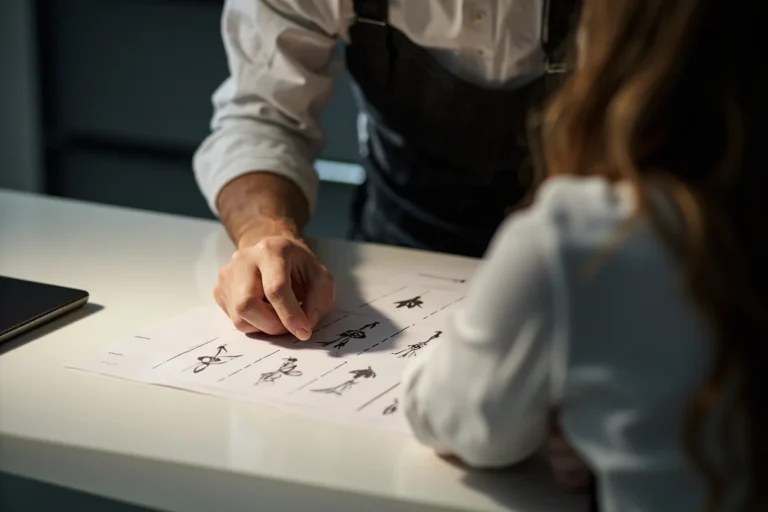
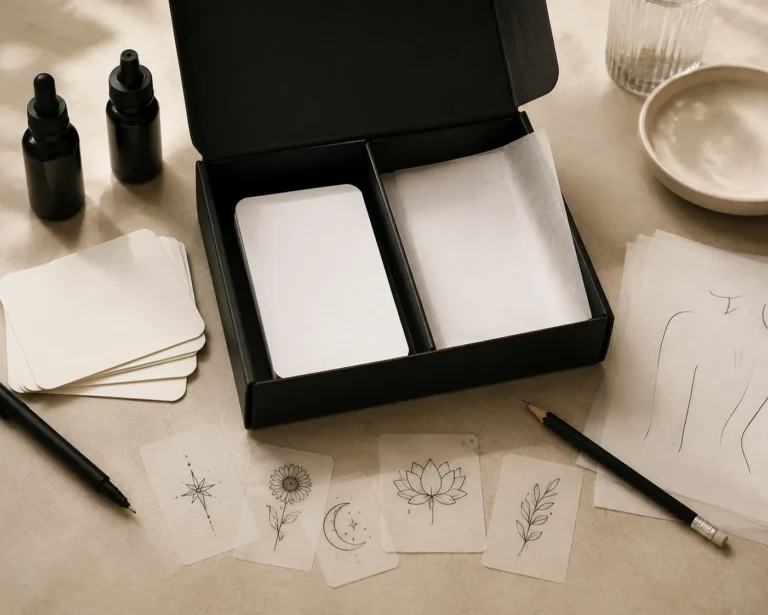
Bring a printed reference and a digital version to your consultation. Your artist can place the stencil behind the ear, photograph it from the side, and help you judge whether the outline still reads when your head turns. I’d choose Spirit transfer paper for a clean transfer, but your artist’s preferred setup matters more than the label.
Don’t confuse more detail with more personality. The strongest heart stencil often has one intentional detail, such as a narrow opening, an uneven lower point, or a subtle double contour. If you’re still comparing styles, browse this tattoo outline drawing stencil design guide and note which lines you keep returning to.
This love heart tattoo reference can help you compare softer and sharper curves.
3Place Your Stencil Where Skin Moves Naturally
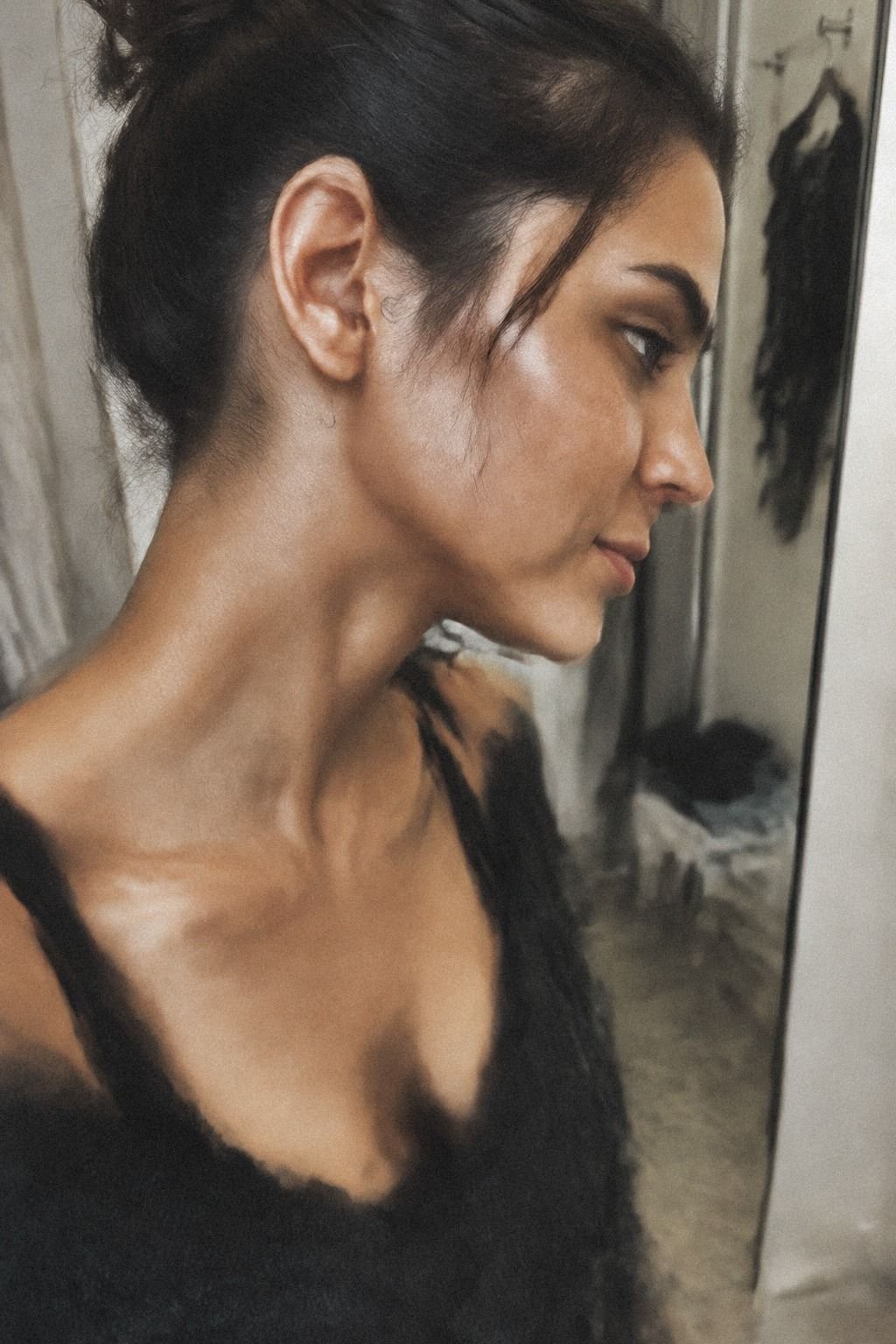
Place the stencil while your body is in a relaxed, natural position.
4Keep Simple Heart Tattoo Designs Crisp
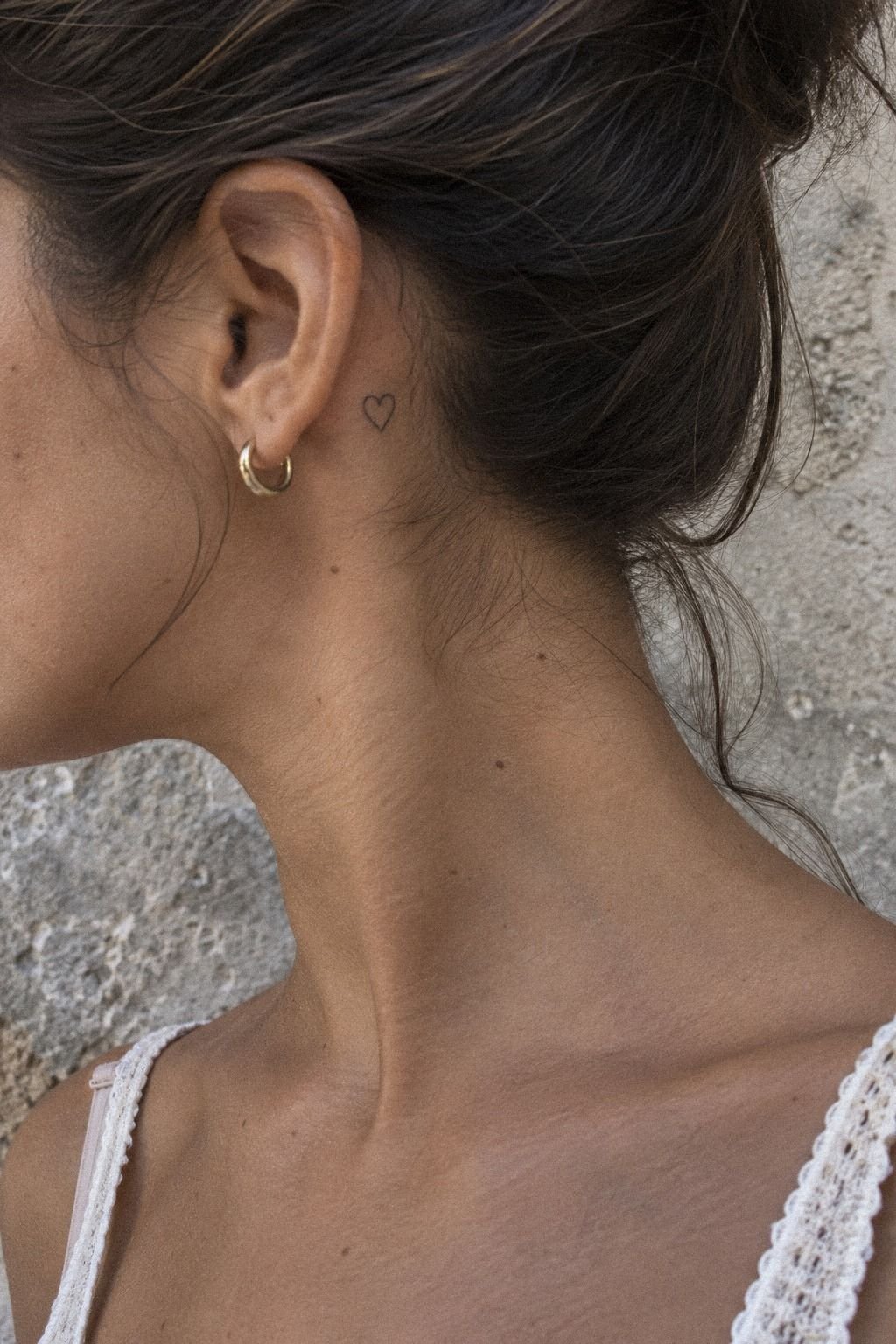
A simple heart succeeds when every curve has room to breathe. Start with the outer silhouette, then decide whether the point should be rounded, sharp, narrow, or slightly uneven.
Your artist can create a minimal heart tattoo with a single outline, but minimal doesn’t mean careless. Each millimeter affects the balance.
For golden tan skin, ask your artist to photograph the stencil under neutral light. Warm skin can change how transferred purple or blue lines appear, and harsh lighting may hide a weak curve. You’ll want to see the design from the front, side, and a slight distance before the session starts.
I made the mistake of approving a design while staring only at the screen. On paper, the heart looked delicate and understated.
Against the body’s curve, it needed a slightly stronger lower point. Your artist may recommend a modest adjustment, and that’s useful information, not a failure of the original idea.
Skip unnecessary shading if your goal is a clean outline. A single black tattoo ink contour generally gives a sharper read than a small patch of gray squeezed inside a tiny heart. For more outline references, look through this love heart tattoo collection and compare the shapes at thumbnail size.
You can also review a red heart tattoo for contrast ideas.
5Plan Pain Around Sensitive Tattoo Placement
Pain depends on placement, your own sensitivity, session length, and how close the needle works to bone. Behind the ear can feel sharp and buzzy because the skin is thin and the area is close to cartilage.
Your artist should explain what to expect without promising a painless experience. That honest conversation helps you stay calm.
Use the placement as part of your decision. Ribs, feet, hands, and sternum are commonly more painful because they have less cushioning and more bone nearby.
Forearms, thighs, and shoulders are often more tolerable. If you’re choosing among several locations, ask yourself which placement lets you stay still without bracing your whole body.
A small tattoo may still meet a studio minimum, so the tattoo session cost isn’t always based on minutes under the needle.
Bring water, eat normally, and wear clothing that gives your artist easy access. You don’t need a dramatic ritual, but you do need to arrive prepared. A single-use razor may be used if hair interferes with the stencil, and your artist should explain each hygiene step.
The price can be worth the cost when the artist’s healed work, hygiene, and communication are strong. A fierce design isn’t a good value if rushed placement leaves you unhappy.
And remember that pain isn’t a competition. A bold heart design can still be a poor choice if you’re tense and unable to hold position. I’d pick a slightly more tolerable area over a theoretically perfect placement if it gives your artist steadier skin and gives you a calmer session.
6Choose Flowing Details For A Graceful Stencil
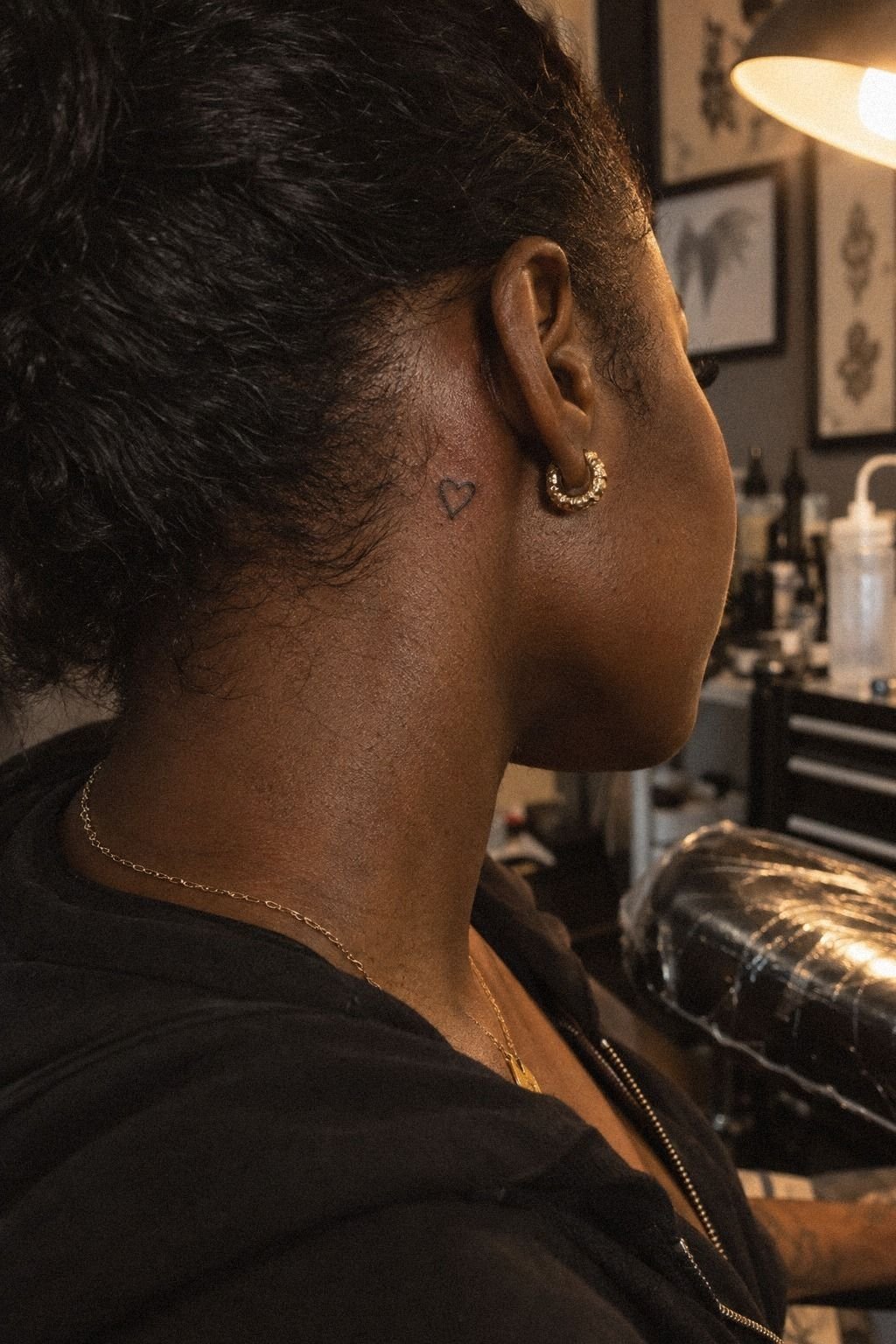
Flowing details work best when they extend the heart’s natural movement. Think of one tapered line, a small botanical curve, or a subtle ribbon shape that follows the ear rather than wrapping randomly around it. Your goal is a flowing heart stencil, not a pile of decorations.
On deep ebony skin, a clean outline gains presence from contrast and spacing. A small open heart can look bold without becoming heavy when the artist leaves the center untouched. If you add a line beneath it, keep that line visually connected to the heart’s direction.
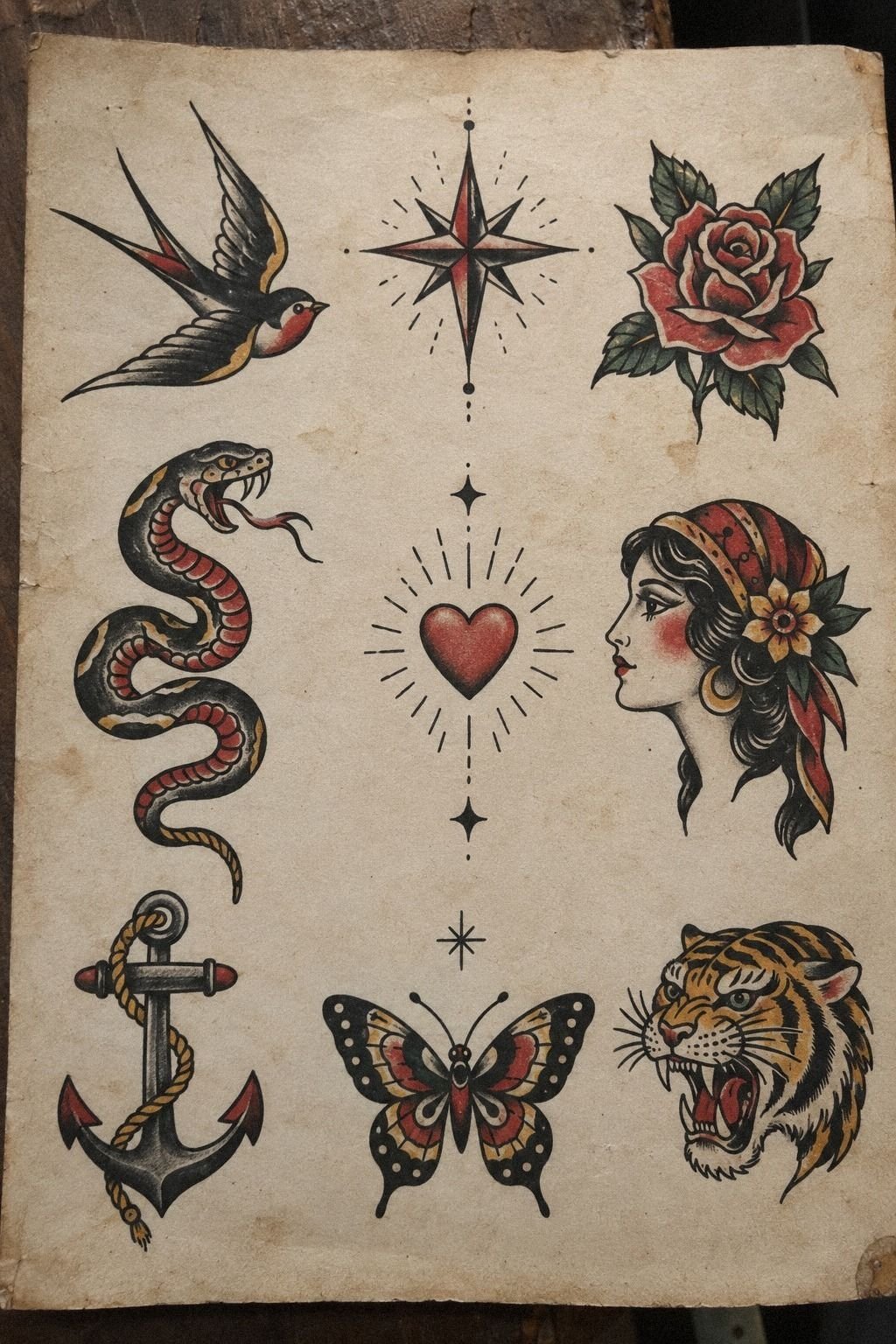
I’d avoid copying a full flash-sheet composition into a tiny behind-the-ear space. A sheet can show several ideas together, but your skin only has room for one readable focal point. Compare the placement of a black stencil line with the open skin around it, then remove the detail that makes the heart feel crowded.
A flowing addition can be meaningful when it has a reason. A curve might represent a heartbeat, a handwritten initial, or a path through a difficult year.
If you’re considering a red accent, study this red heart tattoo reference first and ask whether color supports your idea or merely competes with the outline. This heart tattoo ideas collection may help you compare open and filled shapes.
7Test Bold Outlines Before Permanent Ink
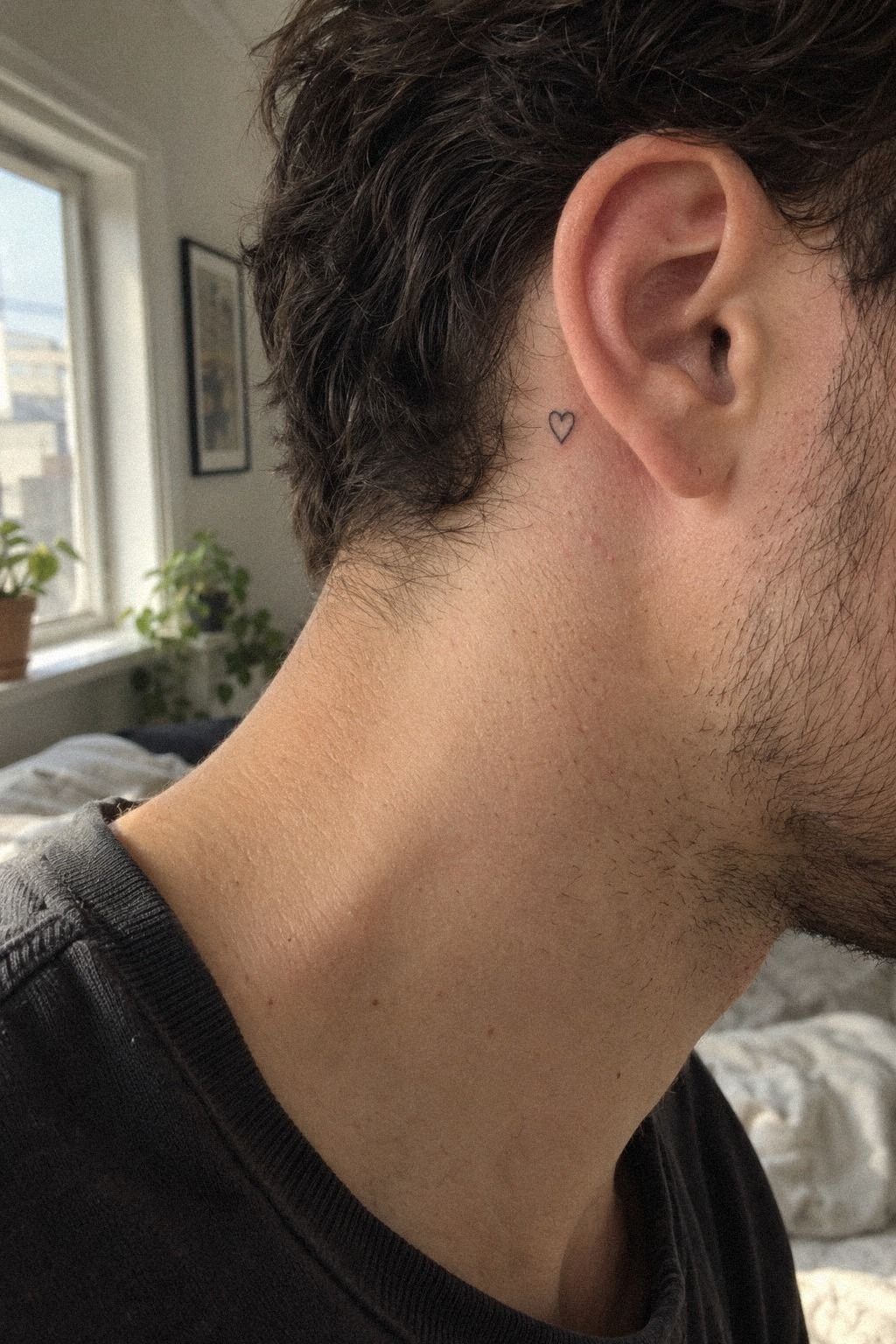
Test a bolder version even if you expect delicate ink.
8Match Love Tattoo Stencils To Your Style
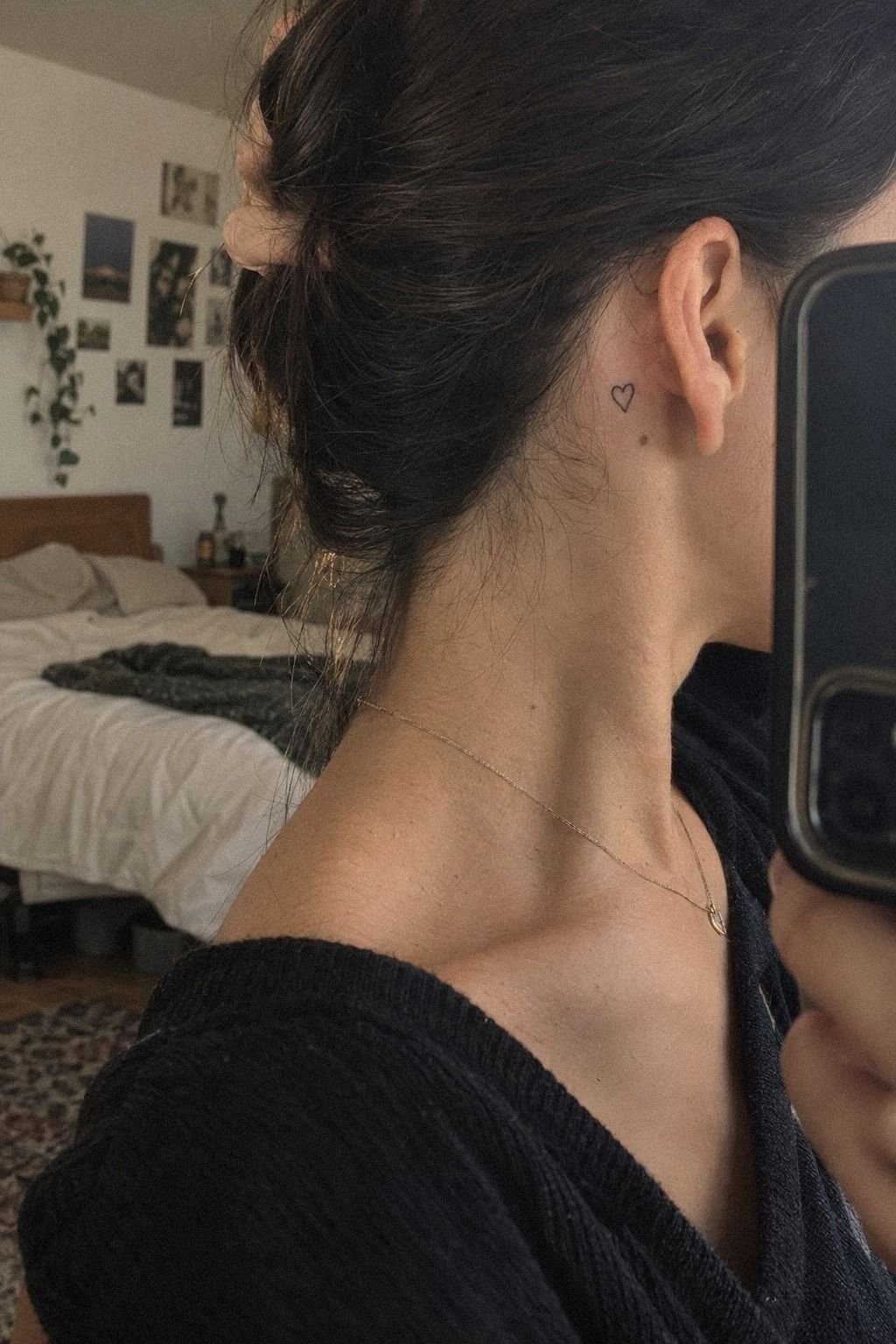
Your heart should belong to your visual language. If your jewelry is sharp and graphic, a clean geometric heart may feel more natural than a soft ornamental version.
If your style is romantic and vintage, a slightly uneven outline or tiny flourish may make more sense. The most personal heart tattoo is the one you won’t need to explain.
Look at your existing tattoos, clothing, and everyday accessories. You’ll notice whether you prefer classic black lines, expressive symbols, delicate curves, or more dramatic shapes.
A heart can be feminine, masculine, neutral, or completely outside those categories. Your artist should help refine the idea rather than steer you toward a house style.
Bring three references that share one quality, not ten unrelated screenshots. For example, choose small scale, open center, and no shading.
That gives your artist a clear direction while leaving room for a custom drawing. If you need a wider reference pool, this heart tattoo ideas collection can help you identify patterns in your taste.
Avoid chasing a style that looks impressive on someone else’s body. A fine-line tattoo may feel subtle and elegant on one person, while your anatomy may suit a stronger contour. Your final stencil should match your proportions, your wardrobe, and the way you want the tattoo to appear in five years.
The best design usually offers better long-term value than a complicated idea you’ll want to revise later.
9Add Symbolic Elements With Personal Meaning
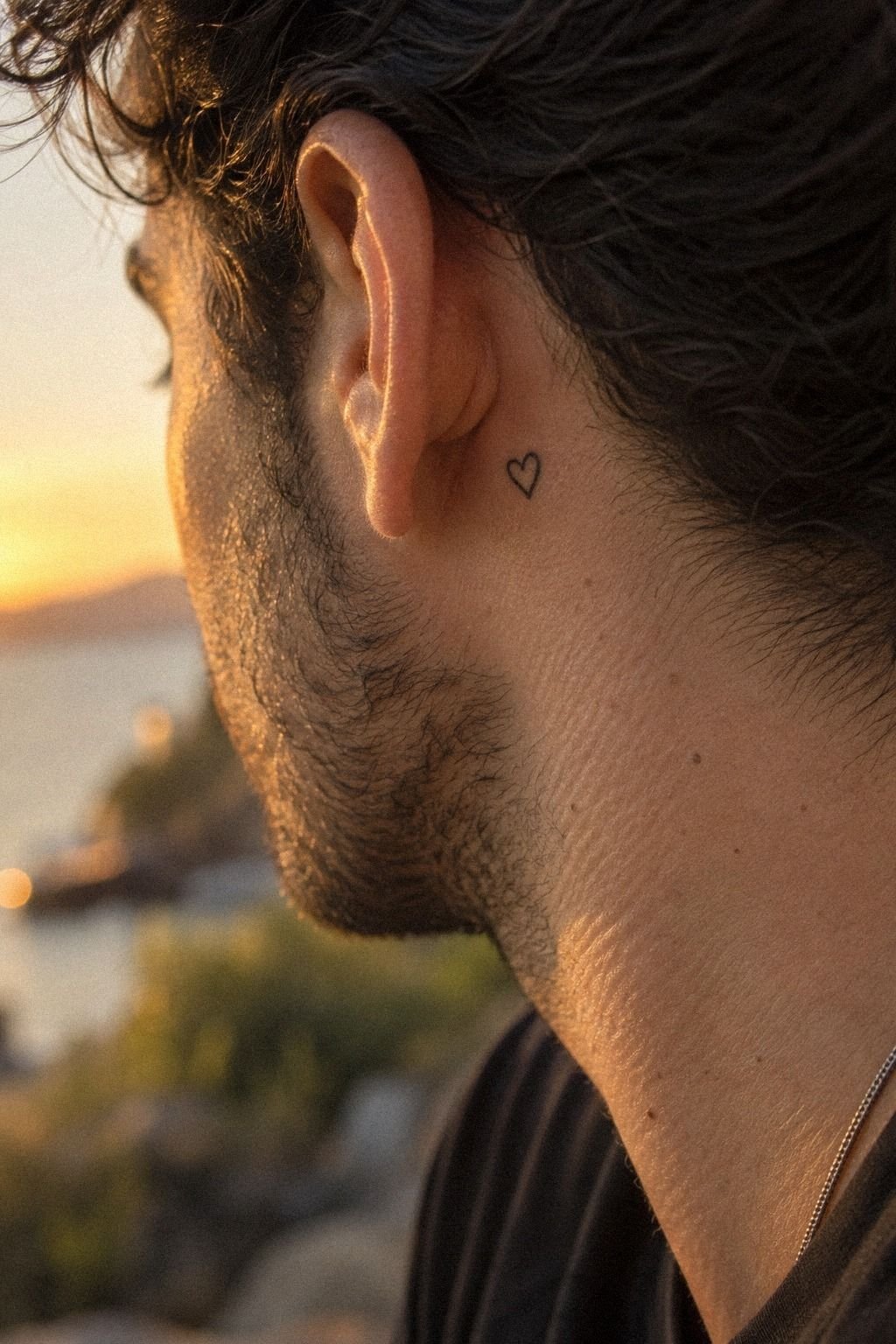
Add one symbolic element only after the heart works by itself. An initial, star, thorn, flame, or tiny botanical mark can make the stencil more symbolic, but each addition should earn its place. If removing it makes the heart clearer, leave it out.
A meaningful symbol doesn’t need to be obvious to everyone else. You might choose a small point for resilience, a broken line for a difficult chapter, or a second curve for someone you love. That private logic can make the tattoo feel empowering without making it visually loud.
If your idea involves a sacred heart, check that the details reflect what you actually mean. This sacred heart tattoo meaning guide can help you distinguish a religious symbol from a purely romantic one. You’ll make a stronger decision when the reference matches your intention.
Ask your artist whether the symbol will remain legible at the final size. A tiny mark may blur into the outline, especially behind the ear. A custom symbolic stencil is worth the effort when the meaning survives both the transfer and the healed result.
10Protect Delicate Lines During Tattoo Healing
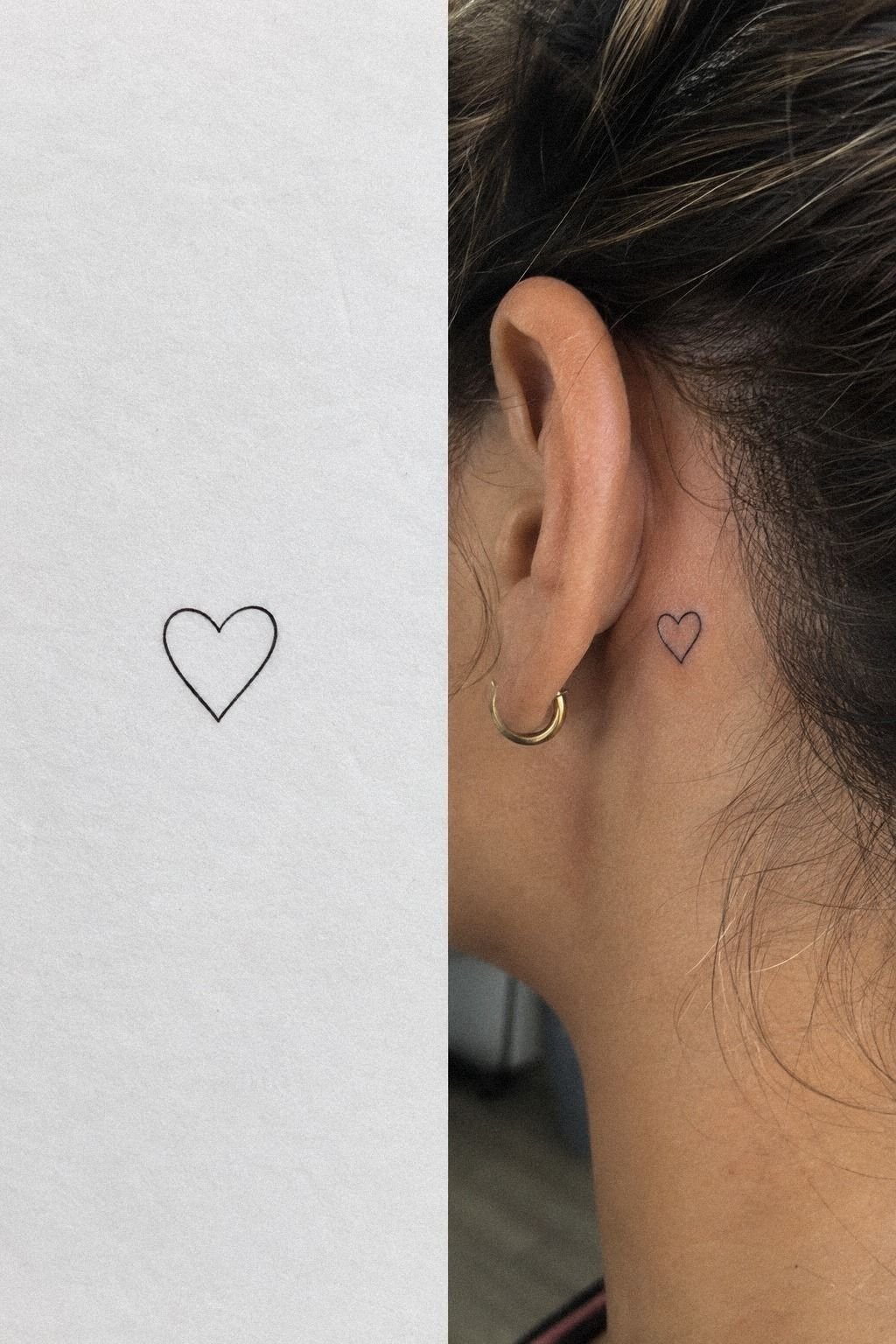
Protect the stencil’s final lines by following the aftercare your artist gives you. Surface healing usually takes about 2 to 3 weeks, while complete healing can take about 2 to 3 months. During that period, your tattoo may look darker, dry, flaky, or slightly uneven before it settles.
Wash gently with clean hands and a mild cleanser, then pat the area dry. Use the moisturizer recommended by your artist in a thin layer.
Avoid picking, soaking in a pool, and unnecessary sun exposure while the skin heals. Your fragrance-free cleanser should support gentle care rather than leave the area tight or irritated.
Behind the ear deserves extra attention because hair, headphones, hats, and phone contact can brush against the tattoo. You’ll want to keep those surfaces clean and avoid friction when possible. Ask your artist whether your bandage should stay on for a particular period, since products and healing methods differ.
Healing products can vary in price, but the aftercare value comes from following clear instructions consistently, not buying the most elaborate option.
Ultraviolet exposure can fade tattoo pigment, and very fine lines may widen as they settle. Once healed, protect the area from strong sun with the method your artist recommends. A healed heart tattoo should still look like the stencil’s intention, not a blurred memory of it.
11Refine Your Heart Stencil Into Timeless Ink

Before the session, review the stencil one last time as a complete image.
The Meaning Behind a Small Heart
I’ve changed my mind about small tattoos more than once. At first, I thought a tiny heart needed a clever twist to justify itself.
Then I watched a plain outline become the piece someone touched whenever they talked about a parent, partner, friend, or version of themselves they’d survived. The meaning was already doing the heavy work.
That’s why I prefer editing over decorating. A stencil with one clean contour gives your artist a better chance to place every curve deliberately.
A crowded design may feel exciting during planning, but it can become visually restless once it’s on skin. You’re not losing personality by removing a detail.
You’re protecting the part that matters.
I also think placement deserves more respect than trend reports give it. Behind the ear is intimate, but it isn’t invisible.
You’ll see the heart in mirrors, photographs, and quick moments when your hair moves. That makes it a meaningful personal mark, even if strangers only notice a small black shape.
The best heart tattoo isn’t necessarily the most ornate, bold, or unusual. It’s the one whose shape still makes sense when the trend has moved on.
Choose a line weight your artist can defend, a placement you can live with, and a symbol you won’t outgrow. That combination is more powerful than adding one more flourish.
A Quick Cost Check Before You Commit
A small heart tattoo can be affordable, but “small” doesn’t always mean inexpensive. Studio minimums, artist experience, location, color, and consultation time all affect the final tattoo budget. Ask for a clear estimate before you book rather than assuming the session will take only a few minutes.
A lower quote isn’t automatically better value. Review healed work, hygiene standards, and communication alongside the price. Paying more can be worth it when the artist has a strong record with fine lines and small placements.
You can also control cost by arriving with a focused idea. Three useful references are better than a folder of conflicting screenshots. A clear stencil reduces redraw time and helps your artist give an honest price estimate.
Behind-the-Ear Placement: What Changes?
Behind the ear offers discreet visibility, but it isn’t completely private. Hair can cover the heart, while short hair or an updo can reveal it. Think about how often you want to see the design and how comfortable you are with others noticing it.
The skin is curved, mobile, and close to cartilage. That can make the session feel sharper than a forearm tattoo.
Your artist may position you several ways before choosing the most stable angle. A stable placement supports cleaner lines and a calmer session.
If you’re uncertain, test the stencil for a full day. Notice how it looks while your head turns, your hair moves, and your face relaxes.
Good! That ordinary test often tells you more than a polished reference photo.
What Your Artist Should Show You
Ask to see healed examples in the style you want. Fresh tattoos can look exceptionally vibrant and crisp, while healed examples show how the line settles on real skin. You’re looking for consistency, not one impressive photograph.
Your artist should also explain stencil placement, line weight, hygiene, aftercare, and expected cost. You don’t need a long lecture, but you do need direct answers. If the communication feels rushed before the appointment, it may not improve during the session.
Bring your references, but stay open to anatomical adjustments. A good artist can preserve the heart’s meaning while making the point, curve, or opening work better for your skin. That collaboration can create a more polished result than copying a finished design.
When Simple Beats Decorative
Simple beats decorative when the tattoo is very small, highly visible, or built around one strong symbol. An intricate heart can be daring, but every added mark takes away some breathing room. Behind the ear, restraint often protects readability.
Decorative elements make more sense when they support the silhouette. A single flourish can feel intentional. Three unrelated flourishes may make the design look busy before it has even healed.
Ask yourself whether each detail adds emotion, structure, or recognition. If it adds none of those, remove it. The cleaner version may offer better long-term value and a more timeless impression.
The Questions I Get Asked Most
How much does a Heart Tattoo Stencil usually cost?
A small heart tattoo commonly falls around $100 to $300 in the US, depending on the artist, region, size, and placement. Boutique minimums may run about $50 to $100, while hourly rates often fall near $100 to $250. Your artist’s minimum may apply even for a quick session.
Are Heart Tattoo Stencils a good idea for a first tattoo?
Yes, a heart can be a meaningful first tattoo because the shape is readable, adaptable, and easy to personalize. Choose a tolerable placement, review healed portfolio photos, and select linework that suits your skin and long-term preference. It can be worth it when the symbol genuinely means something to you.
How do I choose a tattoo artist for a Heart Tattoo Stencil?
Look for clean linework, healed photographs, and experience with your preferred style. You’ll also want a studio with strong hygiene practices, clear communication, and an artist who will adjust the stencil before starting. A polished portfolio matters more than a large follower count or the lowest quoted price.
How much do Heart Tattoo Stencils hurt?
Pain varies by person and location. Ribs, feet, hands, and sternum are commonly more painful, while the forearm, thigh, and shoulder are often more tolerable. Behind the ear can feel sharp because the skin is thin and close to cartilage.
No artist can promise a completely painless session.
How long does a Heart Tattoo Stencil take to heal?
The surface usually heals in about 2 to 3 weeks, while complete healing can take about 2 to 3 months. Wash gently, moisturize as directed, and avoid strong sun, swimming, and picking during the healing period. Contact your artist if the healing process looks unusual.
What’s the best placement for Heart Tattoo Stencils?
Behind the ear works well for discreet visibility and a small outline. The forearm, shoulder, or thigh may offer more tolerable sessions and steadier skin. Your best placement depends on visibility, pain, anatomy, and how much space your design needs.
A slightly higher budget may be justified if the placement requires more consultation.
Before You Book the Session
Review the stencil when you’re rested, not five minutes before the appointment. A final placement check should cover the proportions, point, center opening, line weight, and position.
If something feels wrong, say so. Your artist would rather revise a transfer than tattoo through your hesitation.
Confirm the studio minimum, payment expectations, appointment length, and aftercare instructions. You’ll feel more prepared when the practical details are clear. A written cost estimate can prevent an awkward surprise after the session.
Eat normally, drink water, and wear clothing that leaves the area accessible. Don’t arrive rushed or dehydrated. A calm body helps you stay still, which supports a cleaner and more precise tattoo.
Where I’d Start First
If I had to pick one step, I’d start with the stencil placement. A clean heart can’t rescue a crooked transfer or a spot that constantly pulls.
Check it standing, turning, and smiling. Pin this heart tattoo ideas guide for later, then ask your artist to show you the design from the side.
I’d also compare one delicate version with one slightly bolder version. Use this love heart tattoo collection for shape ideas, and this red heart tattoo reference only if color genuinely supports your meaning. The best choice should feel understated, clear, and entirely yours.
Start there! If the stencil still feels right after a little time, you’re probably close. Trust that hesitation, ask one more question, and choose the heart you’ll be glad to see years from now!