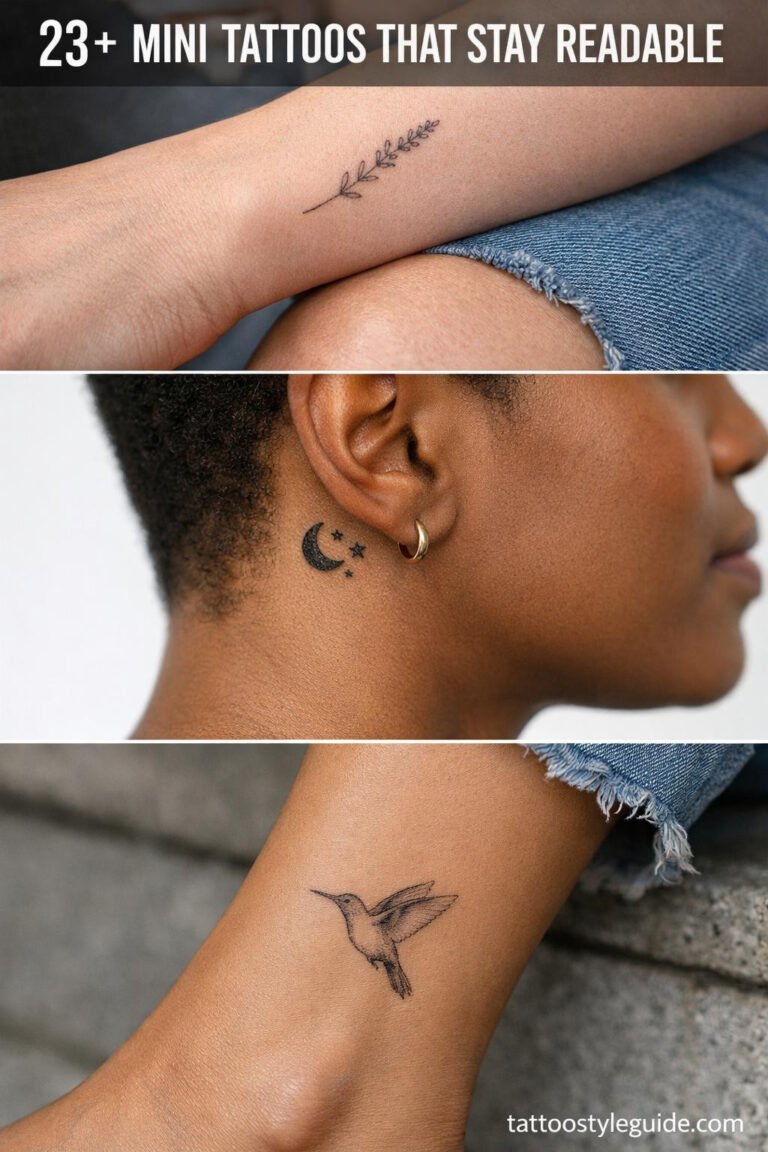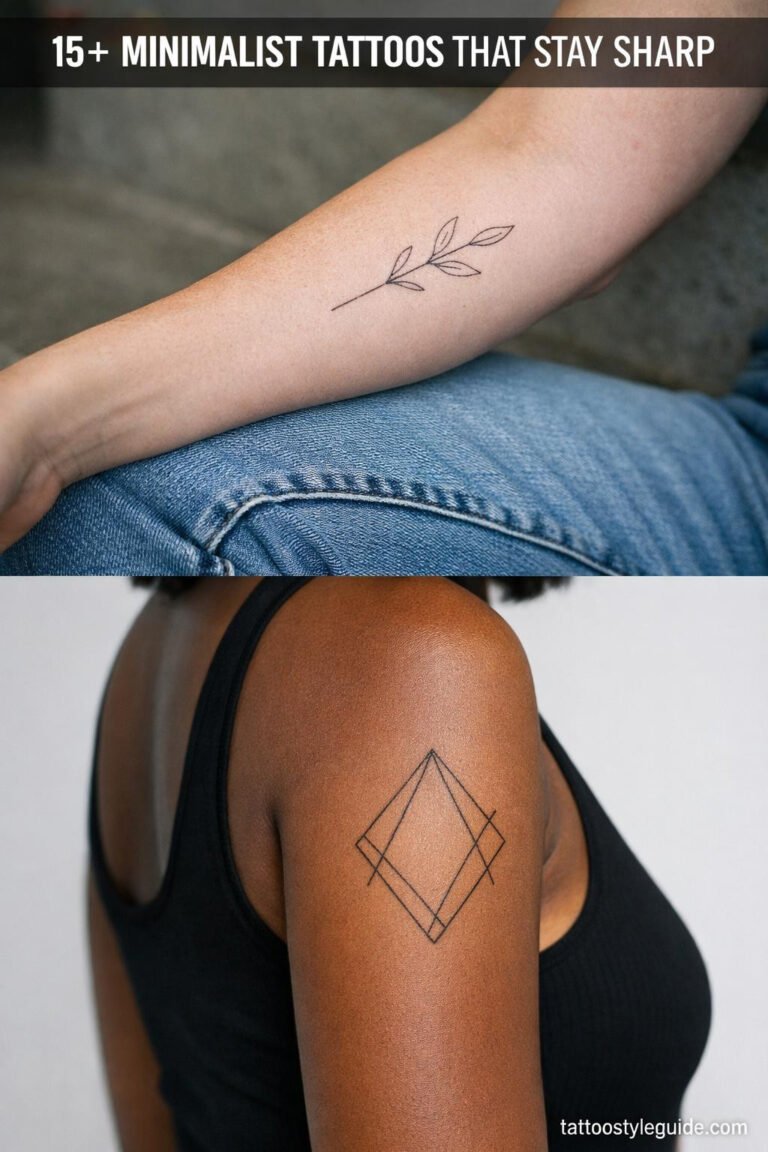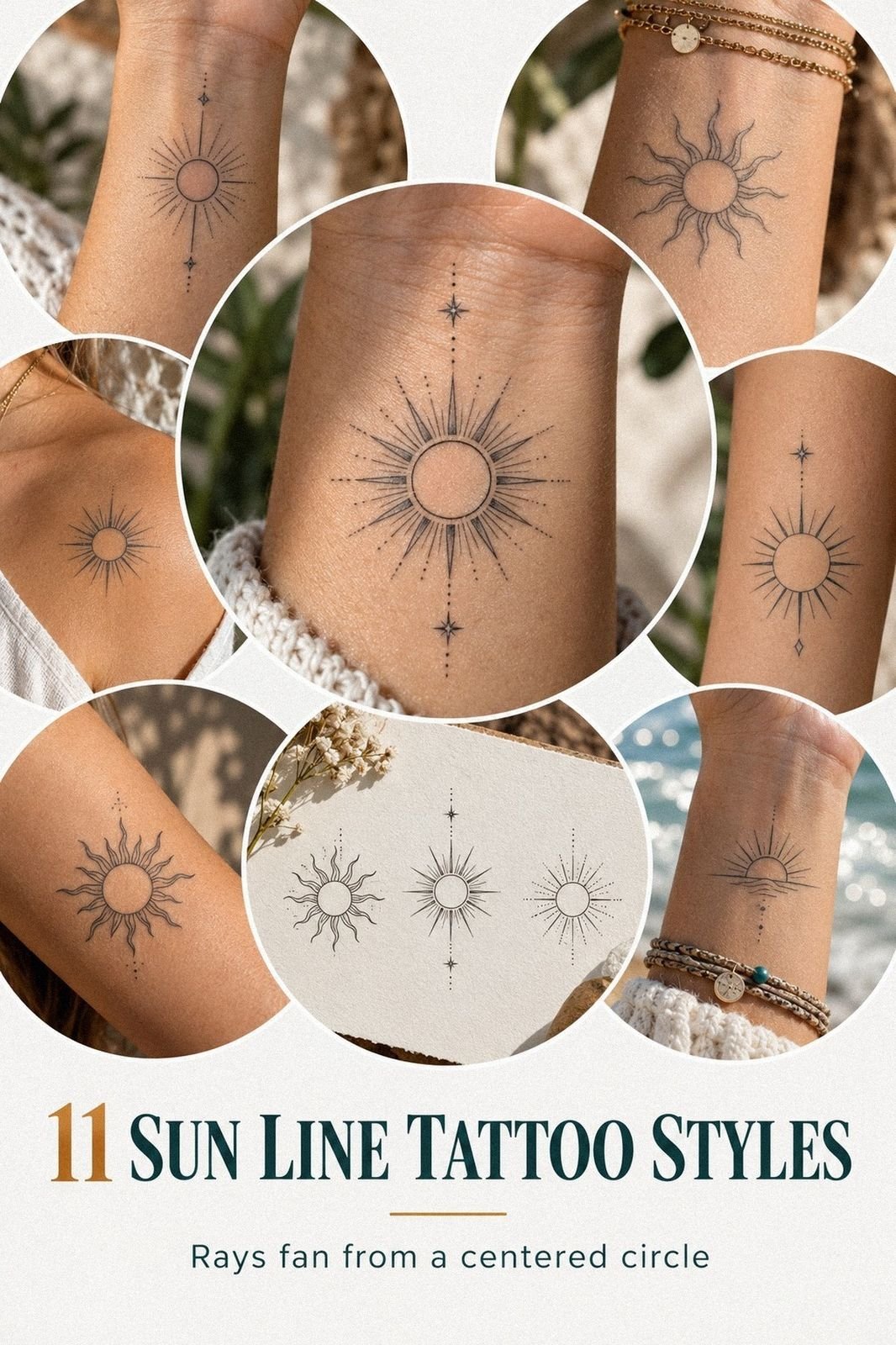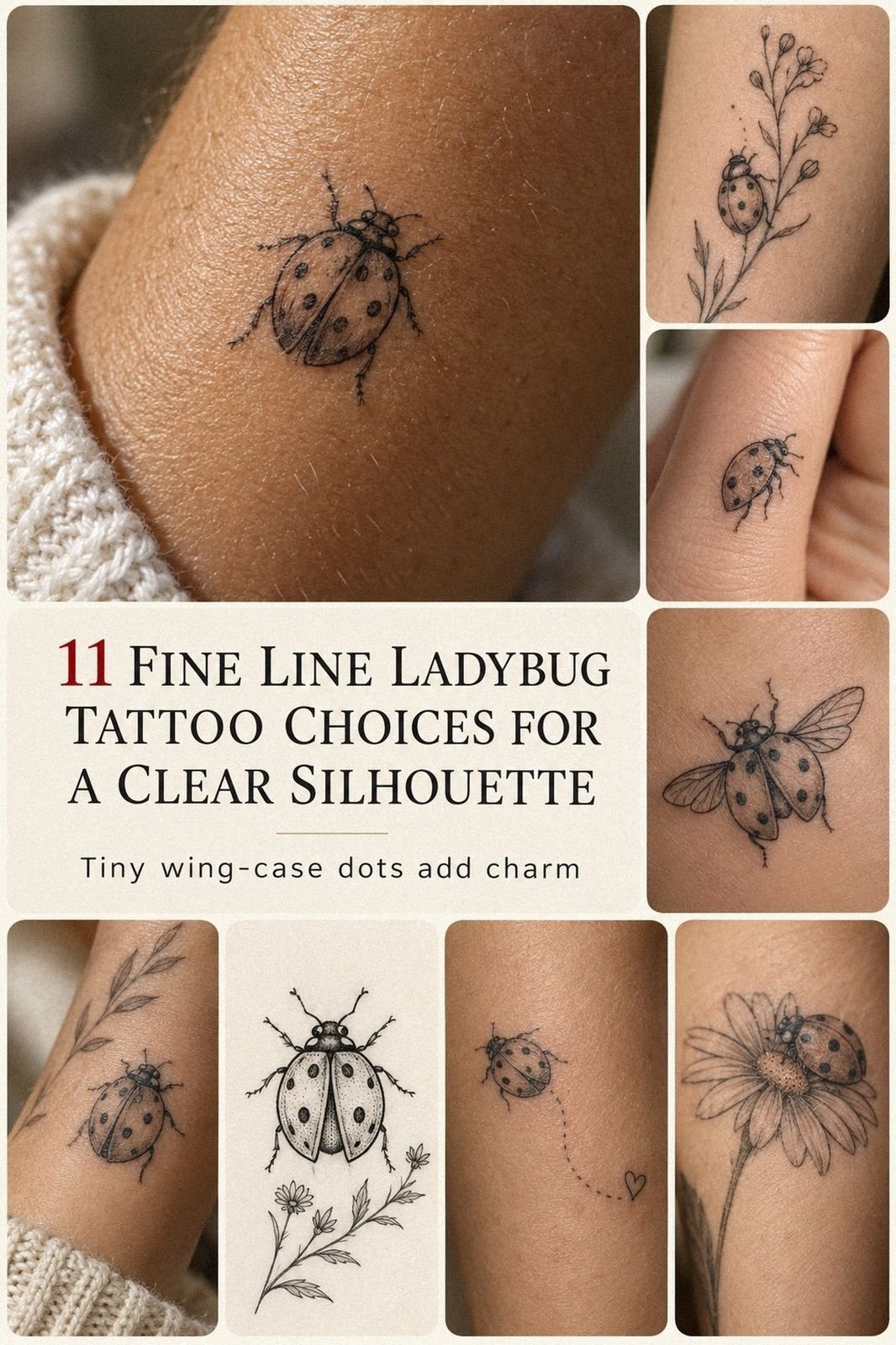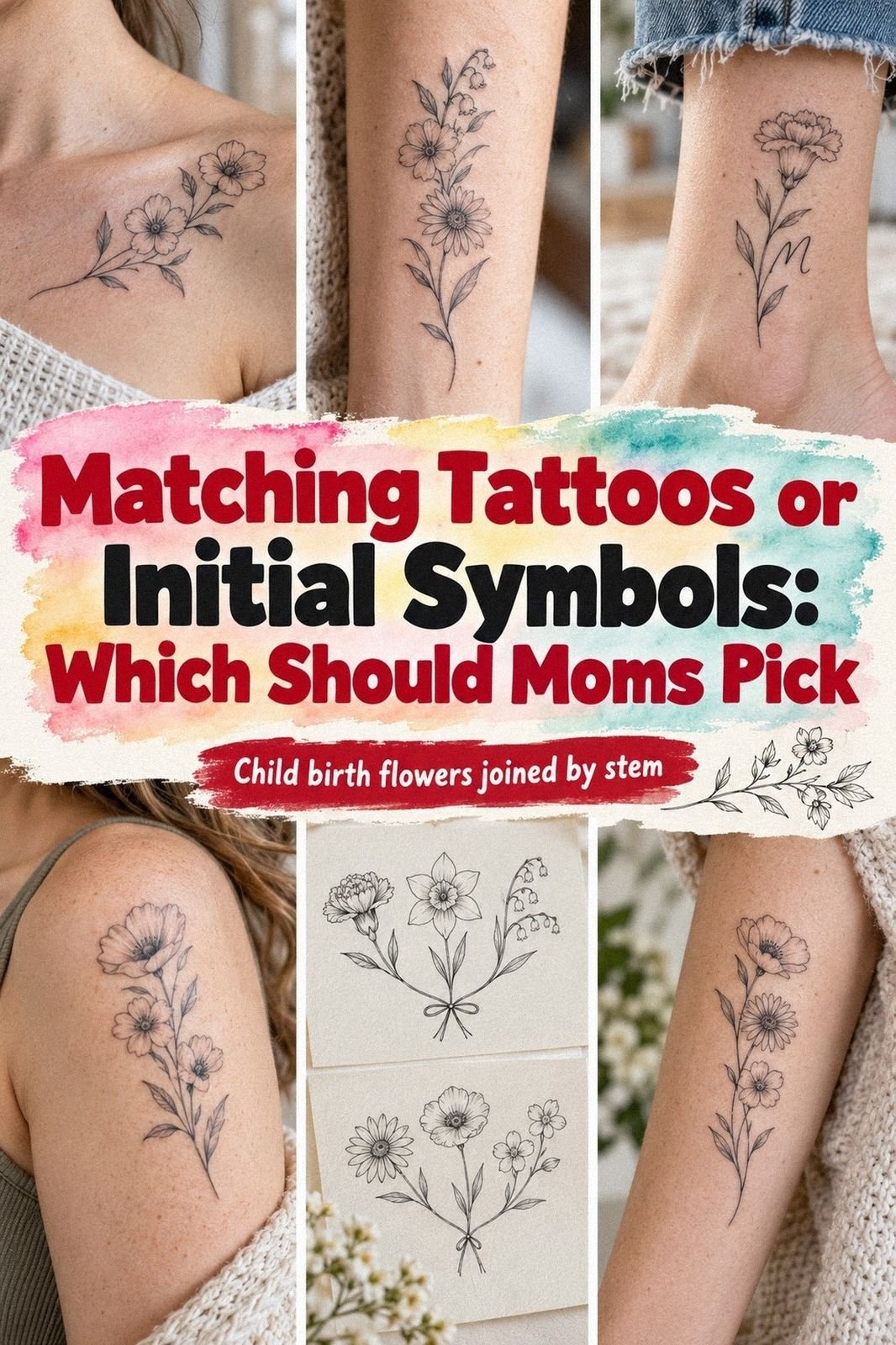
Small Tattoos For Moms With Kids work best when the symbol, placement, and future aging agree from the start. You’ll make better choices if you sketch the meaning first, then reduce it only as far as the lines can stay crisp. I’ve learned that a fine-line tattoo needs breathing room. Start there.
My honest rule is simple: choose the detail you’d still recognize if nobody else understood it. That usually leads to a personal symbol, a practical placement, and a design that’s worth the cost because it won’t depend on clutter.
Start With Meaning, Not Decoration
Before you choose a motif, write down the memory you want to carry. It might be a birth month, a shared place, a private phrase, or the way your children reach for your hand. The strongest idea is often meaningful before it becomes visual.
You don’t need to explain the entire family story through one mark. A tattoo concept can be understated and still hold years of emotion. Ask yourself what you’d miss if the design became smaller, simpler, or less recognizable to everyone else.
Make the Symbol Carry the Story
A clear focal point will usually age better than a collection of unrelated details. Your artist can make a design intricate, but intricate shouldn’t mean crowded. Leave room for skin to remain part of the composition.
You’ll also want to think about how often you’ll see it. A visible mark can feel empowering, while a private placement may feel more personal.
Neither choice is automatically better. It has to suit your life.
- The Birth Flower Code: Start With Each Child
- Initials In Your Own Hand
- Wrist Stars, Not Wrist Noise
- Numbers Or Words? Keep Birthdates Readable
- A Mother Of Three Constellation
- Animal Symbols With A Story
- Three Hearts Or One Family Mark?
- The Family Portrait Silhouette
- Coordinates From Home
- Before The Needle, Test Placement
- Protect Delicate Linework During Healing
1The Birth Flower Code: Start With Each Child
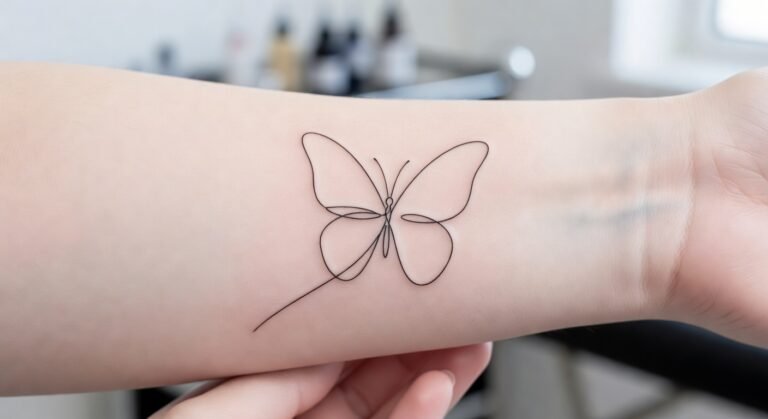
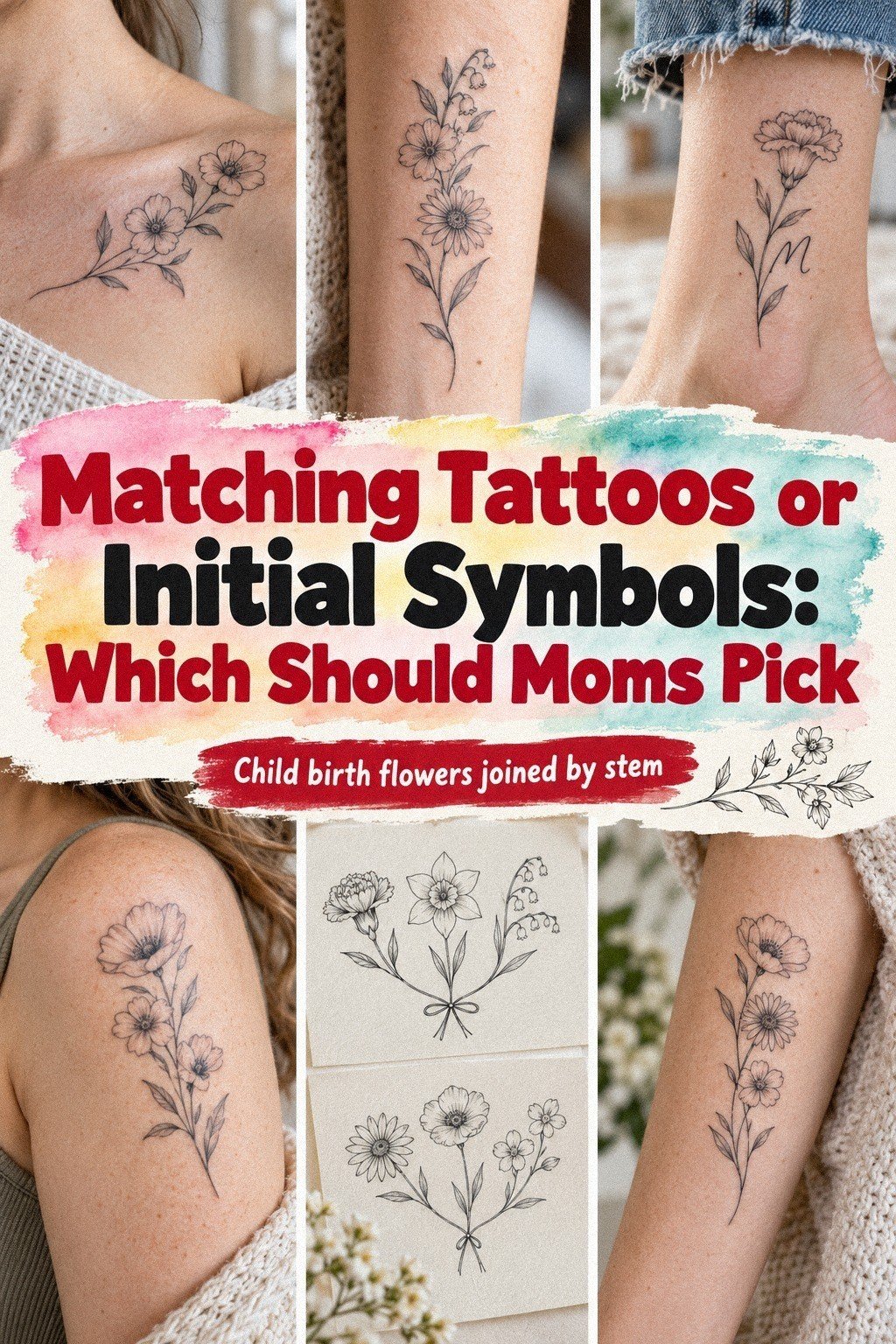
Birth flowers give you a symbolic idea without forcing names, dates, or a literal portrait onto your skin. Choose one flower for each child, then ask your artist to connect them with a single stem or a restrained cluster. The result can feel symbolic without becoming crowded.
For one child, a single stem with layered petals can look elegant along the forearm. If you’re representing two or three children, your artist might stagger the blooms instead of stacking them.
I’d skip three identical flowers. They often read like a repeated stamp rather than a family mark.
The flower doesn’t need every botanical detail. A few recognizable petals and one clean stem may give you better long-term value than a miniature illustration packed with shading. If your budget allows more time, spend it on the consultation and stencil rather than extra decoration.
A flower around 1 to 2 inches can give the artist enough space for the petals to remain readable. Ask whether the chosen size is worth the cost for your skin and placement, especially if you’re drawn to delicate linework.
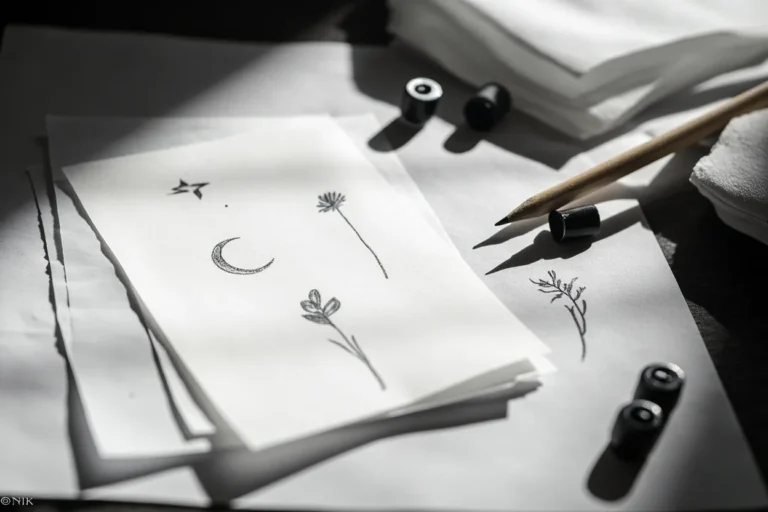
Before your appointment, compare your sketch with dainty tattoos for moms with kids. You’ll notice how open spacing changes the feeling. If your children have different birth months, your design can become intricate without becoming ornate.
2Initials In Your Own Hand
Initials are the most direct choice, but they don’t have to look like a formal monogram. Ask your artist to place your kids’ letters along the wrist in a loose vertical rhythm, with enough space that each mark can breathe. The result can stay minimal and quietly meaningful.
You’ll want to bring several letter styles because a capital “M” or “W” can occupy more visual weight than an “I.” I’d choose clean handwritten forms over elaborate script. A sharp, readable letter usually offers more value than a decorative one that blurs sooner.
Think about whose handwriting you want to preserve. Your own letters may feel more intimate, while a child’s early handwriting can create a personal keepsake with an emotional edge. Ask your artist to simplify the marks without removing what makes them recognizable.
A small stencil should be inspected from normal speaking distance, not only from one quick glance. If the letters merge at that distance, the design may not be worth the cost in its current form. Your artist should show you the lettering stencil before the session.
If you’re comparing lettering with other Parent Tattoos For Kids, save a few examples from small meaningful tattoos. I’d avoid adding hearts, dates, and florals to the same wrist. One clear idea usually feels more understated than five tiny symbols competing for attention.
3Wrist Stars, Not Wrist Noise
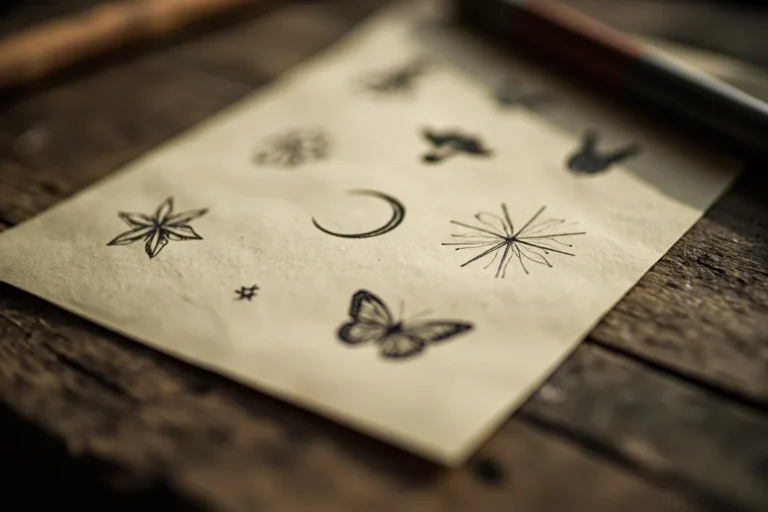
Matching stars can represent your children without copying their names or birthdays. Ask your artist for two or three matching stars in different sizes, following the natural length of your wrist. A small star near the hand, a medium star in the center, and a smaller one toward the forearm can create a flowing rhythm.
You can keep the stars as open outlines, tiny solid shapes, or a combination of both. I’d choose one solid star at most. Too much black ink in a very small design can make the grouping look heavier than you intended.
Your wrist moves constantly, so the placement should avoid the deepest wrist crease where possible. Ask your artist to angle the design slightly instead of forcing every star into a perfectly straight row. That small adjustment can make the tattoo look graceful when your hand bends.
Could three stars look too simple? Not if the spacing is thoughtful.
For more bold but still dainty references, browse small minimalist tattoos. A restrained mark can feel powerful when the placement gives it room.
A wrist design is often a good value when you want something visible and easy to monitor during healing. Still, don’t choose it only because it’s affordable.
The best choice should be worth the cost every time you notice it. That matters!
4Numbers Or Words? Keep Birthdates Readable
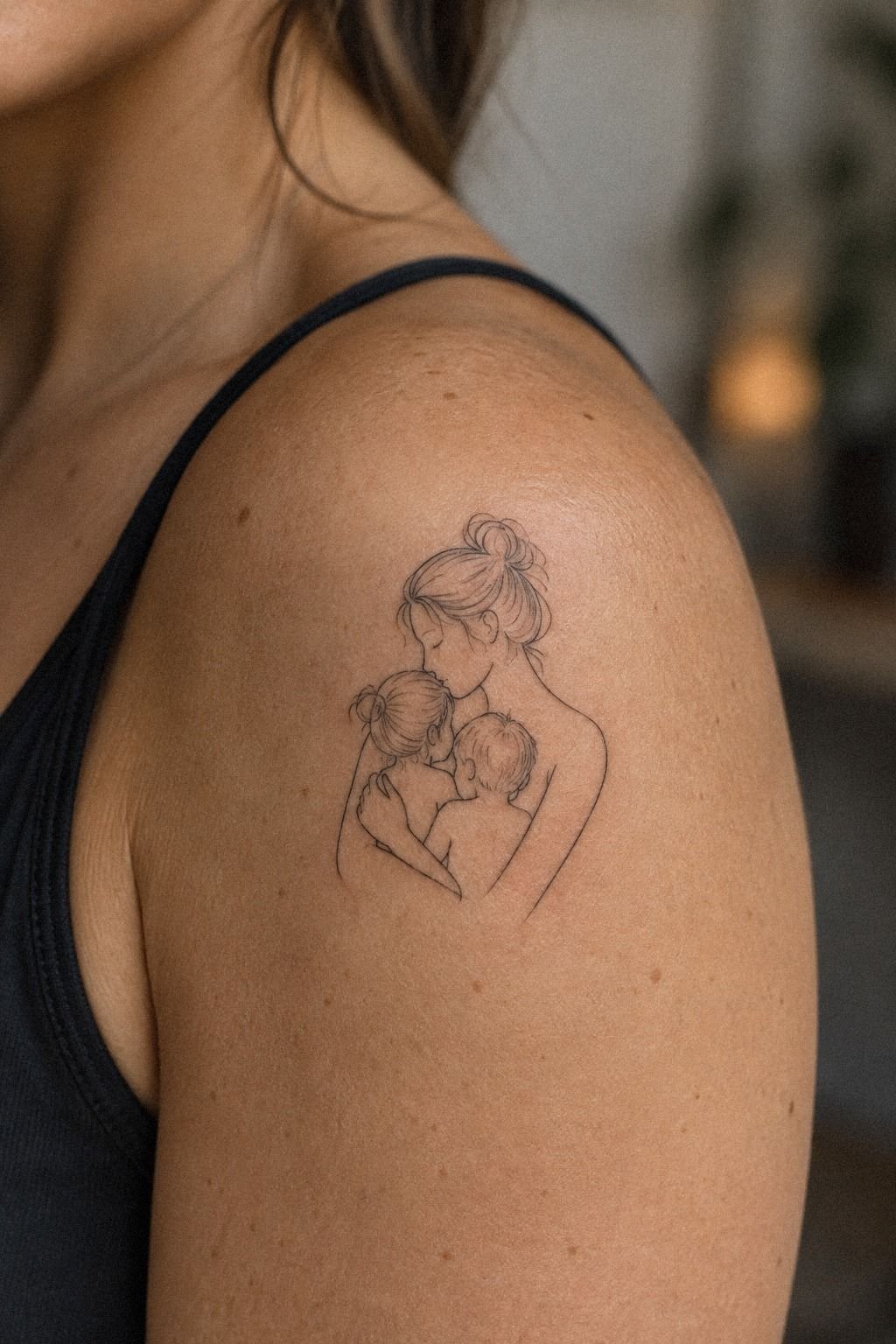
Birthdates can carry enormous meaning, but your tattoo doesn’t need a long string of numbers.
A Small Design Still Needs a Big Idea
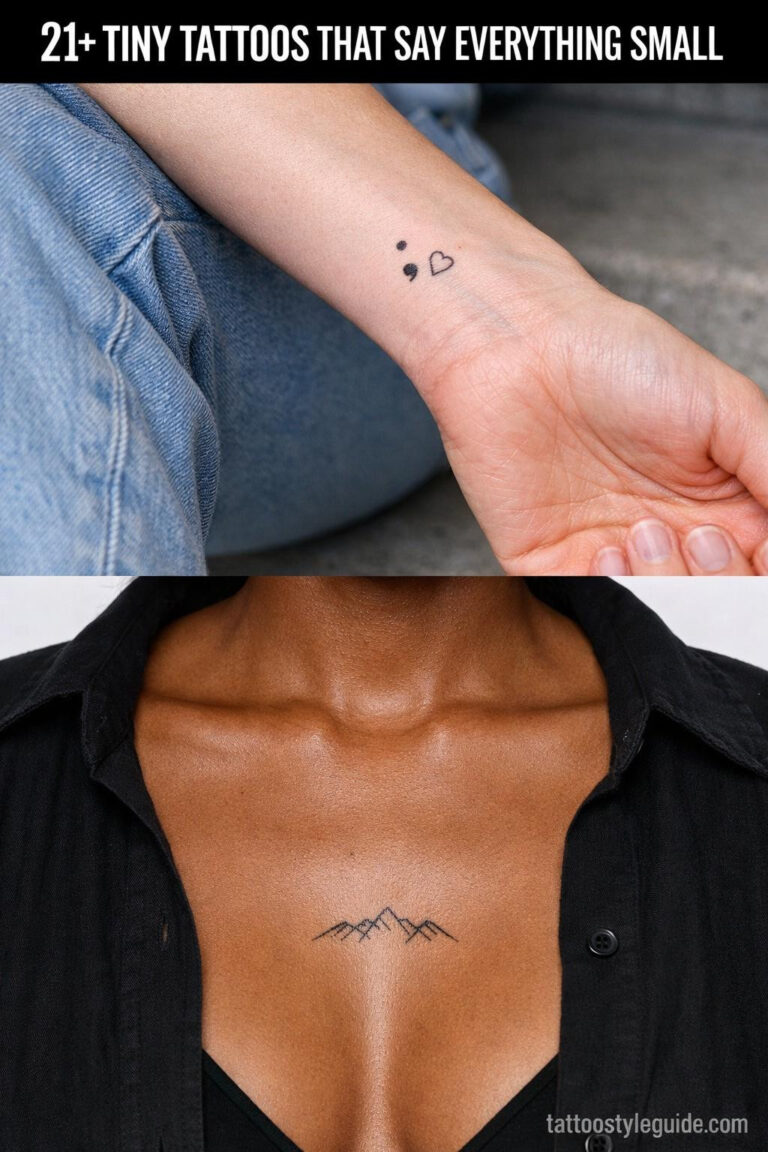
The word “small” describes scale, not emotional weight. A small tattoo can be fierce, romantic, or deeply personal when the symbol has a reason to exist. Size alone won’t make a design delicate.
I’d rather see one crisp detail than six blurred ones. A single star can feel iconic. One handwritten initial can feel more intimate than a full name written in an ornate font.
5A Mother Of Three Constellation
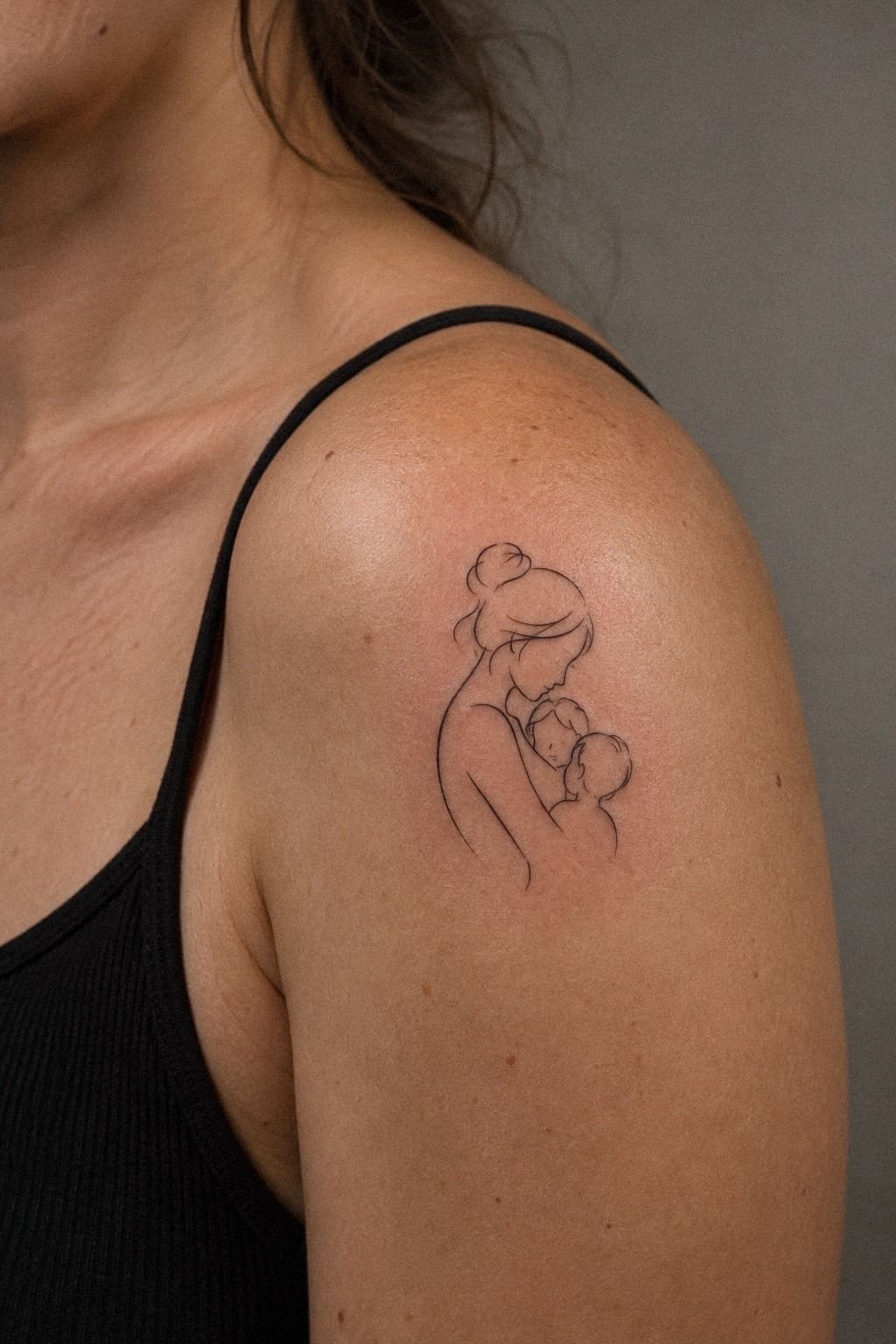
A mother-of-three constellation gives you a celestial structure without requiring a literal family portrait. Start with three main stars, then let your artist add only a few connecting dots or fine arcs. The design can feel ethereal and expressive when the hierarchy is obvious.
I’d skip a constellation packed with tiny planets, moons, and decorative sparkles. It may look exciting on paper, but your skin needs open space around each mark. A simple trio with one curved connection can feel graceful beside a crowded sky.
If your children have different personalities, you could vary the star shapes subtly while keeping the same line weight. One star might be open, one solid, and one slightly larger. The concept becomes more meaningful when each difference has a reason.
Think about whether the design is worth it at the intended size. A constellation that needs six extra dots, three moons, and multiple arcs may require more space than you first expected. Spending more on a readable version can be better value than squeezing everything into a tiny cluster.
Look through small neck tattoos for examples of how small symbols behave near curved areas. A blackwork accent can remain iconic without overwhelming the constellation.
6Animal Symbols With A Story
Animal symbols let you honor your children through personality instead of initials.
Let the Placement Answer First
Placement changes the entire personality of a tattoo. The same symbol can feel edgy on the upper arm, understated on the ribs, or empowering near the collarbone. Decide how visible you want it before you finalize the drawing.
You’ll also want to consider sun exposure, friction, body movement, and how easily you can protect the area. A practical placement can still feel stylish. It simply supports the tattoo instead of fighting it.
7Three Hearts Or One Family Mark?
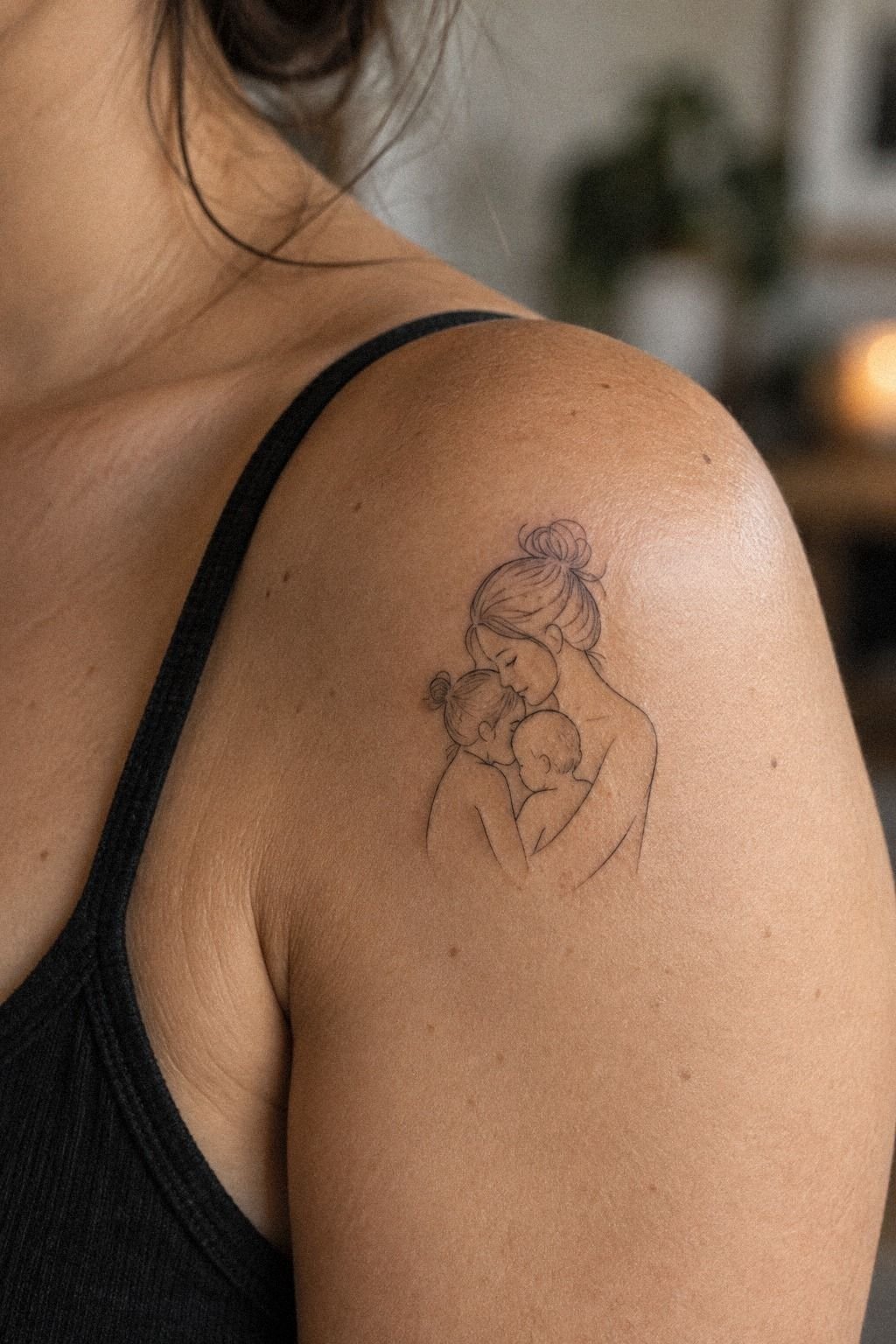
Three outlined hearts along the collarbone can represent three children in a clean, direct way. Ask your artist to follow the bone’s natural line while leaving small gaps between each heart. The design can feel romantic and empowering when your shoulders are relaxed.
You could also use one larger heart containing three small marks. That creates a stronger family symbol, while three separate hearts make each child more visually distinct.
Neither option is automatically better. The right choice depends on whether togetherness or individuality matters more to you.
I’d choose slightly different heart sizes instead of identical copies. That gives your tattoo a playful rhythm, especially if the hearts represent children with different ages or personalities. Keep the outlines clean and resist adding a date inside every shape.
Collarbone skin can be more sensitive than the outer forearm, so ask your artist what you can reasonably tolerate. If you’re comparing placements, read small rib tattoos before deciding. A collarbone design can be striking, but it should still feel wearable in daily life!
The lower-cost option isn’t always the better value if it leaves you wishing for a more comfortable placement. Ask about session length, expected cost, and whether the design can be completed without rushing. Absolutely!
8The Family Portrait Silhouette
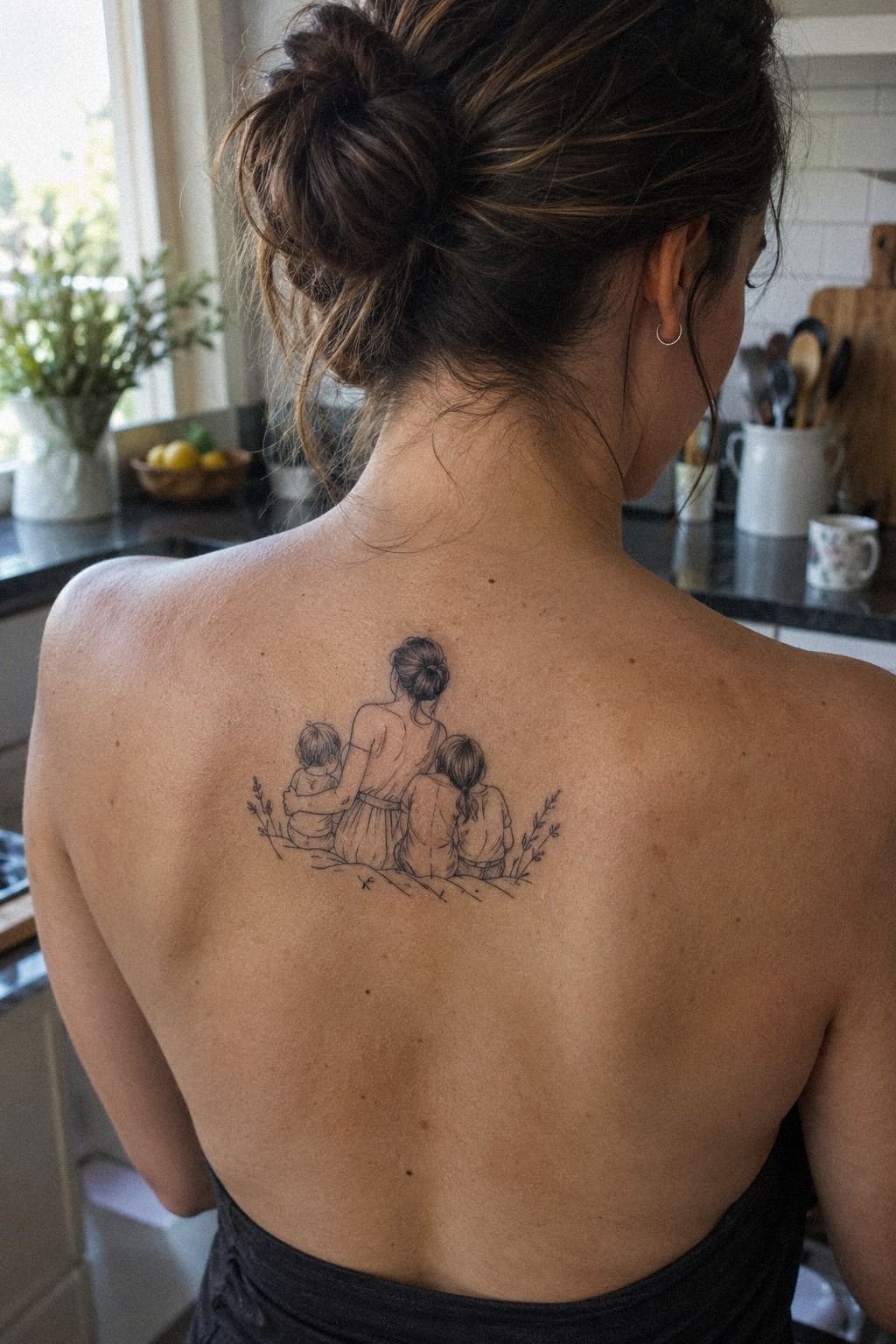
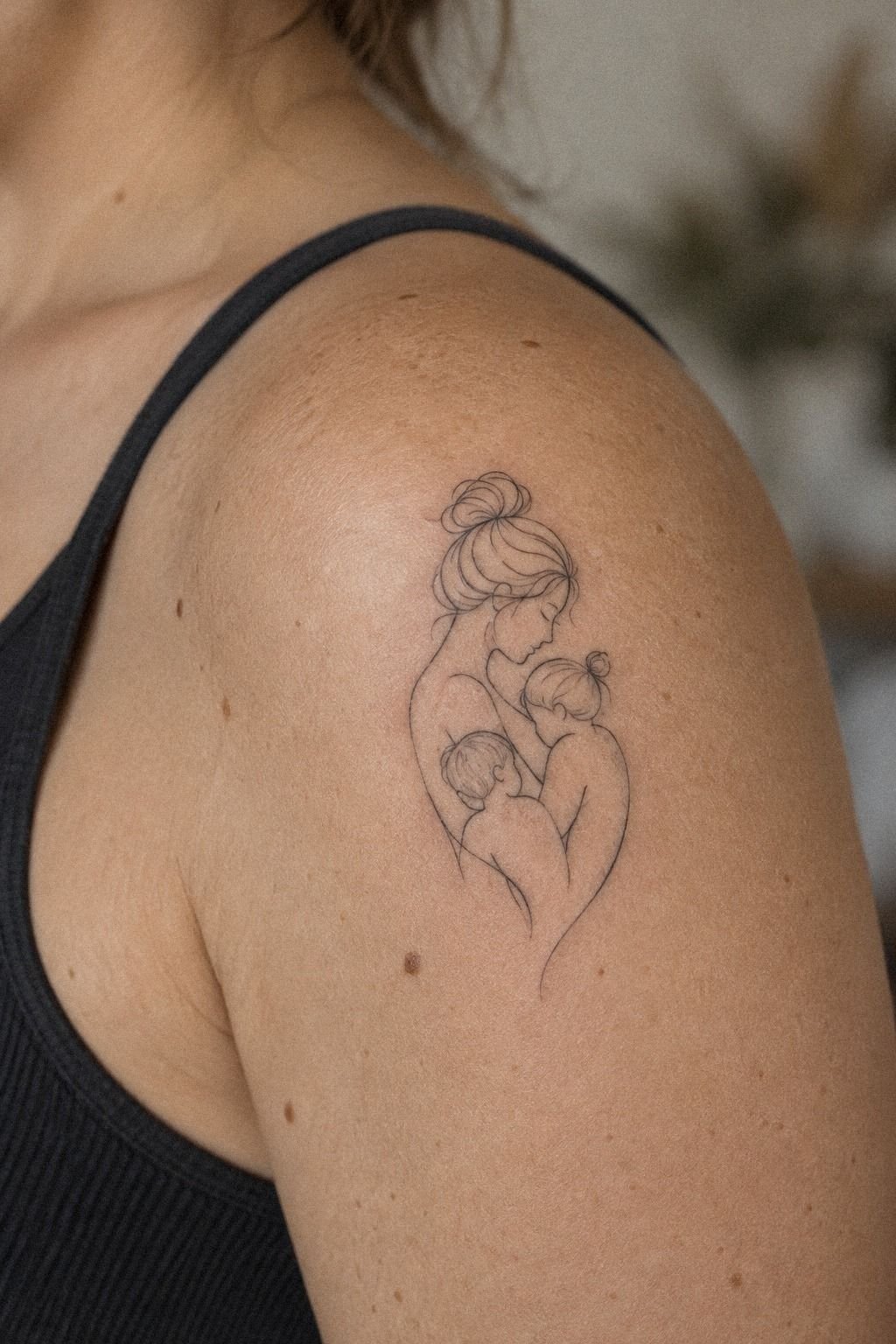
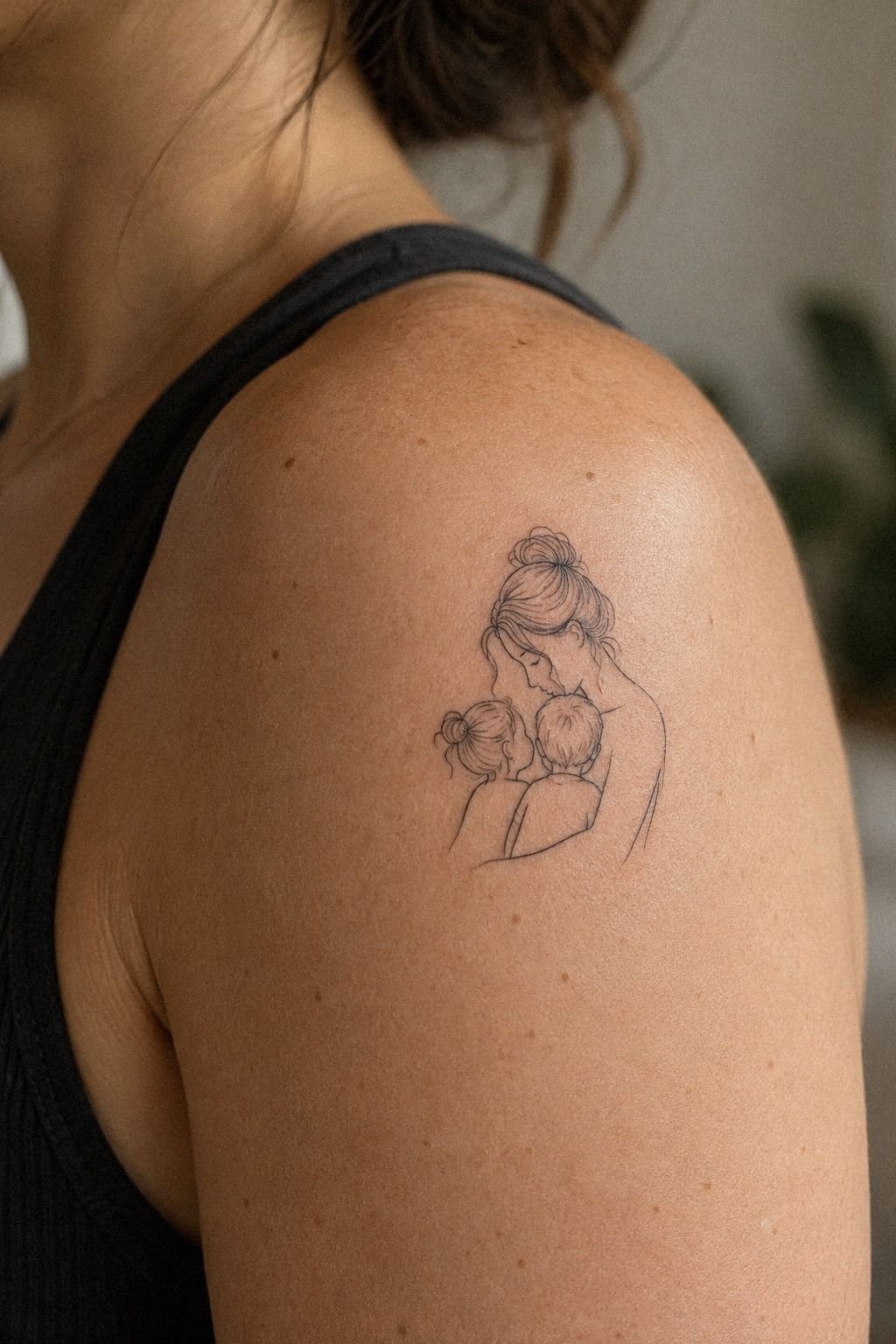
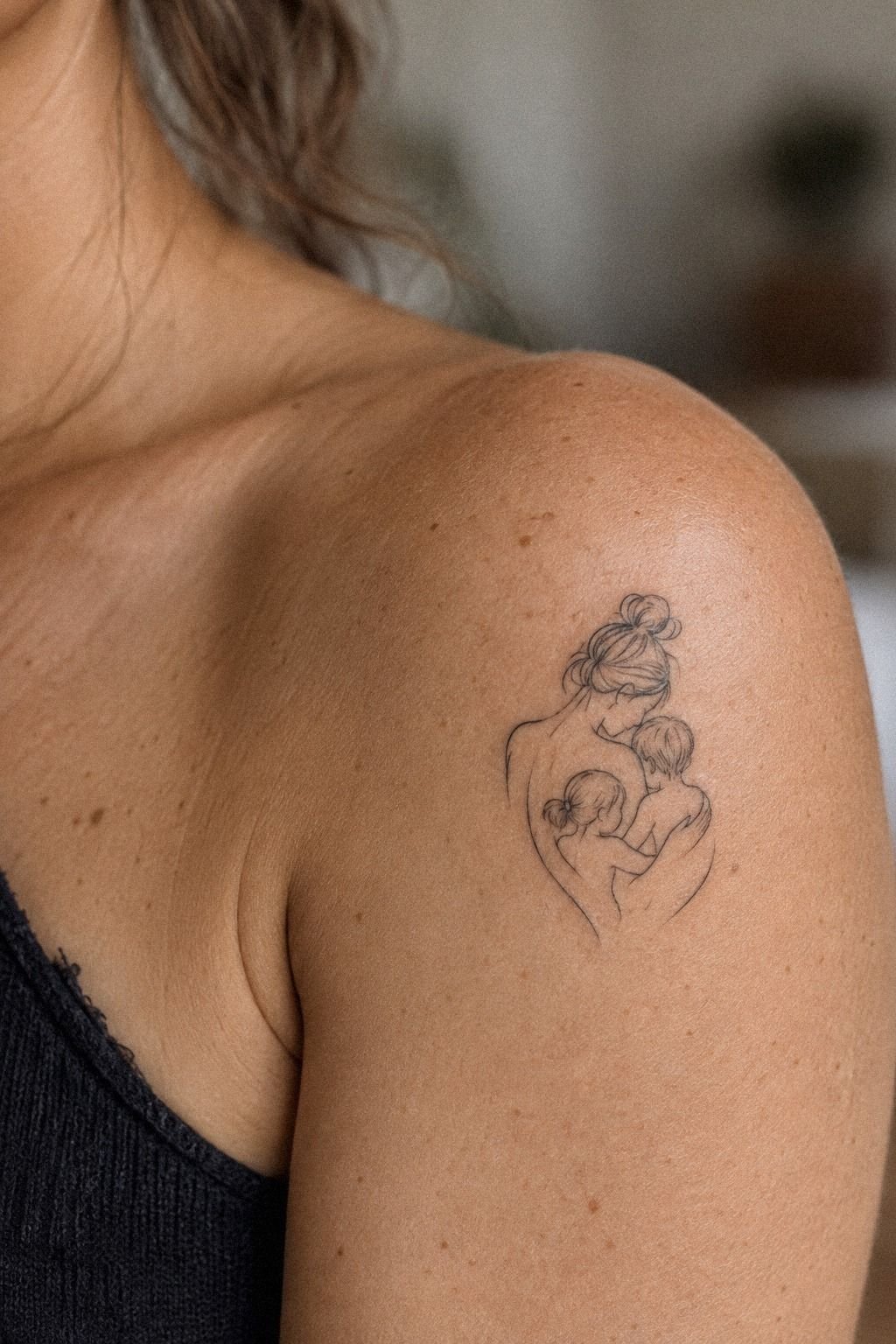
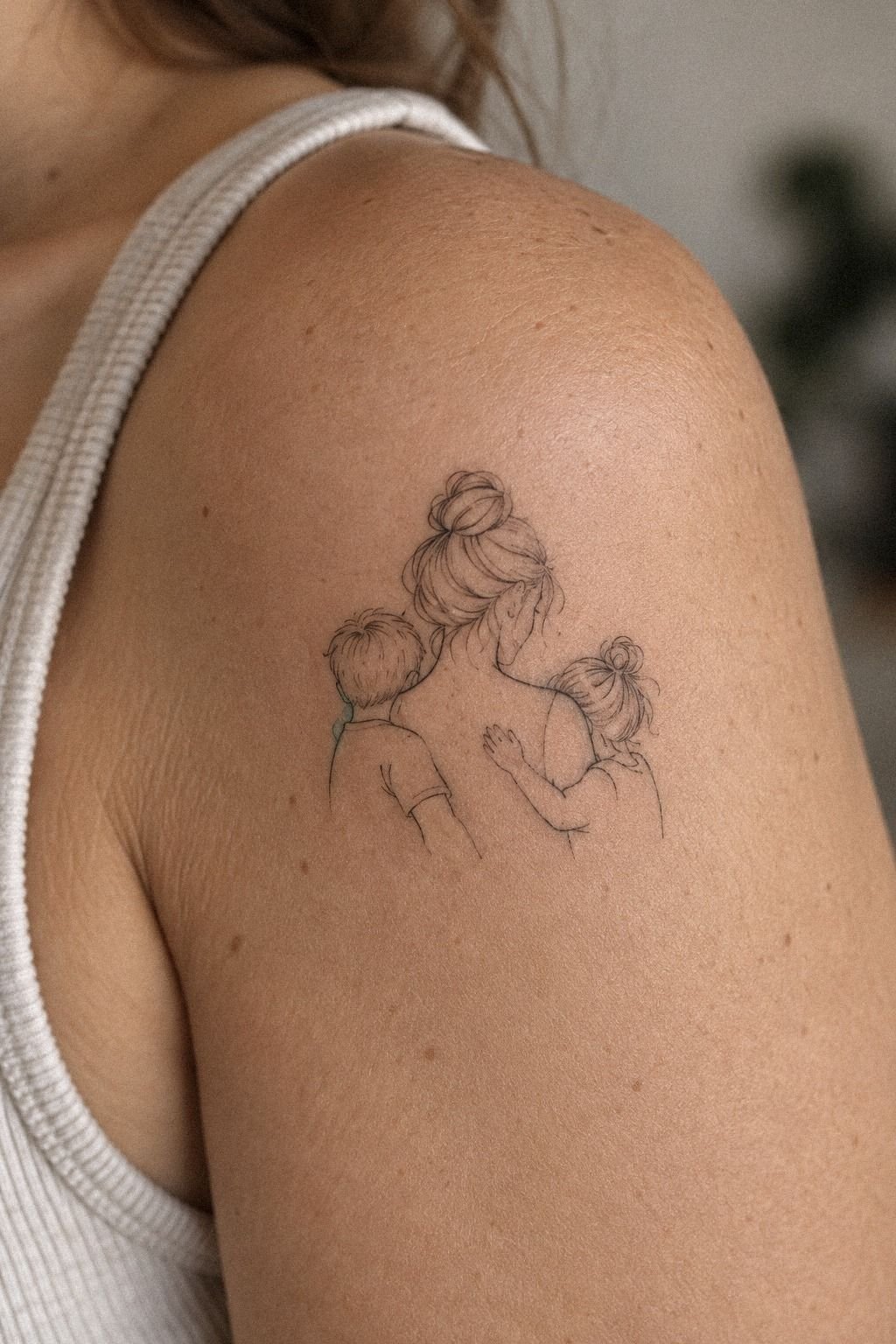
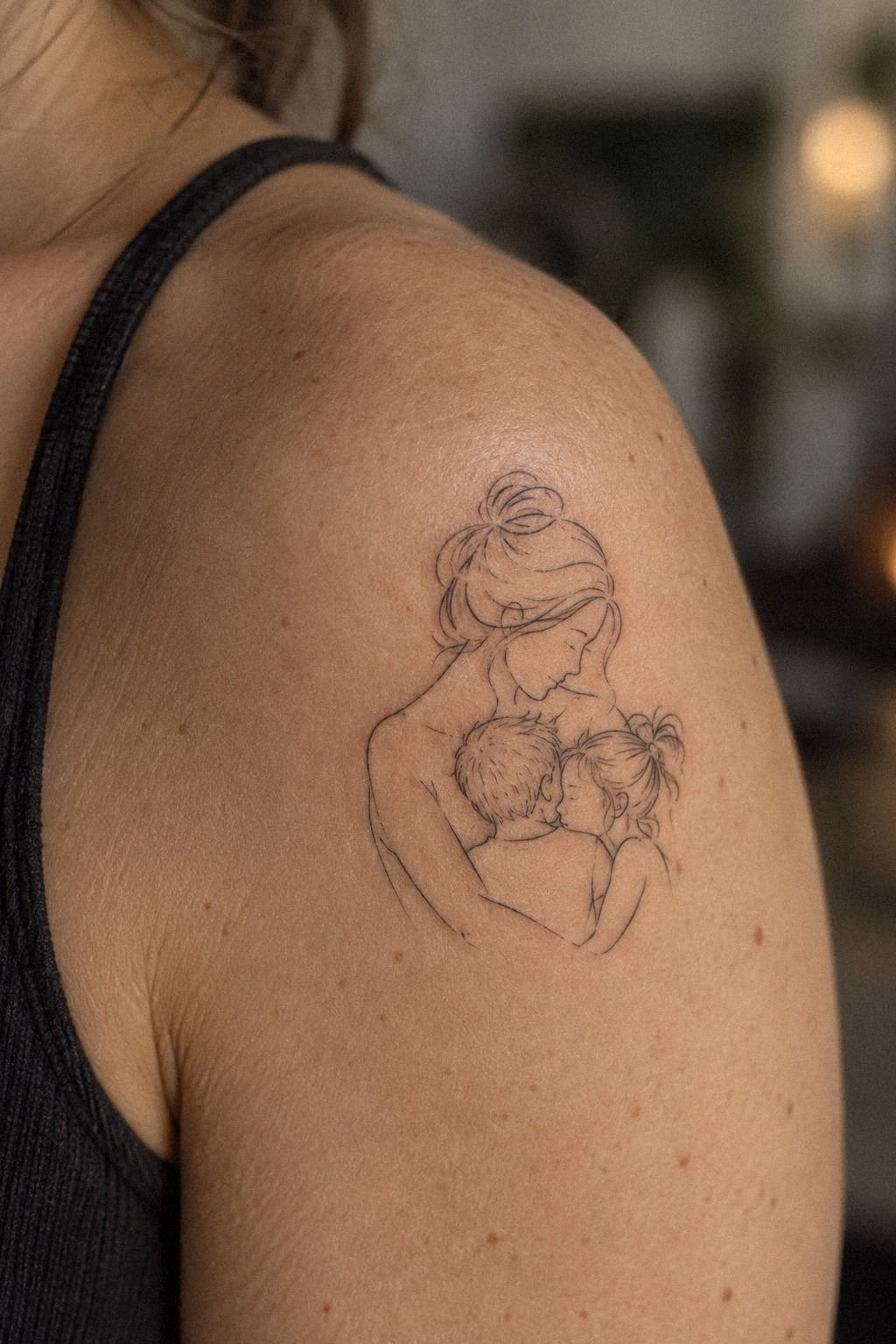
A family silhouette is more personal than a generic symbol because it can capture a real gesture. Think of your children holding hands, leaning into you, or standing at different heights. Your artist can turn that moment into a raw and expressive outline without drawing facial features.
Bring one reference photo with a clear body shape and simple clothing. You’ll get a stronger result from a recognizable image than from a complicated scene. One child’s lifted arm or leaning shoulder can become the emotional anchor.
You’ll need to decide whether your silhouette includes you, your children, or only the kids. I’d include the gesture that makes the memory yours. A row of figures can feel generic, while one unusual posture may create an emotional symbol with more power.
Ask how the artist handles line weight, especially if the silhouette will be small. A polished outline isn’t always the best one. Leaving one imperfect contour can make the tattoo feel more human and personal.
For additional references, look at small meaningful tattoos and unique tattoos for moms with kids. The value is in the memory the silhouette holds, not in adding every person, object, and background detail.
9Coordinates From Home
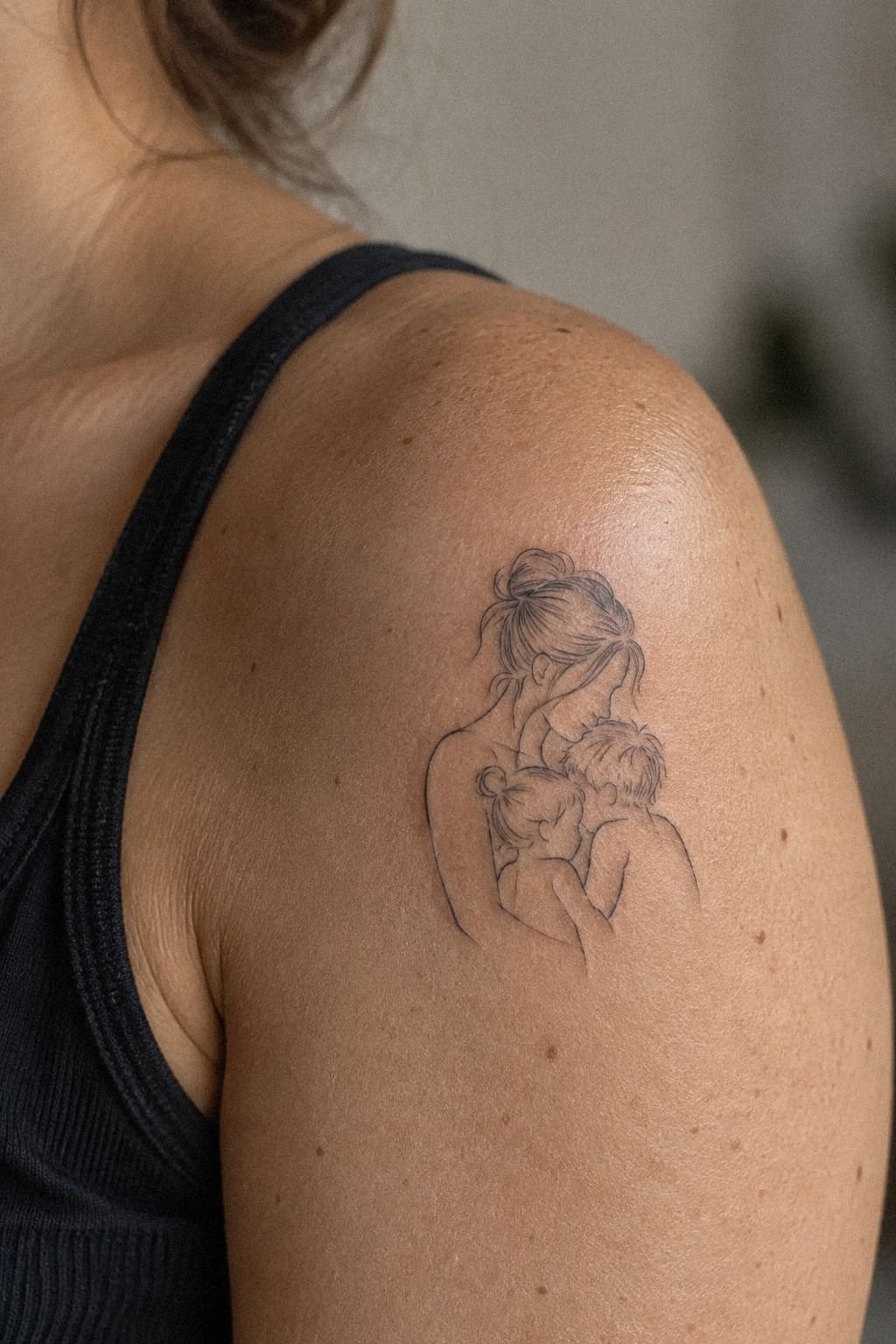
Coordinates can mark the place where your family story began, such as a hometown, hospital, or first shared address.
10Before The Needle, Test Placement
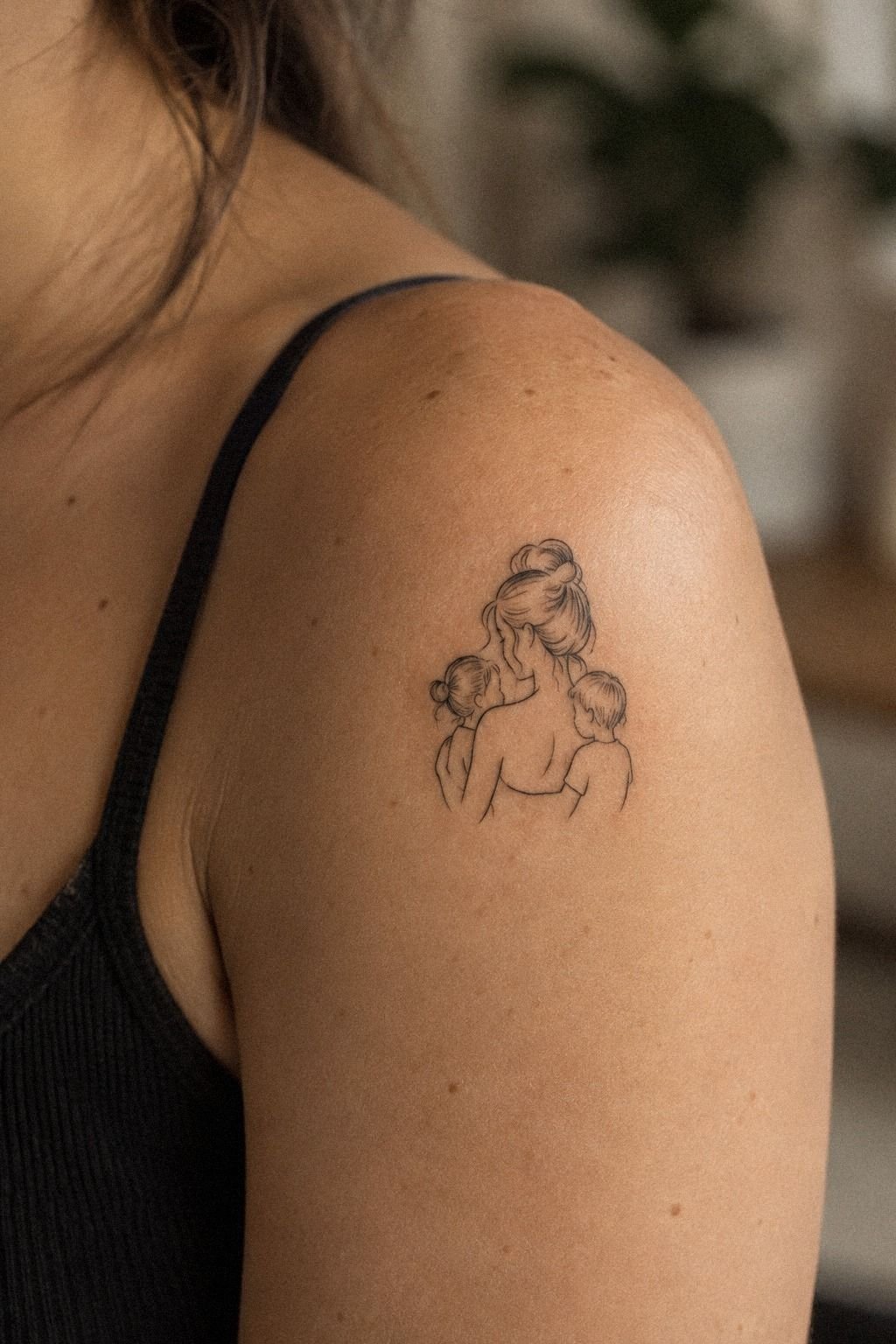
Testing placement is the step most first-timers rush, and it’s the step I wouldn’t skip. Ask your artist for a placement stencil, then check it while your arm, wrist, or ribs are in normal motion. You’ll see whether the design stays readable when you walk, bend, lift your child, or hold your phone.
Try the stencil for a full day if your artist’s process allows it. Check it in daylight, under indoor light, and beside the clothes you wear most. I’d move the design if it catches constantly on a watchband or sits directly in a crease.
Notice the stencil while moving through the day. Sit, reach, carry a bag, and pick something up. A design that looks elegant in one position may twist into an unexpected shape when your wrist turns.
If your budget is tight, testing placement is still worth it because it can prevent an expensive regret. The stencil costs little compared with removing or reworking a design later. Worth it!
Compare small minimalist tattoos with small neck tattoos when considering visibility. A vibrant location may feel too exposed in daily life, while an understated one can become more refined over time.
What I’d Ask at the Consultation
Bring your shortlist, but stay open to edits. A good tattoo consultation should cover size, placement, line weight, healing, expected cost, and how the design may change as it settles.
Ask to see healed work, not only fresh tattoos. Fresh lines can look sharp and saturated, while settled work gives you a more honest idea of the artist’s approach. That comparison can save you from choosing based on a temporary result.
You’ll also want to ask whether the artist has worked on similar skin tones and placements. The conversation should feel clear, respectful, and unhurried. If you’re pressured to book before your questions are answered, pause.
Read the Healed Version
The tattoo you love on appointment day will change during healing. Swelling, dryness, peeling, and temporary darkness can make the design look unfamiliar. That doesn’t mean something has gone wrong.
A healed portfolio shows how the artist’s lines behave after the surface settles. Look for spacing, softness, and whether small details remain readable. Those examples are more useful than dramatic fresh photographs.
11Protect Delicate Linework During Healing
Aftercare protects the design you spent time choosing. Follow your artist’s instructions, wash gently, moisturize as directed, and avoid soaking the tattoo in a pool while it heals. Surface healing usually takes about 2 to 3 weeks, while complete healing can take roughly 2 to 3 months.
Ask for healed examples on skin with a similar tone and undertone. Fresh work can look darker and sharper than settled work, so healed photographs give you a more honest picture of the likely result. That information is part of the tattoo’s value.
Fine lines can widen over time, while solid black areas and sensible placement often hold their shape better. Don’t judge the final result during the first few days, when swelling and surface changes can make the design look unfamiliar.
Keep direct sun off the tattoo during healing, then use sun protection once the skin is fully closed. Avoid picking, scratching, soaking, and constant touching. Your tattoo needs patience, not interference.
Read small rib tattoos and small neck tattoos for more placement comparisons. The goal isn’t to freeze your design in time.
It’s to give your skin the best chance to carry a crisp, timeless mark. Good aftercare is part of the cost.
What I’d Decide Before Booking
I’ve changed my mind about first tattoos more than once. At first, I wanted the biggest emotional symbol possible because motherhood rarely feels small, even when the tattoo does. Then I noticed how quickly a crowded sketch loses its center.
The line that survives on skin isn’t always the detail that felt most exciting on paper.
I’d begin with the meaning your children will recognize, then choose the symbol your artist can draw clearly at a small scale. Birth flowers, initials, stars, dates, and silhouettes can all work, but they don’t all suit every placement.
A wrist rewards restraint. An upper back gives a silhouette more breathing room.
A collarbone favors a line that follows the body instead of fighting it.
The most sophisticated choice usually has fewer elements than the first sketch. That doesn’t mean your tattoo has to be plain. It can feel ornate while remaining minimal in structure, especially when one personal detail carries the weight.
I’d rather see one accurate flower than three decorative symbols that only vaguely relate to your family.
And I’d ask about healed work before I ask about speed. A portfolio full of fresh photographs can’t tell you how the line behaves after the surface calms. Look for clean examples photographed after healing, ask about your placement, and listen to whether the artist explains limits clearly.
There’s also an emotional question worth asking: will you still understand the symbol if someone else never does? If the answer is yes, you’ve probably found the right direction.
Your first tattoo doesn’t need to explain your family to every person who sees it. It needs to bring you back to them.
What People Always Want to Know
How much does a Small Tattoos For Moms With Kids usually cost?
A small tattoo usually costs about $100 to $300 in the US, depending on the artist, region, size, and placement. Many studios have a minimum around $50 to $100, while hourly rates often fall near $100 to $250. Ask what’s included before you compare prices.
Are Small Tattoos For Moms With Kids a good idea for a first tattoo?
Yes, especially when you choose a readable symbol and a tolerable placement. A small design can feel gentle and meaningful without requiring a long session. Forearm, outer upper arm, and thigh placements are often easier starting points than ribs, feet, hands, or sternum.
– Clear symbol hierarchy – Readable spacing – Healed portfolio – Manageable placement
You’ll still want to discuss line weight with your artist. Very fine lines may widen, so your design shouldn’t depend on microscopic details to make sense.
How do I choose a tattoo artist for Small Tattoos For Moms With Kids?
Choose an artist whose portfolio shows clean linework, healed photographs, and experience with your intended placement. You’re looking for consistent lines, careful spacing, and a studio that explains hygiene without making you feel rushed.
– Healed tattoo photographs – Fine-line examples – Similar skin-tone references – Clear consultation process – Hygienic studio practices
When comparing artists through small meaningful tattoos, notice whether they simplify ideas intelligently. A good artist won’t promise that every tiny detail will remain unchanged.
How much do Small Tattoos For Moms With Kids hurt?
Pain varies by person and location. Ribs, feet, hands, and sternum are often more sensitive, while the forearm, thigh, and shoulder are commonly more tolerable. Your artist can help you choose a placement that matches your first-session comfort level.
– Bony areas, more sensitivity. – Forearm and thigh, often easier. – Short sessions, easier pacing. – Calm breathing, useful support.
I’d rather choose a meaningful design on a manageable area than force your first tattoo into the most painful placement because it looks dramatic online.
How long do Small Tattoos For Moms With Kids take to heal?
The surface usually heals in about 2 to 3 weeks, while complete healing can take roughly 2 to 3 months. Follow your artist’s instructions, wash gently, moisturize as directed, and avoid swimming or strong sun while the skin is healing.
– Gentle washing – Light aftercare product – No picking or scratching – No pool during healing – Sun protection after closure
You’ll notice the tattoo changing during those weeks, so don’t judge the final line too early. If you’re worried about redness or unusual discomfort, contact your artist or a healthcare professional.
What’s the best placement for Small Tattoos For Moms With Kids?
The forearm and outer upper arm are strong starting choices because they’re easy to observe, protect, and show your artist during placement. A collarbone can feel feminine and visible, while an upper back gives a family silhouette more space.
– Forearm, readable and practical. – Outer upper arm, more private. – Thigh, commonly tolerable. – Collarbone, visible and linear.
You’ll want to test the stencil while standing naturally. Placement should suit how your body moves, not only how the tattoo looks in a still reference.
Where I’d Start First
If I had to pick one step, I’d start with the birth flowers. They give each child a distinct symbol, and your artist can keep the stems readable as the lines settle.
Sketch one flower per child, test the forearm placement, and let the meaning stay yours. Save the idea for your consultation.
Trust the design you keep returning to after the excitement fades. That’s usually the one with the clearest story, the strongest value, and the best chance of feeling right years from now. Trust that feeling!