Fresh tattoos are open skin. The art may be the point, but the first job is wound care. Good aftercare keeps the tattoo clean enough to heal and calm enough to keep the ink where the artist put it.
Quick answer: Follow your artist’s instructions first. In general, tattoo aftercare means clean hands, gentle washing, a thin layer of fragrance-free moisturizer, no picking, no swimming, no sun, and no tight dirty fabric rubbing the tattoo while it heals.
The first few hours
Your artist will cover the tattoo before you leave. The wrap type matters. Plastic wrap and adhesive film do not follow the same timing, so do not copy a friend’s instructions unless they had the same covering and the same artist protocol.
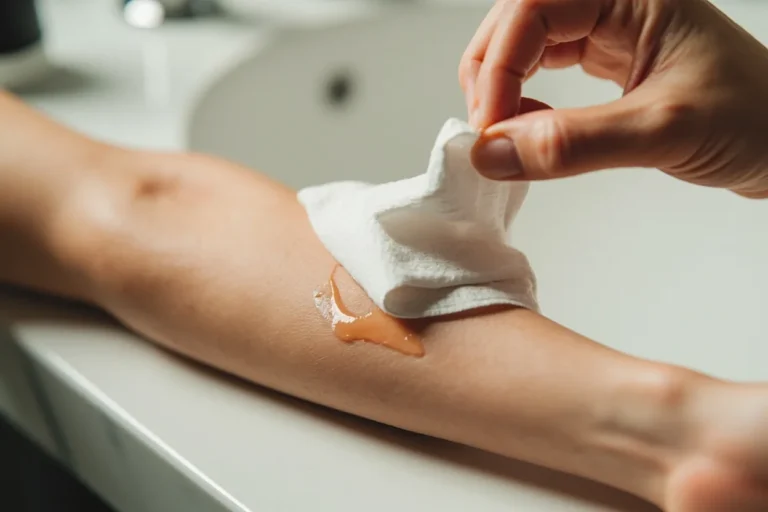
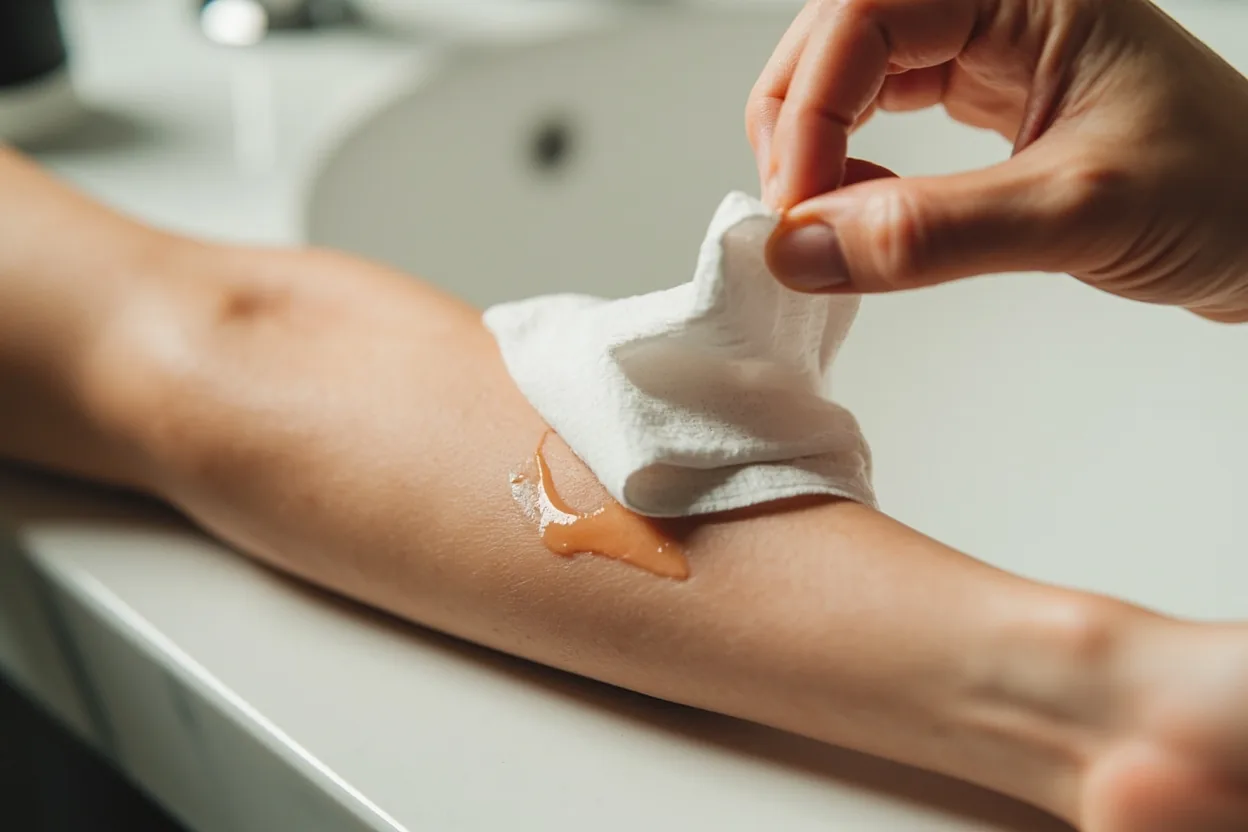
When it is time to remove the covering, wash your hands first. Rinse the tattoo gently with lukewarm water. Use a mild fragrance-free cleanser if your artist recommends it. Pat dry with a clean paper towel or clean towel. Do not scrub. The skin already had enough of a day.
Days 1 to 3: keep it clean, not soaked
A tattoo heals from the outside in, what you do in week one shows up in year ten.
The tattoo may feel warm, tender, and a little swollen. You may see plasma, ink, or light fluid. That can be normal early on. What you want to avoid is trapping bacteria, drowning the skin in lotion, or letting clothing grind into it.
- Wash gently with clean hands.
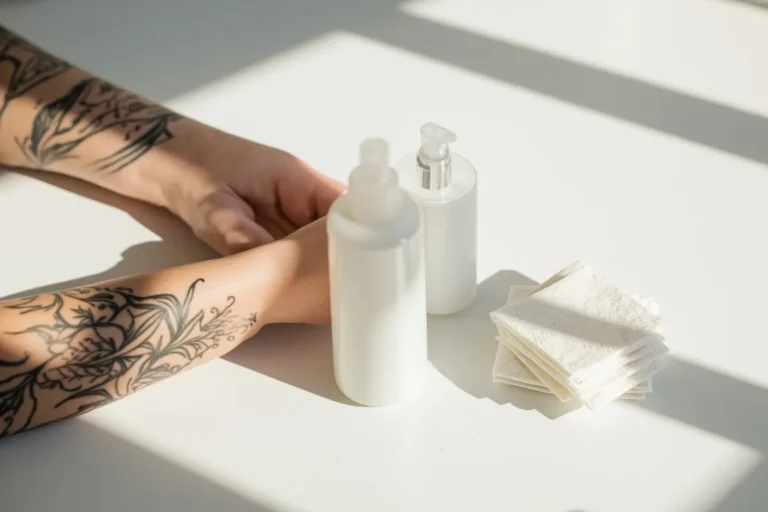
- Use a thin layer of aftercare product, not a heavy paste.
- Wear loose clean clothing over the area.
- Sleep on clean sheets, especially for large tattoos.
- Skip gyms, pools, lakes, hot tubs, and direct sun.
The American Academy of Dermatology recommends seeing a board-certified dermatologist if tattooed skin reacts or changes in a concerning way. The FDA also warns that contaminated tattoo ink can cause infections and allergic reactions.
Days 4 to 10: peeling and itching
This is where people ruin good tattoos. Peeling can look ugly. It can feel like the tattoo is falling apart. It is usually just the top layer of damaged skin shedding. Let it shed. Picking flakes can pull pigment, create light spots, and irritate the skin.
Itching is normal until it is not. Light itching during peeling is expected. Intense itching with rash, heat, spreading redness, or drainage needs attention. When in doubt, contact the studio and a medical professional. A tattoo artist can tell you what normal healing looks like; a clinician handles infection.
What not to do
| Do not | Why it hurts the tattoo |
|---|---|
| Pick scabs or flakes | Can pull pigment and create patchy healed spots |
| Use scented lotion | Can irritate broken skin |
| Soak in water | Raises infection risk and softens healing skin |
| Tan or burn | Inflames the skin and accelerates fading |
| Over-moisturize | Keeps the tattoo wet and irritated |
Long-term aftercare
Once the tattoo is healed, the boring stuff wins: sunscreen, moisturized skin, and not treating the tattoo like a scratch pad. Sun is the quiet fade machine. Fine line tattoos, color tattoos, and delicate gradients all punish neglect.
If your tattoo is on hands, fingers, feet, wrists, or elbows, expect more wear. Those areas move, rub, wash, and see sunlight. Read the tattoo placement chart before choosing delicate work there.
FAQ
How often should you wash a new tattoo?
Most new tattoos are washed gently one to two times a day, or as your artist instructs. Use clean hands, lukewarm water, and a mild fragrance-free cleanser.
Can you put too much lotion on a tattoo?
Yes. Too much lotion can keep the tattoo wet and irritated. Use a thin layer, let the skin breathe, and switch products if your artist or dermatologist tells you to.
When should you call a doctor about a tattoo?
Call a medical professional if redness spreads, pain gets worse, pus appears, fever develops, or swelling does not calm down. Do not wait for an infected tattoo to fix itself.