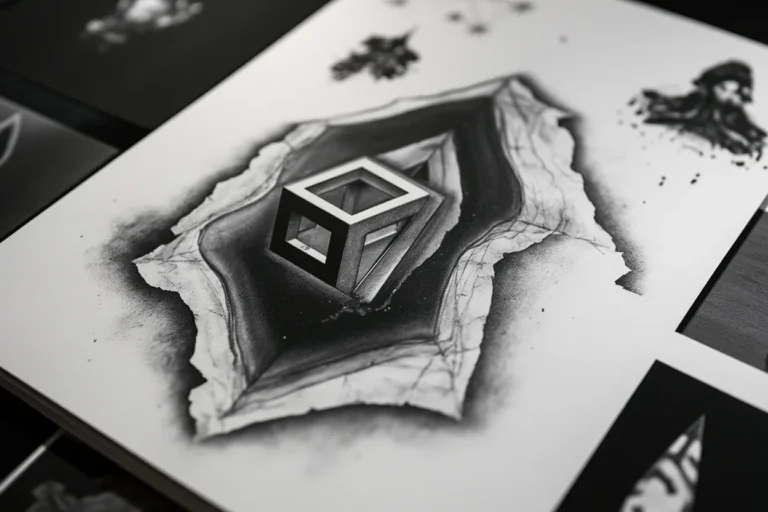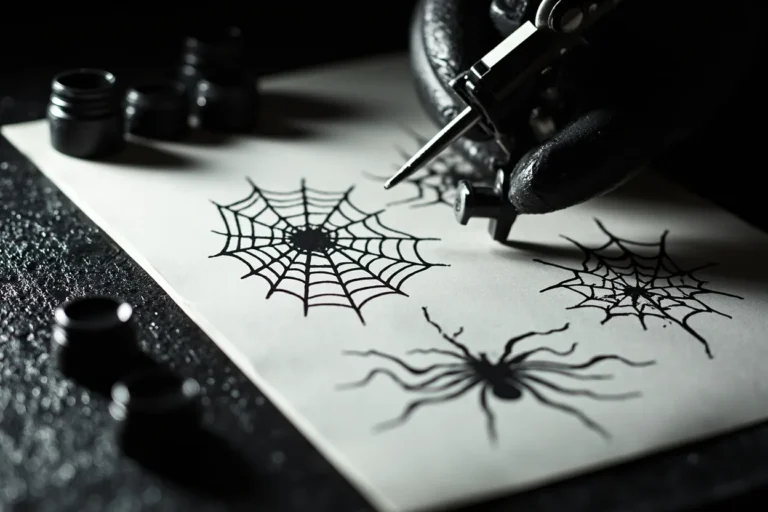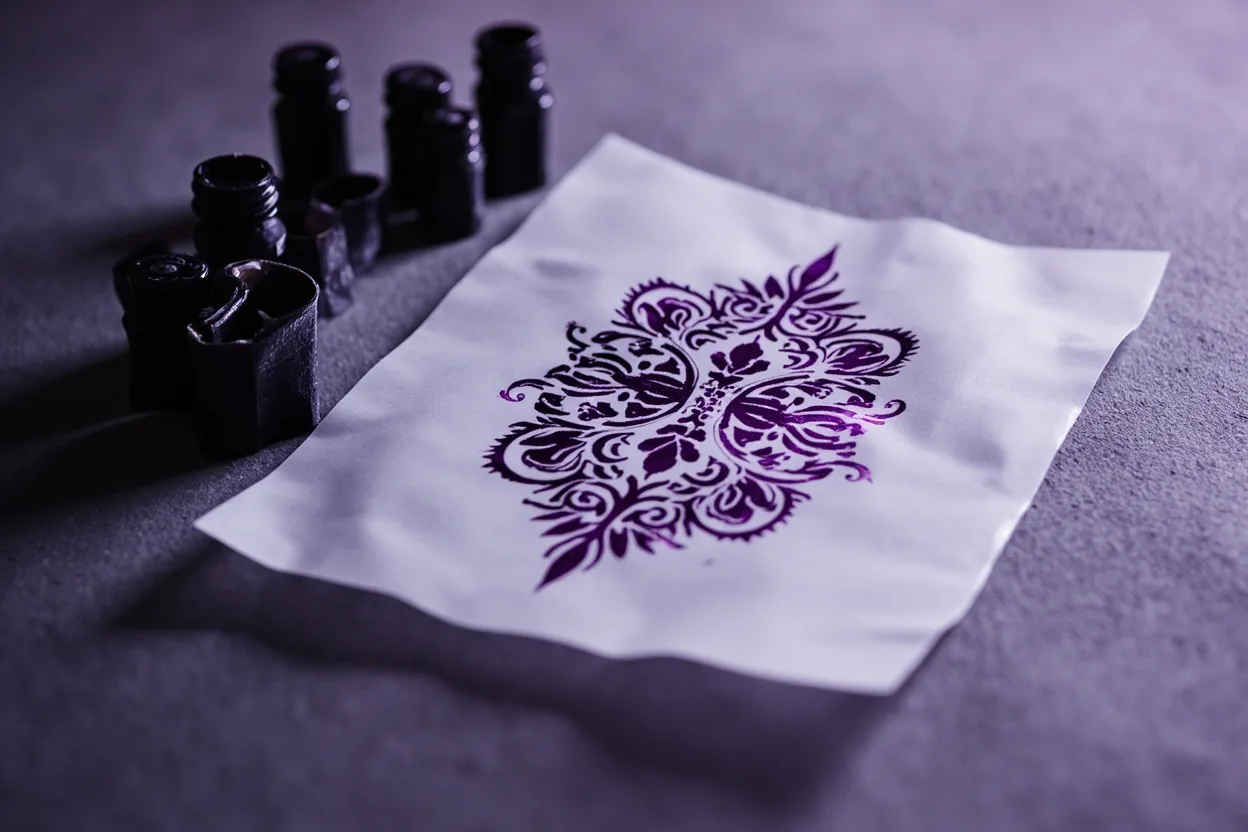
Ornamental tattoo ideas are built around rhythm: repeated shapes, clean spacing, symmetry, and a body part that lets the pattern sit naturally.
Quick answer: Good ornamental tattoo ideas include spine ornaments, sternum pieces, shoulder caps, mandala-inspired marks, wrist cuffs, ankle details, collarbone ornaments, and blackwork patterns with enough spacing to age cleanly.
Ornamental placements that work
Ornamental tattoos often look best where the body already has a center line or clear curve.
| Direction | Best fit | What to watch |
|---|---|---|
| Spine ornament | Vertical symmetry | Placement must be centered |
| Sternum piece | Statement feminine work | Pain and symmetry |
| Shoulder cap | Frames the body | Needs curved layout |
| Wrist cuff | Jewelry effect | Small detail can blur |
| Ankle ornament | Subtle decorative mark | Shoe friction |
Ornamental tattoos live or die by placement. The chest plate, sternum, full sleeve, thigh, and spine are natural fits because those surfaces give you real estate for symmetry and negative space to breathe. Knee caps and elbows are spicy, but the design reads sharp and bold from across the room once healed. Fingers and sides of hands are high-wear zones, so expect lines to soften and fill in within a few years.
Ankles and wrists work well for smaller ornamental pieces, but keep linework at least 1.5mm thick or finer details blowout under the skin. The collarbone is a crowd favorite, runs about a 7/10 on pain, and heals nice when you follow aftercare through weeks two and three when peeling is heaviest.
Symmetry is the job
Ornamental is not decoration, it is architecture drawn directly onto skin.
An ornamental tattoo can be simple, but the alignment cannot be casual. A small shift in the center line can make the whole piece feel off.
The body is not perfectly symmetrical. A good artist adjusts the pattern to look balanced on the wearer, not mathematically perfect on a screen.
Symmetry in ornamental work is not about being perfect, it’s about looking intentional on a body that moves and breathes. Your artist should map the centerline with a ruler and place the stencil while you’re standing, not lying flat on the table. Lying down shifts tissue and throws the whole composition off by the time you stand up.
Mandalas, floral frames, and geometric ornamental pieces need anchor points locked to anatomy, collarbones, the spine, the sternum, or the elbow crease. A solid artist will build the pattern out from that anchor in passes. If someone just freehand slaps a stencil without measuring, walk out.
Before the stencil is approved
Take more time with the stencil than you think you need.
- Check the design standing naturally.
- Ask whether any tiny details should be removed.
- Ask to see healed ornamental work.
- Ask how the design changes when the body moves.
Once the stencil is on, check it in a mirror from at least six feet back. Ornamental designs need to read as a complete shape at distance, not just look good up close on the table. Look for any section that feels visually heavier than the opposite side. That imbalance only gets louder once the ink is saturated and healed.
Ask your artist to walk you through which areas get whip shading versus solid black fill. High-detail ornamental pieces usually combine both, and knowing the plan helps you understand how the piece will age. Fine line sections in high-wear spots like inner arms or wrists will need a touch-up around year two to keep lines crispy.
Ornamental mistakes
Avoid shrinking a detailed ornament until it becomes lace. Lace-like tattoos can look beautiful fresh and muddy later.
Do not choose a sternum or spine ornament without thinking about pain, clothing, and healing friction.
The biggest mistake clients make is going too small with ornamental work. A mandala or floral ornamental piece crammed into a four-inch space will lose detail fast. The tiny negative space sections close up during healing and the whole design muds together. Bold will hold. If your artist says a section is too tight, trust that call.
Skipping the consultation and going straight to booking is another common problem. Ornamental tattoos need custom sizing to your exact body proportions. A design pulled off Pinterest was drawn for someone else’s proportions and body. Give your artist reference images for style direction, then let them draft something built for your actual placement. That step saves you from a costly cover-up later.