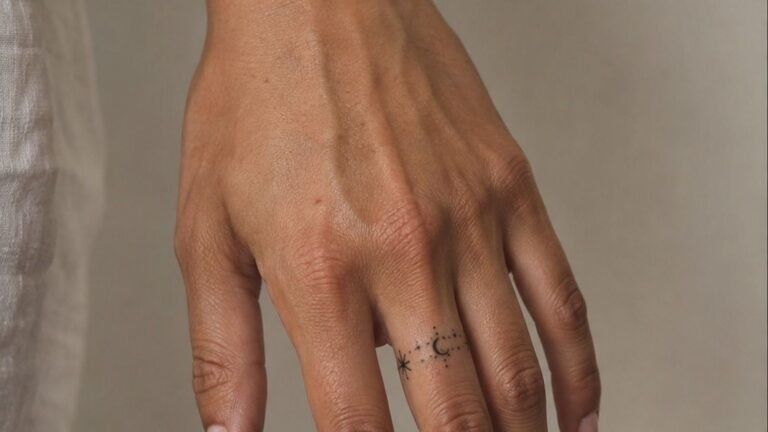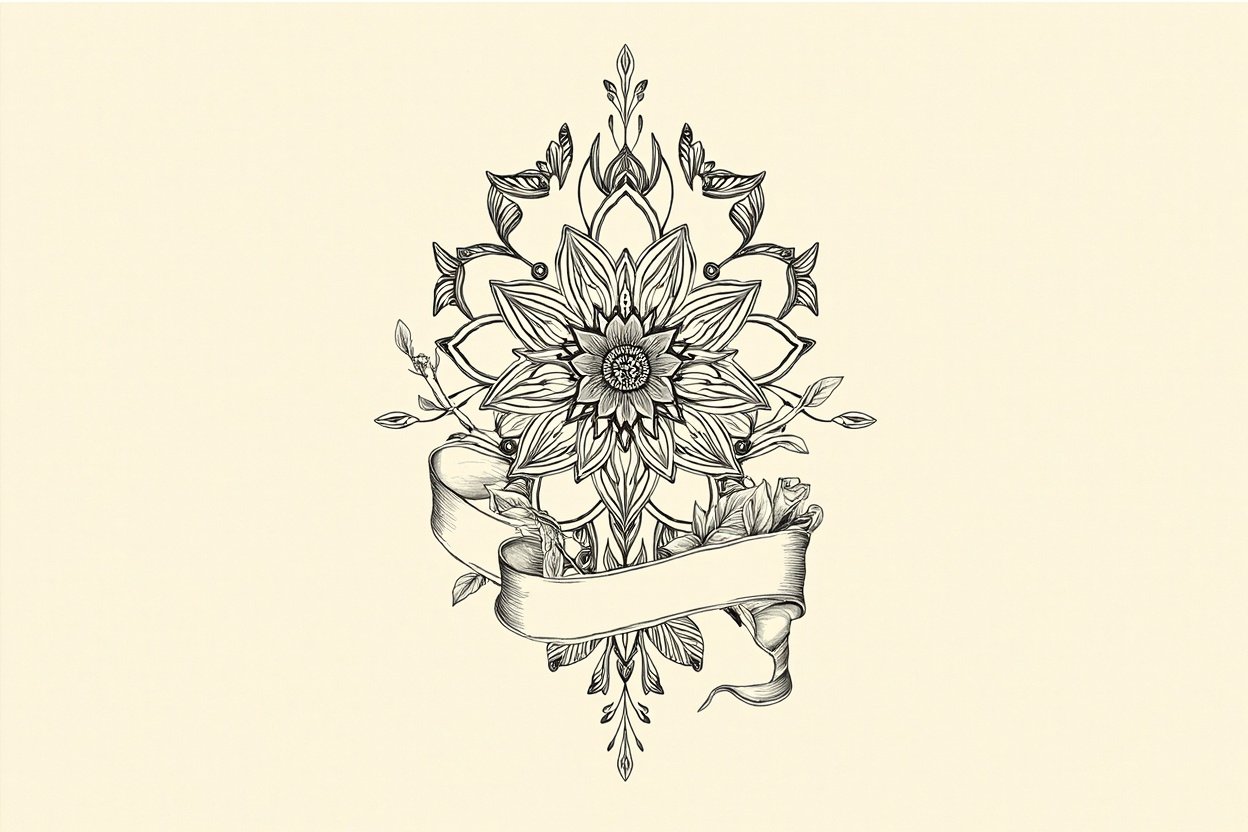
Thigh tattoos give women one of the largest, flattest canvases on the body, with low pain in most zones and skin that holds ink well for years. The trade-off is friction near the inner thigh and stretch from weight change, so placement and style matter more than the design alone.
Quick answer: The outer and front thigh are the easiest zones to sit through and the best for long-term clarity. The inner thigh hurts more and fades faster from rubbing. Floral, ornamental and large pieces suit the size of the canvas; fine-line works if the lines are not microscopic. Plan for one to several sessions depending on scale, and wear loose clothing while it heals.
How much a thigh tattoo actually hurts, zone by zone
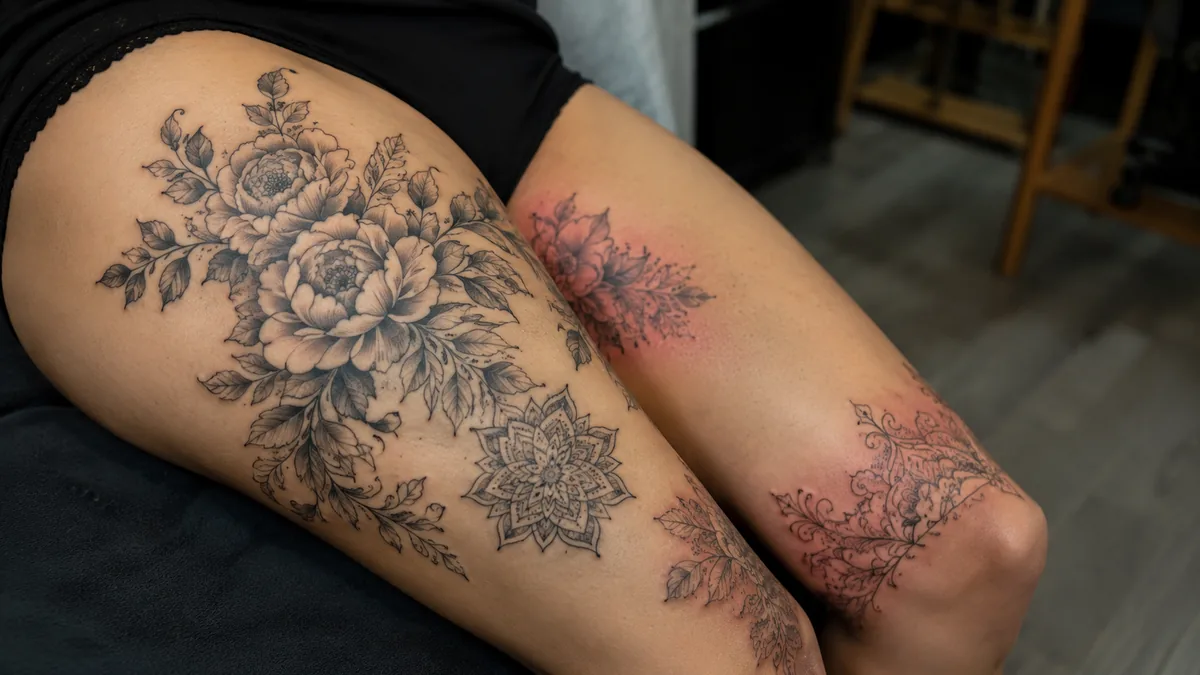
Pain on the thigh is not one number. It shifts a lot depending on where the needle sits, because each zone has a different mix of muscle padding, fat, skin thickness and nerve endings. The general rule holds across the leg: more cushioning and fewer surface nerves means a calmer session.
The outer thigh is the gentlest spot and the one most artists point first-timers toward. Thick muscle, a layer of fat and relatively heavy skin mean the sensation reads as pressure and vibration rather than a sharp sting, usually landing around a 3 to 4 out of 10. The front and top of the thigh sit slightly higher, roughly 4 to 6, because the quad gives good cushioning but the nerve density climbs a little and the feeling can radiate. It gets sharper as you near the hip crease or the knee, where the tissue thins and joint structure starts.
The back of the thigh steps up again. The skin moves more freely and the tissue is softer, with sensitive patches near the gluteal fold and behind the knee. Most people describe a dull ache on the muscle broken up by quick zingy moments near those creases. The inner thigh is the one to respect. The skin is thin and soft, the nerve count is high, and there is more moisture and movement, so it stings and burns more than the rest, often a 6 to 7 even though the needle depth has not changed.
| Thigh zone | Typical pain | Why | Best for |
|---|---|---|---|
| Outer thigh | Low (3-4/10) | Thick muscle and fat, fewer surface nerves | First tattoo, large side pieces, long sessions |
| Front / top | Low to moderate (4-6/10) | Good quad padding, more nerve sensitivity | Central floral, mandala, vertical script |
| Back of thigh | Moderate | Soft mobile skin, tender near fold and knee | Wrap-around designs, hidden placement |
| Inner thigh | Moderate to high (6-7/10) | Thin skin, dense nerves, friction | Personal, low-visibility pieces |
None of those numbers are fixed. Sleep, hydration, anxiety, where you are in your cycle and how many sessions you have already sat through all move the dial on the day. Two people with the same design on the same spot can walk out with very different memories of it.
How thigh tattoos age over time
The thigh gives you the canvas, most people just need the nerve to use it.
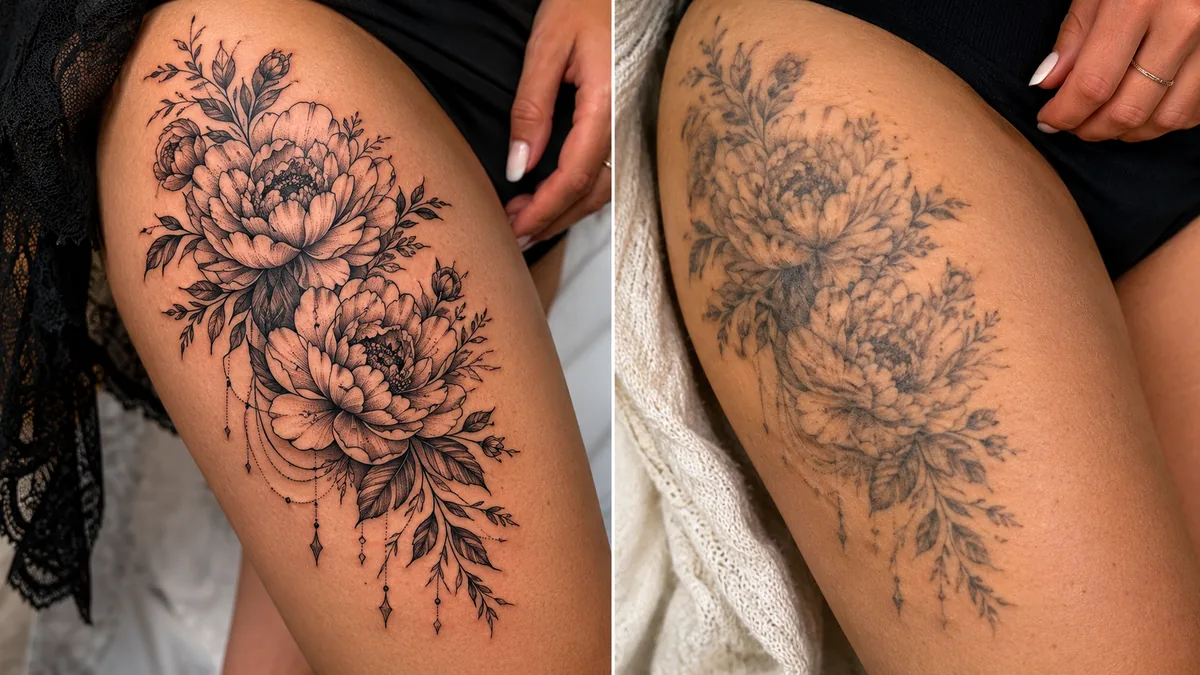
The thigh is one of the better long-term placements on the body. Compared with hands, fingers, feet and elbows, which rub against everything and turn skin over quickly, the thigh keeps lines and saturation far longer. Most tattoos soften a little after five to ten years, but a clean thigh piece with quality ink and decent aftercare can stay sharp for decades.
The two real enemies are friction and stretch. Inner thighs rub together when you walk, and that mechanical wear sands the top layers of skin over years, fading soft shading and lighter colors first. Tight jeans, cycling shorts and rough seams speed this up anywhere on the thigh, but especially inner and back zones. Outer and front placements see far less of this, which is why they hold up best.
Stretch is the other factor. Stable, moderate changes in muscle or weight cause little visible distortion, particularly on the broad, elastic outer and upper thigh. Large fluctuations or pregnancy-related changes can pull the skin and shift linework or spacing, mostly in the looser lower, inner and back areas. Sun does the quiet damage everywhere: the thigh is naturally shaded most of the time, but a season of shorts and beach days with no SPF will break down pigment and collagen, color faster than black.
Artist brief: For a piece you want to keep crisp for life, ask for the outer or front thigh, bold-enough linework, and dark saturated tones over pale pastels. Save the most delicate fine-line and soft pastel shading for low-friction zones, and budget for a touch-up somewhere down the line.
Styles that work on the thigh
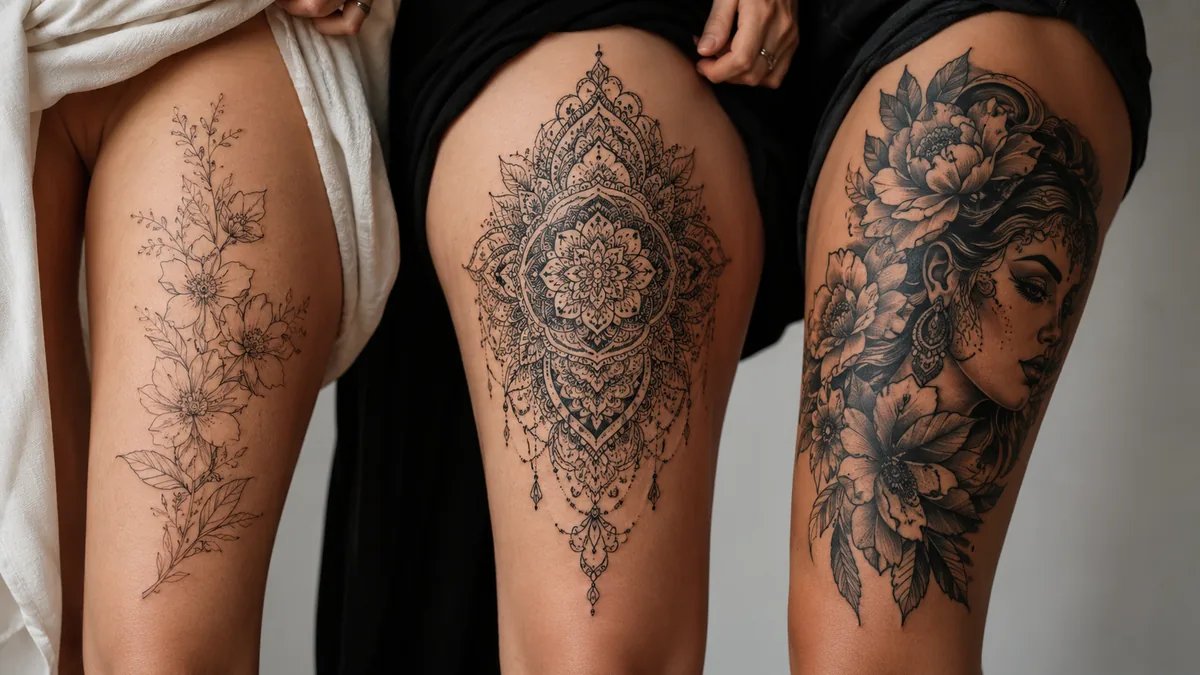
The thigh is a large canvas, so almost any style works once you scale it correctly. The mistake is shrinking a design that wants room or floating a small motif in the middle of a big area where it looks lost.
Floral and botanical pieces are the natural fit. They follow the line of the leg, wrap easily and read well at a distance in both delicate and graphic versions. Ornamental and mandala work sits beautifully on the broad surface, either as a centered rosette on the front or side, or as a vertical ornamental band. Large pieces, a single big flower, an animal, a full scene, are what the thigh is built for, and a full side-thigh piece looks strongest when it fills the whole panel rather than stopping with empty space above the knee.
Lettering and script can run along a curve or a slight diagonal on the side or front, but the letters need to be bigger than you would use on a forearm to stay legible from a few feet away. Fine-line botanical is popular here because the skin is smooth and fairly protected from sun, so it ages better than the same lines would on a wrist or finger. The catch is that lines thinner than half a millimeter blur and thicken over seven to ten years; keep detail readable at arm’s length rather than microscopic, and fine-line on the thigh can stay clean for a long time.
Sizing and placement on the thigh canvas
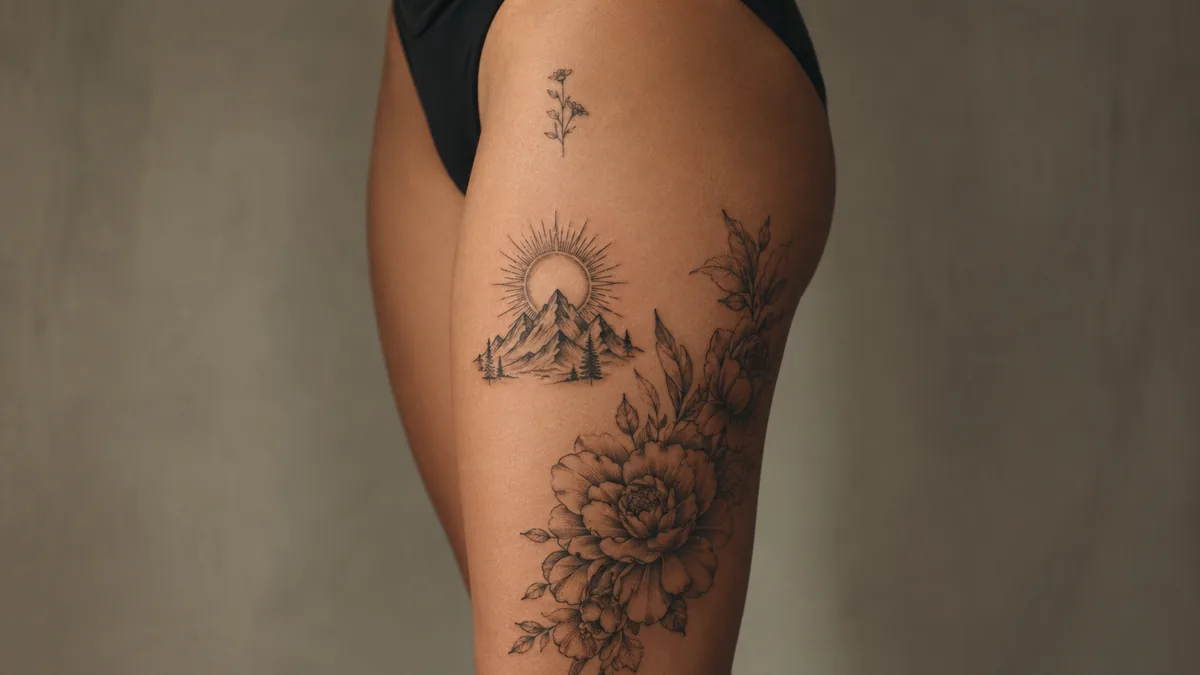
It helps to think in size families rather than exact centimeters. A small accent piece reads as genuinely discreet on the thigh, often smaller than the same motif would look on a forearm. A medium design, roughly a palm to a hand-span, fills a front or side zone nicely and is a common sweet spot for a first thigh tattoo. Medium-large is the size that truly looks like a thigh tattoo without being a full piece: a floral bouquet, a detailed mandala, a vertical botanical composition. A large piece covers the whole front or outer face, or wraps fully around.
Placement is about using the shape of the leg and thinking in both views, straight on and from the side. The front panel suits a large central flower, a mandala or vertical script, sits on a flat readable surface and resists distortion well. The outer thigh is the favorite for big florals, creatures and long diagonals because it hurts least, heals cleanly and photographs well in motion; a large side piece should take the full height of the panel rather than leaving a gap near the knee.
The inner thigh is the quiet, personal choice, more tender and prone to rubbing, so it suits medium sizes and bolder linework over ultra-fine detail in the friction zone. A wrap-around band, floral or ornamental like a garter, needs enough length to avoid an empty stretch and a conversation with your artist about where the focal point sits and how the width changes front to back.
Idea starters: a centered front-thigh mandala with botanical extensions; a diagonal floral spray climbing the outer thigh; a fine-line wildflower stem reading top to knee; an ornamental garter band with a single focal bloom; a large great-white or serpent on the side panel for those who want a bold statement piece.
What to expect for a first thigh tattoo
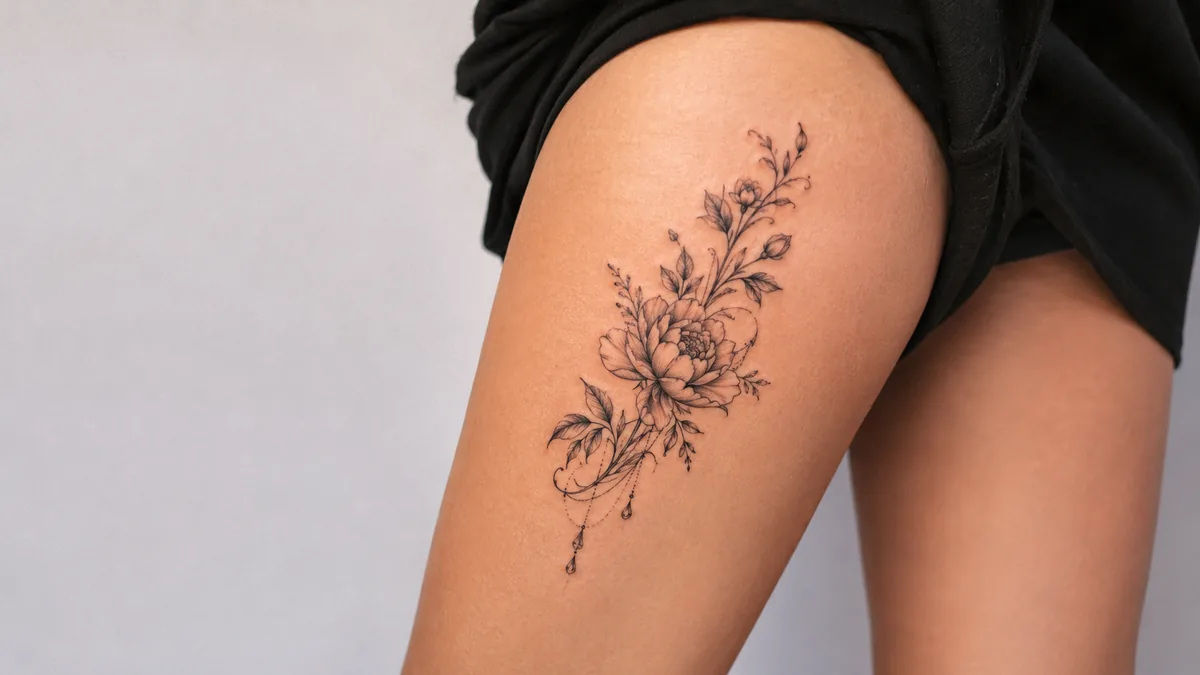
Session length tracks size and fill. A small to medium fine-line piece runs roughly 1.5 to 3 hours. A medium-large floral or detailed mandala is closer to 3 to 5 hours and may split across two sittings if there is heavy shading. A full side-thigh piece is usually several 3 to 5 hour sessions, linework first, then shading or color. Because most of the thigh is low-pain, it is a forgiving spot to sit a long session, which is part of why it suits first-timers.
Dress for access and comfort. On the day, wear a loose short, a flowing skirt or a roll-up legging so the zone is fully exposed without anything pressing on fresh ink afterward. During the two to four weeks of healing, stick to loose, soft cotton and skip skinny jeans or tight leggings that cling to the skin and can pull at peeling areas. No baths, pools or spas while it heals, and strict sun protection once it has. A professional studio drapes the rest of the body, keeps the room respectful and works in whichever position keeps the skin flat, lying back for the front, on your side for the outer panel. Ask for breaks every 45 to 60 minutes and flag any cold sweat or lightheadedness the moment it starts.
Reader questions before you book
Do thigh tattoos hurt a lot?
Most of the thigh is on the easier end of the body. The outer thigh is the gentlest, the front sits low to moderate, and only the inner thigh climbs into the more painful range because of thin skin and dense nerves.
Do thigh tattoos fade or stretch?
They age well compared with hands or feet. Outer and front placements hold up best. Inner-thigh pieces fade faster from rubbing, and large weight changes can stretch the looser lower and inner skin.
What size tattoo is best for a thigh?
Medium to medium-large suits the canvas, roughly a hand-span up to a large composition. Small pieces can look lost on the broad surface unless they are placed as a deliberate accent.
Is the inner or outer thigh better for a tattoo?
The outer thigh is easier to sit, heals cleanly and keeps lines sharp longer. The inner thigh is more personal and hidden but more tender and prone to friction fading.