Triple fives. Looks simple, hits different. The 555 tattoo is one of those designs that carries real personal weight without screaming for attention. People who get it know exactly what it means to them, and that specificity is half the appeal.
555 is an angel number. In numerology, it signals major change, transition, and forward momentum. Not lucky in a lottery-ticket way, but transformational. It’s the number people reach for when they’ve come through something hard and want that shift tattooed on their body as a permanent marker.
The Core Meaning: Change Is Coming
In numerology, five is the number of movement, freedom, and upheaval. Triple it, and you get an amplified signal. 555 is widely read as a sign that major life change is either arriving or already underway. People don’t get this tattoo while things are comfortable. They get it during or after a turning point, a divorce, a recovery, a relocation, a reinvention.
It’s not a wish. It’s a statement. The tattoo says, I recognized the shift when it happened, and I’m not going back. That’s why 555 sits next to sobriety dates, next to loss dates, next to birth years. It anchors a moment in time and gives it meaning that the person assigns themselves, not a tradition or a religion.
Angel Numbers and Where This Comes From
Three fives don't whisper change, they demand it.
Angel numbers are repeated digit sequences that people in spiritual communities treat as messages, nudges from the universe, guides, or their own higher awareness, depending on their beliefs. The framework got mainstream traction through new age numerology in the late 20th century, and social media accelerated it hard in the 2010s. 555 specifically is associated with transition and divine alignment.
You don’t have to be religious to wear it. Most people who get 555 tattooed aren’t making a strict theological statement. They’re using numerology as a lens, a framework that gave language to something they were already feeling. The tattoo is the personal record of that feeling, not a membership badge.
Popular Design Variations
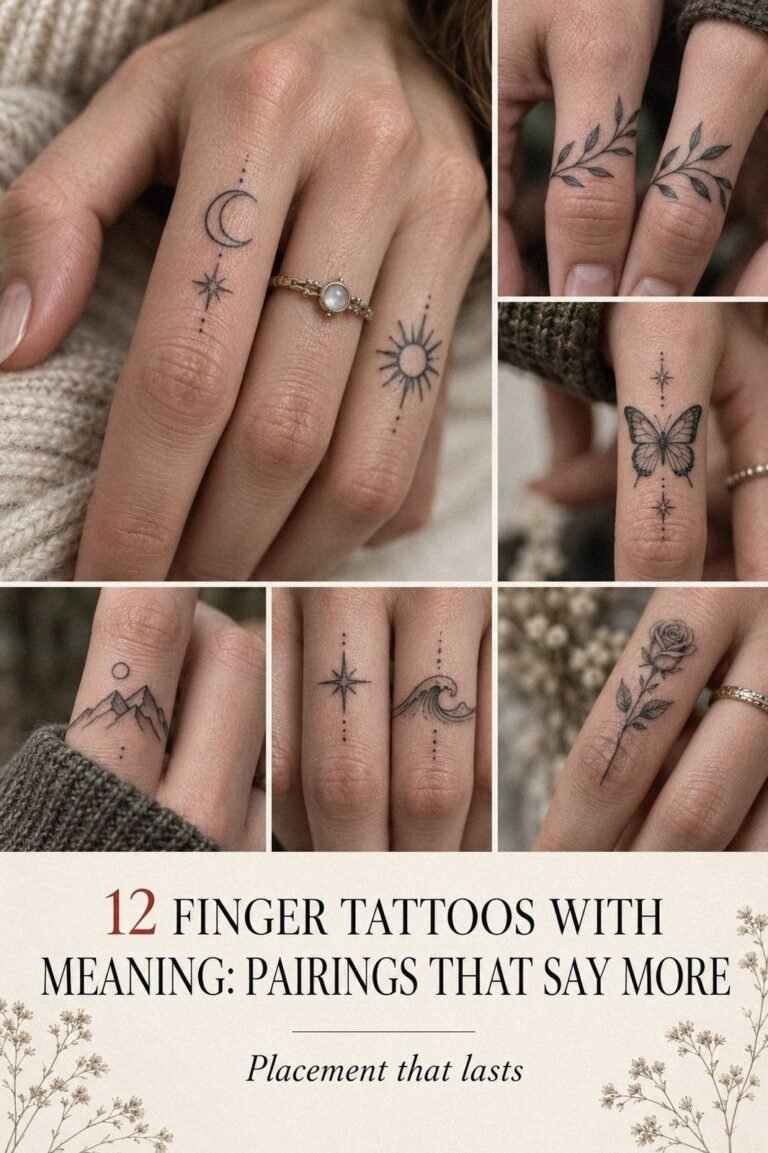
The most common execution is clean roman numerals, V V V, or straight Arabic numerals, 555. Minimal, bold, reads immediately. Fine line is popular for the wrist and inner arm. Bold traditional script works well on the forearm or calf where you want it to hold for decades. Some people stack the fives vertically. Some separate them with dots or small symbols like a star, a crescent, or a small wave.
More elaborate versions build the numbers into larger compositions. A 555 wrapped in clouds and light rays reads celestial and optimistic. 555 integrated into a geometric frame reads structured and intentional. Some artists whip shade around the numbers to give them a vintage glow without going full blackwork. The number itself is the anchor. The surrounding art just sets the mood.
Black and Grey vs. Color
Black and grey is the dominant choice. It’s clean, it ages predictably, and fine line or bold black both photograph well. For placement on the wrist or forearm, a crisp black 555 in a solid font heals tight and reads from across the room once it’s settled in. High contrast black on lighter skin tones is the most saturated result long term.
Color works when it’s intentional. Gold or yellow numerals suggest something sacred or celestial. Deep red or burgundy gives it weight and urgency. If you’re going color, go bold enough that it doesn’t fade into a muddy blur in two years. Pastels in fine line on 555 look great fresh and soft in about eighteen months. Know that going in.
Placement and How It Ages
Wrist and inner forearm are the most popular spots. Visible, personal, easy to cover with a sleeve if needed. The wrist is a high-wear zone, so fine line 555 there needs a confident hand and clean execution or the lines will blur faster than you’d like. Bold will hold better on the wrist than hairline script. The inner bicep gives you more room and lower sun exposure, which means better longevity.
Ribs and sternum are spicy placements but they age well since they’re mostly fabric-covered. Collarbone 555 photographs beautifully but the skin moves a lot, so expect some spreading over time. Behind the ear is a popular micro placement, but the skin there is thin and it’s a high-wear zone for blowout risk if the artist rushes. Behind the knee and the foot are the hardest to keep crisp long term.
Who Gets This Tattoo
People in transition. That’s the honest answer. The 555 crowd skews toward people who’ve survived something, a mental health crisis, an addiction, a relationship that broke them, a career they had to leave. It also gets picked up by people who are spiritually curious without being religious, people who find the numerology framework useful as a personal mythology without treating it as doctrine.
Artists also pull it, musicians, creatives who feel like their whole life operates in cycles of chaos and reinvention. It’s a popular first tattoo for people who want meaning without commitment to a full religious symbol. And it’s a popular addition for people with sleeves who want a numerical element that carries personal resonance without being a date or a name.
Making It Your Own
The best 555 tattoos are specific. If you just want the numbers because they look cool, that’s fine, but it’s going to read thin over time. If you can attach the 555 to an actual moment, a year, a season, a specific turning point in your life, that tattoo earns its place on your skin. Tell your artist the story. A good artist will use that context to make decisions about weight, style, and placement that generic internet research won’t give you.
Pair it with something personal if you want depth. A small symbol that matters to you. A word in your handwriting. Your artist’s original lettering style instead of a font you found online. The number is the foundation. What you build around it is what makes it a tattoo worth having for the next forty years.