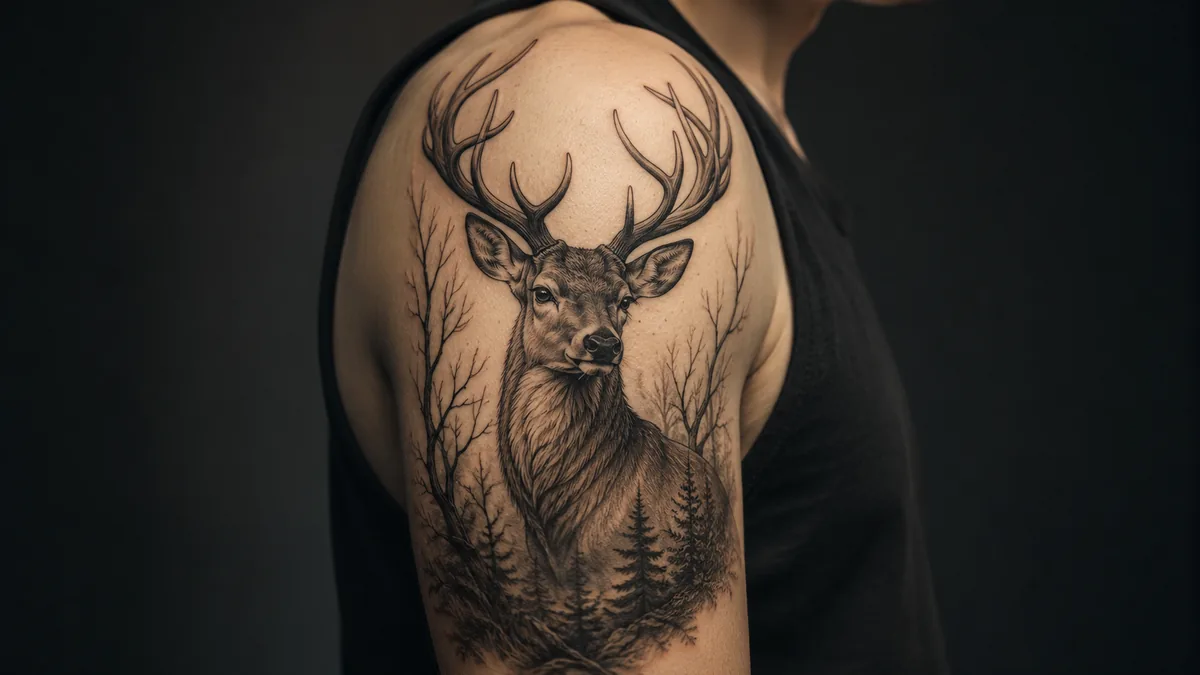
The deer tattoo carries real weight. It’s one of those designs that looks delicate on the surface but holds a lot of meaning underneath. People get deer tattoos for everything from personal grief and gentleness to raw wilderness energy. The symbolism is layered, and the design options are wide open.
If you’re drawn to a full buck with a massive rack or a simple doe silhouette, understanding what you’re putting on your skin matters. Here’s a straight breakdown of what deer tattoos actually mean, where they come from, and how to get one that holds up for life.
Core Symbolism: What a Deer Tattoo Actually Means
The deer is universally tied to grace, gentleness, and intuition. It’s a prey animal that survives through awareness, not aggression. So people who connect with that energy, the ones who navigate life through sensitivity and instinct rather than brute force, often feel a real pull toward this image. It’s not weakness. It’s a different kind of strength.
Deer also represent natural innocence and a deep connection to the wild. They move through forest edges, between worlds. That liminal quality makes them a strong symbol for people who feel like they exist between spaces, between loss and healing, between past and future. The deer doesn’t fight. It feels its way through.
Buck vs. Doe: The Gender Distinction Matters
The deer doesn't apologize for being soft, and neither should you.
A buck, the male deer with antlers, reads differently than a doe. The buck represents power, leadership, and masculine energy. Those antlers symbolize growth and regeneration because they shed and regrow every year. That cycle makes the buck a strong choice for anyone marking a period of personal rebuilding or starting over after something heavy.
The doe, smooth and antler-free, leans into femininity, nurturing energy, and vulnerability as a form of courage. Fawns add innocence to the mix and are common memorial pieces for lost children or the preservation of childhood memory. Know which version you want before you sit in the chair, because the read changes completely.
Cultural and Historical Roots
In Celtic tradition, the deer, especially the white stag, was considered a messenger from the Otherworld. Chasing a white stag in Celtic myth meant following something sacred into unknown territory. That resonates with people who see their tattoo as a marker of a spiritual journey or a search for deeper meaning. It’s a real, documented symbol, not a modern invention.
Native American traditions hold the deer as a gentle guide and a totem of sensitivity and peace. In East Asian cultures, particularly Chinese and Korean traditions, the deer is associated with longevity and good fortune. The deer appears in Shinto imagery in Japan, sacred to the gods at Nara. These readings are distinct, so if you’re pulling from a specific culture, be intentional about it.
Popular Design Styles and Variations
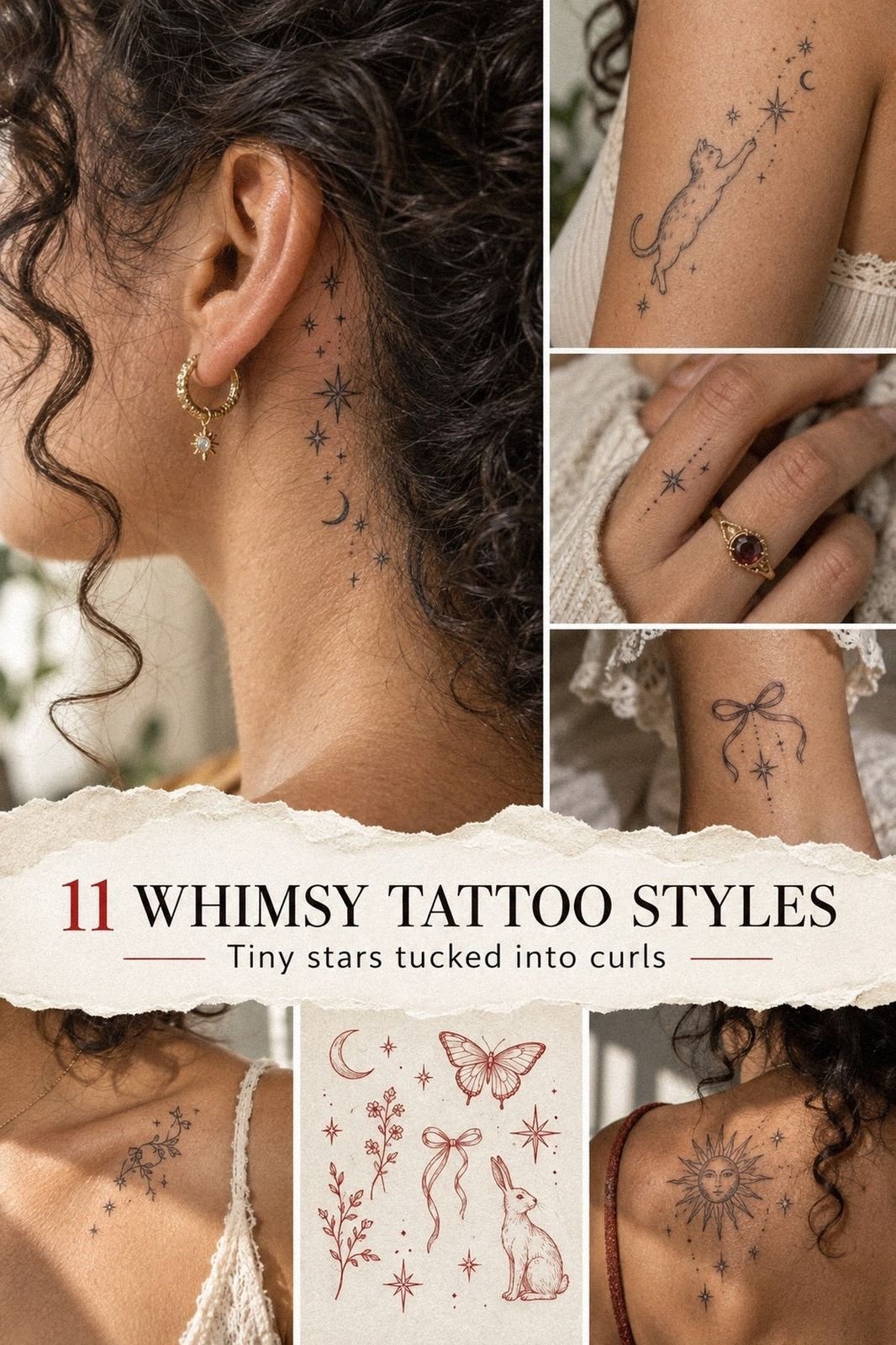
Blackwork and fine line are the two dominant styles right now. Fine line deer portraits, especially single-needle pieces with delicate antler detail, are everywhere, and when done by a skilled artist they’re stunning. The risk is longevity. Fine line on soft skin areas can blur over time. Make sure your artist has healed photos, not just fresh shots.
Black and grey realism gives you a deer that reads with depth and holds longer. Geometric styles, where the deer or just the skull and antlers are broken into sharp planes and negative space, stay bold and legible as they age. Traditional American deer tattoos with thick outlines and flat color are a solid choice for longevity. Neo-traditional adds ornamental detail without sacrificing that bold outline structure.
Color vs. Black and Grey
Full color deer tattoos can be incredible, especially autumn forest scenes with warm oranges, deep umbers, and golden highlights. Saturated color pops on fresh skin, but you need to commit to touch-ups as it fades. Browns and warm tones tend to shift yellowy over time on lighter skin tones. Talk to your artist about how their color work heals before you commit.
Black and grey is the safer long-term bet for most deer designs. The contrast holds better, the shading ages into the skin more predictably, and fine detail in B&G tends to survive better than color detail does. If you want warmth without full color, some artists do a mostly B&G piece with one or two pops of color on the eye or a flower element. That can read beautifully.
Placement, Pain, and How It Ages
The thigh is the most popular placement for larger deer pieces. It’s a flat, fleshy canvas, moderately spicy but manageable, and the skin holds ink well. You get room for a full scene, antlers, forest background, the works. The outer forearm works great for medium-sized designs and ages cleanly. The upper arm and shoulder are classics for a reason. Low-wear zones, they hold detail long-term.
Avoid putting highly detailed fine-line deer work on the inner wrist, inner arm, or fingers. These are high-wear, high-movement areas that chew through fine detail fast. You’ll be back for a touch-up within two years and the lines may never look as crisp again. Ribs and sternum are another option that looks dramatic but are genuinely spicy sessions. The detail holds reasonably well there since it’s a low-friction zone.
Who Gets Deer Tattoos and How to Make It Personal
Hunters get deer tattoos as trophies and tributes to the land. Nature lovers and people with deep outdoor roots get them as identity markers. People in recovery or processing grief get them for the regeneration symbolism, the antlers that fall and grow back. A lot of people get a deer tattoo after losing someone gentle and kind, a parent, a child, a friend who moved through the world quietly.
To make it yours, think about what element of the deer speaks to you, then build from there. Add birth flowers in the antlers for a memorial piece. Use a specific species like a whitetail or an elk if you have a regional or hunting connection. Incorporate a landscape from a meaningful place. Give your artist something real to work with and you’ll end up with a tattoo that means something every time you look at it.