The death moth tattoo is one of the most loaded symbols you can put on skin. At its core it sits at the intersection of two heavy ideas: the natural world and the inevitability of death. People have been drawn to moths for centuries because they chase light in the dark, and pairing that with skull imagery or death motifs cranks the meaning up considerably.
This is not a tattoo you get because it looks cool on Pinterest. People who wear it usually have a story. Loss, survival, a chapter they closed hard. The death moth earns its place on skin when the person wearing it means it.
Core Symbolism: What the Death Moth Actually Means
The death moth combines two symbols that have carried weight across cultures for a long time. Moths represent attraction to light, mystery, vulnerability, and the soul. Death imagery, whether a skull face on the moth’s body or a memento mori banner, adds mortality and acceptance of it. Together they read as a reminder that life is finite and beautiful because of that, not in spite of it.
Most people who get this tattoo mean one of a few things: they’ve faced death closely, they’ve survived something serious, or they carry a philosophy around impermanence. It is a quieter, darker cousin to the butterfly tattoo. Where a butterfly signals pure rebirth, the death moth says the transformation cost something.
The Death’s-Head Hawkmoth: The Real Historical Reference
The moth does not fear the flame. It has always known the cost.
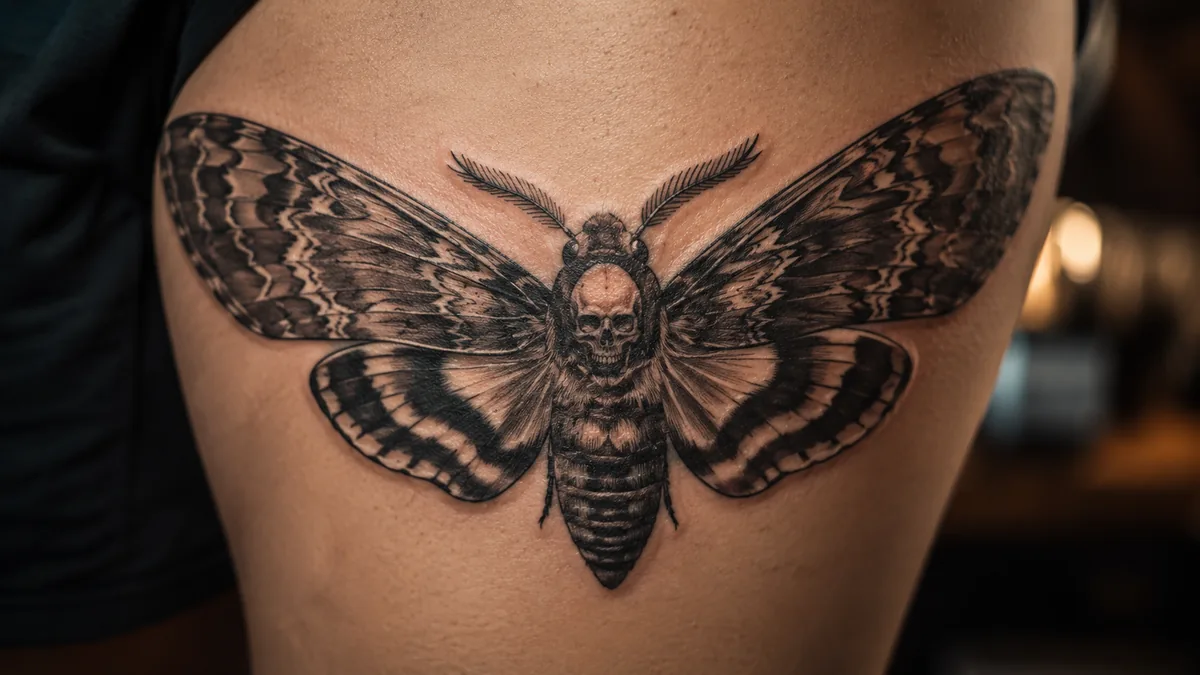
The design most people call a death moth is almost always rooted in the death’s-head hawkmoth, Acherontia atropos. That skull-shaped pattern on its thorax is real, not a tattoo artist’s invention. It appears naturally on three species of large hawkmoths native to Europe, Africa, and Asia. The name Acherontia comes from Acheron, the river of woe in Greek mythology, which tells you how long humans have been reading darkness into this insect.
The moth showed up in folklore as a bad omen, a harbinger of death or plague. It also appeared in the 1991 film The Silence of the Lambs, which put the image back into mainstream consciousness hard. That film reference still lives in the tattoo world, though most people wearing it today connect more to the symbolism than the movie.
Transformation, Duality, and the Balance Between Life and Death
One of the strongest readings of the death moth is duality. Life and death sharing the same body. The moth is alive, mid-flight, wings spread. The skull marks it as death’s creature. That tension is the point. Many people use this tattoo to represent the dual nature of existence: joy alongside grief, survival alongside loss, light alongside shadow.
It also carries transformation meaning the same way butterflies do, just with a harder edge. Moths go through metamorphosis too. Larva to pupa to winged creature. That process mirrors what a lot of people experience after trauma or major life change. The death moth says you came out the other side, but you know what it cost.
Design Variations: From Traditional to Fine Line
The most classic version is a realistic or neo-traditional death’s-head hawkmoth with the skull pattern prominent on the thorax, wings spread wide, sometimes with added elements like flowers, hourglasses, moons, or knives. Bold traditional execution in solid black and grey reads from across the room and holds up for decades. The contrast stays crispy and the silhouette stays readable even as the skin ages.
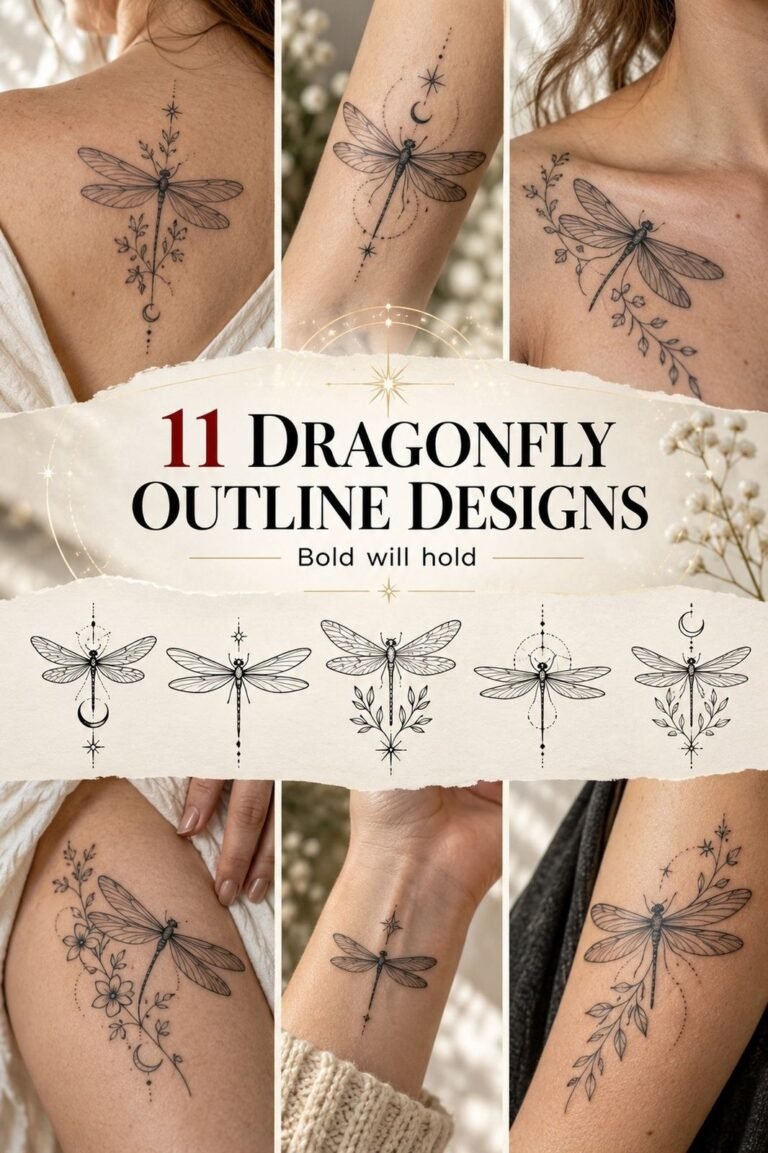
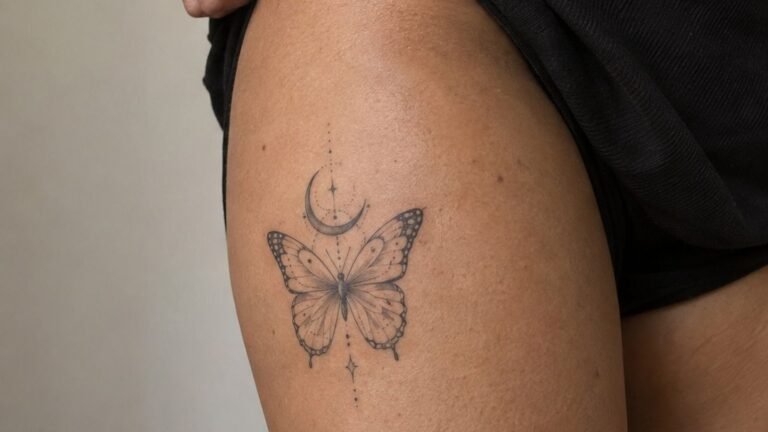
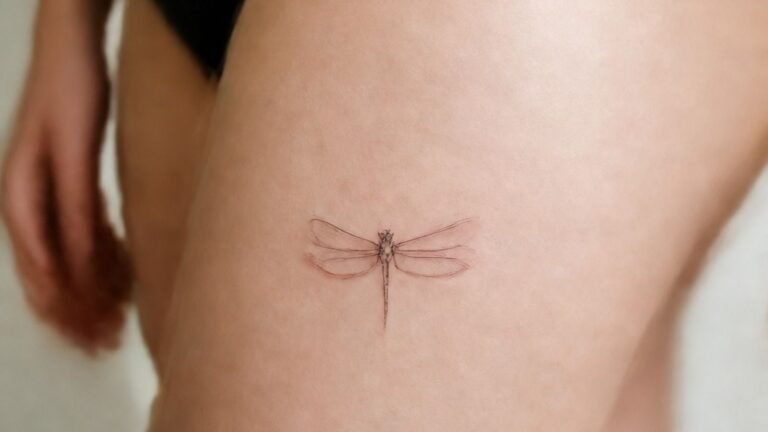
Fine line and blackwork versions have blown up in the last few years. Fine line death moths can be stunning on fresh skin, incredibly detailed, almost illustrative. The tradeoff is longevity. Fine line on high-wear zones or textured skin tends to fade and spread faster. If you go fine line, placement matters even more. Geometric and dotwork variations are also common and give the design a more structured, modern feel.
Color vs. Black and Grey
Most death moth tattoos lean black and grey, and that is the right call for the subject matter. The muted palette matches the theme. A skilled artist can get incredible depth and texture in the wings with just grey wash and black, whip shading the wing texture to give it that powdery moth look. It ages well, stays legible, and has a timeless quality that saturated color sometimes loses.
A death moth with deep jewel tones, purples, midnight blues, or muted earth tones can be stunning too. Some artists add a pop of color to the skull’s eye sockets or the wing margins while keeping the rest in black and grey. Full color death moths in an American traditional style, thick outlines and bold fills, hold up exceptionally well long term. Avoid fine line color on high-wear skin if you want it to stay solid.
Placement and How It Ages on Skin
The chest, sternum, upper back, and forearm are the most natural spots for this piece. The moth’s bilateral symmetry works perfectly on the chest or sternum because the wings spread naturally across the body. Forearm placement is popular because the design reads well vertically. Upper thigh and ribs work for larger, more detailed versions, though ribs are genuinely spicy and thin skin there means you’ll want an experienced artist.
High-wear zones like hands, fingers, and feet are rough on any tattoo, fine line especially. A solid black and grey death moth on the chest or upper arm will heal nice and stay legible for many years with basic sun protection. Avoid stretching the placement across major joints if you want the proportions to hold. Bold will hold regardless of zone better than delicate linework, so factor that into your style choice.
Who Gets This Tattoo and How to Make It Personal
People who get death moth tattoos tend to share a few things. They’ve usually sat with some real darkness: loss of someone close, a brush with their own mortality, a period of life that changed them. It is not typically a first tattoo, though nothing says it can’t be. It attracts people who are comfortable with heavy symbolism and want their ink to mean something specific rather than just look good.
To make it personal, think about the additions. A birth flower twined around the wings for someone you lost. A specific date in the banner. A moon phase that marks a turning point. A name worked into the negative space. Your artist can help you integrate personal elements without crowding the composition. Keep the skull on the thorax clean so the core symbol stays readable.