A butterfly skull tattoo puts two heavy symbols in one frame. You get the butterfly, which stands for change, rebirth, and the soul in transition, and the skull, which is a straight-up reminder that we all die. Together they don’t cancel each other out. They sharpen each other.
The design is popular because the tension is honest. Life is beautiful and it ends. That’s the whole message, and it hits without needing a single word. Plenty of collectors get this piece after surviving something, losing someone, or just reaching a point where they’re done pretending mortality isn’t real.
The Core Meaning: Life, Death, and the Space Between
The skull in tattoo tradition goes back centuries as a memento mori, Latin for ‘remember you will die.’ It’s not morbid for shock value. It’s a philosophical anchor. Ancient Romans, medieval Christians, and Día de los Muertos culture all used the skull to remind the living to value their time. The butterfly carries a separate but compatible weight: transformation, the soul leaving the body, new life emerging from a stage that looks like death.
Put the two together and you get a statement about the full cycle. Death isn’t the end of the story, it’s part of it. A lot of collectors describe this tattoo as their way of making peace with impermanence. It reads as acceptance, not depression. That distinction matters when people ask what it means.
Cultural and Historical Roots Worth Knowing
The butterfly doesn't mourn the cocoon. The skull doesn't fear the wings.
Día de los Muertos is the most direct cultural reference here. In Mexican tradition, the skull represents deceased loved ones returning to visit, and the mariposa (butterfly) is specifically associated with the souls of the dead traveling between worlds. The monarch butterfly migration through Mexico in late October and November lines up with the holiday, which is why that connection runs deep and is not invented symbolism.
Greek mythology also ties the butterfly to the soul. The word ‘psyche’ means both soul and butterfly in ancient Greek. So when you combine skull and butterfly in a tattoo, you’re tapping into two independent traditions that both say the same thing: the soul survives the body. If you’re drawing from Mexican, Greek, or purely personal meaning, the symbolism is grounded and real.
Popular Design Variations
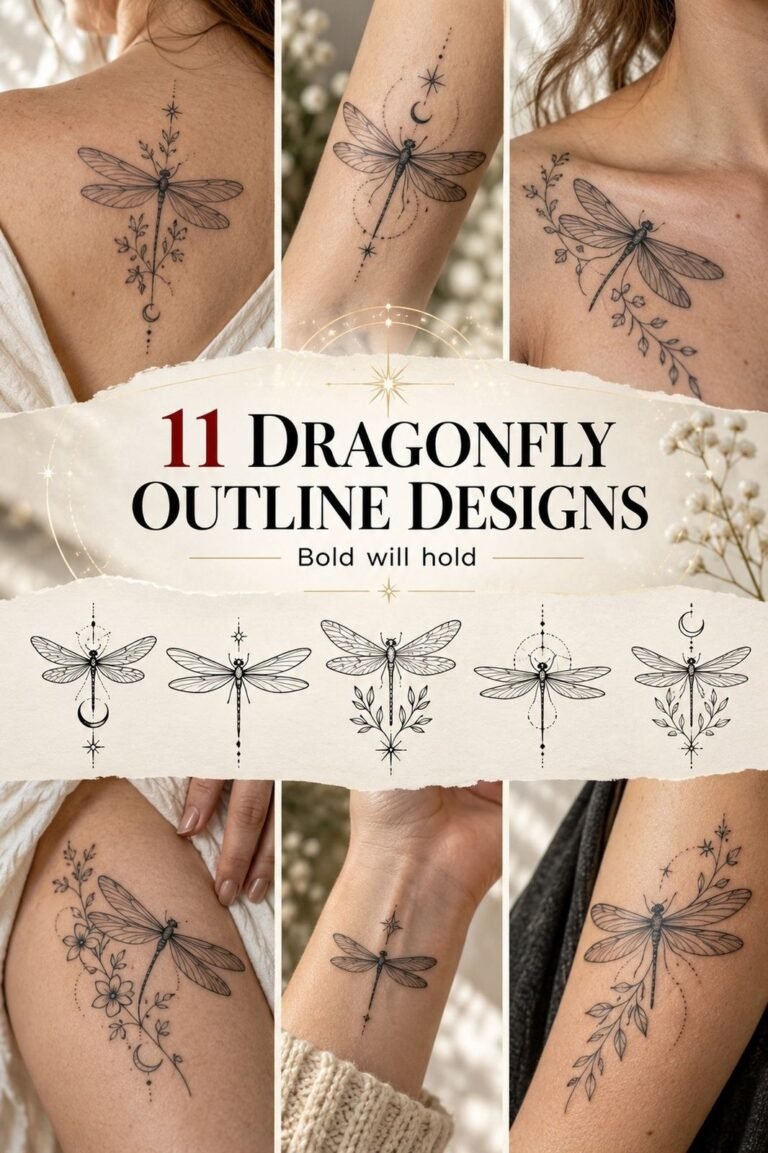
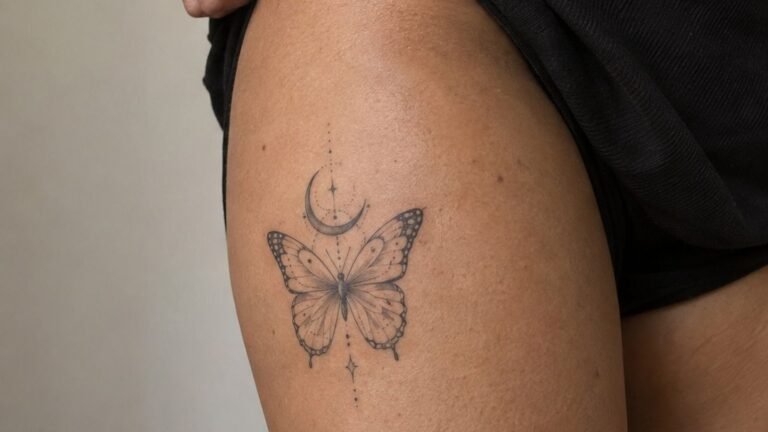
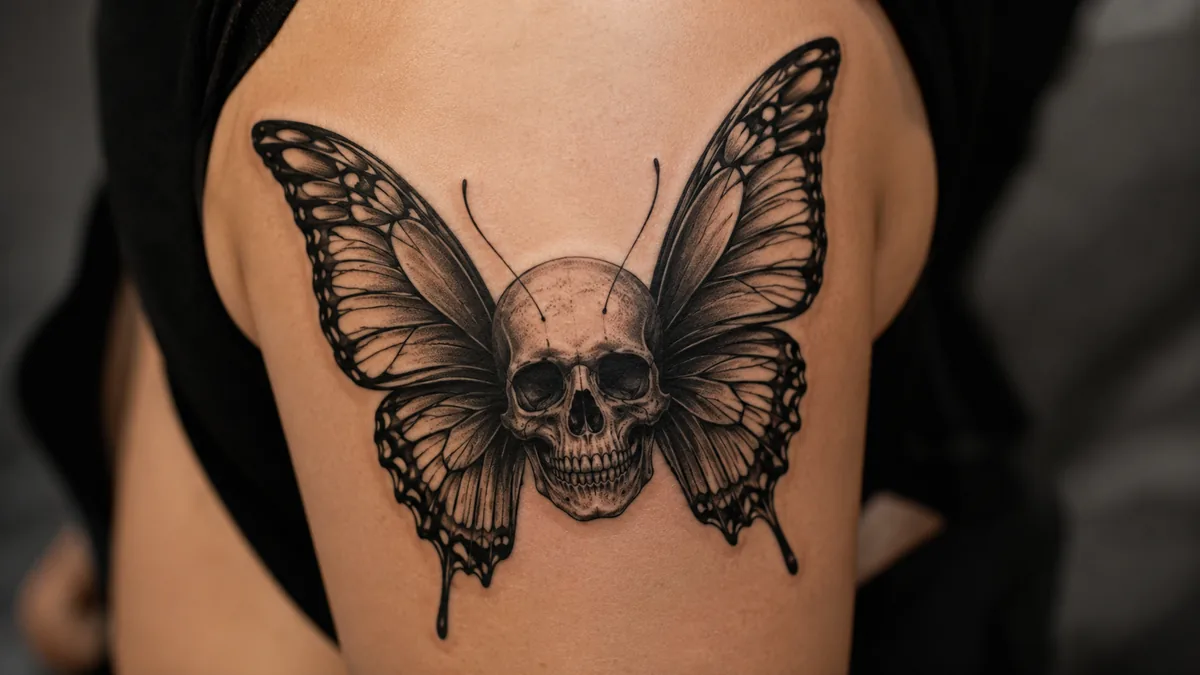
The most common approach uses the butterfly’s wings growing from the skull’s temples or cheekbones, making the skull look like it’s about to take flight. Some artists split the design so each wing contains half a face or a separate scene. Neo-traditional versions push saturated color into the wings while keeping the skull rendered with crispy linework and heavy contrast. Fine line versions go minimalist, just a delicate skull outline with thin-line wings, and they read beautifully small.
Geometric variations break the wings into tessellated shapes or sacred geometry panels. Realism builds the skull with full anatomical detail and then paints the wings like a photograph, every scale sharp. Watercolor drops loose color blooms behind the linework. Blackwork fills everything solid with negative space doing the heavy lifting. Each style changes the mood. Realism hits serious and studied. Neo-trad feels celebratory. Fine line lands soft and intimate.
Color vs. Black and Grey
Black and grey is the go-to for collectors who want longevity and a classic look. A skilled artist can whip shade the skull to look three-dimensional and render the wings with soft gradients that still read from across the room. Bold will hold in black and grey when the linework is solid and the contrast is tight. It also tends to age cleaner than color in high-wear zones because fading is more even.
Color opens the piece up to a wider emotional range. Monarch orange and black wings with a grey skull creates warmth and direct Día de los Muertos energy. Iridescent blue or purple butterfly wings on a dark skull reads otherworldly. Blue and green can tip it toward the mystical. Red wings shift the meaning toward passion or grief depending on the styling. Whatever palette you choose, make sure the skull doesn’t get washed out. It needs to hold its own against the wings or the whole composition falls apart.
Best Placements and How It Ages
The thigh is the best real estate for this design if you want size and detail. Flat surface, relatively low pain, and the piece can breathe. The upper arm and shoulder blade work well for medium to large versions. The chest placement is powerful but the sternum is spicy, expect solid discomfort. Forearm placements look clean and display well, though color in high-sun areas fades faster, so black and grey makes more sense there.
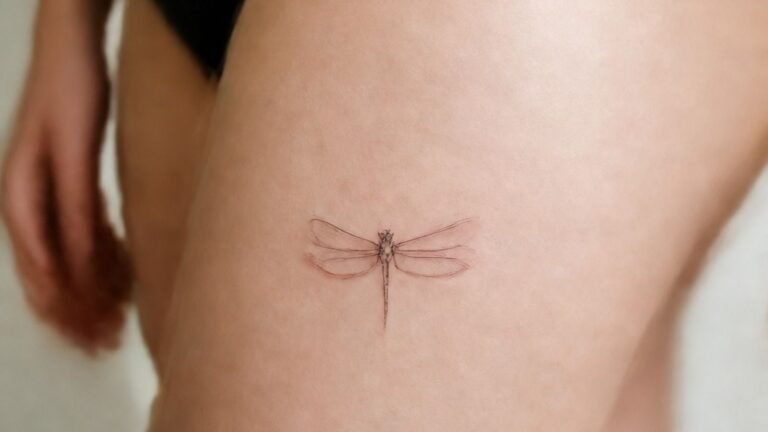
Fine line butterfly skull tattoos in thin delicate lines do age differently than bold work. In high-wear spots like fingers, wrists, or the inside of the elbow, fine lines can blur and lose definition over five to ten years. The inner elbow flexes constantly and that breaks ink down faster, it’s a known blowout risk zone for detail work. A bolder version with more line weight and solid black holds shape longer. Ask your artist honestly about longevity before you commit to placement.
Who Gets This Tattoo and Why
Collectors who have been through a major life change gravitate toward this one. Cancer survivors, people in recovery, people who lost a parent or partner young. It’s a tattoo that says, I looked at the hard thing and I’m still here. That’s not melodrama. That’s a real reason to get tattooed, which is the only kind of reason that matters.
It’s also popular with people who just connect with the visual language without a specific life event behind it. The design is striking on its own terms. Some collectors build it into a larger sleeve around themes of nature, death, and transformation. Others keep it standalone as a clean, strong piece that tells a complete story without needing context. Either approach works. The meaning is flexible enough to hold whatever you bring to it.
Making It Personal
The best butterfly skull tattoos carry some detail that makes them specific to one person. That could be the species of butterfly, a monarch ties to Mexican heritage and seasonal migration, a swallowtail has different regional significance, a blue morpho reads more tropical and psychedelic. Some collectors incorporate their loved one’s birth flower into the wings or hide initials in the skull’s eye sockets. These additions don’t clutter the design if your artist knows how to integrate them.
You can also shift the mood through the skull’s expression and the butterfly’s posture. A skull with a subtle grin and wings spread wide reads triumphant. A skull that looks weathered with wings half-folded reads more contemplative. Talk through mood with your artist before the stencil goes on. This design has enough range that rushing the concept stage is the only real mistake you can make with it.