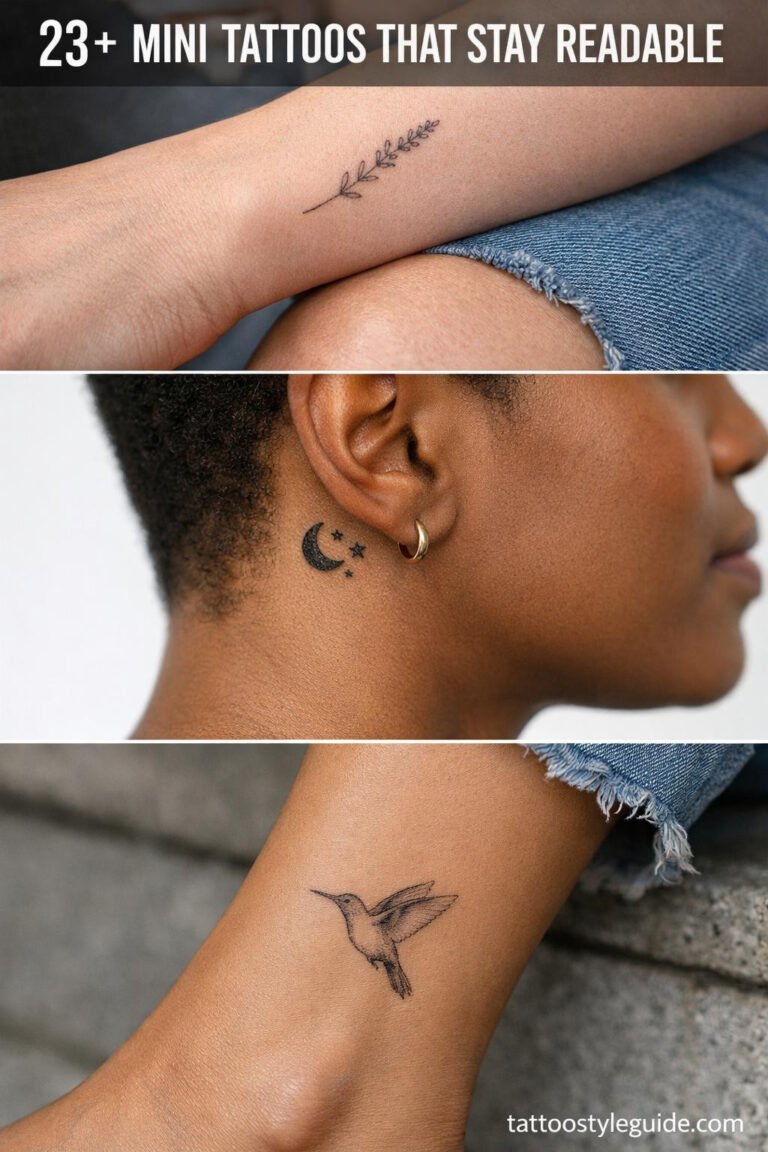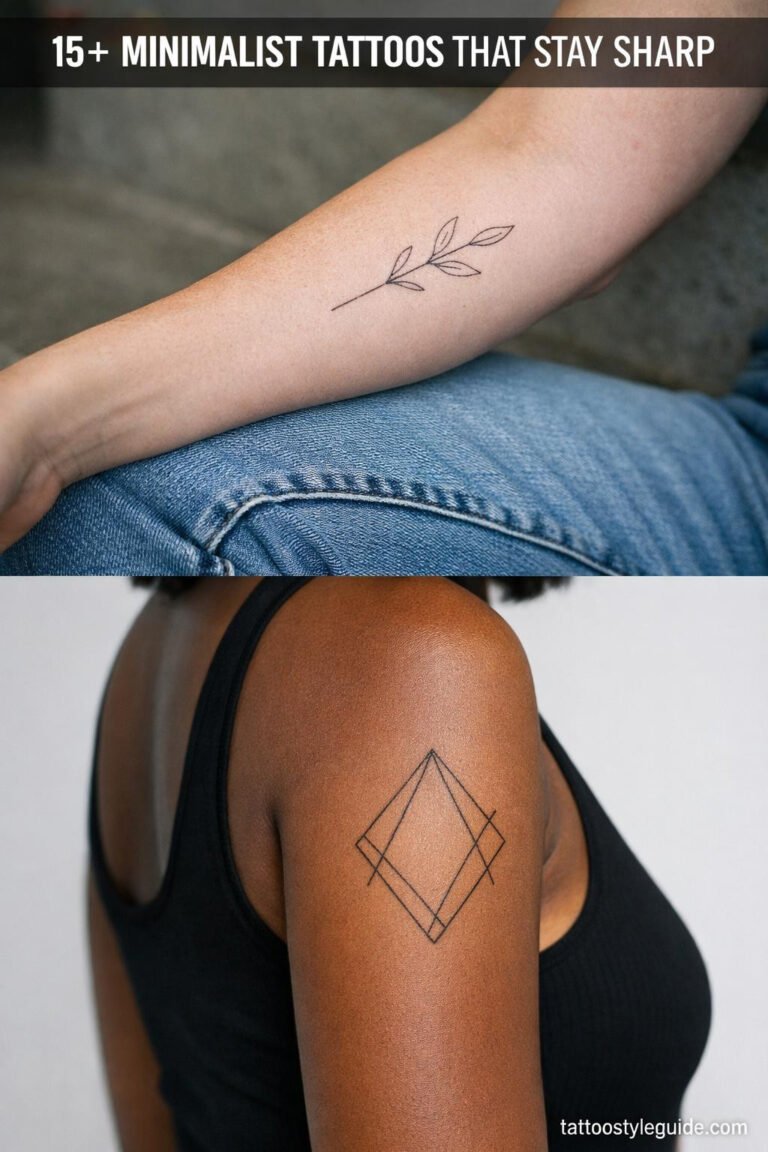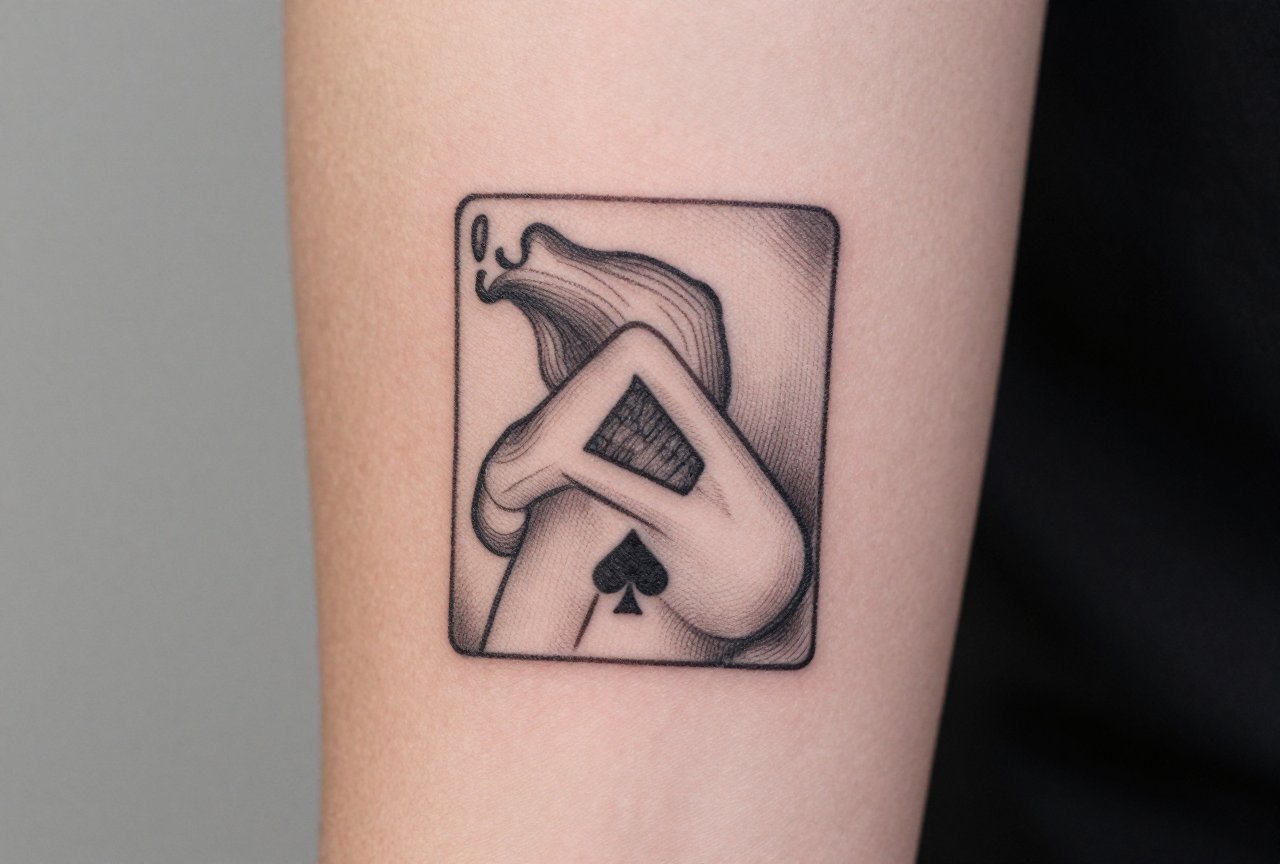
Little tattoos with meaning represent intentional, deeply personal symbols chosen for their emotional weight rather than their size. These small designs often commemorate life milestones, honor relationships, or serve as private reminders of resilience, growth, and identity. Their compact nature makes them versatile while their symbolism remains significant to the wearer in ways that have nothing to do with scale.
Symbolism and History
The tradition of small symbolic tattoos stretches across centuries and cultures. Sailors once wore tiny anchors for stability and swallows for safe return. In Japanese culture, irezumi included subtle finger tattoos with specific meanings. Celtic warriors carried small knotwork for protection. These historical precedents established that size does not diminish power, a principle that has stayed consistent across every era of tattooing.
Today, little tattoos function as modern amulets. Common symbols include:
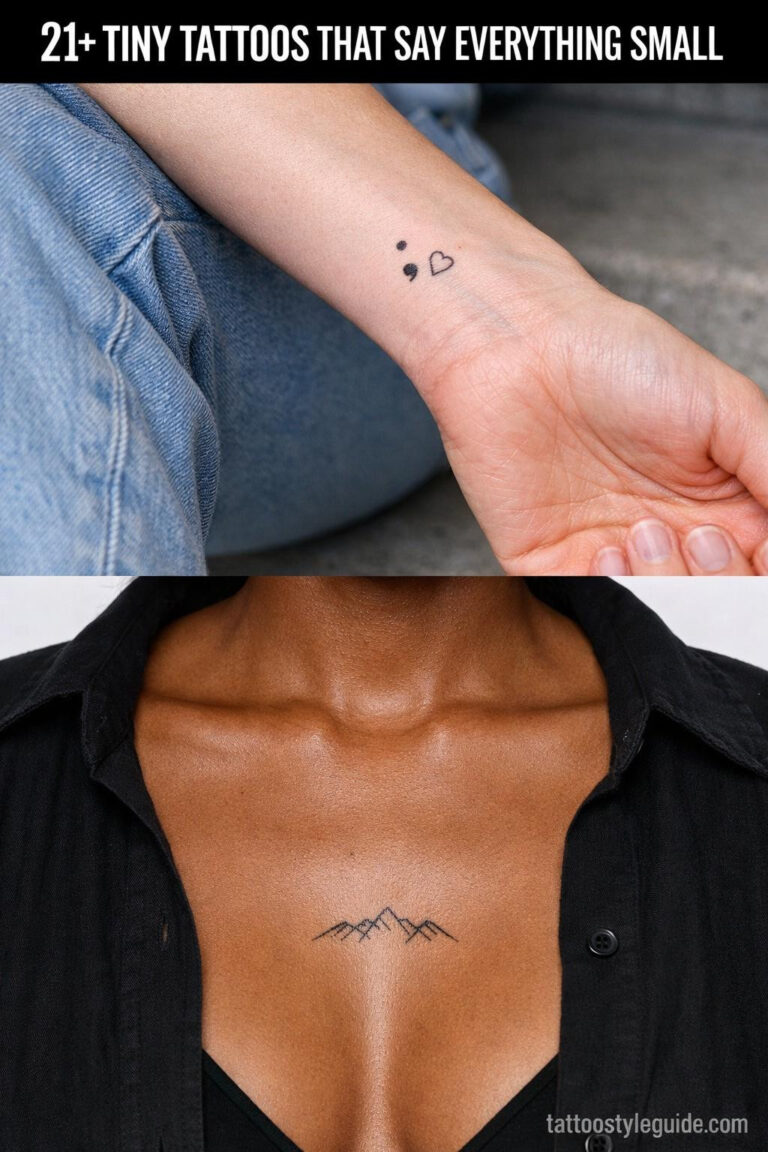
- Semicolons: Representing continuation of one’s story
- Infinity symbols: Enduring love, limitless potential
- Coordinates: Specific locations holding personal significance
- Roman numerals: Dates marking significant moments
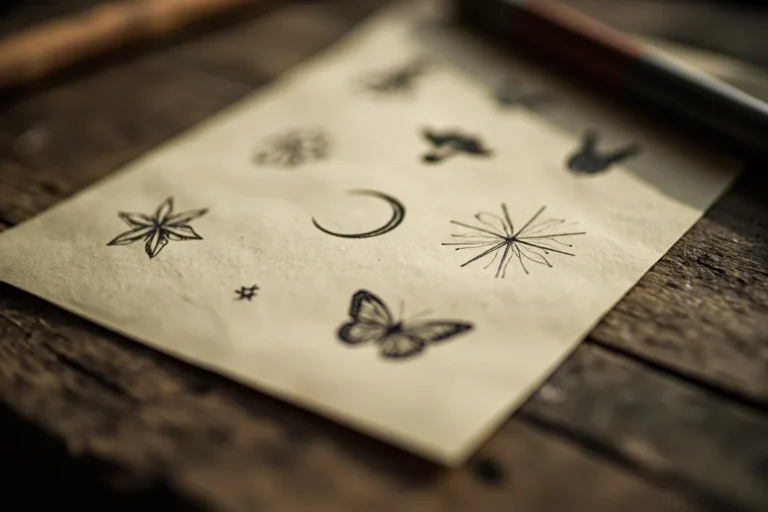
- Minimalist nature elements: Mountains for overcoming obstacles, waves for change
The symbolism often operates on multiple levels: visible to others as aesthetic choices, yet carrying layered private meaning known only to the wearer.
Styles That Work at Small Scale
Little meaningful tattoos thrive in specific artistic approaches that maximize impact within minimal space. Single needle and fine line techniques dominate, creating delicate, precise work that ages gracefully when properly executed. Dotwork and stippling add texture without bulk. Hand-poked or stick-and-poke methods offer organic, intimate results increasingly sought after by collectors who want something that feels made rather than manufactured.
- Micro-realism: Tiny portraits or objects with surprising detail
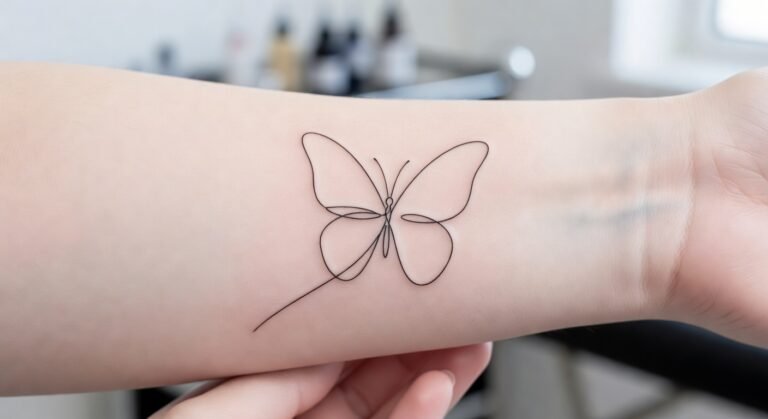
- Minimalist line art: Single continuous lines forming figures or symbols
- Lettering: Short words, initials, or phrases in custom typography
- Geometric abstraction: Simplified shapes carrying mathematical or spiritual significance
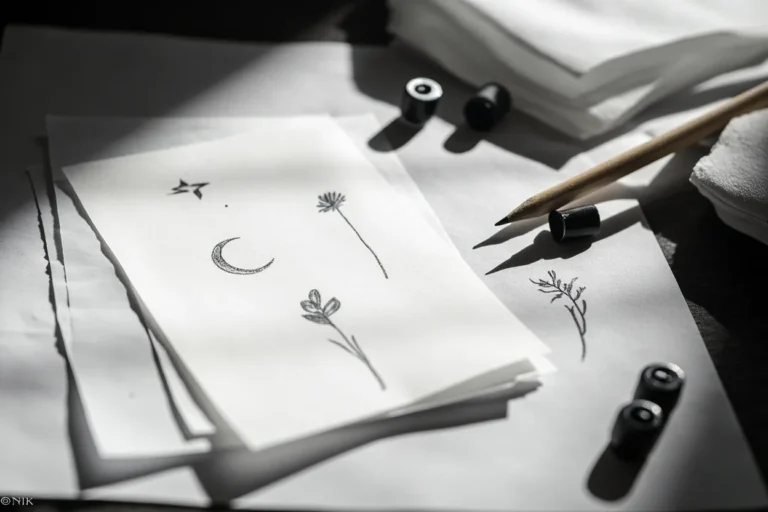
- Botanical minimalism: Specific flowers representing birth months, regions, or memories
Color palettes typically stay restrained: black ink, subtle gray wash, or a single accent color. This restraint reinforces the intimate, intentional quality of the work and also tends to age more cleanly.
One practical note: micro-realism and extremely fine line work are among the most requested tattoo styles right now, which means the market has outpaced the supply of artists who can execute it well. Many practitioners are attempting this work before their technique is ready. Take your time finding someone whose healed portfolio genuinely demonstrates the quality you are after, even if it means waiting months for an appointment slot.
Placement Options
Placement significantly influences how little tattoos function symbolically. Hidden locations emphasize privacy; visible spots invite connection and conversation.
- Behind the ear: Whispers, secrets, personal mantras
- Inner wrist: Daily visibility, self-reminders
- Collarbone: Vulnerability, close to heart and voice
- Finger or hand: Action-oriented meaning, commitment to principles
- Rib cage or hip: Protected, intimate, revealed selectively
- Ankle or foot: Journey, movement, groundedness
Scale must suit placement. Finger tattoos require simplified designs due to skin texture and movement. Rib placements accommodate slightly more detail. Experienced artists adjust line weight and spacing for each location’s unique characteristics, and you should ask specifically about this during your consultation.
Who Gets This Tattoo
Little meaningful tattoos attract diverse collectors united by preference for substance over spectacle. First-time clients often choose small designs to test comfort with permanence. Established collectors add them as connecting pieces or private counterpoints to larger work.
Common personal narratives include:
- Memorial: Dates, initials, or symbols representing lost loved ones
- Survival and resilience: Marks of overcoming illness, addiction, or trauma
- Relationship bonds: Matching or complementary designs between partners, siblings, or friends
- Geographic identity: Hometown coordinates, regional flora or fauna
- Creative identity: Tiny tools, musical notes, or abstract marks representing an artistic practice
The demographic skews toward professionals seeking discreet expression, parents honoring children, and younger clients building narrative collections over time. The unifying thread is deliberate selection rather than impulsive decoration.
Related Symbols
Little meaningful tattoos often intersect with broader symbolic traditions. Understanding these connections enriches appreciation and informs design choices.
- Sigils and bind runes: Compressed symbols combining multiple intentions; modern practitioners create personal versions specific to their own life
- Mandala fragments: Small sections representing wholeness and cosmic order
- Alchemical symbols: Ancient shorthand for change and elemental forces
- Religious iconography: Simplified crosses, om symbols, or evil eyes adapted to personal scale
These parallels demonstrate that compressing complex meaning into minimal form has universal human appeal across cultures and eras.
Working With Your Artist
Small tattoos have a reputation for being easy jobs, but good micro-scale work is actually among the most technically demanding tattooing there is. Fine line tattoos will spread, blur, and lose definition over time if the artist works too thin or places the ink improperly in the skin. Before booking, look specifically at healed photos of your artist’s small work, not just fresh photos. Fresh fine line looks sharp on anyone. Healed work reveals whether the artist’s technique actually holds up.
Ask about needle configurations for small work. Single needle and three-round liner configurations create very different results. Ask whether the artist has recommendations for ink color in your skin tone. Black ink heals differently across different skin tones, and some artists avoid certain color placements at small scale because they fade too fast to be worth the investment.
Bring reference images, but be honest with yourself about whether your reference is achievable at the size you want. Many collectors fall in love with a reference that works at three inches and then want it at one inch. The artist’s job is to tell you when that is not going to translate. A good small-tattoo artist will redesign the reference to work at scale rather than just shrink it.
Finally, plan for aftercare. Small tattoos heal faster in terms of surface area, but the skin still goes through the same process. Finger and hand placements require especially consistent aftercare because constant movement and washing can interfere with healing. Your artist should walk you through specific aftercare for your placement. If they do not, ask.
Final Thoughts
Little tattoos with meaning prove that significance transcends scale. Their power lies in the marriage of personal narrative with permanent mark-making, creating intimate artifacts that accompany daily life. The best examples result from collaboration between thoughtful clients and technically skilled artists who understand how to make small work read clearly over time. Whether hidden or visible, these tiny tattoos carry the full weight of human experience: love, loss, change, and hope. For those considering their first tattoo or adding to existing collections, small meaningful designs offer accessible entry points and enduring significance.