Wash it gently, keep it lightly moisturized, and stop touching it. That’s the core of tattoo aftercare, but the details matter because every shop has slightly different rules, every artist has their pet peeves, and your skin isn’t the same as the next person’s. I’ve watched fresh ink heal beautifully and I’ve watched people ruin pieces they spent hundreds on. Here’s what actually works, straight from shop culture and years of seeing what happens when you follow the advice and when you don’t.
The First 24 Hours: When It Matters Most
Your artist will bandage you up before you walk out. That bandage stays on for a specific window, usually 2 to 6 hours for traditional wrap, or 24 hours if they used a second-skin film like Saniderm or Tegaderm. Don’t get cute and peel it early because you’re curious. The plasma and excess ink pooling under there is doing a job.
Removing the Bandage
Wash your hands first. Seriously. Then peel the wrap off slowly, under warm running water if it’s sticking. Don’t rip it like a Band-Aid. The skin underneath is tender, maybe weeping a little, maybe shiny with that thin layer of lymph fluid. That’s normal. What you don’t want is dried plasma gluing the wrap to your skin, if that happens, don’t force it. More warm water, more patience.
First Wash
Fragrance-free soap, lukewarm water, clean hands. No washcloths, no sponges, no loofahs. Your palm is your tool. Gentle circles, rinse thoroughly, pat dry with paper towels. Not your bathroom towel. Those things harbor bacteria and your roommate’s dead skin cells. Paper towels are disposable for a reason.
- Dr. Bronner’s unscented, Dove sensitive, or whatever your artist recommends
- Hot water hurts and opens pores too much, lukewarm is the sweet spot
- Pat, don’t rub. This isn’t a drying contest
- Let it air dry for a few minutes before any moisturizer
The Peeling Phase: Hands Off
Days three through seven, your tattoo will look like a snake shedding. The top layer of skin flakes off, taking trapped ink with it. Underneath, the color looks dull, milky, almost bruised. This is where people panic and start picking, scratching, over-moisturizing. All of those are mistakes.
Your artist can always spot a picker. The ink comes out patchy, the lines get broken, you might scar the skin itself. I’ve heard artists say they’d rather tattoo someone twice than watch them pick once. If it itches, slap it lightly. Or tap. Or run cool water over it. But your fingernails are the enemy now.
What the Milkiness Means
That cloudy layer is new skin forming over your ink. It’s not ruined. The brightness comes back over weeks, sometimes months. Color tattoos often look worse than blackwork during this phase because the saturation drops and everything looks muddy. Wait it out. The vibrancy returns as the epidermis settles and the ink settles into the dermis where it belongs.
Moisturizing: Less Is More
Every shop has their preferred product. Some swear by Aquaphor for the first few days, then switch to unscented lotion. Others hate Aquaphor, say it suffocates the skin, pull out the old-school A&D ointment. Some artists now push specific tattoo balms, Hustle Butter, Tattoo Goo, whatever they’ve got a relationship with.
Here’s the truth: the specific product matters less than the amount and frequency. Thin layer, 2-3 times daily, after washing. If your tattoo looks greasy, you’re using too much. If it’s dry and cracking, too little. You want it slightly damp, not wet, not crusty. Think of it like caring for a sunburn you paid for.
- Aquaphor: thick, good barrier, easy to overapply
- Unscented lotion (Lubriderm, Cetaphil): lighter, good for later healing
- Specialty balms: convenient, often overpriced, not magic
- Never: petroleum jelly long-term, scented anything, Neosporin (allergic reactions are common)
What to Avoid: The Real List
Your artist probably gave you a handout. You probably lost it. Here’s what actually matters, not the paranoid stuff but the things that genuinely wreck tattoos.
Sun and Water
No swimming for two weeks minimum. Pools are chemical soup. Lakes and oceans are bacterial soup. Hot tubs are both, plus heat opens your pores and leaches ink. Showers are fine, but don’t let the stream blast directly onto fresh work. And sun? Sun is the long-term killer. Fresh tattoos burn instantly. Healed tattoos fade faster with UV exposure. Your black lines go gray, your reds turn pink, your bold pieces wash out. SPF 50, forever, or accept the fade.
Clothing and Friction
Tight clothes rubbing against a fresh tattoo? That’s how you pull out healing skin and ink. Sleep in clean, loose cotton. If it’s on your ribs, maybe skip the underwire for a week. If it’s on your thigh, loose shorts, not jeans. I’ve seen people ruin sternum pieces by wearing the same sports bra every day without washing it. Fresh sweat, dead skin, bacteria, your tattoo is an open channel for all of it.
Working Out
Sweat stings fresh tattoos. Gyms are dirty. If you can wait a week, wait. If you can’t, cover the area with clean, breathable fabric, wipe equipment before and after, and shower immediately. Don’t let sweat sit and crystallize on healing skin. That’s asking for irritation at best, infection at worst.
Pain, Problems, and When to Actually Worry
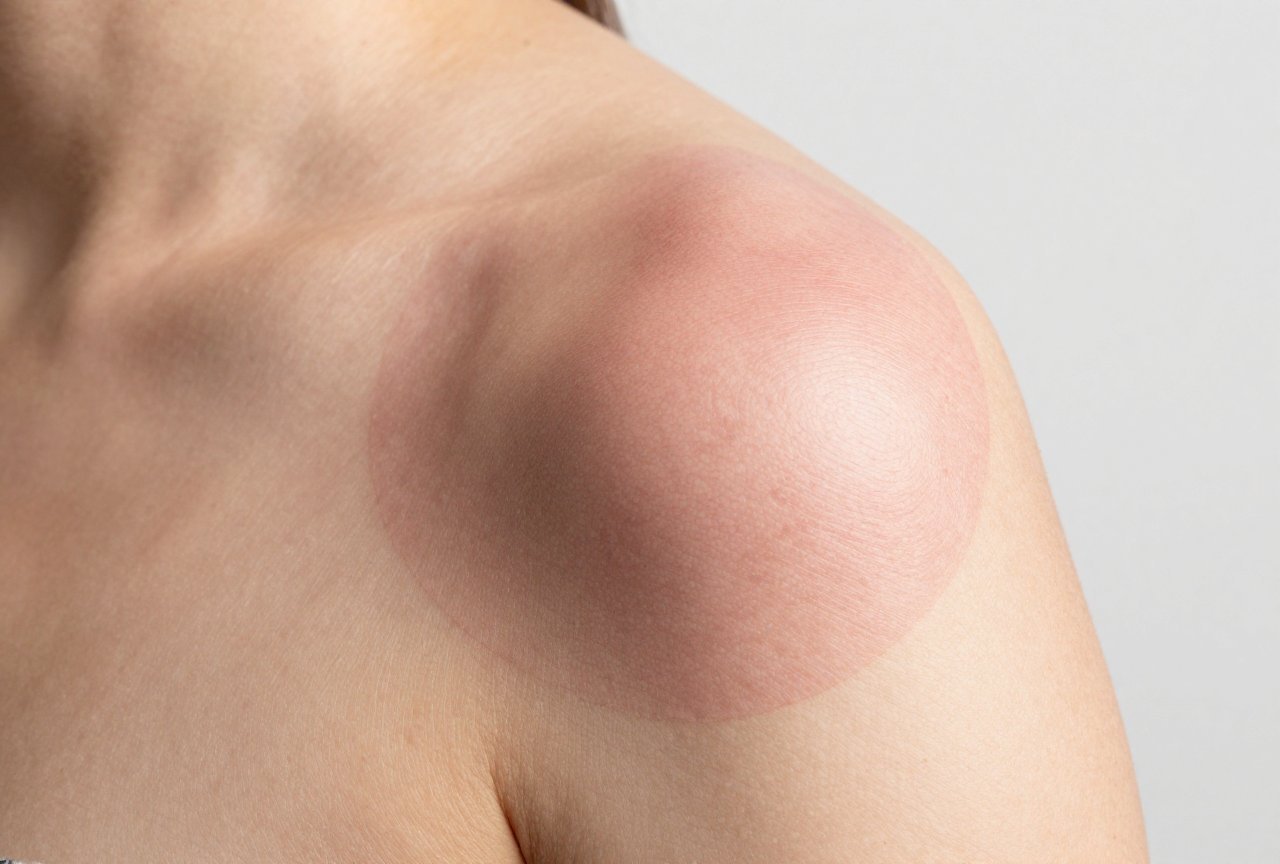
Tattoos hurt. Then they itch. Then they peel. Some swelling, some redness around the edges, some heat coming off the skin, all normal for the first few days. But there are lines you shouldn’t cross without paying attention.
Redness spreading outward after day three? Warmth that increases instead of decreases? Pus that’s yellow or green, not clear plasma? Foul smell? Fever? These are the signs artists tell you to watch for. Not because they’re doctors, they’re not, but because they’ve seen hundreds of healings and know what goes wrong. Go to urgent care or a dermatologist. Don’t ask Reddit. Don’t tough it out to save face with your artist. They’d rather you fix it than lose the tattoo to your pride.
Allergic reactions to ink happen, especially reds and yellows. Bumpy, raised, persistently itchy patches that don’t follow the normal healing arc, worth getting checked. Some inks just don’t agree with some skin. It’s rare but real.
Long-Term Care: Beyond the First Month
The first month is survival mode. After that, it’s maintenance. Your tattoo is in your skin forever, but your skin changes. Weight fluctuation, sun exposure, aging, all of it affects how your ink sits and shows.
Lines blur slightly over years. That’s the nature of ink dispersing in living tissue. Bold blackwork holds better than fine greywash. Saturated color areas stay crisper than light shading. These are design choices your artist made, and how you care for the piece afterward extends or shortens that timeline.
- Moisturize regularly, not just when it’s new
- Exfoliate gently, dead skin dulls appearance
- Touch-ups are normal, not failure. Most artists do them free or cheap within a year
- White ink and light yellows almost always need refreshing, they’re subtle by design
Key Takeaways
Wash gently with unscented soap, moisturize lightly, keep it clean and protected from sun and soaking water. Don’t pick, don’t scratch, don’t overthink the specific product. Your artist gave you instructions for a reason, follow them first, ask questions second. Most healing problems come from too much intervention, not too little. The best aftercare is consistent, minimal, and patient. Your tattoo will settle, the brightness will return, and in a month you’ll forget it was ever a wound. Then it’s just part of you.
Related Tattoo Guides
- How to Train Your Dragon Tattoo: A Real Shop Guide
- When Does a Tattoo Start Peeling? A Real Healing Timeline
- How Long After a Tattoo Can You Swim? A Real Guide
- Explore more
Frequently Asked Questions
How long should I keep the bandage on my new tattoo?
Keep the bandage on for 2 to 6 hours depending on what your artist recommends. Do not rewrap it with plastic after removing the initial bandage, as your tattoo needs to breathe to heal properly.
Can I go swimming with a fresh tattoo?
Avoid swimming, soaking, or submerging your tattoo for at least 2 to 4 weeks. Pools, hot tubs, and the ocean can introduce bacteria and chemicals that cause infection or damage the healing ink.
Why is my tattoo peeling and looking faded?
Peeling and a cloudy appearance are normal parts of the healing process and usually happen in the first week. The bold colors will return once the dead skin flakes off and the new layer underneath settles.
What lotion should I use on my healing tattoo?
Use a thin layer of fragrance-free, dye-free lotion such as Lubriderm or Aveeno. Avoid petroleum-based products like Vaseline after the first day, and never use heavy ointments that suffocate the skin.