You want a fake tattoo that passes the arm’s-length test. Maybe you’re trying out a placement before committing to the needle, or you need something convincing for a shoot, a role, a weekend. Here’s the straight answer: the most realistic temporary tattoos come from three paths, hand-drawn with alcohol markers, henna or jagua for that under-skin stain look, or printed stencil transfers with cosmetic-grade adhesive. Each has its own texture, duration, and tell. I’ll walk you through what actually works, what artists notice immediately, and how to keep your fake looking fresh instead of flaking off by noon.
Sharpie and Alcohol Marker Method
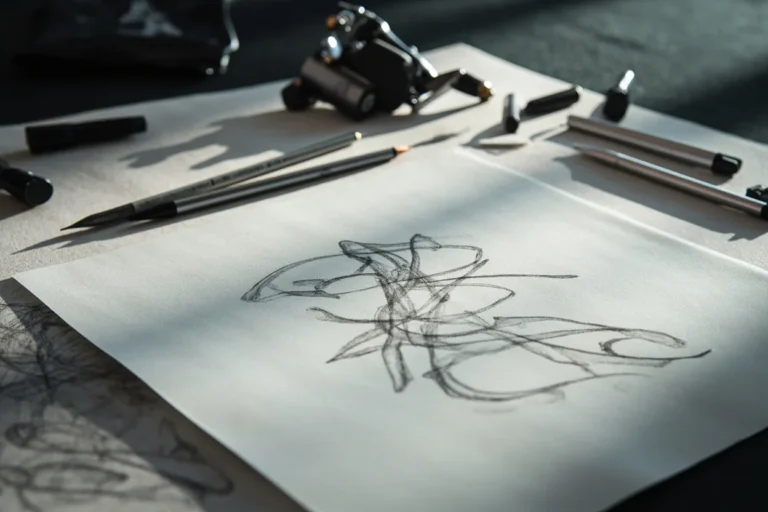
This is the old shop trick. Before a client sits for a large piece, I’ll sometimes sketch a rough with a Sharpie or a Copic to let them live with the shape. The key is alcohol-based ink. Water-based markers sit on top of the skin like crayon; alcohol sinks slightly into the dead skin layer and fades naturally, which reads more like real pigment.
Application That Doesn’t Scream Fake
Exfoliate first. Seriously. A quick scrub with a washcloth removes the surface oil that makes ink bead up. Dry completely. Draw with light, feathery strokes, real tattoo lines aren’t uniform. Build density with layers, letting each dry thirty seconds. For shading, use a cotton swab barely damp with rubbing alcohol to soften edges while the ink’s still wet. Real black and gray work has peppered transitions, not solid gradients.
Seal it with liquid bandage or a thin layer of hairspray. Not too much, glossy reads fake. Matte is your friend. Expect two to four days. It’ll crack first at joint creases, which honestly looks more authentic than perfect preservation.
- Use fine-tips for linework, chisel tips for fill
- Black only; colored Sharpies oxidize weird, purple turns brown, green goes murky
- Avoid palms and soles; the ink won’t take and you’ll leave smudges on everything
The Aging Reality
Here’s what separates decent fakes from embarrassing ones: real tattoos blur. Your marker lines will stay crisp until they crack, which is a giveaway. Lightly abrade high-wear areas with a washcloth after day one. Softened edges read like a year-old piece. I’ve seen kids at conventions with marker sleeves that looked hot for exactly six hours, then turned into a blue smear. Plan accordingly.
Henna and Jagua: The Stain Approach
Henna’s been doing this for thousands of years. The lawsone molecule binds to keratin and gives you that reddish-brown lift from within the skin. Jagua is the newer player, fermented Genipa americana fruit that stains blue-black, much closer to modern tattoo pigment.
Mixing and Application
Pre-mixed cones from reputable suppliers are your safest bet. Fresh henna smells like hay and essential oils; if it smells like chemicals, it’s got PPD and you don’t want it near your skin. Jagua paste is fussier, it needs to stay damp during application time, usually two to four hours.
Apply thick. Thin lines flake off and leave broken, amateur results. After the paste dries, seal with a sugar-lemon dab or medical tape. Don’t pick the crust. The stain develops over 24-48 hours, starting orange and deepening. Peak realism is day two or three.
- Henna lasts one to two weeks; jagua pushes ten days
- Both darken with heat and oxidize faster on hands and feet
- Scrubbing with oil (coconut, olive) fades intentionally if you overcommit
Honest aside: jagua can trigger fruit allergies. If you’ve never had it, test a dime spot on your inner arm. The stain will look like a bruise initially, that’s normal, not a reaction. Actual reactions blister and itch within hours.
Stencil Transfers and Cosmetic Tattoos
The pro-level fake. Cosmetic companies like Tattly and Inkbox have refined this, Inkbox especially uses a proprietary formula that sinks into epidermis like jagua but with more control. You get a printed stencil, apply, wait, peel, and develop.
Getting Shop-Quality Results at Home
Clean skin, no lotion, no sweat. The stencil adhesive is pressure-sensitive; a credit card edge works better than a finger for even transfer. After peeling, keep the area dry for an hour. The formula needs oxygen to develop. You’ll see nothing for a few hours, then a ghost that builds to full density by 24 hours.
These look remarkably good on flat planes, inner forearm, upper arm, calf. Curved areas like ribs or shoulders are harder; the stencil wrinkles and you get registration errors that any artist spots instantly. For those spots, cut the stencil into smaller pieces and overlap carefully.
- Inkbox lasts one to two weeks; Tattly’s printed film lasts about five days
- Neither handles friction well, avoid waistbands, watch straps, tight sleeves
- Both benefit from a light dusting of translucent powder to kill any surface shine
Placement and Size: What Actually Convinc
Real tattoos follow anatomy. They flow with muscle, wrap logically, respect the body’s geometry. A fake sleeve that ignores the ditch (inner elbow) or doesn’t account for forearm rotation looks like a sleeve, not skin.
Small fakes work better. A single palm-sized piece on the outer forearm, a script fragment along the collarbone, a geometric mandala on the inner wrist, these read as real because they’re common first-tattoo placements. Full back pieces? Chest panels? You’re announcing fakery unless the application is immaculate and you’re standing still.
Consider your actual lifestyle. Gym rats: inner bicep gets rubbed by shirt sleeves. Bartenders: hand tattoos get questioned constantly; have your story straight. Office workers: visible fakes in corporate environments carry different weight than in creative fields. I’m not judging your choices, but I am saying placement communicates intent.
Aftercare That Sells the Illusion
Real tattoos get cared for. Fakes should too. Keep them out of direct sun, UV degrades marker ink fast and lightens henna prematurely. Moisturize lightly; dry skin flakes and the fake flakes with it, but heavy lotion dissolves adhesives and softens marker lines.
Don’t submerge long. Baths are enemy territory for all temporary methods. Quick showers, pat dry, don’t rub. If you’re using the marker method, a thin layer of fragrance-free lotion after day one actually helps the ink settle into that slightly-blurred authentic look.
Pain talk: real tattoos hurt. If someone asks and you want to maintain the fiction, know your placement pain levels. Ribs and feet hurt. Outer arm and calf don’t. Artists can tell when someone’s faking the experience because they get the details wrong, “oh yeah, my ribs were nothing” is a dead giveaway.
Cost and When to Just Go to a Shop
Sharpies and printer paper: basically free. Henna cones run $5-15. Quality jagua, $20-40. Inkbox stencils, $15-30 each. If you’re cycling through fakes regularly, you’re spending real tattoo money without the permanence.
Here’s my shop-floor perspective: if you’ve tested the same placement three times and still love it, book a consultation. Most artists will draw a stencil and let you wear it for a few days before the appointment. That’s the ultimate fake tattoo, professional, placement-accurate, and if you commit, the needle’s right there. Shop minimums vary wildly by region, but expect $80-150 for something small in most US cities. The peace of not worrying about your fake smearing during a date? Worth considering.
Key Takeaways
Realistic fake tattoos come down to three things: the right medium for your timeline, placement that respects actual tattoo culture, and aging that mimics how ink lives on skin. Alcohol markers for quick experiments, henna or jagua for organic stain depth, stencils for precision. Exfoliate before, matte-seal after, and don’t fight the natural wear, let it soften like real work would. Most importantly, wear it with confidence. The best fake tattoo is the one you forget is temporary.
Related Tattoo Guides
- How to Remove a Homemade Tattoo: A Real Guide
- How to Remove a Tattoo at Home: What Actually Works
- Will Tattoo Removal Leave a Scar? What to Actually Expect
- Explore more
Frequently Asked Questions
What materials work best for making a fake tattoo look realistic?
Sharpie markers combined with liquid bandage or hairspray create the most convincing temporary tattoos. For an even more professional result, use skin-safe alcohol-based inks like those in temporary tattoo printer paper, which bonds with skin texture and fades naturally like a real healing tattoo.
How do I make my fake tattoo look faded and aged instead of fresh and sharp?
Dab a thin layer of petroleum jelly over the design before applying your top sealant, then gently blot some areas with a cotton swab dipped in rubbing alcohol. This creates subtle variations in opacity that mimic how real ink settles unevenly into skin over time.
Why does my fake tattoo always look shiny and obviously fake?
Excess sealant sitting on top of the skin creates an unnatural glossy film that real tattoos never have. Use a matte finishing spray or translucent powder as your final layer, and apply sealants in thin, even coats rather than one thick application.
How long can a realistic fake tattoo actually last?
A well-made fake tattoo using proper sealants typically lasts 3 to 7 days depending on placement and daily activities. Areas with less friction and moisture, like the upper arm or back, will maintain the realistic appearance significantly longer than hands or feet.