Short answer: baby oil, coconut oil, or any skin-safe oil breaks down the adhesive and ink in temporary tattoos within minutes. Rub it in, wait two to three minutes, wipe with a warm washcloth. For stubborn bits, follow with an exfoliating scrub or a second pass with tape. That’s the core method. Everything below is the practical reality from someone who’s watched thousands of real and fake tattoos go on and come off skin.
Why Temporary Tattoos Stick So Hard
That crisp little transfer sheet looks innocent. It’s not. The adhesive layer is basically a thin pressure-sensitive glue mixed with cosmetic pigments. It bonds to your stratum corneum, that top dead skin layer, like a sticker to a dry window. The smoother your skin, the tighter it grabs. Inner forearm? Stays forever. Dry elbow? Flakes in a day. This matters because removal strategy depends on where you put it.
Skin Type and Placement Reality
Oily skin actually helps removal. The sebum works against the adhesive over time. Dry skin? That tattoo’s locked in. Same with hairy spots, oil gets caught in follicles, needs extra scrubbing. I’ve seen people panic about a “stain” that’s really just pigment trapped in peach fuzz. Shave first if you want clean removal later. Or don’t put it there.
- Inner wrist: easiest removal, thin skin, natural oil
- Upper arm/shoulder: medium difficulty, more surface area
- Lower back: tricky, hard to reach, adhesive loves the warmth
- Ankle/shin: often leaves ghosting, skin’s dry there
- Chest: hair complicates everything
Method One: Oil Breakdown (The Standard)
Any oil works. Mineral oil, baby oil, coconut oil, olive oil from your kitchen, that weird massage oil from 2019. The mechanism is simple: oil penetrates the adhesive layer, breaks the bond, lifts pigment.
Step-by-Step
Apply generously. Not a dainty drop. A puddle. Let it sit. Two minutes minimum, five if you’re patient. Then wipe with a warm, not hot, washcloth. Use circular motion. The tattoo should roll off in satisfying little dark crumbs. Rinse with soap and water. Moisturize after, stripping oils leaves skin cranky.
What I’ve actually seen in shops: people use nail polish remover. Don’t. Acetone dries skin to the point of cracking, and that “clean” feeling is your barrier layer screaming. Stick to oil. It’s slower but your skin thanks you.
Method Two: The Tape Lift
For tattoos past their prime, faded, peeling at edges, tape works better than oil. The adhesive on the tape grabs the remaining tattoo adhesive better than oil penetrates a broken surface.
Scotch tape, packing tape, even a lint roller. Press firmly, peel back fast, not slow. Slow pulls skin. Fast pulls the tattoo. Repeat until the surface is clean. Follow with oil for residue. This is especially effective on flat areas like the forearm or shoulder. Curved spots like the wrist bone? Tape catches less evenly. Use oil there instead.
Method Three: Exfoliation for Ghost Stains
Sometimes the tattoo’s gone but a gray shadow remains. That’s pigment in dead skin cells, not a true stain. Exfoliation fixes this.
- Sugar scrub: gentle, homemade, effective over two to three days
- Store-bought exfoliating cleanser: faster, more uniform
- Washcloth alone: works if you’re persistent, but slower
Don’t go nuclear with a pumice stone or sandpaper. I’ve seen people scrub raw spots trying to “get the last of it.” The pigment is superficial. It’ll shed naturally in three to seven days. Aggressive scrubbing just damages skin and makes the area darker temporarily from irritation.
When to Just Wait
If you’ve got no event, no urgency, doing nothing is valid. Your skin turns over completely every 27 days or so. That ghost fades to nothing. I’ve had temporary tattoo experiments on my own arm that I forgot about; two weeks later, memory jogged by a shower, completely gone.
What Actually Doesn’t Work (Despite Internet Claims)
Let’s be direct. Toothpaste? The baking soda myth. It dries the area, might slightly speed exfoliation, but it’s not magic. Rubbing alcohol? Strips oil, doesn’t break adhesive well, stings on broken skin. Hand sanitizer? Same problem, plus it evaporates before doing real work. Lemon juice? You’re just adding acid irritation for no benefit.
The one that genuinely surprises people: makeup remover. Some work, some don’t. Oil-based removers? Fine. Micellar water? Mostly useless against tattoo adhesive. Check your bottle. If it says “oil-free,” skip it for this job.
After the Removal: Skin Recovery
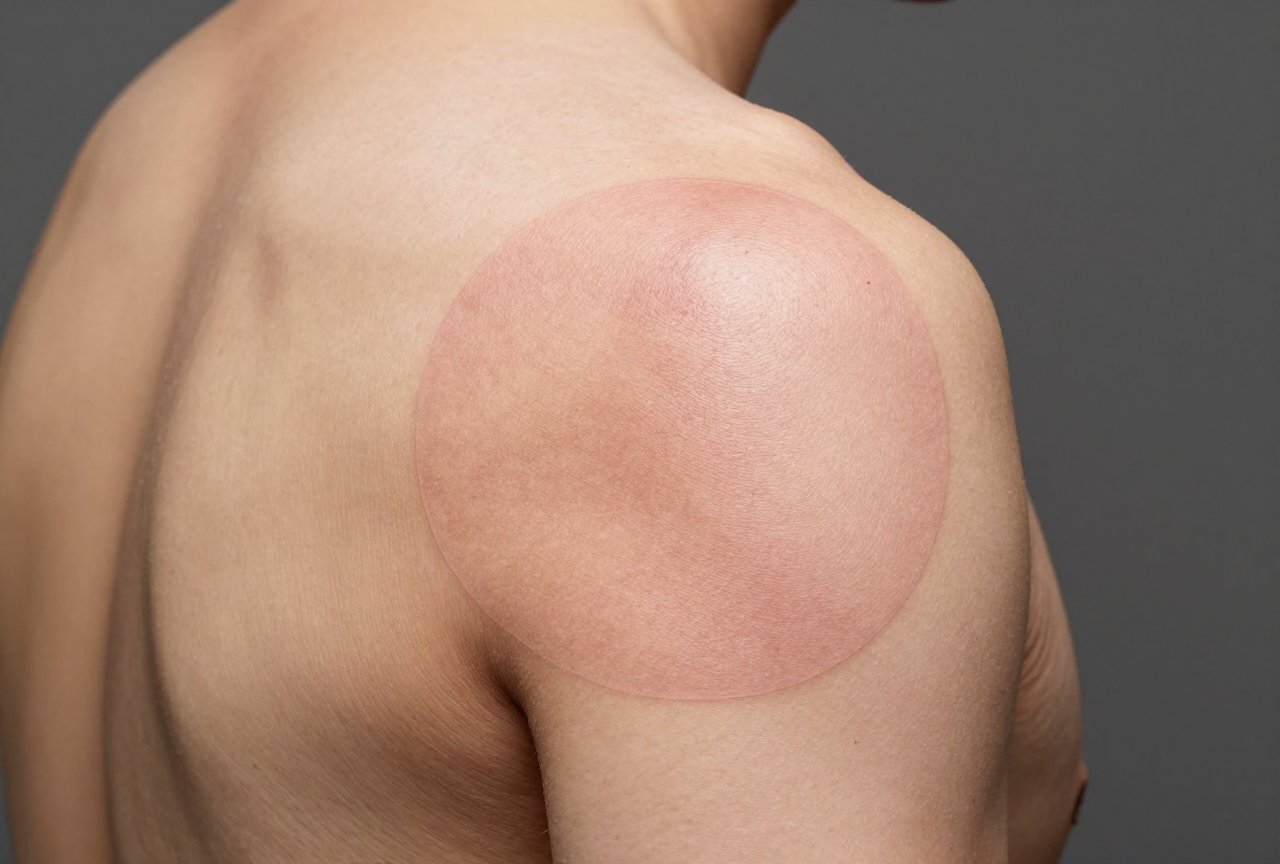
Not medical advice, general shop wisdom. Your skin’s been oiled, scrubbed, maybe taped. It’s annoyed. Give it 24 hours before applying anything else cosmetic to the area. Moisturizer is fine, fragrance-free preferred. If you exfoliated hard, expect mild redness. That’s normal irritation, not an emergency. Cool water soothes. Hot water aggravates.
Planning a real tattoo nearby? Wait until the skin feels completely normal. Artists hate working on irritated skin, ink doesn’t sit right, healing gets unpredictable, and you’ll hear about it in the chair. Most reputable shops will reschedule you if the area looks freshly scrubbed or red. Respect that. They’re protecting their work and your result.
Cost Context: Temporary vs. Permanent
Temporary tattoos run $1 to $15 depending on quality. Custom-printed ones from online shops, maybe $20-50 for a sheet. The removal cost is zero if you have oil and patience. Compare to laser removal for real tattoos: $200-500 per session, multiple sessions, months between. That context matters when someone panics about a “permanent-looking” temporary. It’s not permanent. Nothing you do with oil and a washcloth approaches the commitment of actual ink in dermis.
I’ve had clients come in shaking, sure their henna or temporary was “stuck forever.” Henna’s different, it’s a stain, not adhesive, fades in 1-3 weeks. Press-on temporaries? Never permanent. The anxiety is real, the permanence is not.
Key Takeaways
- Oil is your first move: generous application, wait time, warm cloth wipe
- Tape helps on peeling, faded tattoos where oil penetration is uneven
- Ghost stains exfoliate away gently; aggressive scrubbing damages skin
- Placement matters: oily areas release easier, dry areas hold tighter
- Patience is free and effective; most residue fades naturally in days
- Skip acetone, skip toothpaste myths, skip anything that stings or dries
- Skin recovery time before any new product or real tattoo work nearby
Got a stubborn one? Oil it twice. Let it sit longer. The tattoo wants to leave as much as you want it gone. Your skin knows what to do. Help it along, don’t fight it.
Related Tattoo Guides
- How to Make a Fake Tattoo That Actually Looks Real
- How to Remove a Tattoo at Home: What Actually Works
- Will Tattoo Removal Leave a Scar? What to Actually Expect
- Explore more
Frequently Asked Questions
How do I remove a temporary tattoo that won’t come off with soap and water?
Apply baby oil, coconut oil, or an oil-based makeup remover to the tattoo and let it sit for 1-2 minutes. Gently rub with a soft cloth or cotton pad until the design lifts away, then wash the area with soap and water.
Can I use rubbing alcohol to remove a temporary tattoo?
Yes, rubbing alcohol works well for breaking down the adhesive and ink in temporary tattoos. Dab it on with a cotton ball, wait 30 seconds, then wipe away the tattoo in circular motions.
Will exfoliating scrubs damage my skin when removing a temporary tattoo?
Gentle exfoliation is safe for most skin types, but avoid harsh scrubs or over-rubbing which can cause irritation. Use a mild sugar scrub or washcloth with oil, and stop if your skin becomes red or sensitive.
How long should I wait before trying to remove a fresh temporary tattoo?
Wait at least 6 hours after application so the adhesive fully sets and becomes easier to remove cleanly. Attempting removal too soon can smear the design and leave sticky residue on your skin.