A lip blush tattoo, sometimes called a lipstick tattoo, though we don’t actually tattoo literal lipstick on you, typically lasts between two to four years. That’s the honest answer I give clients in my chair who ask about longevity. Some people squeeze five years out of it; others are back in twelve months wanting a refresh. The variation is real, and it depends on your body, your habits, and how well you follow aftercare during those critical first two weeks.
What “Lip Blush” Actually Means
Let’s clear this up because I get asked about “lipstick tattoos” constantly. Lip blush is a form of cosmetic tattooing, also called permanent makeup or PMU. We’re not laying down opaque color like you’re swiping on a tube of MAC Ruby Woo. Instead, we’re depositing pigment into the upper layers of your lip skin to enhance your natural color, define the border, and create the illusion of fullness without filler.
How It Differs From Body Tattoos
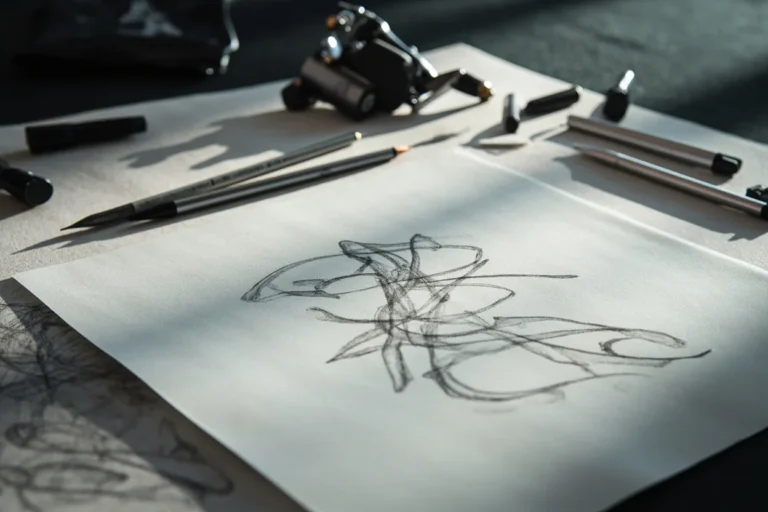
Traditional body tattoos go deeper into the dermis and use different pigment formulations. Lip blush sits more shallow, which is why it fades faster, that’s actually the point. You want it to soften over time because your face changes, your preferences change, and nobody wants a 2019 lip color locked in forever. The technique also differs: we use a digital machine or hand tool with a much finer needle configuration than the liners you’d see for a rib piece.
Why “Lipstick Tattoo” Is a Misnomer
I’ve tattooed lips for years, and I always tell clients: this isn’t makeup. You won’t roll out of bed with perfectly applied lipstick. The healed result is a tinted, natural look, like you just ate a popsicle or have naturally rosier lips than you actually do. Some people want bold pigment, and we can build that, but it still won’t have the satin finish or precision edges of actual lipstick. Understanding this upfront prevents the disappointment I see when someone expects tattooed Anastasia Liquid Lipstick and gets something softer.
The Real Factors That Affect Longevity
Here’s where I get specific with people during consultations. These variables matter more than any guarantee I could give you.
- Your skin type: Oily lips fade faster. The pigment doesn’t anchor as well in skin that turns over quickly or produces more sebum. I see this a lot with younger clients in their twenties.
- Sun exposure: UV breaks down pigment. If you live in Florida and spend weekends on a boat without SPF on your lips, expect faster fading. I keep lip balm with SPF in my station and hand it to clients.
- Smoking: Nicotine restricts blood flow, and the repeated pursing motion accelerates exfoliation. Smokers often need touch-ups a year earlier.
- Acidic foods and drinks: Coffee, citrus, vinegar-heavy diets, these contribute to faster pigment breakdown on that mucosal tissue.
- Your immune system: Some bodies just metabolize pigment aggressively. There’s no predicting this, and it’s not a failure of technique.
The Role of Pigment Color
Darker, warmer pigments (think berry tones, terracottas) generally last longer than pale pinks or nudes. Those lighter colors have less pigment load and fade to nothing faster. I warn clients about this when they bring in inspiration photos of barely-there tint. The trade-off is real: subtle now often means invisible in eighteen months.
The Healing Timeline Nobody Warns You About
This is where I see the most anxiety, so I’ll be straight with you.
Days one to three: your lips will look swollen and the color will be intense, almost too intense. This is normal. They might feel like you got a bad sunburn and tried to eat hot pizza.
Days four to seven: the peeling starts. Not scabbing like a body tattoo, but flaky, dry skin coming off in thin sheets. The color underneath looks patchy, almost invisible in spots. This is the phase where people panic-text me photos at 11 PM. I tell them: trust the process, don’t pick, keep them moist with the aftercare balm I provided.
Weeks two to four: the true color starts to settle. It’s softer than the initial result, more integrated with your natural lip tone. This is what you actually got tattooed, the boldness was never the final look.
Month six to eight: this is when we do the touch-up session included in most pricing. We assess what held, what faded unevenly, and perfect the shape and saturation. The touch-up typically lasts longer than the initial application because the skin has been primed.
What “Fading” Actually Looks Like
It doesn’t disappear overnight like a Snapchat filter. The color gradually softens, becomes more diffuse, loses that crisp border definition. You might notice the upper lip fading faster than the lower, more sun exposure, more movement from talking. Eventually you’re back to your baseline, not left with some weird ghost outline. That’s the benefit of proper technique and quality pigments.
Pain, Cost, and Shop Reality
I won’t sugarcoat it: lip blush hurts more than an eyebrow microblading session, less than a rib tattoo. Most artists use a strong numbing agent, we let it sit for twenty minutes, reapply throughout. The vibration on your teeth feels weird. Your eyes water. You can feel your heartbeat in your lips. But it’s manageable, and I’ve had clients fall asleep during the touch-up.
Cost in most US markets runs $400 to $800 for the initial session, with the touch-up included or priced separately at $150-$300. Anyone charging $199 is cutting corners on pigment quality, sterilization, or experience. I’ve fixed enough botched lip work to know: this is not where you bargain hunt. Bad PMU doesn’t just fade badly; it can heal ashy, gray, or migrate beyond the vermillion border in ways that require laser correction.
Red Flags in an Artist
- No portfolio of healed work (not just fresh, swollen photos)
- Working out of a home without proper licensing and health department inspection
- Using body tattoo ink instead of cosmetic pigments formulated for faces
- Guaranteeing specific longevity, “this will last five years no matter what”
- Rushing your consultation or pushing colors you didn’t ask for
Maintenance and Touch-Up Strategy
After that initial six-to-eight-week touch-up, most of my clients come back around the two-year mark. Some wait three. The refresh is usually quicker and less expensive than starting over, maybe ninety minutes instead of two and a half hours.
Between sessions, I tell people: hydrate your lips like it’s a religion, use SPF daily, and consider a gentle exfoliation once a week if you’re prone to dry buildup. Don’t use harsh chemical peels or retinoids directly on the lip line; these accelerate fading dramatically. I’ve seen clients who religiously apply tretinin to their upper lip for anti-aging wipe out their lip blush in six months.
Key Takeaways
Expect two to four years from a well-done lip blush, with significant variation based on your biology and habits. The healing process is emotionally rocky, intense color, then patchy fading, then true results at week four. Choose your artist based on healed portfolio and proper licensing, not price. Understand that “lipstick tattoo” is marketing language; you’re getting a tint, not makeup. And plan for that touch-up, it’s not optional, it’s part of the complete procedure.
I’ve tattooed hundreds of lips at this point, and the clients happiest long-term are the ones who came in with realistic expectations, followed aftercare religiously, and treated their results as an enhancement rather than a replacement for their makeup bag. The mirror-check without lipstick still surprises them two years later, and that’s the real win.
Frequently Asked Questions
Will a lip blush tattoo look weird as it fades?
Not if it was done properly. Quality pigments fade gradually and evenly, returning you to your natural lip color without harsh outlines or strange discoloration. Poor technique or low-grade pigment can heal ashy or migrate, which is why artist selection matters.
Can I still wear regular lipstick after getting lip blush?
Absolutely, and most people do. The tattoo gives you a base tint so you look less washed out bare-faced, but you can layer any lipstick over it. Some clients find they prefer lighter formulas since they don’t need full coverage anymore.
Why did my lip blush fade so much after only six months?
Rapid fading usually comes from one of three things: an immune system that metabolizes pigment quickly, inconsistent aftercare during healing, or lifestyle factors like smoking, sun exposure, or frequent exfoliation. A touch-up session typically solves this.
Is lip blush safe for people who get cold sores?
If you’re prone to cold sores, the trauma of tattooing can trigger an outbreak, which can affect your healing and pigment retention. Most experienced artists will ask you to pretreat with an antiviral medication prescribed by your doctor. This isn’t something to hide during your consultation.
Related Tattoo Guides
- How to Hide a Tattoo With Makeup: A Working Artist s Guide
- How Much Are Tattoo Removals? Real Costs in 2024
- How Much to Charge for a Tattoo Design: Artist s Guide
- Explore more