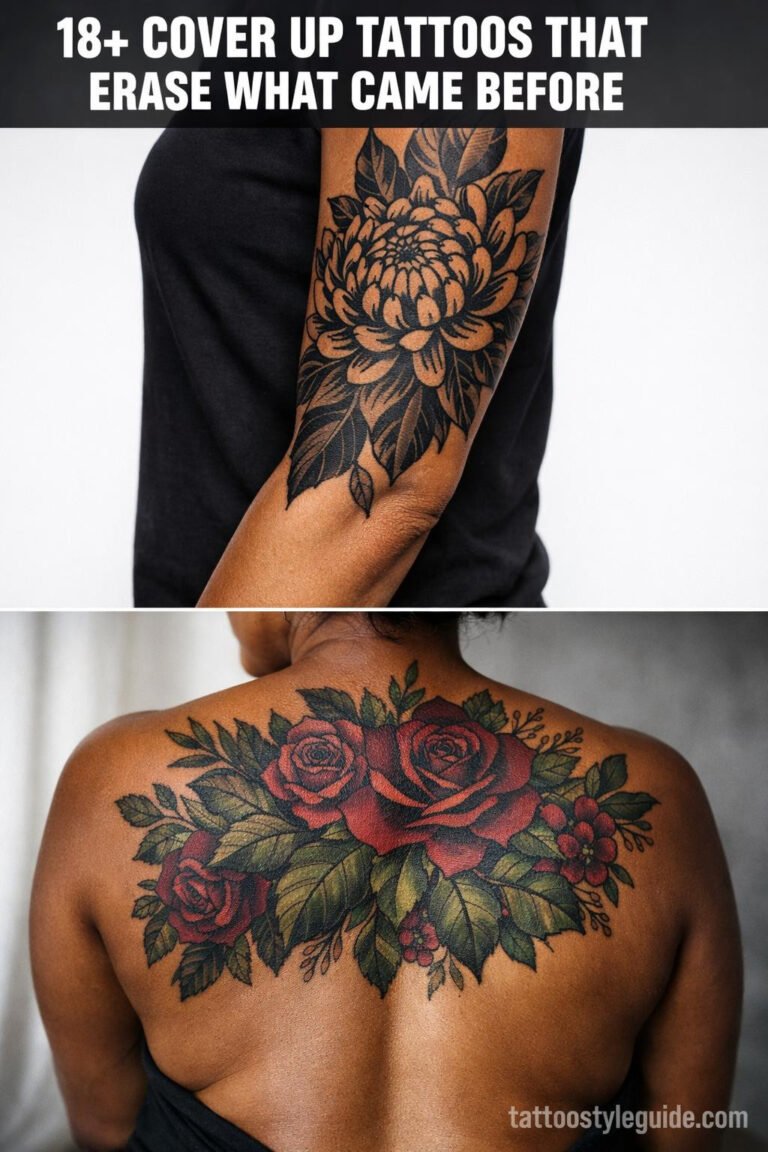
The most painless place to get a tattoo is generally the outer upper arm, specifically the outer bicep and deltoid area. Thick skin, decent fat padding, and few nerve endings make it the spot I send nervous first-timers toward. But “painless” is relative. Every tattoo hurts some. The question is really: where does it hurt least, heal easiest, and give you a good result for your trouble?
Why Some Spots Hurt Less Than Others
Pain isn’t random. In my chair, I can practically predict when someone’s going to flinch based on placement alone. Areas with more flesh between the needle and bone, with fewer nerve clusters, and with skin that doesn’t get rubbed constantly, those are your friends.
Fat and Muscle Are Natural Buffers
The outer upper arm has both. The needle passes through epidermis and dermis, sure, but there’s meat underneath that absorbs vibration. Compare that to the shin, where skin stretches thin over bone, and you’ll understand why I wince when someone wants their first tattoo on the ankle. I’ve tattooed both. The arm wins every time.
Nerve Density Varies Wildly
Ribcage, inner thigh, feet, loaded with nerves. Outer arm, upper back, outer thigh? Relatively quiet. It’s not that you won’t feel anything. You’ll feel scratching, burning, vibration. But it’s manageable. Most people chat through an outer arm piece. On ribs, they go silent and breathe weird.
The Most Comfortable Placements Ranked
After fifteen years in shops, here’s where I’d steer you for minimal discomfort, assuming average body types. Your mileage varies, but this holds up.
- Outer upper arm (deltoid/outer bicep): The gold standard. Easy to sit for, easy to heal, easy to show or hide. I’ve done three-hour sessions here where clients nearly fell asleep.
- Outer thigh: Especially the upper outer quadrant. Plenty of padding, stable skin, and you don’t sit on it while healing. Great for larger pieces.
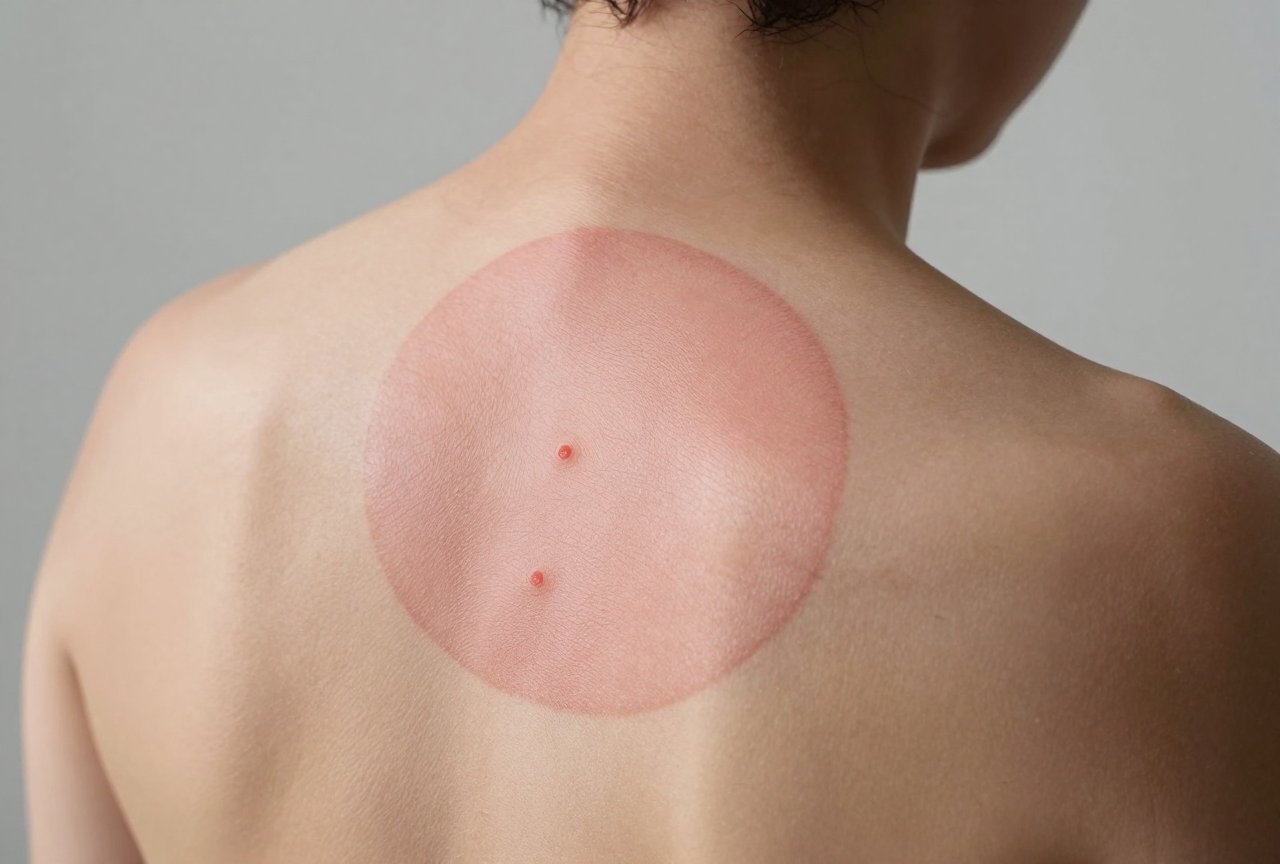
- Upper back, between shoulder blades: The central area, not the spine itself. Thick skin, relatively few nerves, and the vibration spreads across broad muscle.
- Forearm (outer side): Slightly more sensitive than upper arm, but still very tolerable. The inner forearm stings more, more nerves, thinner skin.
- Calves (outer or back): The gastrocnemius has good padding. Avoid the shin bone and the Achilles area.
Notice what’s missing: ribs, sternum, spine, feet, hands, elbows, knees. These aren’t just painful. They’re often tricky to heal, which adds a different kind of suffering.
What “Painless” Actually Feels Like
People ask me to describe tattoo pain. I usually say: imagine a cat scratch that doesn’t stop, or a rubber band snapping repeatedly on sunburned skin. On easy placements, that sensation stays background noise. You can talk, listen to music, zone out. On tough spots, it becomes foreground. Your body releases adrenaline, which helps briefly, then cortisol, which makes you shaky and nauseated.
The Vibration Factor
Here’s something articles rarely mention: the machine’s vibration matters as much as needle pain. On bony areas, that vibration rattles through bone. On fleshy areas, it dissipates. The outer arm absorbs vibration like a cushion. Your skull, not so much. I’ve seen people tap out from vibration nausea, not needle pain specifically.
Duration Changes Everything
A small tattoo on a sensitive spot might be fine. A three-hour session on that same spot becomes torture. Easy placements let you go bigger, more detailed, more sessions. That’s practical value, not just comfort.
Healing Reality: Pain Doesn’t End When the Needle Stops
This is where I get real with clients. The tattoo itself is maybe 30% of the discomfort. Healing is the rest. And placement determines healing difficulty more than people realize.
Friction and Movement Are Enemies
Inner bicep rubs against your side. Waistband tattoos get irritated constantly. Feet swell, scab thick, and live in bacteria-rich socks. The outer upper arm? It hangs free. You sleep without crushing it. You dress without thinking. In my experience, outer arm tattoos heal cleaner with less color loss than spots that get abused daily.
Aftercare Is Placement-Dependent
I tell clients: wash gently, thin layer of recommended ointment, keep it clean. But I also tell them: if you got ribs, you can’t really keep clothing off. If you got a foot, you can’t really keep it out of shoes. The “easiest” aftercare is on spots you can leave alone. Outer arm, outer thigh, upper back. You can actually follow instructions without life getting in the way.
Size, Style, and How They Affect Comfort
Not all tattoos feel equal even on the same spot. Line work versus shading versus color packing, different beasts entirely.
- Simple line work: Fast, minimal passes. Even on moderately sensitive spots, this is survivable.
- Black and grey shading: More needle contact, more vibration. The sensation becomes a dull burn rather than sharp scratch.
- Solid color packing: Multiple passes to saturate. This is where easy placements earn their reputation. Three hours of color on ribs? I’ve seen grown men shake. Three hours on outer arm? We talk about movies.
For first tattoos, I recommend starting small and simple on an easy spot. Get your body’s pain response figured out. Then, if you want that rib piece or sternum mandala, you know what you’re walking into.
What Your Artist Actually Wants You to Know
Shop culture varies, but most experienced artists agree on this: we’d rather you pick a slightly less cool spot and sit still than choose a dramatic placement and tap out. Movement ruins lines. Tensing distorts skin. I’ve had to reschedule and rework pieces because someone insisted on ribs for their first tattoo and couldn’t handle two hours.
We see this a lot: clients come in with Pinterest screenshots of delicate sternum pieces or foot tattoos. I don’t shame them. I explain. I show healed photos of easy placements versus difficult ones. I mention that the tattoo you get is better than the tattoo you fantasize about if the latter becomes a blurry, scarred mess because you couldn’t sit for it or couldn’t heal it properly.
Also: pain tolerance is weirdly psychological. Hydration, sleep, food, menstrual cycle, anxiety level, all shift your experience. I’ve tattooed the same spot on the same person twice with dramatically different reactions. Control what you can. Eat a solid meal. Drink water. Don’t drink alcohol the night before. Bring headphones and a distraction.
Key Takeaways
The outer upper arm remains the most reliable, least painful place for most people getting tattooed. Outer thigh and upper back follow close behind. Fat padding, muscle depth, low nerve density, and minimal friction during healing make these spots forgiving for beginners and comfortable for longer sessions. Pain is personal but patterned, understanding why some spots hurt less helps you choose wisely, not just based on some pain chart you saw online. Talk to your artist about your specific body, your design, and your concerns. The right placement makes the difference between a tattoo you endured and one you actually enjoyed getting.
Frequently Asked Questions
Does being skinny or muscular change which spots hurt least?
Yes. Very lean people feel bone-adjacent tattoos more intensely. Heavier muscle mass can buffer vibration but doesn’t eliminate nerve sensitivity. I adjust recommendations based on what I can see and feel when I stretch the skin.
Can I use numbing cream to make any spot painless?
Some artists allow it, some don’t. It can alter skin texture and make lining harder. I prefer clients skip it for small pieces and learn their real pain response. For large sessions on sensitive spots, we sometimes discuss it case by case.
Why do some people say their foot tattoo didn’t hurt at all?
Individual variation is huge. Some people have naturally high pain tolerance or fewer nerves in specific areas. But feet also heal notoriously poorly, so even if the tattooing felt fine, the two weeks after often don’t.
Is the ‘painless’ spot different for color versus black and grey?
The placement matters more than the palette, but color packing generally requires more needle passes and more time. An easy spot becomes even more valuable for color work. I’d never do a full color sleeve on ribs for a first-timer.
Related Tattoo Guides
- Where Would a Tattoo Hurt the Least?
- Does a Lower Back Tattoo Hurt? A Real Pain Guide
- Does a Forearm Tattoo Hurt? A Real Tattoo Artist s Guide
- Explore more