Yes, you can cover up a hand tattoo as a woman, but it’s harder than almost anywhere else on the body. The skin is thin, the bones are close, and every line shows. I’ve tattooed hands that needed covering after bad script, ex-names, or jobs that suddenly required hiding old ink. The honest truth? Sometimes we can work magic. Sometimes we need to talk about laser fading first, or accepting that the new piece will be darker and bolder than you originally wanted. This guide walks you through what actually happens in my chair.
Why Hand Cover-Ups Are Their Own Beast
Hand skin is different. It’s not like your forearm or thigh. It’s constantly moving, constantly exposed to sun and friction, and it sheds faster than almost anywhere else. I’ve seen beautiful hand tattoos fade to ghosts in three years. Now imagine trying to hide something under that.
The other problem is space. A hand is small. You’re working around knuckles, tendons, and webbing that distort whatever you put there. A cover-up needs to be bigger and darker than the original tattoo to actually hide it. On a hand, that means the new piece often has to go heavier than most women want.
What Actually Hides Old Ink
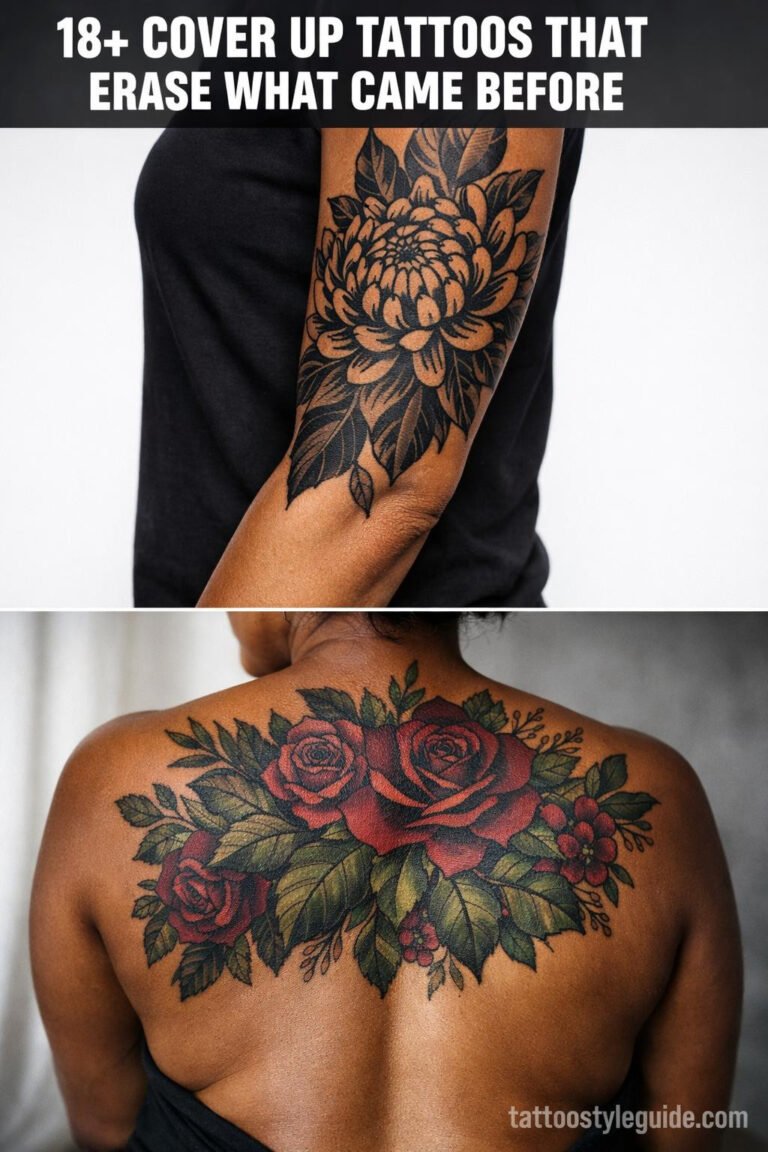
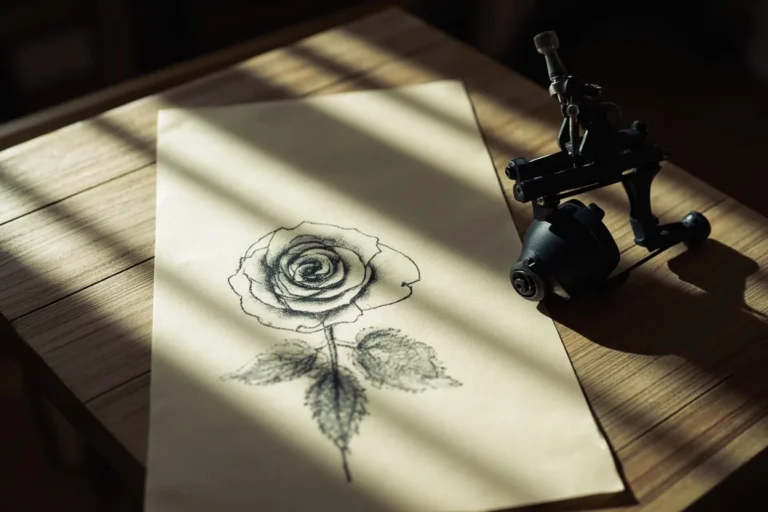
Blackout sections, dense floral with heavy leaves, mandala patterns with solid centers, certain styles of ornamental work, these are your realistic options. I’ve covered small script with a rose where the petals were packed tight enough to swallow the old letters. But a faded blue butterfly from 2005? That might need a few laser sessions first to break it down, or we’re looking at a much darker, bigger piece than you pictured.
- Small, light old tattoos: possible with strategic dense design
- Dark, saturated old work: usually needs laser fading or accepting a very bold cover
- Black tribal or heavy linework: hardest to hide, often requires significant redesign
- Names and script: manageable if the lettering is thin and faded
The Knuckle Problem
Knuckle skin is the thinnest and most unpredictable. I’ve had ink fall out of knuckles completely, leaving a patchy cover-up that needs a second pass. We always warn clients: knuckle work might take two or three sessions to settle, and even then, it won’t look as crisp as a forearm piece. If your old tattoo sits right on the knuckle, we’re having a real conversation about expectations.
Design Styles That Actually Work
After years of doing this, I can tell you what covers well and what doesn’t. Delicate, airy designs with lots of skin showing? They won’t hide anything. You need density.
Floral and Botanical
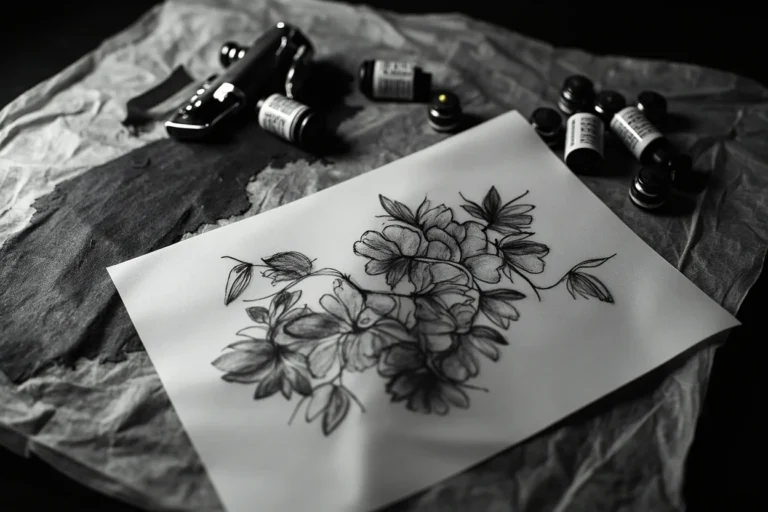
Roses, peonies, chrysanthemums, these work because the petals can be packed with shading and the centers go dark. I did a cover last year where we used a peony; the old tattoo was a small cross on the top of the hand. The flower’s center sat right over it, dense black and deep red, and the petals feathered out lighter toward the fingers. She loved it. But it took three hours, and it was way more coverage than she’d originally imagined.
Ornamental and Mandala
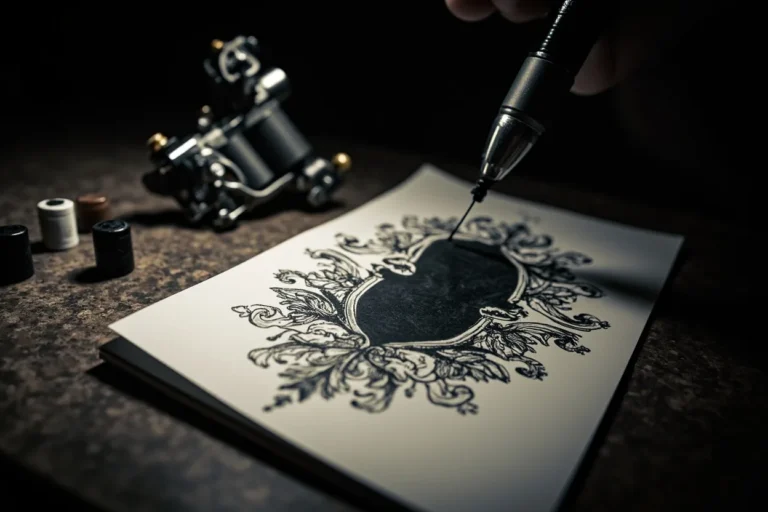
These are popular for a reason. The geometric patterns let us place heavy black exactly where the old tattoo sits, then radiate outward with lighter detail. I’ve used dotwork mandalas to mask old script, tight dots near the center, gradually spacing them out. The eye reads it as texture, not cover-up.
Blackout and Heavy Blackwork
Not every woman wants this, but it’s the most reliable. I’ve had clients come in with ex-husband names on their hands, and after talking through options, some choose solid black shapes with negative-space designs cut through. It’s bold. It’s not subtle. But it works every time, and it ages cleaner than you’d think if you keep it moisturized and out of the sun.
The Pain Reality
I’m not going to sugarcoat this. Hand tattoos hurt. Cover-ups hurt more because we’re working the same area longer, often going over scarred or previously worked skin. The tops of the fingers, the webbing between thumb and index, the knuckles, clients grip the armrest until their other hand goes white.
That said, I’ve had women sit through five-hour hand sessions without a break. I’ve had others tap out at ninety minutes. Pain is personal. What I tell clients: plan for it to be worse than your first tattoo there, because it probably will be. The skin’s already been traumatized once. We’re asking it to go through it again.
Healing and Longevity on Hands
Hands heal rough. You use them all day. You wash them, you bump them, you probably pick at them without thinking. I send every hand client home with specific instructions: keep it wrapped longer, wash gently with unscented soap, pat dry never rub, and absolutely no soaking.
But here’s what the aftercare sheet doesn’t say: hand tattoos fade faster. The skin regenerates quickly. Sun hits them constantly. I’ve seen cover-ups that looked perfect at six months look muddy at three years. The touch-up is almost guaranteed, not optional. Budget for it.
- Expect 2-3 weeks of active healing, longer than most placements
- Plan a touch-up at 6-12 months; most shops charge less for this, some include it
- UV exposure is the enemy; sunscreen or the cover becomes visible again
- Moisturize daily; dry hand skin makes old ink resurface through cracks
Cost and Finding the Right Artist
Hand cover-ups aren’t cheap, and they shouldn’t be. This is advanced work. You’re paying for someone who understands how to design for distortion, how to pack black without blowing out the thin skin, and how to read what will actually hide versus what will just turn into a muddy mess.
In my shop and most reputable ones, hand cover-ups run higher than fresh hand work because of the design time. We’re essentially doing a custom camouflage job. Expect $400-$800 for a single hand, more for complex work or if laser fading was needed first. Some artists won’t touch hands at all. Others specialize in them. Ask to see healed photos, not just fresh ones. Everyone’s portfolio looks good at day one. You want to see how that cover-up settled at six months.
Red Flags to Avoid
An artist who says they can cover anything with anything. An artist who won’t discuss laser fading as an option. An artist who doesn’t ask about your job, your lifestyle, your willingness to go bold. I’ve had to turn clients away because what they wanted, a tiny, delicate flower hiding a dense black star, was physically impossible without fading first. A good artist will be honest, even if it means losing the booking.
When Laser Fading Makes Sense
I used to think laser was a last resort. Now I bring it up in the first consultation for dense hand cover-ups. A few sessions of laser can break down old ink enough that we don’t need to go so dark with the new piece. It opens up design options. It means you might get that lighter, more feminine cover you actually want.
Laser isn’t cheap either, $200-$500 per session, usually 3-8 sessions for significant fading. But compared to living with a cover-up you hate because it had to be too heavy, it’s worth considering. I have relationships with a few local laser techs I trust, and I’ll refer clients there without hesitation. It’s not failure. It’s smart planning.
Key Takeaways
Hand cover-ups for women are possible but demand realism. The skin limits us. The old tattoo limits us. Your pain tolerance and willingness to maintain the work limit us too. Come in expecting a bigger, bolder piece than you might want. Ask about laser fading if your old work is dark. Budget for the touch-up before you even get the first session. And find an artist whose healed hand work you can examine, not just admire on Instagram. I’ve watched too many clients go to cheap shops for hand cover-ups and end up with blown-out, still-visible messes that cost triple to fix. Do it once, do it right, and take care of it after. Your hands are the one tattoo everyone sees. Make sure you’re not hiding one mistake with another.
Frequently Asked Questions
How long should I wait after getting laser fading before doing the cover-up?
Most laser techs and tattoo artists recommend waiting 6-8 weeks between your final laser session and tattooing. The skin needs time to process the broken-down ink and recover from the laser trauma. I’ve tattooed too early and watched the ink settle weirdly, patience pays off here.
Can I cover a hand tattoo with skin-colored ink to just make it disappear?
Skin-tone ink doesn’t work like that, especially on hands. It rarely matches actual skin, fades to a yellowish or pinkish tone, and often looks worse than the original tattoo. I don’t know any reputable artist who recommends this for hand cover-ups.
Will a hand cover-up affect my job prospects more than the original tattoo?
Usually the opposite, since you’re choosing something intentional rather than accidental old ink. But hand tattoos are still hand tattoos, visible in professional settings. If the cover-up is darker or larger, it might actually draw more attention. We always discuss your work situation before designing.
Why do some artists refuse to do hand cover-ups entirely?
Hand skin is unforgiving, and a blown-out or failed cover-up is permanently visible and hard to fix. Some artists avoid the liability and stress. Others, like me, take them on but charge accordingly and screen clients carefully. It’s not personal, it’s professional self-preservation.
Related Tattoo Guides
- How Long After Accutane Can You Get a Tattoo?
- How Long Does Eyebrow Tattoo Last? A Real Guide
- How Long Should a Tattoo Be Red? A Realistic Healing Guide
- Explore more