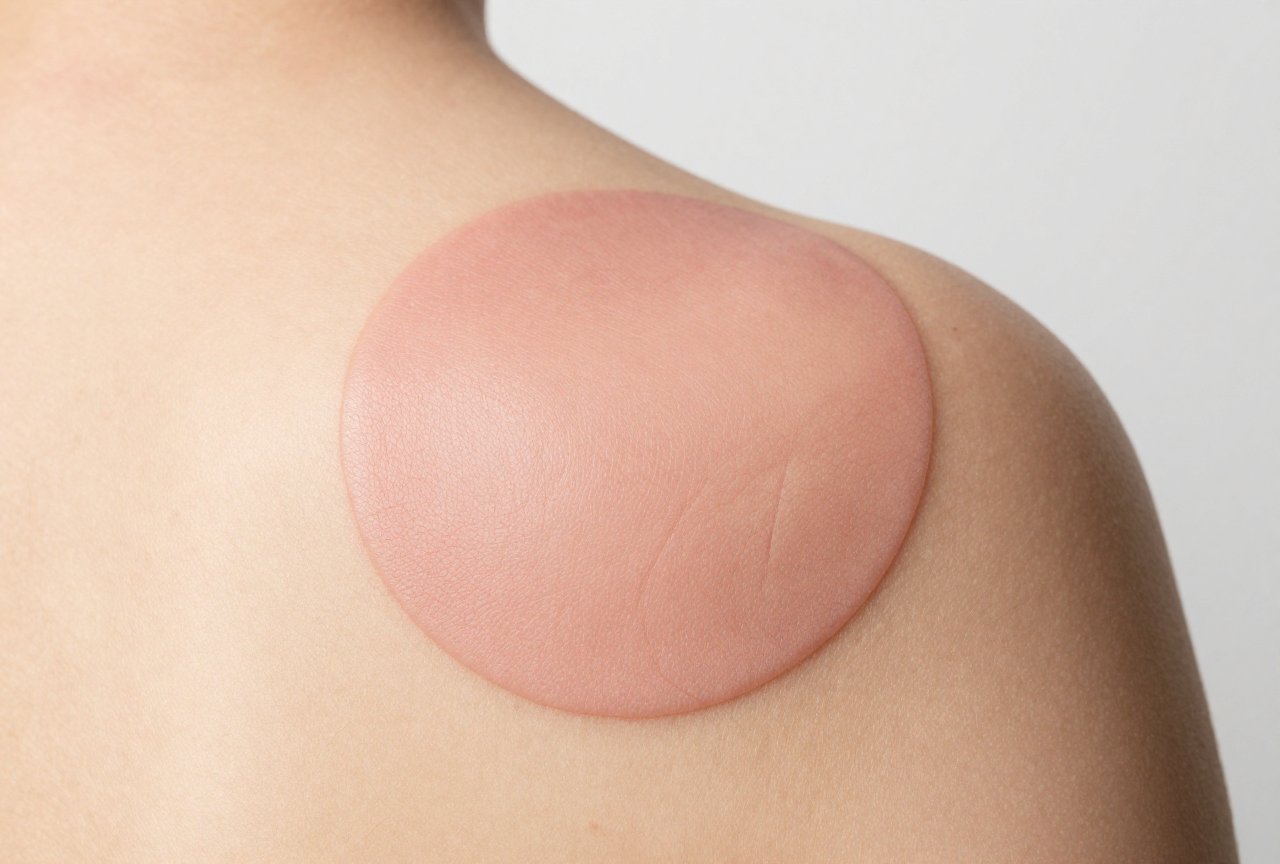
The short answer: wait minimum six months after your last Accutane dose before getting tattooed. I’ve turned away plenty of eager clients at the four-month mark, and I don’t enjoy it. But I’ve also seen what happens when people ignore this window, ink that won’t hold, skin that tears under the needle, scars that outlast the tattoo itself. The six-month rule isn’t arbitrary shop policy; it’s the consensus among working artists who’ve watched Accutane-altered skin behave unpredictably under the machine.
Why Accutane Changes Your Skin
Accutane (isotretinoin) fundamentally rewrites how your skin functions. It shrinks oil glands, thins the epidermis, and slows cellular turnover. Great for cystic acne. Terrible canvas for tattoo work. I explain it to clients like this: imagine trying to paint on paper that’s been soaked and dried unevenly. Some spots drink ink, others repel it. The needle doesn’t glide, it catches, skips, or slices too deep.
What I Actually See in the Chair
Skin on Accutane or too soon after has a telltale quality. It looks normal to the untrained eye, but under magnification and needle pressure, it reveals itself:
- Fragile surface: The epidermis tears instead of parting cleanly for the needle. I feel it immediately, the resistance is wrong, almost crunchy.
- Delayed bleeding: Accutane affects vascular response, so blood doesn’t rise predictably. I can’t read my canvas, which makes consistent depth impossible.
- Poor ink retention: The dermis isn’t holding pigment properly. I’ve seen lines that looked solid during the session vanish by the two-week heal.
- Scarring risk: This is the big one. Normal tattooing causes controlled trauma. Accutane skin can’t handle that trauma; it scars instead of healing.
The Science Artists Actually Reference
We don’t pull the six-month figure from nowhere. Dermatology literature documents that sebaceous function and epidermal thickness recover gradually after isotretinoin cessation. Most artists I know reference the Journal of the American Academy of Dermatology guidance, though we interpret it practically: when skin feels and behaves normally under test stippling, it’s ready. That takes six months minimum, sometimes longer for high-dose or extended courses.
What Happens If You Tattoo Too Soon
I’ve had clients beg, birthday deadlines, memorial dates, impulse trips. I’ve said yes twice early in my career, against my gut. Both were mistakes I still remember.
The first was a rib piece on a woman four months post-Accutane. The linework looked decent day-of, but at her six-week touchup, half the outline had dropped out entirely. The skin had scarred in patches where I’d worked too deep trying to get ink to hold. We spent three sessions repairing damage that shouldn’t have happened.
The second was worse, a small blackwork design on a guy who’d finished a five-month course. His skin welted immediately, stayed swollen for days beyond normal, and healed with raised, shiny tracks where the needle passed. The tattoo was technically there, but surrounded by permanent texture changes. He didn’t blame me; I blamed myself.
These aren’t horror stories for effect. Walk into any shop with ten years’ history and ask about Accutane regrets. Every senior artist has them.
How to Know You’re Actually Ready
Calendar math isn’t enough. I’ve seen clients at eight months whose skin still felt wrong, and others at five who seemed fine. Here’s what I check:
- Skin elasticity: Pinch and release. Accutane skin stays tented longer, feels less supple.
- Natural oil return: Your forehead and nose should have normal shine, not persistent dryness.
- Healing speed: A minor cut or scrape should close and flatten on normal timeline, not linger flaky or pink.
- No active dryness or peeling: If you’re still using heavy moisturizers daily to prevent cracking, wait.
I always do a small test stipple on clients who’ve been on Accutane, even past six months. A few dots in an inconspicuous spot, let them heal two weeks. If the skin holds ink normally and heals flat, we proceed. If not, we wait longer. No reputable artist will rush this.
Talking to Your Artist (and Your Derm)
Be upfront about Accutane history. I ask every new client about medications during consultation; too many don’t mention it because they think “it’s just skin stuff” or because they’re embarrassed about past acne. This isn’t judgment territory. I’ve tattooed over severe acne scars, covered self-harm marks, worked with every skin condition imaginable. The only information that hurts you is information you withhold.
What to Bring to Consultation
Don’t need a doctor’s note necessarily, but helpful details:
- Exact medication name (isotretinoin, Claravis, Amnesteem, etc.)
- Dosage and duration
- Date of final dose
- Whether you’ve had any lingering side effects since
Some artists want written clearance from your prescribing dermatologist. I don’t require it formally, but I appreciate when clients have checked in. Dermatologists vary, some say three months, some say twelve. I trust six because it’s what my hands and eyes confirm over years.
Shop Culture Around This Rule
Among artists, Accutane timing is non-negotiable in a way few other things are. We’ll negotiate design, price, placement, session length. We’ll work with anxiety, with low pain tolerance, with indecision. But we won’t tattoo Accutane-compromised skin. It’s the fastest way to lose a license, ruin a reputation, or genuinely harm someone. If an artist says yes immediately without asking about medication history, that’s a red flag about their overall diligence.
Aftercare Adjustments for Former Accutane Users
Once you’re cleared and tattooed, aftercare needs slight modification. Your oil production may still be recovering even past six months, meaning:
- Moisturize more aggressively: Standard “thin layer” advice might not be enough. I tell ex-Accutane clients to keep the tattoo slightly more occluded, checking for dryness hourly day one through three.
- Longer initial healing: Expect the flaky phase to run closer to two weeks than one. Don’t panic; don’t pick.
- Sun sensitivity remains raised: Accutane photosensitivity can persist months after. Your fresh tattoo is doubly vulnerable. Cover it, absolutely no sun exposure during healing, and SPF 50 religiously after.
- Touchups likely needed: Even with perfect timing and technique, former Accutane users often need one more pass than typical. I build this into pricing conversations so there’s no surprise.
Key Takeaways
Wait six months minimum after your last Accutane dose. Test your skin’s recovery before committing to large work. Tell your artist everything, they’re not judging, they’re protecting both of you. Expect slightly modified aftercare and possible touchups. The tattoo you want will still be there in six months; the scarred or blown-out version from rushing will also still be there, permanently. I’ve watched too many people learn this the hard way. The wait is boring. It’s also the easiest part of the whole process.
Frequently Asked Questions
Does topical tretinoin (Retin-A) have the same waiting period as Accutane?
No, topical retinoids affect only the surface area where applied, not your entire skin system. Most artists ask you to stop using them on the tattoo area two weeks before and during healing. Accutane is systemic, which is why the six-month rule applies.
Can I get a tattoo while still on Accutane if it’s just a tiny design?
Size doesn’t change how the drug affects your skin’s response to trauma. I’ve seen small tattoos scar worse than large ones because the artist couldn’t adjust technique for compromised skin. No ethical artist will work on you until you’ve finished the course and waited the full period.
Will my tattoo artist know I’m lying about Accutane history?
Maybe not immediately, but your skin will tell the story within minutes of needle contact. If an artist suspects and you confirm, they’ll stop the session. If you don’t confess and the tattoo heals poorly, you’ve wasted money and permanently marked yourself. Just be honest.
Does the six-month rule apply to all permanent skin procedures like piercings or microblading?
Piercings have different tissue dynamics and many shops use shorter windows, though caution still applies. Microblading and cosmetic tattooing follow similar guidelines to traditional tattooing because they use comparable needle penetration. Always disclose Accutane use to any practitioner breaking your skin.
Related Tattoo Guides
- How Long Does Eyebrow Tattoo Last? A Real Guide
- How Long Does Laser Tattoo Removal Take? A Realistic Timeline
- How Long Should a Tattoo Be Red? A Realistic Healing Guide
- Explore more