A full laser tattoo removal usually takes between one and two years from your first session to your last. Most people need somewhere from six to twelve sessions, and you have to wait six to eight weeks between each one so your skin can recover and your immune system can flush the ink. That’s the short answer. The longer answer depends on what you got, where you got it, what colors are in there, and how your particular body decides to cooperate. I’ve watched clients clear a small black line tattoo in four sessions, and I’ve seen dense, colorful sleeves take fifteen. There’s no universal stopwatch.
What Actually Happens in a Session
The laser itself is fast. A small tattoo might get zapped in under a minute. A full back piece could be thirty to forty-five minutes of actual laser time. The technician works in passes, moving across the area, and you’ll hear a snapping sound like a rubber band hitting a balloon. Afterward the area turns white and frosty for a few minutes, then red and swollen. You leave with a bandage and instructions.
The real work happens after you walk out. The laser breaks the ink into tiny particles, but your lymphatic system has to carry those particles away. That process takes weeks. That’s why the waiting period between sessions isn’t arbitrary, it’s biology. Rush it and you risk scarring without gaining any speed on the ink removal.
Why the Laser Can’t Just “Go Deeper”
Clients ask me this all the time when they’re frustrated with progress. The laser settings get adjusted based on your skin type, the ink density, and how your last session healed. Cranking up the power doesn’t necessarily mean faster removal. It can mean burns, blisters, and permanent texture changes. Good technicians are conservative because they’d rather have you come back eight times than destroy your skin once. I’ve sent people to removal specialists I trust, and the ones I respect most are the patient ones.
Factors That Speed Up or Slow Down Removal
Not all tattoos are created equal, and not all bodies process ink the same way. Here’s what actually matters:
- Color: Black and dark blue are the easiest to target. Greens, yellows, and light blues fight back. Reds can be stubborn. White ink sometimes turns dark before it fades, which freaks people out.
- Depth and density: Heavy saturation from a talented artist means more ink to break down. Amateur scratchers often deposit ink unevenly, which can actually be easier in spots and harder in others.
- Placement: Areas with good circulation, chest, upper arms, torso, tend to clear faster. Ankles, fingers, feet, and anywhere far from your heart take longer. I’ve watched ankle tattoos lag six months behind shoulder work from the same client.
- Age of tattoo: Older tattoos have already faded some naturally. Fresh, bold ink needs more sessions.
- Skin type: Darker skin requires careful wavelength selection to avoid pigment changes. This can mean gentler settings and more sessions.
- Your immune system: Young, healthy, non-smokers with good hydration and exercise habits see faster results. Smoking is a killer for removal, it constricts blood flow and slows lymphatic drainage.
- Cover-up vs. complete removal: Fading for a cover-up takes fewer sessions than full clearance. Usually three to five gets you light enough for me to work over.
The Cover-Up Shortcut
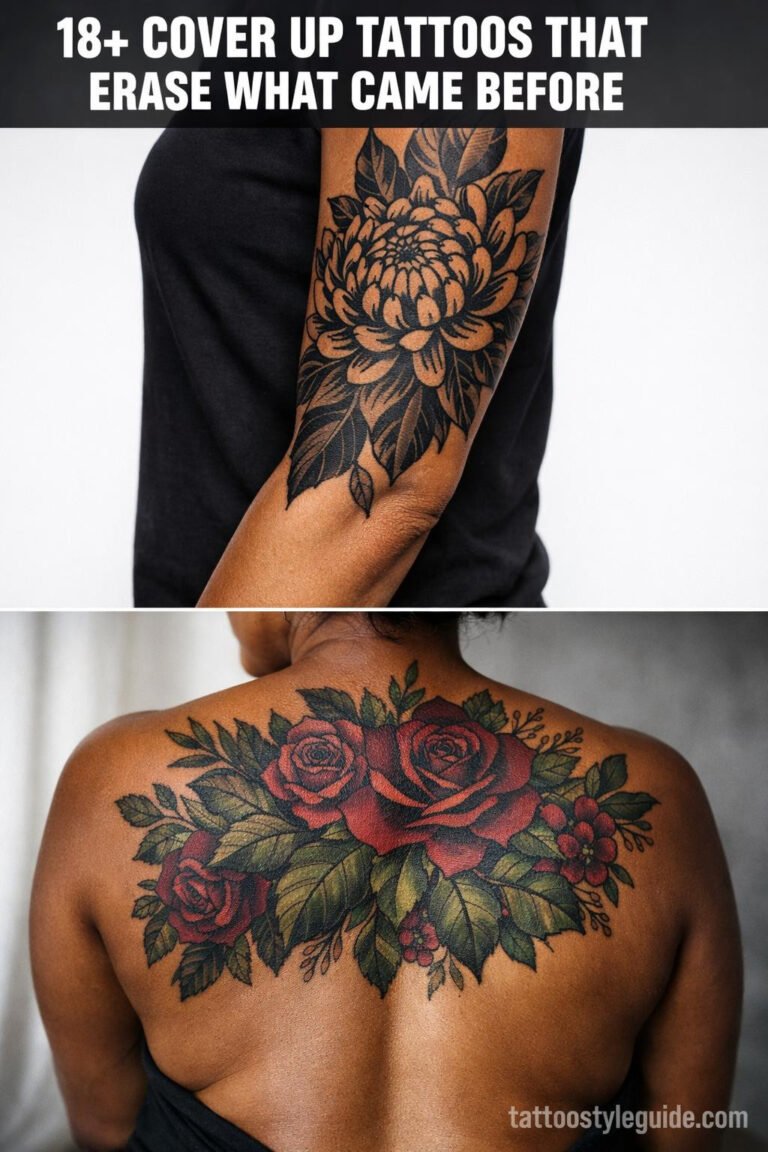
If you’re planning to tattoo over the area, you don’t need complete removal. I tell clients to aim for 60-70% fade, which often takes half the sessions of full clearance. The old tattoo needs to be ghosted enough that I can design around it, not gone entirely. This saves money, time, and skin trauma. I’ve done beautiful cover-ups over faded remnants that would have taken two more years to fully erase.
The Healing Reality Between Sessions
After each laser session, your skin needs to settle before you come back. Here’s what that actually looks like:
- Days 1-3: Redness, swelling, possible blistering. Blisters look scary but are normal with higher settings. Don’t pop them.
- Days 4-14: Scabbing or crusting forms. Let it fall off naturally. Picking means scarring and ink retention.
- Weeks 3-6: The area looks normal on the surface, but the ink is still breaking down internally. This is when the lymphatic system does its slow work.
- Week 6-8: Ready for assessment and possibly the next session. Some places push 4-week intervals, but I think that’s aggressive unless you’re doing very light passes.
Sun exposure is your enemy during this whole process. Tanned or burned skin can’t be treated safely, and UV exposure can darken the tattoo temporarily, making the laser less effective. I’ve had clients lose entire summers of progress because they went to the beach between sessions.
What You’ll Actually Spend
Cost varies wildly by region and provider. Small tattoos might run $100-200 per session. Large pieces can be $500+. Most reputable shops offer package deals that bring the per-session price down. Do the math: eight sessions at $150 is $1,200. Fifteen sessions at $400 is $6,000. This is not a cheap fix.
I always tell people to budget for more sessions than the consultant estimates. Optimistic projections are common in sales consultations. The body doesn’t read marketing materials. Plan for the long end of the timeline and be pleasantly surprised if you beat it.
Insurance and Reality
Cosmetic tattoo removal is almost never covered by insurance, even if the tattoo is causing you genuine distress. Some military branches will fund removal of non-regulation tattoos for active personnel. Otherwise, you’re paying out of pocket. Financing plans exist but read the terms carefully, I’ve heard of clients paying more in interest than in actual laser time.
Pain: What It Actually Feels Like
Getting tattooed and getting lasered are different pains. Tattooing is a grinding, relentless irritation. Laser is sharper, more explosive, like hot grease snapping against your skin. Most people say it’s worse than tattooing, but it’s faster. Numbing cream helps some. Ice helps. Some clinics offer cooling devices or injectable lidocaine for large areas.
The aftermath pain is more like a bad sunburn for a few days. Blisters, if they happen, ache and feel tight. I’ve had clients describe the healing itch as worse than the session itself, like healing a tattoo, but deeper and more persistent.
Setting Realistic Expectations
Complete removal isn’t always possible. Some ink colors resist entirely. Some skin types develop permanent light or dark spots. Scarring from the original tattoo or from poor aftercare can remain. I always tell clients: the goal is improvement, not perfection. A faded, slightly textured remnant is still a win if you hated what was there.
Photos help track progress. Take them in the same light, same angle, every session. The week-to-week changes are invisible, but the month-to-month comparison reveals real movement. I’ve sat with clients who were convinced nothing was happening until they saw their six-month photo.
Key Takeaways
Laser tattoo removal is a slow process measured in months and years, not weeks. Most people need 6-12 sessions with 6-8 week gaps between them. Black ink fades fastest; colors fight back. Your body does the actual removal work, so your health habits matter. Smoking, sun exposure, and impatience all work against you. Budget for more sessions than estimated, and consider whether fading for a cover-up might serve your goals better than full clearance. The laser is a tool, but your lymphatic system is the worker, respect its timeline.
Frequently Asked Questions
Can I get a new tattoo in the same spot right after laser removal?
No, you need to wait several months after your final laser session before getting tattooed again. The skin needs time to fully recover its normal texture and strength. I usually tell clients to wait at least six months, sometimes a year, before I tattoo over a lasered area.
Why does my tattoo look darker after the first laser session?
Some inks, especially white, red, and certain cosmetic pigments, can oxidize and darken temporarily when the laser hits them. This is called paradoxical darkening and it’s usually temporary. The next session or two typically breaks that darkened pigment down further.
Does laser removal work on homemade or stick-and-poke tattoos?
Yes, and sometimes they’re actually easier because the ink is often deposited more shallowly and unevenly. However, the irregular depth can also mean patchy fading. I’ve seen amateur tattoos clear in fewer sessions, but with less predictable results across the whole design.
Can I speed up removal by going to multiple clinics?
Absolutely not. Different clinics use different lasers and settings, and your skin needs consistent evaluation by one provider who knows your history. Bouncing around increases your risk of burns, scarring, and conflicting aftercare advice. Pick someone good and stick with them.
Related Tattoo Guides
- How Long Should a Tattoo Be Red? A Realistic Healing Guide
- How Long Does a Tattoo Hurt? A Realistic Timeline
- How Long to Leave the Wrap on Your New Tattoo
- Explore more