Yes, you can get a tattoo removed, and no, it’s not like rubbing a pencil eraser on paper. Laser removal is the standard in the US right now, and I’ve sat in enough shops watching clients come in for cover-ups or consultations to know the process inside and out. It takes multiple sessions, it costs real money, and your results depend heavily on your specific tattoo, your skin, and the machine doing the work. Here’s what actually happens.
How Laser Removal Actually Works
The laser doesn’t “burn off” your tattoo. It fires concentrated light pulses that shatter the ink particles sitting in your dermis. Your immune system then flushes those broken-down bits over weeks. Different wavelengths target different ink colors, black is easiest because it absorbs all light frequencies. Bright greens, blues, and yellows? Those are stubborn. I’ve watched clients need twice as many sessions for a teal watercolor piece versus a solid black tribal band.
Q-Switched vs. Picosecond Lasers
Most reputable shops use either Q-switched Nd:YAG lasers or newer picosecond machines like PicoSure or PicoWay. Q-switched fires in nanoseconds; picosecond hits in trillionths of a second, shattering ink more efficiently. Picosecond tends to mean fewer sessions and better results on tough colors, but you’ll pay more per session. Ask what machine they use. If they can’t tell you the specific model, walk.
What the Session Feels Like
It hurts. I’ve had clients tell me it’s worse than getting the tattoo, others say it’s a different kind of pain, sharp, snapping, like a rubber band on sunburn. Sessions are short, usually 10-30 minutes depending on size, which helps. Most places offer numbing cream or cooling devices. The area swells immediately, sometimes blisters, and looks ugly for a week or two. That’s normal.
How Many Sessions You’ll Actually Need
Anyone promising complete removal in three sessions is lying or ignorant. I tell clients to budget for 6-12 sessions minimum, spaced 6-8 weeks apart. That’s roughly a year of your life, sometimes more. Older tattoos fade faster because your body has already started breaking ink down. Fresh, saturated work takes longer. Amateur stick-and-poke sometimes removes easier than dense professional packing.
- Black ink, older tattoo, fair skin: often 6-8 sessions
- Multi-color professional piece, dense saturation: 10-15+ sessions
- Cover-up prep (fading for new tattoo): 3-5 sessions might suffice
- Location matters: tattoos closer to your heart fade faster due to better circulation
Your ankle piece will likely take longer than your chest piece. I see this constantly. Lower extremities just heal and process slower.
What It Costs in Real Numbers
There’s no universal price. In my experience across several US shops and referral networks, you’re looking at roughly $200-$500 per session for palm-sized pieces. Full sleeves can run $500+ per session. Most reputable places offer package deals, buy 8 sessions, get a discount. Total removal for a medium-sized colored tattoo can easily reach $3,000-$7,000. Small black tattoos might clear under $2,000.
Why Cheap Removal Is Dangerous
I’ve seen Groupon specials for $50 sessions. Those operators often use outdated equipment, lack proper training, or cut corners on aftercare supplies. Bad laser work causes permanent scarring, hypopigmentation (skin lightening), or hyperpigmentation (darkening). Your skin is the canvas, damage it, and future tattooing becomes harder or impossible. Spend the money on someone who knows what they’re doing.
Preparing for Your Sessions
Come in clean-shaven if it’s a hairy area. Don’t tan for two weeks before, laser on tanned skin increases burn risk. Stay hydrated. Your immune system does the actual removal work, so being healthy matters. I had a client who got faster results after she quit smoking; nicotine constricts blood vessels and slows healing. Not a lecture, just reality.
- Avoid aspirin and ibuprofen before sessions, they increase bleeding
- Don’t come in with sunburn or fresh wounds near the area
- Keep the area moisturized but not greasy day-of
- Eat something beforehand, low blood sugar plus pain isn’t fun
Aftercare: The Healing Reality
Post-laser care is simpler than fresh tattoo aftercare but equally important. You’ll get a specific protocol from your technician, but generally: keep it clean, keep it dry initially, let blisters heal untouched, and absolutely no sun exposure. The treated skin is vulnerable to UV damage for months. I’ve seen people get dark permanent spots because they hit the beach two weeks post-session.
Expect scabbing, maybe some pinpoint bleeding, definitely tenderness. It looks worse than it is. Don’t pick. Don’t scratch. The same discipline you used healing your tattoo applies here. Most people return to normal activities immediately, though vigorous exercise that stretches the area might wait a day or two.
What Results Actually Look Like
Complete removal isn’t always achievable. Some ghosting usually remains, a faint shadow where ink was. White ink turns dark under laser. Skin texture changes slightly. I always tell clients: aim for “good enough to tattoo over” rather than “never existed.” Many people stop at 80% removal and get a cover-up they actually love. That’s valid. That’s smart, even.
When Removal Isn’t the Best Option
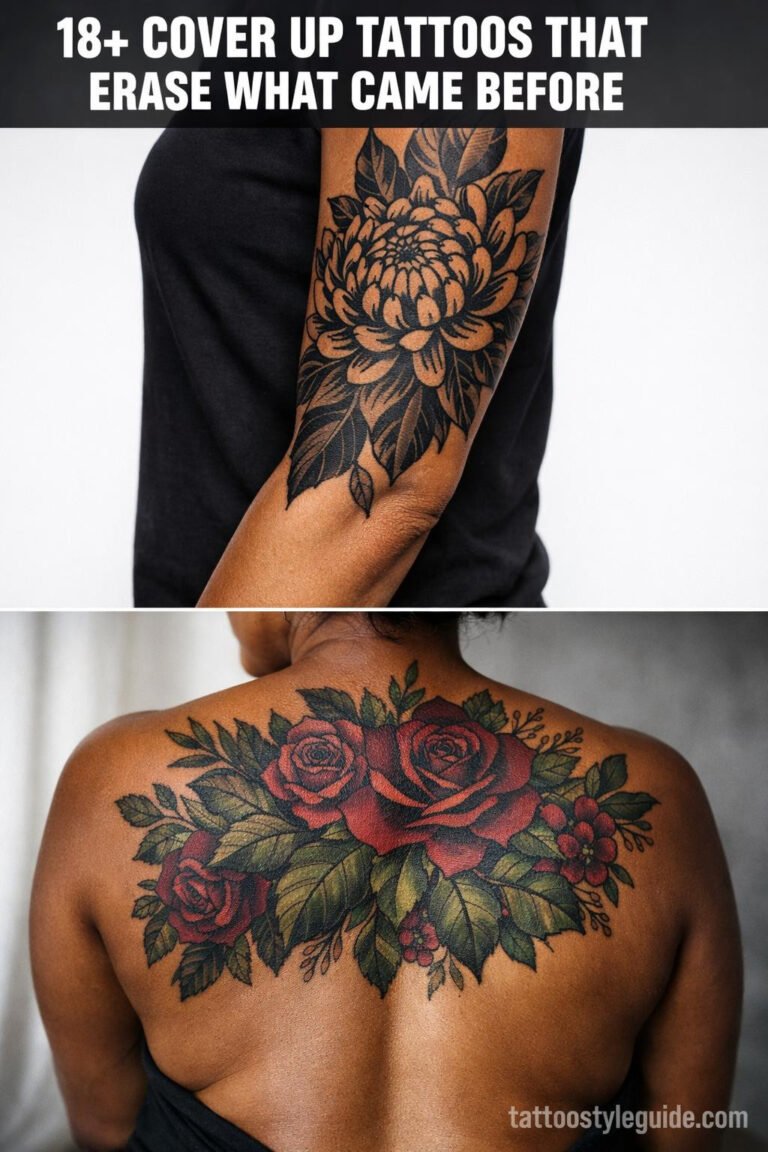
Sometimes fading for cover-up beats full removal. A skilled artist can work over lightened tattoos, incorporating old lines into new design. I’ve tattooed over pieces that were 50% lasered, client saved thousands, got art they wanted. Consult with both your removal technician and a tattoo artist before committing to full removal. The collaborative approach often wins.
Alternatives Worth Mentioning
Surgical excision exists for tiny tattoos, cut it out, stitch it up. Leaves a scar, obviously. Dermabrasion and salabrasion are outdated, brutal, and scarring; no reputable provider offers them. Tattoo removal creams are essentially scams. Don’t waste your money. The only FDA-recognized method is laser. Everything else is folklore or damage.
There’s also “non-laser” saline removal for cosmetic tattoos (eyebrows, lips), but for body art, laser dominates for good reason. The technology keeps improving, what took 15 sessions five years ago might take 8 now. Still not magic, but better.
Key Takeaways
Laser removal works, but it’s a commitment of time, money, and patience. Expect multiple sessions over months, real pain, and imperfect results. Choose your provider based on equipment transparency, training, and reputation, not price. Prepare properly, follow aftercare religiously, and consider whether partial fading plus cover-up serves your goals better than chasing complete erasure. Your skin tells your story; removal is just another chapter, not a time machine. Research thoroughly, ask hard questions, and never let anyone rush you into a decision you’ll wear on your body forever.
Frequently Asked Questions
Does tattoo removal hurt more than getting tattooed?
Most people say it’s a sharper, more intense pain but over much faster. A tattoo session might last hours; laser removal on the same area is usually done in 10-20 minutes. Numbing options help, and the pain stops when the laser stops, unlike the lingering soreness of a long tattoo session.
Can all tattoo colors be removed equally well?
No. Black and dark blue respond best because they absorb laser light across multiple wavelengths. Greens, teals, and yellows are notoriously stubborn and may never fully clear. White ink can actually darken under laser treatment. Your technician should assess this honestly before starting.
Will I have a scar after tattoo removal?
Properly performed laser removal shouldn’t scar, but skin texture changes and subtle color differences are common. Scarring typically results from poor aftercare, picking scabs, sun exposure during healing, or unqualified operators using wrong settings. Choose experienced providers and follow their aftercare exactly.
Can I get a new tattoo over a removed one?
Absolutely, and many people do. The skin needs to fully heal first, usually 2-3 months after your final laser session. A cover-up over faded work often looks better than trying to tattoo dense black over saturated color. Consult your tattoo artist early in the removal process to plan strategically.
Related Tattoo Guides
- How to Get Rid of a Fake Tattoo: A Real Guide
- How to Make a Tattoo Gun: A Working Artist s Honest Guide
- How to Make Your Own Temporary Tattoo at Home
- Explore more