Take the wrap off after two to six hours, wash it gently, and let it breathe. That’s the short answer I give every client before they walk out my door. But the real story depends on what kind of wrap I used, where I put the tattoo, how much we bled, and what your day looks like after you leave. I’ve seen people heal beautifully after four hours and I’ve seen others need to keep that first barrier on overnight because they work in a dusty warehouse. There’s no single rule that fits everyone, which is why I want to break down what actually happens under that plastic or bandage and how to read your own situation.
Why We Wrap Fresh Tattoos at All
That wrap isn’t decoration. It’s a barrier against the bacteria floating around every room you enter. Right after I wipe off a piece, the skin is basically an open abrasion. Plasma and excess ink seep out for the first few hours. Without coverage, that wet surface sticks to your shirt, picks up pet hair, and invites whatever’s on your Uber seat to settle in. The wrap buys you time to get home clean.
There’s also the practical matter of not ruining your clothes. I’ve had clients text me photos of white sheets stained with a full back piece’s worth of green soap and black ink. The wrap catches that initial weeping so you don’t panic at 2 AM thinking your tattoo is falling out.
What the Wrap Actually Does Underneath
Inside that sealed environment, your body starts the inflammatory phase. Plasma pools a little, white blood cells migrate to the area, and the skin begins knitting itself back together. The wrap keeps this environment moist enough that the surface doesn’t crust immediately, which matters for how your lines settle. Dry too fast and you risk scabbing that pulls pigment out with it.
But here’s the catch: that same sealed moisture becomes a problem if it sits too long. Bacteria love warm, wet, protein-rich environments. Leave plastic on for twelve hours and you’ve built a petri dish. I’ve unwrapped clients who left it on overnight and found the skin macerated, white, soggy, and smelling off. Not infected necessarily, but compromised enough that healing gets delayed.
Plastic Wrap vs. Second-Skin Products
Traditional cling wrap is what most old-school artists still reach for. It’s cheap, visible, and comes off easy. I use it for smaller pieces, walk-ins, and anyone I know won’t follow up with aftercare purchases. The rule with plastic: two to six hours, then off and washed. Never sleep in it. Never re-wrap with the same piece.
Second-skin products like Saniderm or Dermalize changed the game maybe fifteen years ago. These adhesive, semi-permeable membranes let oxygen in and vapor out while blocking liquid and bacteria. I can leave them on for one to three days depending on the piece. They cost more, so I charge accordingly or offer them as an upgrade. Clients love them because they don’t have to think about aftercare for the first couple days, and I love them because I see better color retention on saturated work.
When Second-Skin Needs Early Removal
Not every application goes perfect. If the adhesive wrinkles and creates channels where plasma pools, that pocket becomes a problem. I tell clients: if you see a bubble bigger than a quarter filling with fluid, peel it back, wash, and either reapply fresh material or switch to dry healing. Same if the edges lift and dirt gets under. The product only works when it’s sealed.
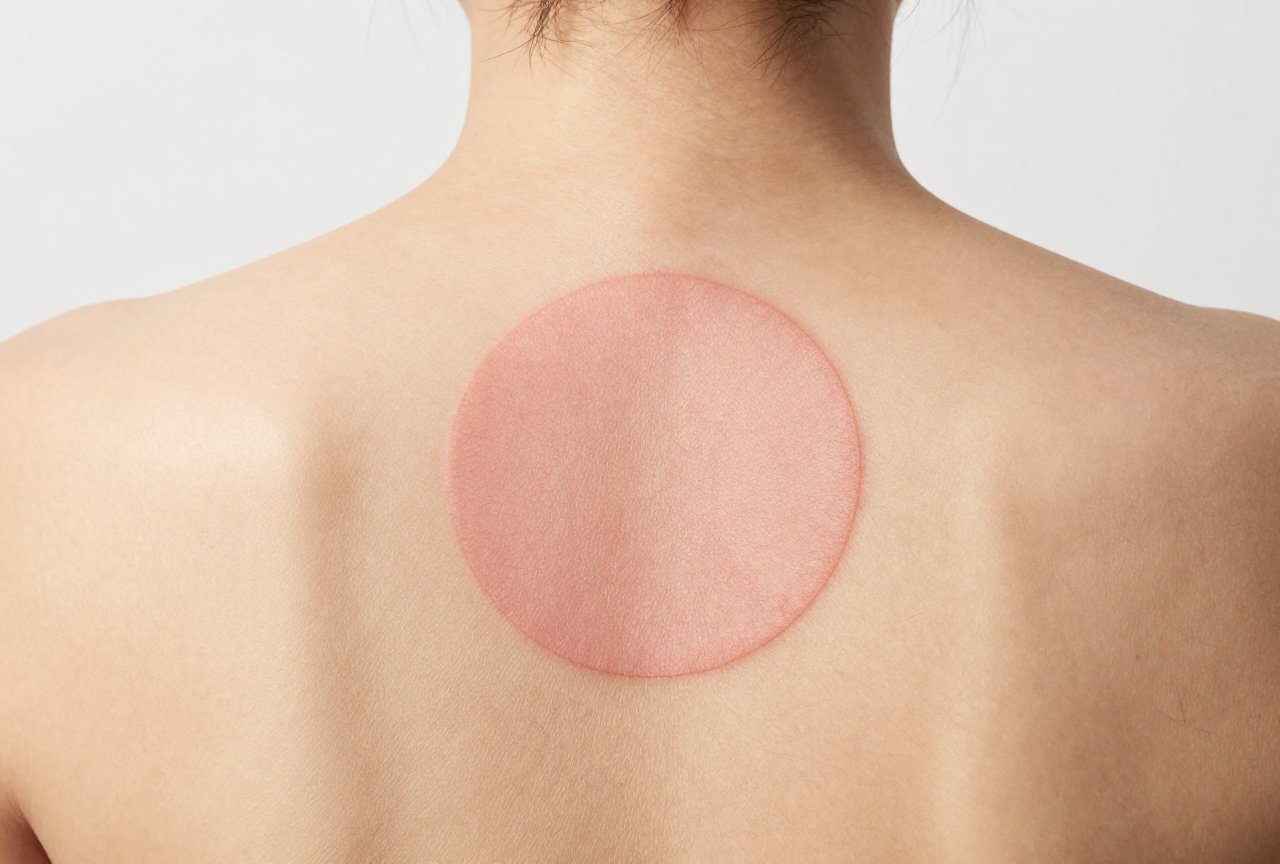
Some people also react to the adhesive. Red, raised skin exactly where the tape sat, not extending into the tattoo itself. That’s contact dermatitis, not infection, but it means that client’s body rejects the material. Pull it early, wash, and switch to traditional aftercare.
How Placement Changes Timing
Where I put the ink matters for wrap duration. Hands and feet weep more because they’re distal, the blood flow patterns are different, and they’re in motion constantly. I often wrap a hand piece tighter and tell the client to keep it on four hours minimum, preferably six, because they’re touching doorknobs and phones within minutes.
Thighs and upper arms? Less trauma, less plasma, easier to keep clean. Two to four hours and they’re usually fine. I’ve done ribs that barely seeped and calves that looked like I’d performed surgery. You read the piece, not the clock.
Areas with lots of flexing, inner biceps, elbows, knees, benefit from second-skin if the client can afford it, because the wrap moves with them instead of rubbing. Traditional plastic on a knee gets sweaty, bunches, and becomes annoying enough that people tear it off too early or too late, both bad.
The First Wash: What Actually Happens
When you peel that wrap, the tattoo will look slimy. That’s plasma, a clear-to-yellowish fluid your body produces for wound repair. There might be excess ink on the surface, that’s normal, not your tattoo falling out. Wash with fragrance-free soap, lukewarm water, and your clean fingertips. No washcloths, no scrubbing, no soaking.
I demonstrate this in my chair before clients leave. Palm the soap, gentle circles, rinse until the water runs clear, pat dry with paper towel. Then a thin layer of recommended aftercare, something I’ve vetted, not whatever was on sale at the gas station. Some artists push specific balms; I’m less brand-loyal than ingredient-conscious. No petroleum-heavy products that suffocate, no scents, no dyes.
- Wash within the first six hours after unwrapping
- Use clean hands, not loofahs or cloths
- Pat dry, don’t rub
- Apply aftercare so thin you can still see the skin through it
- Wash 2-3 times daily for the first week
Re-Wrapping: When It Makes Sense and When It Doesn’t
Clients always ask if they should wrap again before bed. My answer: generally no, unless your environment demands it. Sleeping with pets, working in construction, traveling on public transit, maybe a loose, clean covering for the first night or two. But not sealed plastic. Breathable is key. I’ve had people wrap too tight and create pressure marks that distort healing, or use tape that pulls out fresh ink when removed.
If you must cover it, loose gauze held with medical tape at the edges, not pressing the tattoo. Change it daily. Better yet, wear clean, loose cotton that you don’t mind staining. The tattoo needs air more than it needs armor after that first barrier comes off.
The Special Case of Second-Skin Reapplication
Some clients buy second-skin rolls and reapply themselves. This can work if they’re meticulous about clean skin, no stretching the material, and full edge seal. Most aren’t meticulous. I see photos of wrinkles, hair trapped underneath, bubbles left to fester. If you’re not confident, skip the re-wrap and go dry. A slightly dry heal beats a badly wrapped wet one.
What Goes Wrong and How to Spot It
I’ve seen the full spectrum of wrap-related disasters. Left on too long: soggy skin, delayed peeling, color loss in patches. Removed too early: hard scabs, cracked lines, infection scares. Re-wrapped dirty: actual infections that need medical attention, not just my opinion.
Normal healing after unwrapping: slight redness, warmth, tightness, flaking around day three to five, itching by week two. Concerning signs: spreading redness, heat that doesn’t fade, pus, fever, red streaks. Those last ones aren’t aftercare questions anymore, they’re doctor questions. I say that explicitly to every client. I’m your artist, not your physician.
Key Takeaways
- Plastic wrap: 2-6 hours, then wash and air dry
- Second-skin: 1-3 days if properly applied and monitored
- Wash gently with unscented soap, keep aftercare thin
- Don’t re-seal with plastic; breathable covering only if your environment demands it
- Read your tattoo, not just the clock, heavy weeping needs time, light pieces need less
- When in doubt, text your artist; we remember your piece and can advise specifically
Every tattoo I’ve put on someone becomes partly my responsibility until it’s healed. I don’t mind the 10 PM texts asking if something’s normal. I’d rather that than silence followed by a panicked visit two weeks later. The wrap is the first chapter of healing. Get it right and the rest writes itself smoother.
Frequently Asked Questions
Can I shower with my tattoo wrap still on?
A quick rinse won’t destroy plastic wrap, but don’t soak it. Second-skin products are waterproof for normal showering. Either way, keep it brief and let the area dry fully afterward. I tell clients to wrap their fresh piece in a clean towel if they’re worried about spray hitting it directly.
Why does my tattoo feel stuck to the wrap when I try to remove it?
Plasma and ink dried to the plastic, which happens if you wait too long or the piece wept heavily. Don’t rip it. Peel back slowly under lukewarm running water, letting the water separate the skin from the wrap gently. I’ve seen people pull out ink doing it dry and fast.
Is it okay to leave second-skin on for five days if it still looks good?
Most manufacturers say three days maximum, and I stick with that. Even when it looks fine, the adhesive starts breaking down and bacteria can migrate. After day three, the benefits drop and risks rise. Peel, wash, and switch to lotion-based aftercare.
What if my artist told me something different than this guide?
Follow your artist’s instructions first. They know exactly what they put into your skin, what needle configuration, how deep, how much trauma. I adjust my aftercare advice based on the piece I just did. General guides are starting points; your artist’s voice is the specific map for your tattoo.
Related Tattoo Guides
- How to Apply Tattoo Stencil Without Stencil Stuff
- How to Care for a New Tattoo: A Real Shop Guide
- How to Do a Stick and Poke Tattoo: A Real Shop Guide
- Explore more