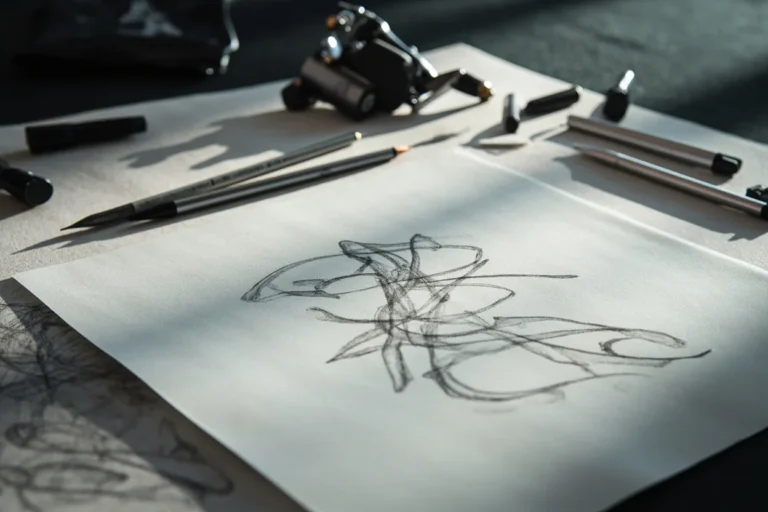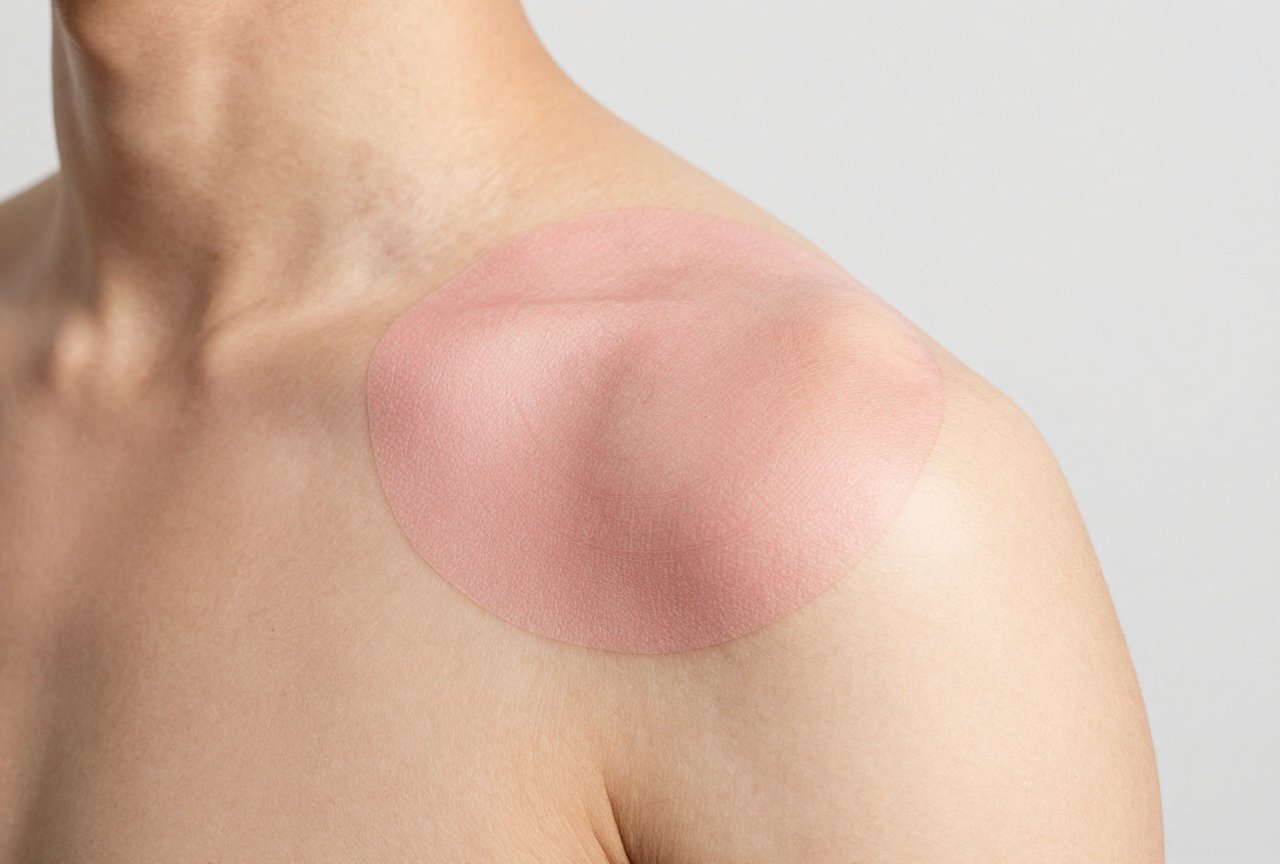
A stick and poke tattoo is exactly what it sounds like: a single needle, dipped in ink, pushed into skin by hand, no machine, no buzz, just you and the rhythm of dot-dot-dot. I’ve had clients walk into my shop with gorgeous hand-poked pieces they did at 3am with friends, and I’ve also seen infections that needed a doctor’s visit. The difference is preparation, supplies, and knowing when to stop. This guide covers how to do a stick and poke tattoo the right way, from setup to healing, based on what actually happens in working shops and what I’ve learned from fifteen years in the chair.
What You Actually Need
Skip the sewing needle and India ink from the craft drawer. That’s how you get scarring, blowout, or a trip to urgent care. Here’s what I tell friends who ask me to “just show them real quick” at a party, no, and here’s what to buy instead.
Needles and Ink
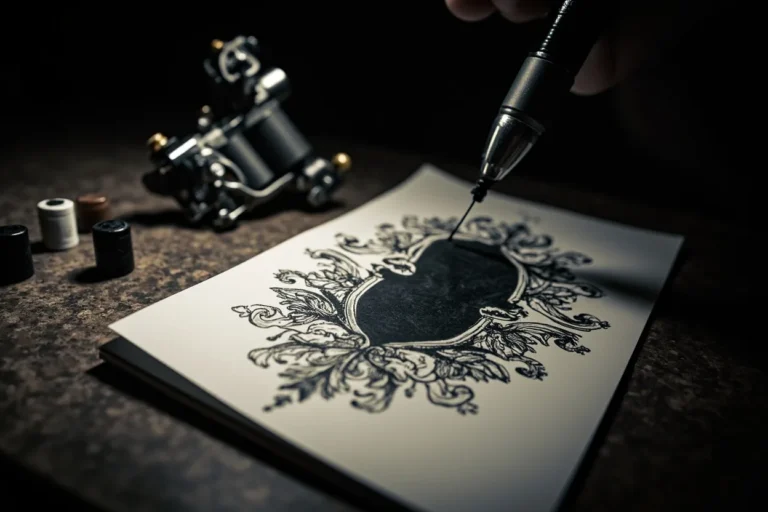
Use professional tattoo needles, not pins. A 3RL (round liner) or 5RL is forgiving for beginners. For ink, stick with brands like Dynamic, Intenze, or Kuro Sumi, actual tattoo pigment, not calligraphy ink or pen ink which can contain plastics and solvents. I keep small caps of ink in my shop specifically for hand-poke requests; one cap holds plenty for a small design.
Everything Else
- Disposable gloves (nitrile, not latex if you have allergies)
- Green soap or plain unscented soap and distilled water
- Petroleum jelly (thin layer to keep ink from wiping away)
- Stencil paper or a pen for drawing your design directly
- Bandages and plastic wrap for aftercare
- A clean, flat surface with good light
I’ve tattooed on kitchen tables, studio apartment floors, and once on a porch in New Orleans. The surface matters less than your lighting and your ability to not bump the needle mid-poke.
Setting Up Your Space
Wash everything. Then wash it again. I wipe down with green soap solution, then lay down a clean paper towel barrier. Your phone goes in another room, I’ve seen people poke, text, poke, text, and wonder why they got a staph infection.
Wash your hands with hot water and soap for a full thirty seconds. Put on gloves. Don’t touch your face, your drink, your cat. The needle touches three things: ink cap, skin, and your disposal container. That’s it.
Stretch your skin taut. This is the thing beginners mess up most. Loose skin wobbles, the needle goes too deep or skids shallow. Use your non-dominant hand to pull the area flat, fingers spread, skin tight like a drum. On a thigh, press your palm down and stretch with fingers. On an arm, use your thumb and index finger to pull in opposite directions.
The Poking Technique
Depth and Angle
You’re aiming for the upper dermis, about 1/16th of an inch, roughly the depth of a nickel’s edge. Too shallow and the ink falls out during healing. Too deep and you get blowout (ink spreading under skin like a bruise) or scarring. The angle matters: 45 to 90 degrees, needle entering perpendicular to the skin surface. I hold my needle like a pencil but looser, letting my wrist do the work.
Building Your Lines
Dot. Lift. Dot. Lift. Don’t drag. Each poke is a discrete deposit of ink. For a solid line, overlap your dots slightly, think of brick laying, not drawing. I count in my head: poke-one, poke-two, wipe, check. Wipe with a clean paper towel damp with green soap. You’ll see the line form slowly, gray at first, then settling to black as the skin calms.
Work in small sections. A 2-inch design might take two hours. Your hand cramps. Your neck hurts. That’s normal. Take breaks, shake it out, but don’t leave the needle sitting in open air where it collects dust and cat hair.
Design Choices That Actually Work
Stick and poke shines with simple, bold designs. Fine lines blur over time. Shading is possible but advanced, I’ve seen beautiful hand-poked gradients, but they took six hours and a steady hand most people don’t have at midnight.
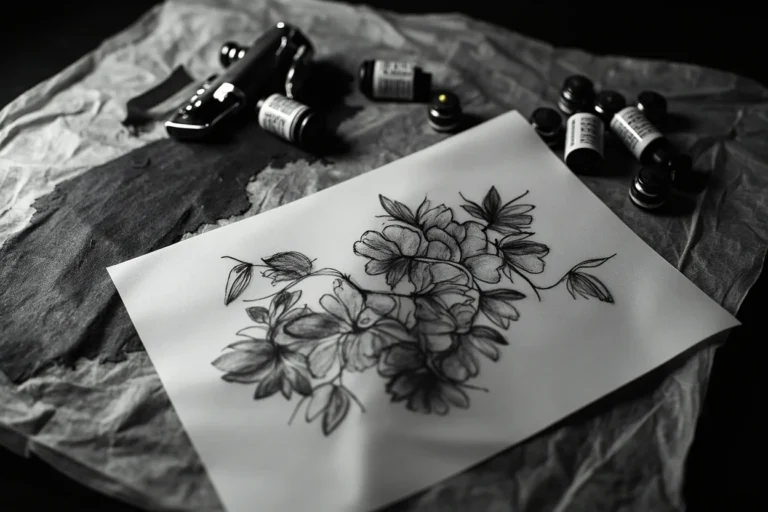
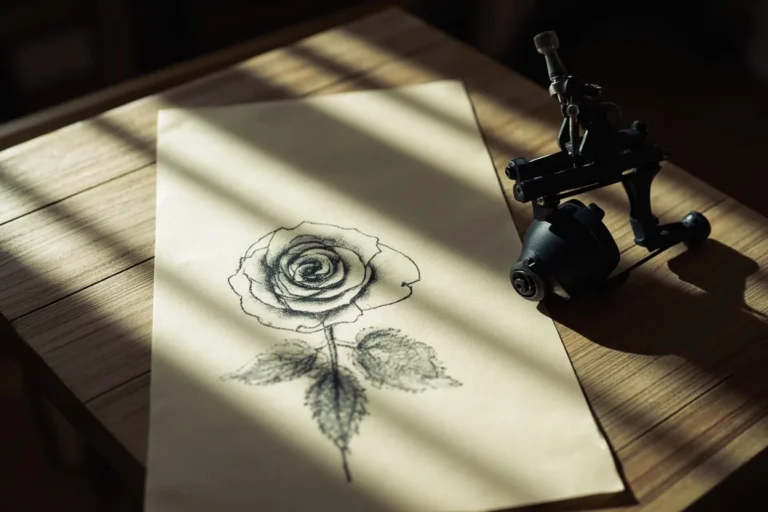
Best bets: small symbols, text (keep it chunky, no smaller than 1/4 inch high), constellation dots, simple botanical outlines. Avoid: portraits, color work, large solid fills, anything with thin connecting lines that will spread or fade unevenly.
Placement matters for healing. I did a stick and poke on my own ankle at nineteen and it took three weeks because socks rubbed it raw. Inner forearm, outer thigh, upper back, areas that don’t get constant friction heal cleaner. Fingers and hands look cool but fade fast; the skin there regenerates quickly and ink doesn’t hold well.
Aftercare That Actually Works
Here’s where I get pragmatic. Your stick and poke is an open wound. Treat it like one.
First 24 hours: wash gently with unscented soap and warm water, pat dry with clean paper towel, apply thin layer of petroleum jelly or unscented lotion. Don’t use Neosporin, some people react to it, and it can pull ink out. I keep Aquaphor in my shop for this reason.
Days 2-7: wash twice daily, moisturize when it feels tight. Don’t pick scabs. Don’t soak it, no baths, no swimming pools, no hot tubs. Showers are fine, but don’t let the water blast directly on it. I’ve seen people lose half a tattoo because they went surfing three days in.
It’ll itch. It’ll peel like a sunburn. That’s normal. Slap it lightly if you must, but don’t scratch. Loose clothing, clean bedding, and patience. Healing takes 2-4 weeks depending on size, placement, and your body’s own rhythm.
When to Stop and See a Pro
I’ve fixed enough home jobs to be honest: some people shouldn’t DIY. If the skin blows out white and puffy immediately, you’re going too deep. If you see red streaks radiating from the tattoo, or it stays hot and swollen past three days, that’s beyond aftercare, that’s a doctor.
Also: don’t tattoo drunk, don’t tattoo over moles or broken skin, don’t tattoo anyone who can’t legally consent. I’ve refused work in my shop for all these reasons, and you should refuse yourself at home too.
Some designs are just too ambitious. If you want a sleeve, a portrait of your dog, or anything with color saturation, save up and find a reputable shop. Stick and poke is beautiful in its limitations. Respect them.
Key Takeaways
- Use real tattoo needles and professional ink, no substitutes
- Stretch skin taut, poke perpendicular, dot and lift rather than dragging
- Keep your setup sterile and your focus sharp; distractions cause mistakes
- Choose simple, bold designs in low-friction placements
- Wash gently, moisturize thinly, and let it heal without picking or soaking
- Know when to quit: excessive swelling, spreading redness, or ambitious designs mean it’s time for a professional shop
Stick and poke has a place in tattoo history and in personal expression. Done carefully, it can be intimate and meaningful. Done carelessly, it’s a scar you didn’t plan for. I’ve watched both outcomes from my chair. The difference is almost always preparation and patience.
Frequently Asked Questions
Does a stick and poke hurt more than a machine tattoo?
It hurts differently, slower and more repetitive, like a sharp scratch that keeps coming. Machine work is faster and more of a burning vibration. Most people say stick and poke is less intense overall but the duration makes it feel longer.
How do I know if my stick and poke is infected?
Normal healing involves redness, mild swelling, and clear fluid for the first few days. If you see thick yellow or green pus, red streaks spreading outward, fever, or the area stays hot and swollen beyond 72 hours, see a medical professional promptly.
Can I use tattoo ink from Amazon or do I need to go to a shop?
Many reputable ink brands sell through verified retailers online, but check reviews carefully for authenticity. Counterfeit ink is common. If you have a local shop, buying there ensures fresh, properly stored pigment and supports working artists in your community.
Why did my stick and poke fade after healing?
You likely poked too shallow and the ink settled in the epidermis, which sheds completely. Or you picked scabs and pulled ink out with them. Wait a month for full healing, then a professional artist can touch it up properly if the design is worth keeping.
Related Tattoo Guides
- How to Get a Tattoo Removed: A Real Shop Guide
- How to Get Rid of a Fake Tattoo: A Real Guide
- How to Make Your Own Temporary Tattoo at Home
- Explore more