Getting a tattoo removed in the US typically runs between $200 and $500 per laser session, with most people needing 6 to 12 sessions spaced 6 to 8 weeks apart. That puts the total cost anywhere from $1,200 on the low end to $6,000 or more for large, complex pieces. I’ve sat next to clients in my chair who spent more removing a tattoo than they did getting it. The price depends on size, ink colors, your skin type, where you live, and who’s operating the laser. There’s no flat rate because no two tattoos, or bodies, are the same.
What Actually Drives the Price
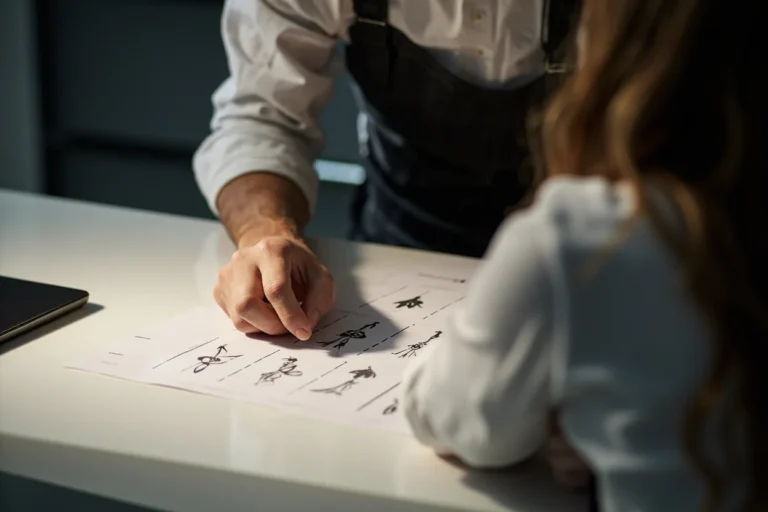
I’ve watched people walk into consults expecting a quick quote like they’re ordering a pizza. It doesn’t work that way. Laser removal pricing is built on several moving parts, and any honest technician will examine your tattoo before naming a number.
Size and Coverage Area
This one’s obvious but worth stating. A dime-sized heart behind the ear costs less than a full sleeve. Most shops price by square inch or use size categories: extra small, small, medium, large, extra large. A tiny black line tattoo might run $75-$150 per session. A dense half-sleeve with saturated color? You’re looking at $400-$600 per pass, easy. I’ve seen full back pieces quoted at $800+ per session.
Ink Color and Density
Black ink absorbs all laser wavelengths, so it breaks down fastest. Colors are trickier. Red responds to certain wavelengths. Blues and greens fight back. Yellow and white? Those are the stubborn ones. We see this a lot: someone comes in with a rainbow watercolor piece and expects it to vanish like a black tribal band. It won’t. Multi-color tattoos need different laser settings, sometimes different machines, which means more sessions and higher costs. Heavy saturation also means more passes per session to avoid blistering.
How Many Sessions You’ll Actually Need
This is where sticker shock lives. Most places quote per session because they can’t promise a total count. I’ve heard technicians tell clients to budget for ten sessions and celebrate if it takes six.
- Amateur or stick-and-poke tattoos: 3-5 sessions (ink sits shallow, less dense)
- Professional black linework: 6-8 sessions
- Professional color with shading: 8-12+ sessions
- Older tattoos (10+ years): Sometimes fewer, since fading has already started
- Cover-up tattoos: Often harder to remove due to layered ink
Your body does the actual work after the laser shatters the ink particles. Lymphatic system, liver, time. That’s why sessions are spaced out, rushing it damages skin without improving results. I tell clients to think in years, not months.
Where You Live Matters
Manhattan and San Francisco charge premium rates. I’ve seen $500+ per session in those markets for modest-sized pieces. Midwest cities might run $200-$350 for the same work. Rural areas sometimes have fewer qualified providers, which can mean travel costs or settling for someone less experienced. Shop around, but don’t bargain hunt with your skin. Bad laser work causes burns, scarring, and permanent pigment changes. I’ve seen it. A “deal” that scars you costs more than the premium option.
Who’s Operating the Laser
This affects both price and outcome. Dermatologists and plastic surgeons charge top dollar, $500-$1,000+ per session. Med spas with certified laser technicians run middle range. Dedicated tattoo removal clinics often have the most competitive pricing because it’s their sole focus. Ask about the specific laser: Q-switched Nd:YAG, PicoSure, PicoWay. Newer picosecond lasers cost more per session but often require fewer total treatments. An experienced tech will explain their equipment without you having to drag it out of them.
Consultation Fees and Package Deals
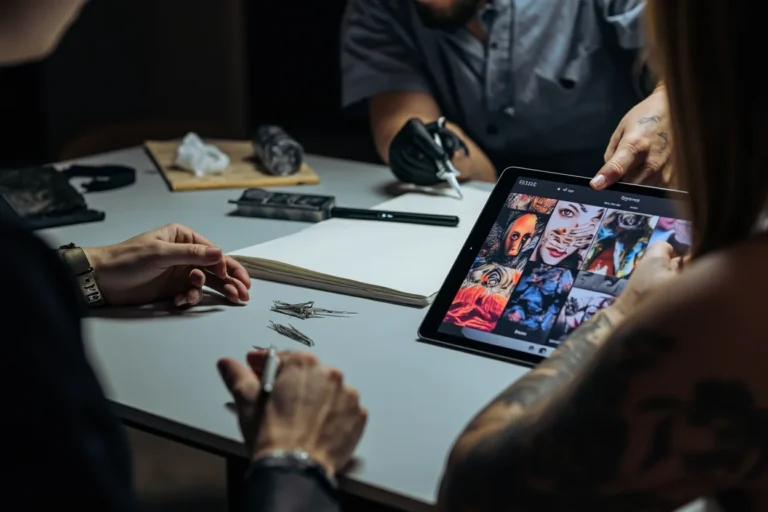
Some places charge $50-$100 for the initial consult, then credit it toward your first session. Others offer free consults. Package deals, paying upfront for 8 or 10 sessions, can save 15-25%. I usually tell people to start with one or two sessions before committing to a big package. You need to know how your skin responds, how the technician works, whether you can handle the pain and the healing schedule. Life happens. Don’t prepay for ten sessions if you might move jobs or cities.
The Hidden Costs Nobody Talks About
Price per session is just the headline. Budget for these too:
- Aftercare supplies: Silicone gel sheets, gentle cleanser, sunblock ($30-$80 total)
- Time off work: If the tattoo’s visible and you can’t cover it during the blistering phase
- Touch-up work: Sometimes a faded tattoo needs a cover-up tattoo afterward, which is its own cost
- Revision sessions: If the ink doesn’t fully clear, you might need “ghost” removal years later
I’ve tattooed over faded removal work plenty of times. The skin texture changes. It takes ink differently. Sometimes it’s smooth sailing. Sometimes I have to adjust my technique, go slower, work around scar tissue. Clients are surprised by this. They thought removal meant a blank canvas. It rarely is.
Pain and Healing Reality
People always ask if removal hurts worse than getting tattooed. In my chair, I’ve heard both answers. Most say it’s worse, like hot rubber bands snapping, or bacon grease hitting skin. The laser passes are quick, maybe 10-20 minutes, but intense. Numbing cream helps some. Ice helps. Afterward, the area blisters, scabs, itches like hell. You can’t pick it. Can’t soak it. Sun exposure is enemy number one during healing and between sessions. I’ve watched clients lose progress because they went to the beach between treatments. The tan alone can make the next session riskier.
Healing takes 1-2 weeks per session. The skin looks normal before it’s actually ready for the next round. Trust the timeline they give you, even if you feel fine.
Alternatives Worth Considering
Sometimes removal isn’t the right move. I’ve talked clients out of full removal when a good cover-up would serve them better, faster, and cheaper.
- Cover-up tattoo: $300-$2,000 depending on size, but one and done
- Saline removal: Less effective, more scarring risk, cheaper per session but often needs many
- Partial fading: 2-3 laser sessions to lighten enough for a cover-up, costs less than full removal
In my shop, we see this a lot. Someone wants an ex’s name gone yesterday. Full removal is two years and four grand. A skilled cover-up artist can bury that name under something beautiful in one session for $800. Not always an option, but always worth discussing.
Key Takeaways
Tattoo removal is a real investment of money, time, and discomfort. Budget $200-$500 per session and expect multiple sessions. Black ink removes easier than color. Your location and provider matter as much as the tattoo itself. Don’t rush between sessions, don’t skip sun protection, and don’t assume removal leaves perfect skin behind. Ask about package pricing after you’ve tested one session. Consider whether partial fading plus a cover-up might solve your problem faster and cheaper. Most importantly, find a provider who examines your tattoo, explains their laser, and sets realistic expectations, not someone who promises quick, cheap, painless miracles.
Frequently Asked Questions
Does tattoo removal leave scars?
It can, especially if the technician uses wrong settings or you don’t follow aftercare. Proper laser removal by an experienced provider usually avoids scarring, but skin texture often changes slightly. I’ve worked on skin post-removal that looked fine but felt different under my needle.
Can I get a new tattoo in the same spot after removal?
Yes, usually after the skin has fully healed and settled for several months. I tattoo over faded removal work regularly. The skin may take ink differently, and scarred areas need careful handling, so choose an artist experienced with cover-ups.
Why do I have to wait 6-8 weeks between sessions?
Your body needs time to flush the shattered ink particles through your lymphatic system. Rushing sessions doesn’t speed results and increases burn and blister risk. I’ve seen impatient clients damage their skin permanently by going too fast.
Is there any tattoo that can’t be removed?
Some colors resist laser breakdown, especially certain yellows, whites, and fluorescent inks. Very deep or scarred tattoos may never fully clear. A honest consultation should tell you what realistic endpoint looks like for your specific piece.
Related Tattoo Guides
- How to Get Tattoo Ink Out of Clothes: A Real Guide
- How to Spell Tattoo: A Tattoo Artist s Guide
- How to Take Off a Tattoo: A Real Guide to Removal Options
- Explore more