You should keep the plastic wrap on your new tattoo for 2 to 6 hours after leaving the shop. That’s it. Some artists send you home with it on; others wrap you mid-session and tell you to pull it off before bed. The exact timing depends on the piece size, placement, and what your specific artist used, Saniderm, Tegaderm, or old-school Saran Wrap. I’ve had clients sit in my chair for four-hour sleeves and peel off their wrap in the parking lot because they were “suffocating,” and I’ve had others keep cling film on for two days because they were terrified of infection. Both extremes cause problems. Let me break down what actually happens under that plastic, what your artist is really trying to do, and how to transition from wrapped to healing without messing up the line work you just paid for.
Why Artists Wrap Fresh Tattoos
That thin film isn’t decoration. It’s a barrier against bacteria, pet hair, loose clothing fibers, and your own grubby fingers during the most vulnerable window, those first hours when plasma and excess ink are still oozing. In my shop, we see this a lot: clients who think the wrap is “locking in moisture” like a face mask. It’s not. It’s buying time until you can properly wash the area with fragrance-free soap and let it breathe.
What Different Wraps Actually Do
Not all plastic is equal. Here’s what you’re probably walking out with:
- Cling wrap/Saran Wrap: Cheap, effective for short-term, but traps heat and sweat. I use this for smaller pieces or when I’m out of medical-grade film. It needs to come off within hours.
- Saniderm/Tegaderm: Breathable adhesive bandage that stays on 3-6 days. I’ve tattooed entire backs and sent clients home with this, no washing, no lotion, just leave it alone. The plasma forms a sealed environment underneath.
- Absorbent pads with tape: Common for heavy bleeders or color-packed areas. Usually swapped after a few hours.
Always ask your artist which system they’re using. I’ve had clients ruin Saniderm by peeling it early, thinking it was “just plastic wrap.”
The 2-6 Hour Window: What Happens Under There
Plasma, that clear, sticky fluid mixing with ink, is your tattoo’s first scab-in-progress. Under plastic, it stays wet. Leave it too long, and you create a petri dish. Bacteria love warm, damp, protein-rich environments. I’ve seen clients come back with macerated skin, white, soggy, fingerprint-prone, because they slept with Saran Wrap for twelve hours. The ink doesn’t settle right into compromised skin.
But pull it too early, and you’re exposing raw, open skin to everything. The first wash matters. I tell clients: unwrap in a clean bathroom, wash hands first, then the tattoo with lukewarm water and unscented soap. Pat dry with paper towel. Let it air out ten minutes before applying aftercare.
Signs It’s Time to Remove the Wrap
- Plasma has pooled heavily and the wrap is sliding
- You feel heat building up under the plastic (trapped sweat)
- It’s been 6+ hours and you don’t have medical-grade adhesive film
- The wrap has torn, leaked, or no longer adheres
Trust the timeline, but also trust what you feel. That trapped heat is real. Your skin needs to start its actual job: drying slightly and forming a protective layer.
After You Unwrap: The First 48 Hours
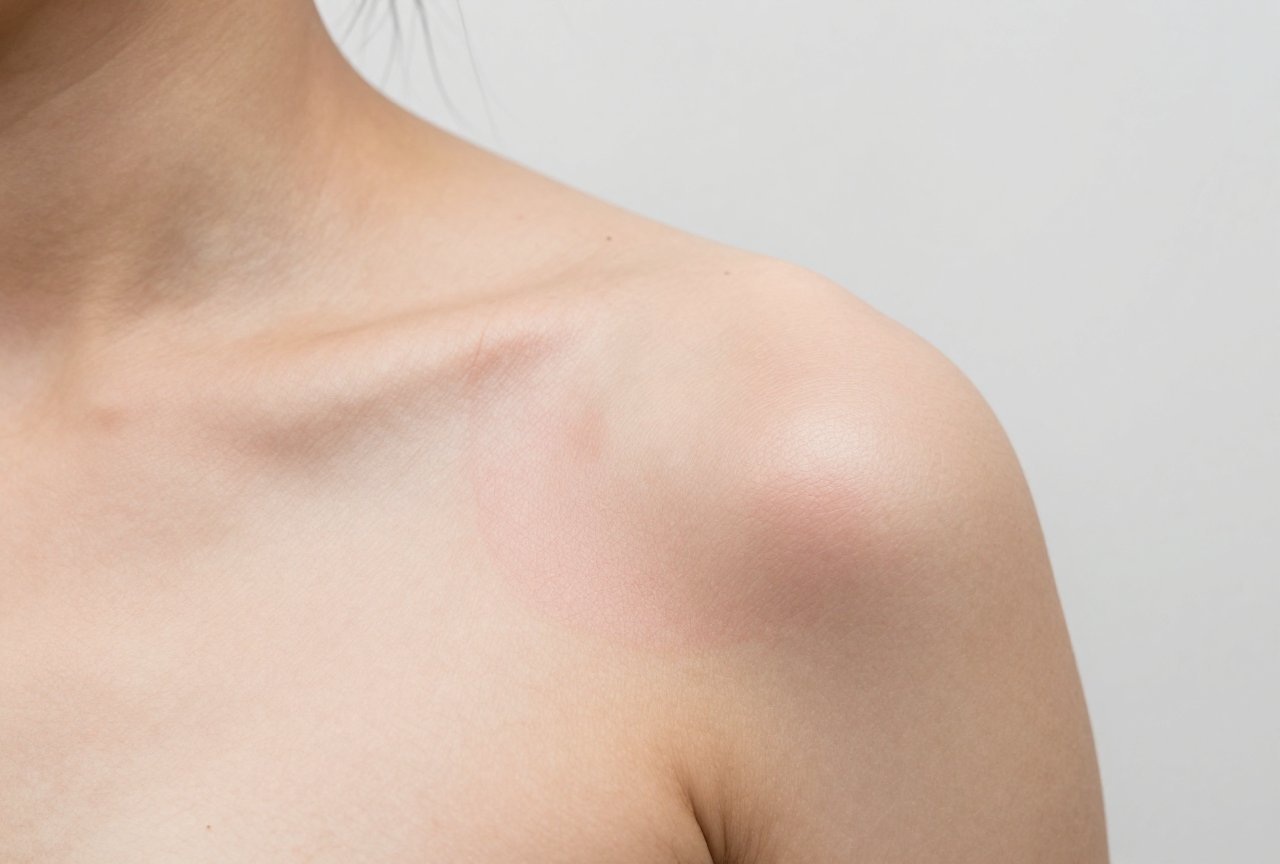
This is where most people panic. The tattoo looks angry. Red, shiny, maybe slightly swollen. That’s normal. I’ve had first-timers call me at midnight convinced their arm was rejecting ink. It’s not. It’s responding to being stabbed thousands of times with a needle.
Wash 2-3 times daily. Apply a thin layer of recommended aftercare, Aquaphor, hustle butter, or whatever your artist suggests. Thin. I demonstrate this in my chair: if you can see your fingerprint in the grease, it’s too much. Over-moisturizing breeds bacteria and causes ink to fall out in patches.
What Sleeping Looks Like
First night without wrap, sleep on clean sheets. Avoid direct contact, if it’s on your arm, sleep on your back. If it’s on your thigh, pillow between knees. I tattooed a rib piece last month; client woke up stuck to her tank top because she skipped the light moisturizer layer. Peeling fabric off fresh ink at 3 AM is not fun. She lost a small line detail.
Special Cases: When the Rules Bend
Not every tattoo follows the same timeline. Here’s where I adjust my advice:
- Large color work: Heavy saturation means more plasma. I might suggest an additional light wrap for the first night if the client works in a dirty environment.
- Hands, feet, inner lips: These spots heal differently. More friction, more bacteria exposure. Shorter wrap time, more frequent washing.
- Second skin adhesive: Leave Saniderm on 3-6 days unless it leaks. Don’t peel to “check.” I’ve watched clients lift edges to peek, then bacteria wicks under.
- Traveling after tattooing: Airplanes are dry and dirty. Keep wrap on until you reach your destination, then wash immediately.
Your artist knows your specific piece. A single needle fine line on your inner wrist heals nothing like a solid black tribal on your calf. Ask questions before you leave the shop.
What Can Go Wrong (And How to Avoid It)
I’ve fixed enough botched aftercare to know the patterns. Plastic wrap left too long causes moisture overload, ink blurs, lines soften, colors muddy. Plastic off too soon invites infection, though honestly, true infections are rarer than clients think. More common is irritation from dirty hands, scented lotions, or soaking in baths too early.
Swimming pools, hot tubs, ocean water: banned for two weeks minimum. I don’t care what your friend said about their “quick dip.” Chlorine and salt pull ink; bacteria in hot tubs colonize broken skin. I’ve seen beautiful work turn patchy because someone couldn’t skip beach weekend.
The Itching Phase
Days three through seven, it’ll itch. Badly. This means healing is working. Do not scratch. Do not slap it. I tell clients to tap surrounding skin or apply gentle pressure with clean palms. Some take antihistamines; check with your own comfort level there. Breaking the skin with fingernails restarts healing and risks scarring.
Long-Term Care That Actually Matters
After two weeks, the surface looks healed. It’s not. The deeper dermis is still settling ink for 4-6 weeks. Continue moisturizing lightly. Keep sun off it, UV degrades pigment fast. I’ve seen black lines turn blue-gray within a summer because clients skipped sunscreen. That “free touch-up” some shops offer? Often needed because of sun damage, not artist error.
Moisturize for life. Healthy skin holds ink better. Dry, cracked, sun-damaged skin makes tattoos look aged before their time. It’s not complicated. Treat it like skin you care about, because now it’s skin with permanent art embedded in it.
Key Takeaways
Keep plastic wrap on 2-6 hours unless your artist applied medical-grade adhesive film like Saniderm, which stays 3-6 days. Wash immediately after removal with unscented soap and lukewarm water. Moisturize thinly, frequently, but never drown the skin. No soaking, no sun, no picking. Healing timeline varies by placement, size, and your own body, but the principles stay consistent: clean, dry, protected, patient. The wrap is a temporary bridge, not a destination. Your tattoo’s long-term look depends more on weeks two through six than on those first few hours, but those first hours set the foundation. I’ve watched fifteen years of ink settle into skin. The clients who follow simple aftercare religiously are the ones whose tattoos still look sharp a decade later. The ones who improvised? They’re in my chair for cover-ups, wondering where the detail went.
Frequently Asked Questions
Can I shower with the plastic wrap still on?
Quick showers are fine with cling wrap, but keep it brief and don’t let hot water stream directly on it. Peel it off afterward, wash the tattoo, and let it breathe. Never bathe or soak with wrap on.
What if my tattoo sticks to the inside of the wrap?
That’s dried plasma and ink, normal. Don’t yank it off. Rinse under lukewarm water while gently peeling the plastic away. The water loosens adhesion without tearing healing skin.
Is it okay to re-wrap my tattoo at night?
Generally no for cling wrap; your skin needs air. If you’re worried about bedding, wear clean, loose cotton clothing. Only re-wrap if your artist specifically advised it for your work environment.
How do I know if my artist used Saniderm versus regular plastic?
Saniderm is clear adhesive film that clings tightly and feels like a second skin, it won’t shift or crinkle like kitchen wrap. If unsure, text or call your shop. Don’t guess and peel early.
Related Tattoo Guides
- How Long to Keep a New Tattoo Out of the Sun
- How Long to Leave Tegaderm on a New Tattoo: Artist s Guide
- How Long Until a Tattoo Heals: A Real Shop Timeline
- Explore more