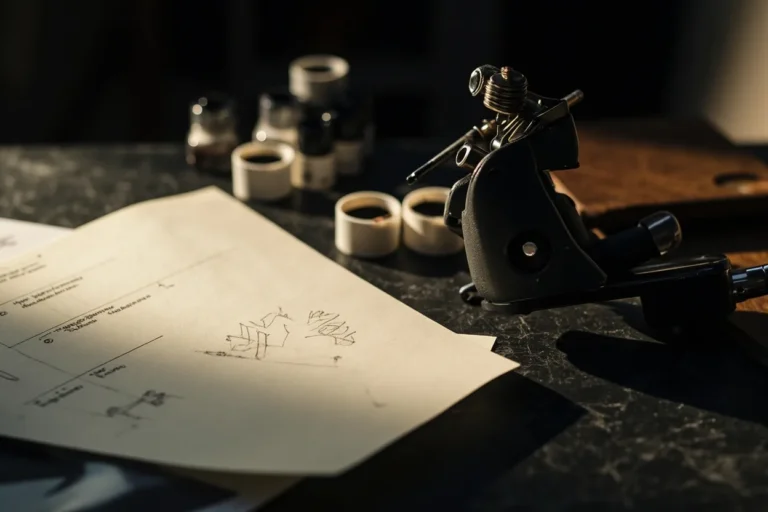
Getting a Costa Rica tattoo while you’re traveling or living there can be an incredible experience, I’ve had clients come back with beautiful work from San José shops, and I’ve also seen some rough stuff walk into my chair six months later needing serious help. The scene down there is legit, with talented artists working in surf towns and the capital, but it’s different from walking into a shop in Portland or Austin. You need to know what you’re walking into, how to spot a solid shop, and how to protect your fresh ink from the jungle sun and salt water that make Costa Rica magical but absolutely brutal on healing tattoos.
Finding the Right Shop
Costa Rica’s tattoo scene has exploded in the last decade. San José has the highest concentration of established shops, but you’ll find artists in Tamarindo, Santa Teresa, Puerto Viejo, and Jacó too. The quality varies wildly, which is true anywhere, but the tourist economy down there means some shops operate more like souvenir stands than serious studios.
Red Flags vs. Green Lights
I’ve fixed enough tropical vacation tattoos to know the warning signs. Walk away if you see:
- Open floor plans with no private stations, sterility matters
- Artists who pressure you to book “right now” or offer same-day complex pieces
- Portfolio photos that all look filtered or stolen (reverse image search exists)
- No autoclave visible, no barrier films on machines, artists working without gloves
- Prices that seem too low for the detail you’re requesting
Good shops feel like good shops anywhere. The artist asks about your skin type, your travel schedule, where you’re staying. They want to know if you’re flying home in three days because that changes everything about how they approach your piece and aftercare instructions. I’ve had Costa Rican artists message me directly to coordinate care handoffs for mutual clients, that’s the community you want to tap into.
Language and Communication
Many top artists in Costa Rica speak excellent English, especially in tourist areas. But tattoo terminology doesn’t always translate cleanly. I’ve seen “shading” become “shadow” and “fine line” become “thin line” in ways that caused real disappointment. Bring reference photos. Draw what you mean. If you’re getting script, triple-check spelling in both languages. Some of my favorite cover-up stories started with a Spanish phrase that conjugated a verb wrong.
What the Sun and Water Do to Fresh Ink
This is the part that separates Costa Rica tattoo aftercare from anywhere else I’ve worked. That equatorial sun is no joke. UV hits harder, and you’re probably spending more time outside than you do at home. Salt water, pool chlorine, and river bacteria all present different risks during healing.
The First Two Weeks
Fresh tattoos in tropical humidity heal differently. They can stay “wet” longer, which sounds good but actually increases risk of issues if you’re not careful. You’ll sweat more. Your clothes stick. Sand gets everywhere. I tell clients heading to Costa Rica: if you can’t commit to keeping it completely out of the ocean for two full weeks, wait until after your surf trip. I’ve seen beautiful linework turn into blown-out messes because someone couldn’t resist “just one quick dip” on day five.
Covering works, but heat buildup under occlusion is real. Loose, breathable UV-protective clothing beats tight bandages in that climate. Reapply fragrance-free sunscreen around (not on) the healing area if you’re outside. The skin nearby burns, peels, and that affects the tattoo border.
Long-Term Fading Reality
Color tattoos in Costa Rica face accelerated fading from sun exposure. I’ve touched up work that looked five years old after eighteen months because the client lived beachside and didn’t develop a sunblock habit. Black and grey holds better, but even solid black lines grey out faster with constant UV bombardment. This isn’t unique to Costa Rica, it’s physics, but the intensity there demands respect.
Pricing and What to Expect
Shop minimums in San José run roughly $60-100 USD equivalent, with hourly rates from $80-150 for established artists. Tourist towns charge more, sometimes significantly. The best artists book weeks out, even in slower seasons. Walk-in availability exists but favors small, simple pieces.
I always tell travelers: budget for the tattoo, not the vacation story. The artist who can take you today because they’re slow might be slow for a reason. A $400 piece that lasts beats a $150 piece that needs $600 in fixes. Payment methods vary, some shops take cards, many prefer cash, some quote in colones, some in USD. Clarify before you sit down.
Pain, Placement, and Practical Travel Concerns
Your Costa Rica tattoo hurts exactly as much as it would anywhere else, but context changes everything. You’re probably more relaxed, maybe you’ve had a few beers (don’t, alcohol thins blood and most reputable shops won’t tattoo you visibly intoxicated anyway). The heat and humidity can make you more sensitive. Dehydration from travel makes skin less cooperative.
Placement Considerations for Travelers
- Foot and ankle pieces: gorgeous, but you’re walking on sand, in flip-flops, possibly hiking. Healing is miserable. I talked a client out of a foot piece two days before a Monteverde cloud forest trek. She thanked me later.
- Ribs and torso: hard to keep clean in humid conditions, awkward to cover without overheating
- Upper arm, outer thigh, calf: most travel-friendly. Easy to cover, less movement friction, simple to keep dry
- Back pieces: you’ll need help with aftercare application, and sleeping on your stomach in hostel bunks is its own challenge
Consider your flight home too. Fresh tattoos swell. Plane cabins are pressurized and dry. I’ve had clients fly with fresh work on their calves and describe the swelling as “my leg became a sausage.” Not dangerous, but uncomfortable. Give yourself 48-72 hours between session and flight if possible.
Aftercare: What Actually Works There
Most good Costa Rica shops provide aftercare instructions, sometimes with local products. The fundamentals don’t change: gentle washing, thin moisturizer, don’t pick, keep it clean. But product availability differs.
I’ve had clients struggle to find their usual unscented lotion and resort to whatever the mini-mart sells. Coconut oil is everywhere and works fine for many people, but some skin types react. Pure shea butter, available in markets, is decent if unrefined. When in doubt, ask your artist what they recommend locally and buy it before you leave the shop.
The biggest mistake I see: over-moisturizing in humidity. In dry climates, people under-moisturize. In Costa Rica, clients slather on product and trap moisture against skin that’s already not drying out. Thin layers, more frequent washing if you’re sweating heavily. Listen to your artist’s specific guidance for that climate.
Key Takeaways
Costa Rica has genuine tattoo talent worth traveling for, but the environment demands more planning than getting work done at your neighborhood shop. Research artists like you would at home, portfolio, hygiene practices, reviews from healed work. Book in advance if you want someone established. Protect your fresh ink from sun and water with the discipline you’d apply to any serious healing process. Budget realistically, communicate clearly across any language gap, and choose placement that fits your actual trip, not just your aesthetic vision. A Costa Rica tattoo can be a beautiful, lasting piece of your travel story, but only if you treat the process with the respect it deserves.
Frequently Asked Questions
Can I swim in the ocean with a new tattoo if I just got it in Costa Rica?
No, you need to wait at least two weeks before submerging a fresh tattoo in ocean water. Salt, bacteria, and sand can cause serious problems with healing work, and the tropical environment makes complications more likely if you rush it.
Do Costa Rica tattoo artists use the same safety standards as US shops?
The best shops do, but standards vary. Look for autoclave sterilization, new needles opened in front of you, barrier films on equipment, and artists wearing gloves. Don’t assume, verify before you book.
Should I tip my tattoo artist in Costa Rica?
Tipping isn’t always expected the way it is in US shops, but it’s appreciated for good work. Fifteen to twenty percent is generous if you’re happy with the piece and the experience. Ask locally if you’re unsure about customs.
Is it cheaper to get tattooed in Costa Rica than in the States?
Sometimes slightly, but not dramatically for quality work. Tourist-area shops often charge comparable rates to US cities. The real savings come from lower cost of living, not lower artist skill, the best artists price themselves accordingly.
Related Tattoo Guides
- Where It Hurts Less to Get a Tattoo: A Real Shop Guide
- Will Tattoo Removal Leave a Scar? What to Actually Expect
- Andres Acosta: Tattoo Artist Profile Style Guide
- Explore more