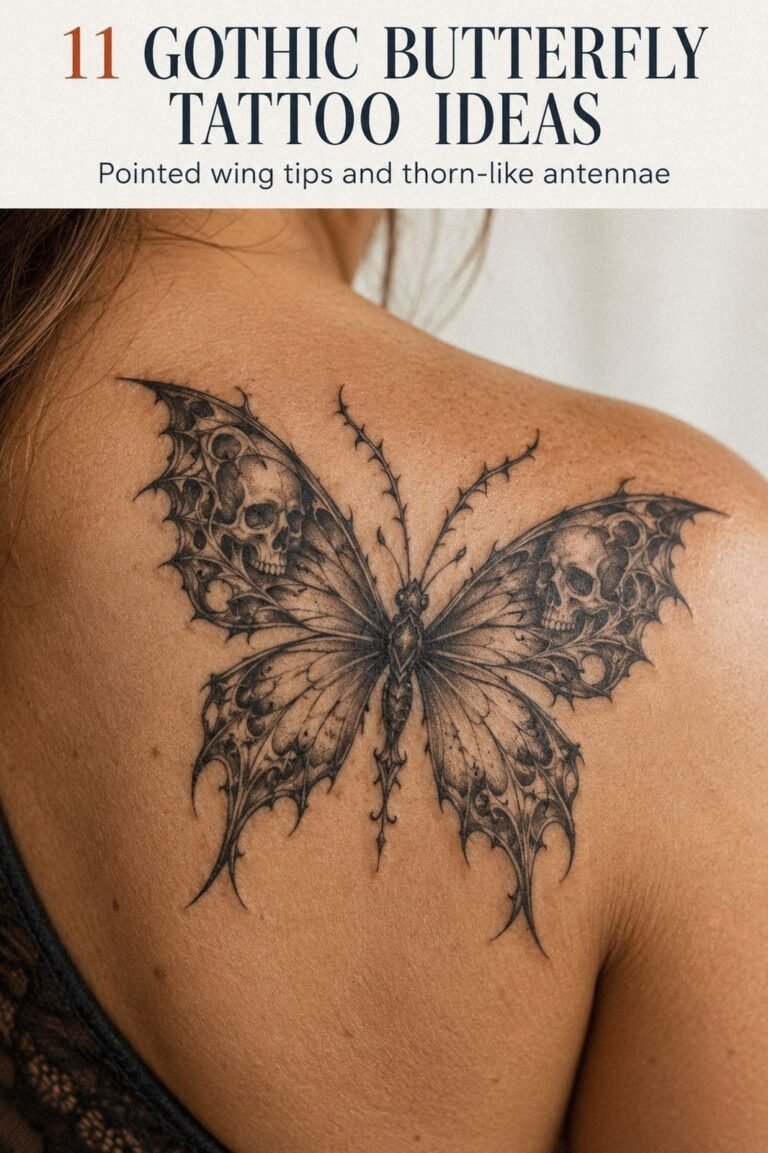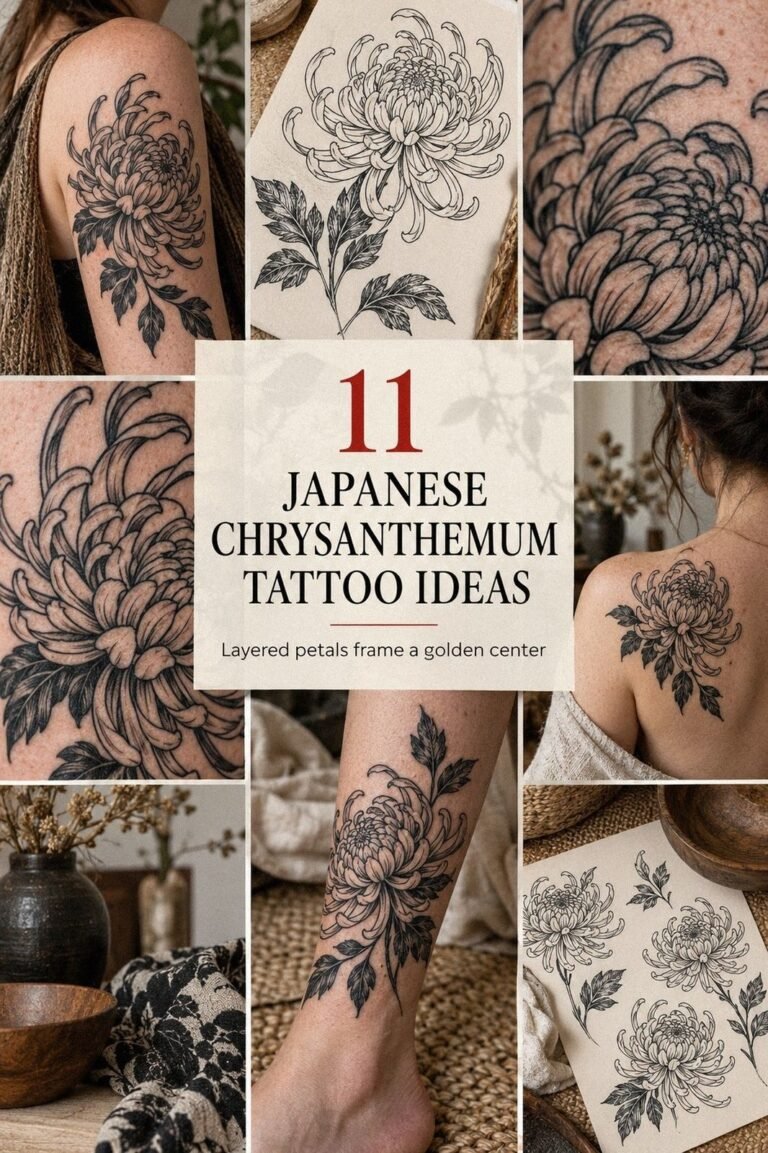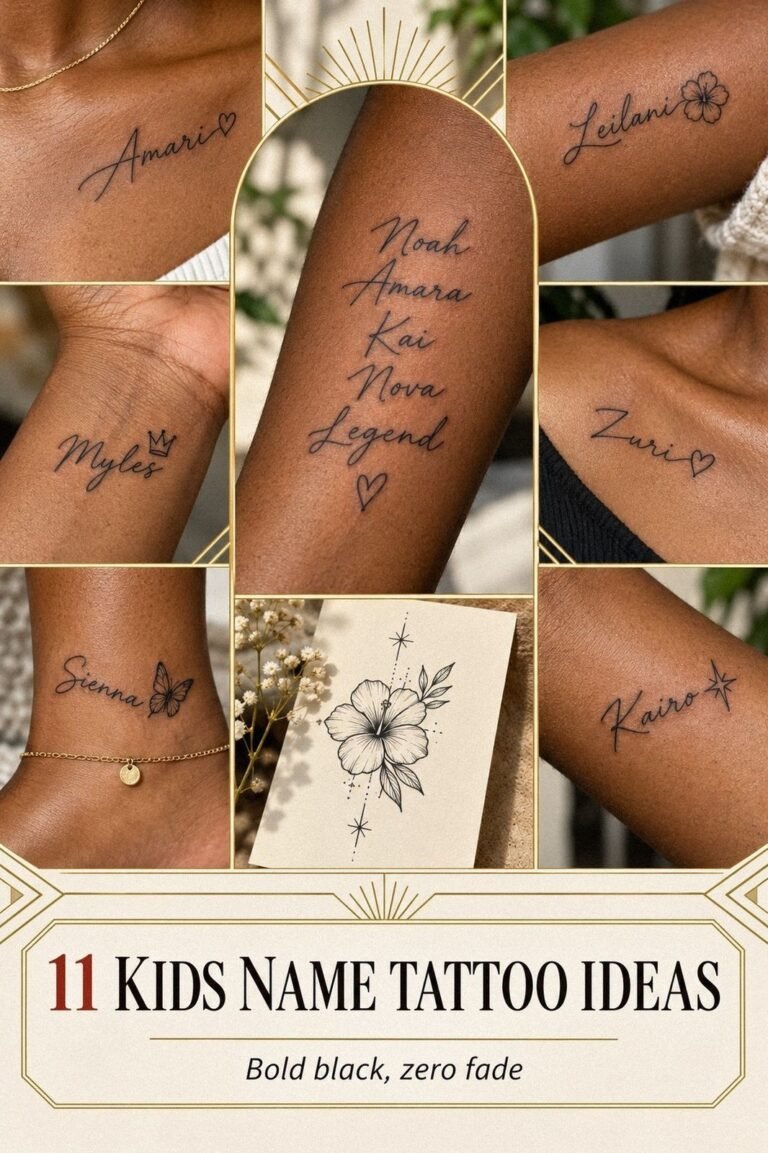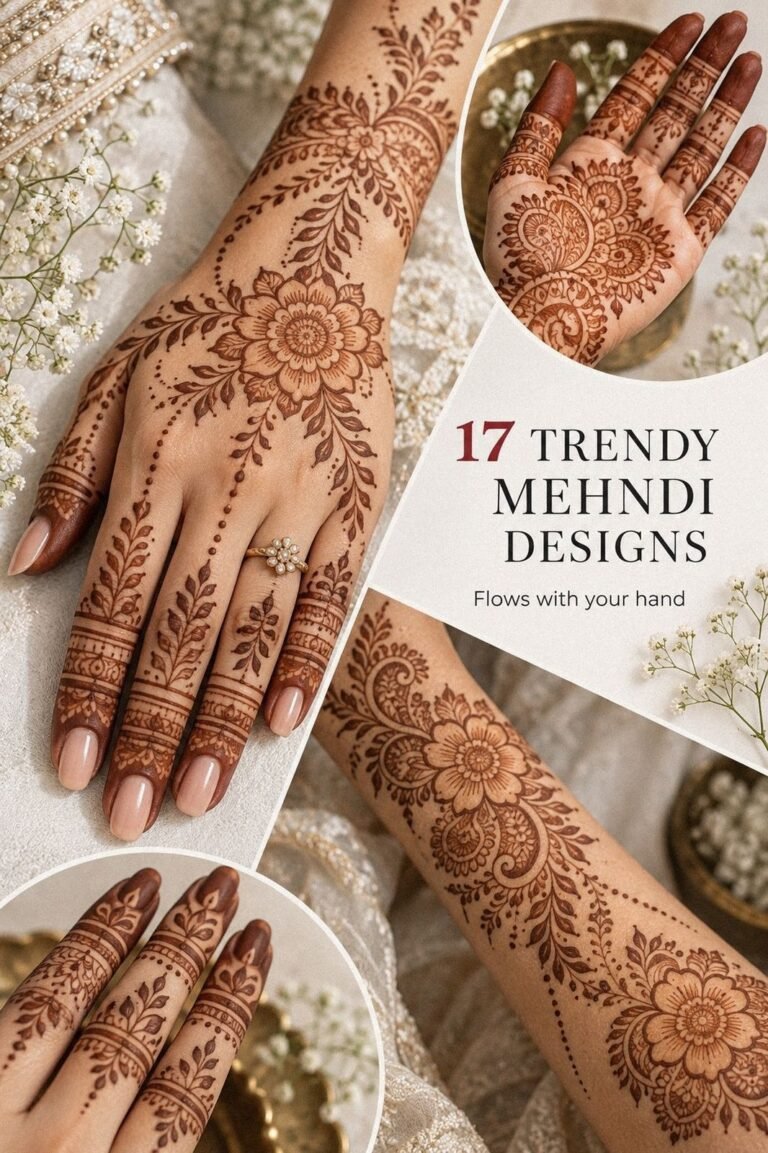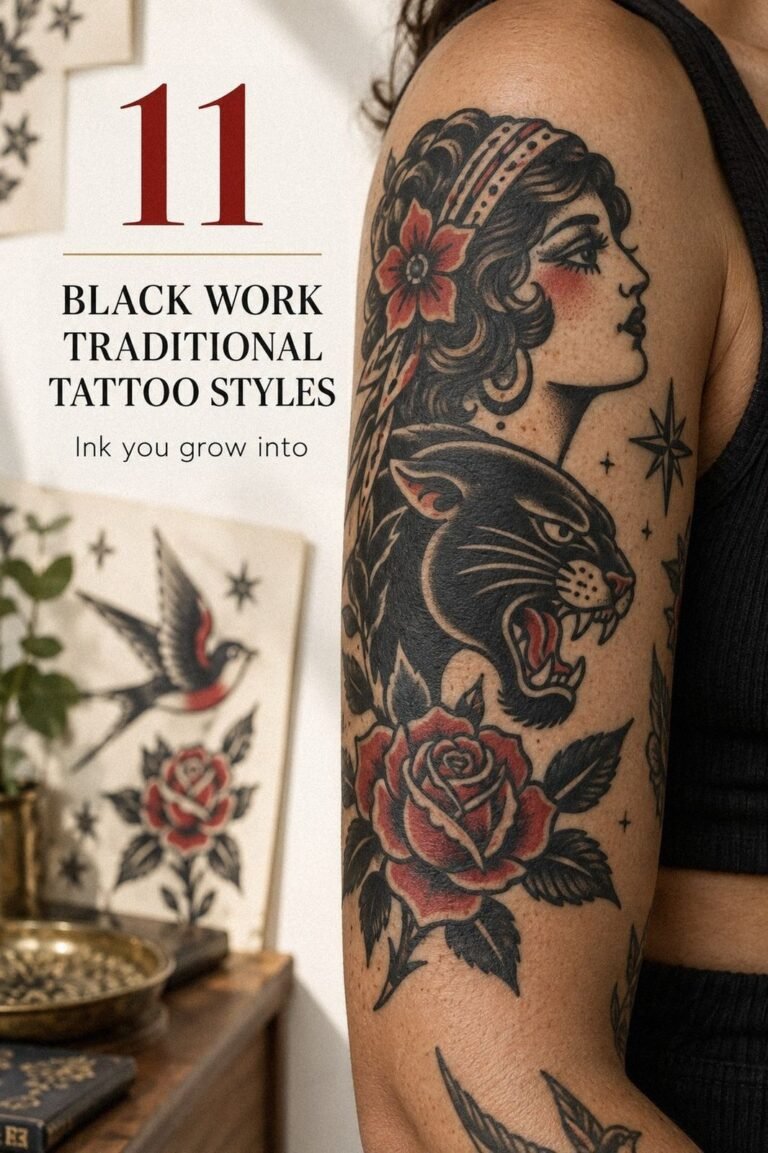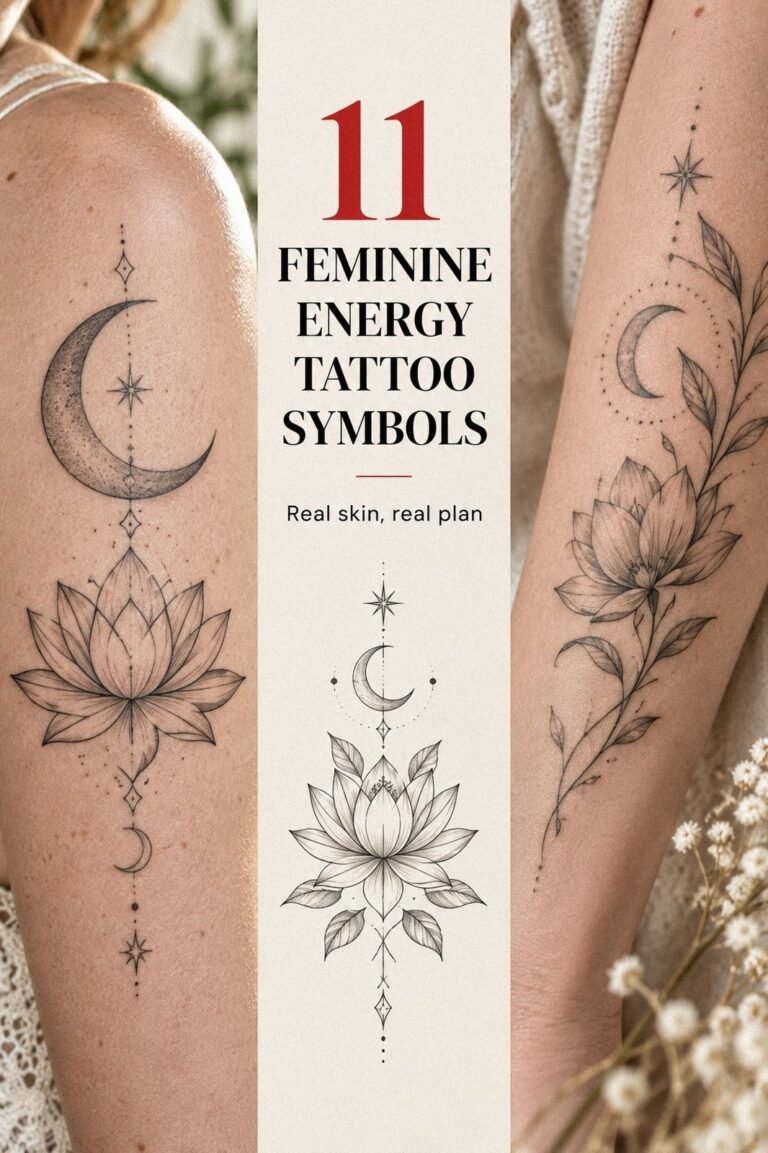
People walk into my shop every week asking for something “pretty.” I love that word. It’s vague as hell, but it tells me what they actually want: something that feels feminine, balanced, and easy to live with. Not aggressive. Not trendy in that exhausting way. Just… pretty. Over the years, I’ve tattooed hundreds of these pieces, and I’ve learned what actually stays pretty versus what looks dated before the first summer ends. Let me break it down for you.
Popular Styles That Stay Pretty
Some styles just naturally read as pretty. Others try too hard. Here’s what I actually do in my chair when someone wants that softer aesthetic.
Botanical and Floral Work
Flowers are the obvious choice, but the execution matters more than the subject. Fine line single-needle roses look delicate fresh, but I’ve seen them blow out into gray smudges after five years. I usually steer clients toward slightly bolder linework with strategic negative space. Peonies age better than roses. Cherry blossoms are gorgeous but fade fast on high-movement areas. I did a wildflower bunch on a client’s ribs last month, varied line weights, some stippled shading, no solid black pools. That’s the sweet spot.
- Peonies and wildflowers: better aging than tight roses
- Leave breathing room between petals
- Mix line weights for depth without heaviness
Ornamental and Decorative Pieces
Lace patterns, mandala-inspired work, and jewelry-style designs can be stunning. The trick is placement. I see too many ornamental pieces crammed onto wrists where they distort with every movement. I did a decorative cuff on a forearm last year that flows with the muscle structure, that’s where ornamental work shines. It follows the body instead of fighting it.
Design Ideas Beyond the Obvious
“Pretty” doesn’t have to mean flowers and butterflies. Some of my favorite pieces in this category subvert expectations.
Animals rendered softly do beautifully. I’ve tattooed a sleeping fox curled into a crescent shape, all soft grays and dotwork. No hard outlines. A deer with antlers that turned into flowering branches, that piece healed beautifully because we kept the values gentle. Constellation maps with connecting lines so thin they’re barely there. Moths instead of butterflies, because moths have more interesting wing shapes and less cultural baggage.
- Soft-rendered animals: foxes, deer, rabbits, moths
- Celestial maps with whisper-thin connecting lines
- Abstract shapes that suggest natural forms
- Handwritten text with intentional imperfection
One of my regulars has a piece I love: a broken ceramic vase with wildflowers growing from the cracks. No black outline at all. Just gray wash and subtle color. That’s the kind of pretty that stops people in their tracks.
Best Placements for Pretty Work
Where you put it changes everything. I’ve watched gorgeous designs die on bad placements, and simple designs sing on perfect ones.
Areas That Age Gracefully
The upper outer arm, back of the shoulder, and outer thigh are my go-to recommendations for pretty pieces. Skin stays relatively stable there. Sun exposure is manageable. The canvas is flat enough that delicate details don’t distort. I did a fine line lavender sprig on a client’s outer upper arm two years ago, still crisp, still lovely. Same style on her inner wrist? Would be a blur by now.
High-Risk Pretty Zones
Inner wrists, fingers, sides of the feet, and anywhere with constant friction or sun. I don’t refuse these spots, but I have real conversations first. That tiny behind-the-ear tattoo looks fresh for maybe eighteen months. Then it’s a gray suggestion of what it was. If pretty is the goal, I want you to still feel that way at year five.
- Upper outer arm: stable, sun-protectable, flat
- Back of shoulder: minimal movement distortion
- Outer thigh: large canvas, low sun exposure
- Ribs: beautiful but painful; plan for touch-ups
- Inner wrist: accept that you’ll need refreshing
Color Choices That Stay Soft
Black and gray can absolutely be pretty. I do a lot of soft gray wash pieces that feel like pencil drawings on skin. But color has its place too.
Pastels are having a moment, and I’m conflicted about them. Fresh, they look like watercolor dreams. Healed, they can look like faded bruises. The pigments just aren’t as stable. If you want pastel, I push toward slightly deeper versions: dusty rose instead of baby pink, sage instead of mint, terracotta instead of peach. These read as soft and pretty but have enough pigment load to stick around.
My favorite pretty palette right now is muted earth tones with strategic black accents. Think: warm sepia botanicals, ochre and cream moths, olive green ferns with just enough black to define edges. It feels vintage and feminine without being fragile.
- Dusty rose over baby pink
- Sage and olive over mint
- Warm sepia and ochre as anchors
- Strategic black only where structure needs it
Tips for Choosing Your Pretty Piece
After all these years, the consultations that go best have a few things in common.
Bring References, Not Blueprints
I want to see what “pretty” means to you. Pinterest boards, Instagram saves, even fabric swatches or book illustrations. But I need room to adapt. Your body isn’t a flat screen. What works on paper might need curve, flow, or simplification to work on skin. The best clients come with vision and trust.
Think About Your Real Life
I ask this directly: “Do you garden? Do you swim? What’s your sunscreen situation?” A pretty tattoo on a gardener’s forearm is going to live a harder life than one under a sleeve. Be honest about your habits. I can design for reality, but only if you tell me what reality is.
- Collect visual references that share a feeling, not just a subject
- Trust your artist to adapt for your specific body
- Be honest about sun exposure and lifestyle
- Plan for the healed version, not just the fresh photo
- Consider how the piece flows with existing or planned tattoos
Final Thoughts
Pretty is a valid goal. I get tired of tattoo culture acting like only dark, aggressive, or deeply symbolic work is serious. Beauty is serious. Living with something that makes you feel softer in your own skin matters. I’ve watched clients cry happy tears over a pretty collarbone piece that finally felt like their body matched their spirit. That’s real.
Just remember: pretty on day one and pretty on year ten are different challenges. The best pretty tattoos have enough structure to hold their shape, enough breathing room to age without muddling, and enough personal meaning that you don’t get bored. Work with an artist who understands all three. Bring your vision. Trust the process. And wear sunscreen like it’s your religion.
Frequently Asked Questions
Do pretty tattoos hurt more than bold traditional ones?
Pain depends on placement and your personal sensitivity, not style. Fine line work sometimes takes longer because it’s meticulous, which can mean more cumulative discomfort. I tell clients to expect the same pain level but potentially longer sessions for detailed pretty pieces.
Can I get a pretty tattoo if I have darker skin?
Absolutely. Pretty isn’t limited to pale skin. I adjust contrast and color choices for each client’s specific undertones. Deep skin can carry gorgeous warm earth tones, rich jewel colors, and striking black and gray work with the right approach.
How do I keep my pretty tattoo from fading to a gray blob?
Sunscreen is everything. I mean daily SPF 50 on the area, reapplying if you’re outside for hours. Pretty tattoos often rely on subtle gradations that disappear faster than heavy black traditional work. Touch-ups every few years help too.
Will a pretty tattoo limit me professionally?
That depends on your field, not the tattoo style. Pretty pieces are often easier to cover if needed, softer imagery draws less aggressive attention than bold traditional or horror work. Placement matters more than aesthetic for professional concerns.
More Tattoo Ideas
- Easy Pakistani Mehndi Designs That Stay Clean on Skin
- Tennessee Tattoo Ideas for Locals and Transplants
- Xxxtentacion Tattoo Ideas: Real Shop Guidance
- Explore more