How to Make a Homemade Tattoo: A Realistic Guide
Homemade tattoos occupy a complicated space in body art culture. Some view them as rites of passage, others as regrettable mistakes, and a growing number approach them as legitimate folk practice. Whatever draws you here, understanding the full picture matters more than any romanticized notion of kitchen-table artistry. This guide examines what homemade tattooing actually involves, where it sits within broader tattoo history, and how to think about safety, technique, and meaning if you proceed.
History & Cultural Roots
Hand-poked tattoos predate electric machines by millennia. Across Polynesia, Japan, the Philippines, and indigenous communities throughout the Americas, bone or wooden tools tapped pigment into skin without any mechanical assistance. These practices carried profound social weight, marking status, achievement, spiritual protection, or group belonging.
Prison and street tattooing emerged more recently as parallel traditions. Incarcerated artists built machines from guitar strings, motors from tape players, and ink from melted checkers or pen ink. These constraints produced remarkable ingenuity and distinct regional styles. Russian nakolki, Chicano black-and-grey, and various European prison traditions each developed visual vocabularies that eventually influenced mainstream tattooing.
The Hand-Poke Revival
Since roughly 2010, a deliberate return to hand-poking has gained traction among artists rejecting machine efficiency in favor of slower, more meditative processes. Practitioners like those in the Stick and Poke Tattoo community have professionalized the technique, using sterile needles, quality pigments, and disposable supplies. This represents a significant departure from improvised methods, though the fundamental action, skin puncture by hand, remains unchanged.
Personal & Modern Meanings
Homemade tattoos frequently carry meanings that differ from studio work. The process itself becomes part of the significance: the time invested, the discomfort endured, the intimacy of giving or receiving marks from someone trusted. For some, this constitutes anti-capitalist practice, rejecting the commercialization of body modification. Others find the slowness therapeutic, each dot a moment of focused attention.
- Commemorative marks for personal milestones, often kept small and hidden
- Group bonding rituals among friends, sometimes with mixed artistic results
- Political or philosophical statements about authenticity, anti-consumerism, or bodily autonomy
- Artistic experimentation by emerging tattooers building portfolios before formal apprenticeship
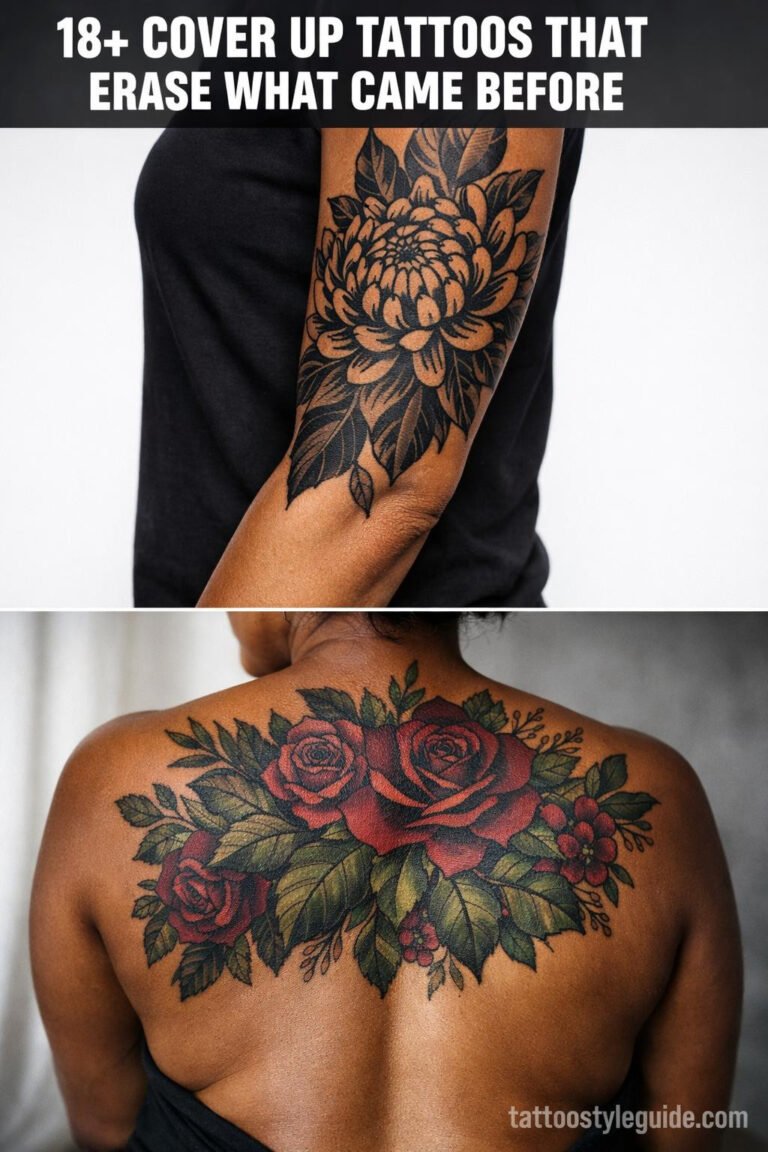
However, the meaning-making cuts both ways. Poorly executed homemade pieces often become sources of shame rather than pride, requiring costly and painful removal or cover-up. The romantic narrative of DIY authenticity sometimes obscures this reality.
Religious & Spiritual Angles
Traditional hand-poking often linked to spiritual purposes persists in several contexts. Some Hindu practitioners receive tilak-inspired markings or devotional names through hand methods. Certain Buddhist traditions in Southeast Asia use long needles for sak yant or similar protective tattoos, with accompanying prayers and blessings. These practices maintain formal structures, trained practitioners, and specific ritual protocols that differ substantially from improvised home tattooing.
Contemporary Spiritual Approaches
Modern spiritual tattooers sometimes adopt hand-poking specifically for its perceived groundedness. The rhythm of needle entering skin, repeated hundreds or thousands of times, creates trance-like states for both artist and recipient. Some frame this as energy work, intention-setting, or collaborative meditation. Whether this constitutes genuine spiritual practice or aestheticized ritual depends largely on the sincerity and training of those involved.
Best Placements
Hand-poked tattoos heal differently than machine work. The puncture tends to be less aggressive, but consistency varies enormously with practitioner skill. Placement choices should account for these technical realities.
- Fleshier areas (upper arm, thigh, calf): More forgiving of uneven depth and easier to stretch skin for consistent poking
- Avoid joints and high-movement zones initially: Wrists, fingers, elbows, and knees present stretching challenges and faster fading
- Consider visibility and professional consequences: Homemade tattoos carry stigma in many hiring contexts; hidden placement preserves options
- Small scales suit the technique: Large fills and solid black areas prove exhausting and technically demanding by hand
Finger and hand tattoos, despite their popularity in social media depictions of homemade work, present particular problems. These areas shed ink rapidly even from professional machines; hand-poked versions often blur or disappear within months, sometimes leaving uneven ghosting.
Color vs Black and Grey
Black ink dominates homemade tattooing for practical reasons. Carbon-based blacks, including some traditional formulations, remain the most lightfast and stable pigments available. They require fewer passes to achieve visibility, reducing overall skin trauma.
Color work introduces substantial complications. Many bright pigments contain heavier metal compounds that settle unpredictably in hand-poked application. Yellows and light greens often disappear entirely. Reds sometimes trigger more frequent inflammatory responses. Professional-grade color inks exist, but sourcing them requires navigating supply restrictions designed to prevent exactly this kind of amateur use.
Stick-and-poke artists working professionally typically limit palettes to black, occasional red, and sometimes a single blue or green. This constraint has shaped a recognizable aesthetic: bold, simple designs with minimal shading, often drawing on woodcut, folk art, or traditional tattoo imagery adapted to the medium’s limitations.
Choosing the Right Artist
If you are not tattooing yourself, selecting who applies your homemade-style tattoo matters enormously. The category includes everyone from trained professionals deliberately using hand methods to untrained friends with sewing needles and ballpoint ink.
Evaluating potential practitioners requires looking past romantic presentation. Request to see healed work, not just fresh photographs. Fresh tattoos look uniformly dark; healed pieces reveal actual skill. Ask about supply sourcing: professional hand-pokers use single-use needles, not repeatedly sterilized equipment, and medical-grade pigments from legitimate distributors.
Observe their workspace setup. Barrier films, fresh gloves opened in your presence, and new supplies for each client indicate basic seriousness. Hesitation to discuss these protocols, or defensiveness about “keeping it real,” suggests dangerous ignorance rather than authentic rebellion.
Red Flags to Recognize
- Using craft store ink, pen ink, or “homemade” pigment formulations
- Reusing needles, even after flame or alcohol “sterilization”
- Dismissal of bloodborne pathogen concerns as overblown
- Pressure to proceed before you feel fully informed
- Inability to show healed work from multiple clients
Final Thoughts
Homemade tattooing exists on a spectrum from respected cultural tradition to reckless self-harm. Your position on that spectrum depends on knowledge, preparation, and honest assessment of your own capabilities. The hand-poke revival has demonstrated that beautiful, lasting work emerges from this method, but only with appropriate materials, hygiene discipline, and developed skill.
Most dermatologists and professional tattooers will advise against any home application, and this caution has merit. Infections, scarring, bloodborne disease transmission, and aesthetically disappointing results all occur with documented frequency. Yet prohibition has never eliminated the practice, and understanding it thoroughly serves anyone drawn to body modification better than ignorance or romantic fantasy.
If you proceed, do so with full information, genuine supplies, and realistic expectations about both the process and your own artistic limitations. The marks you make will outlast your current motivations, whatever they may be.
Frequently Asked Questions
What is the safest ink to use for a homemade tattoo?
Professional tattoo ink from established manufacturers like Intenze, Eternal, or Dynamic represents the only genuinely safe option. These pigments undergo testing for heavy metal content and sterility. Avoid pen ink, India ink not specifically formulated for tattooing, craft supplies, or any “homemade” mixtures involving burned materials or household chemicals. These substances cause infections, allergic reactions, and unpredictable long-term skin damage.
Can you sterilize a sewing needle enough for tattooing?
No. Home sterilization methods, including flame, boiling, or alcohol soaking, do not achieve the sterility standards required for breaking skin. Professional tattoo needles come pre-sterilized in individual packaging and are single-use only. Needle bars and tubes in professional settings undergo autoclave sterilization with biological indicator testing. The cost of proper supplies is negligible compared to the consequences of bloodborne pathogen transmission or serious infection.
How long does a hand-poked tattoo take compared to machine work?
Hand-poking typically requires three to ten times longer than equivalent machine tattooing. A small design that might take twenty minutes by machine could require two to three hours of consistent poking. This extended duration increases fatigue for both artist and client, potentially compromising precision toward the end of sessions. Most experienced hand-pokers limit sessions to maintain quality and minimize skin trauma from prolonged irritation.
Do hand-poked tattoos hurt more or less than machine tattoos?
Pain perception varies individually, but many report hand-poking as less intense though more prolonged. The machine’s rapid needle movement creates a burning or scratching sensation concentrated in time. Hand-poking produces sharper, more isolated pricks with longer intervals between them. Some find this more manageable; others dislike the extended duration. Neither method is painless, and pain tolerance should factor into placement and size decisions.