Homemade tattoo ink is typically made by mixing carbon-based pigment (soot or ash) with a liquid carrier like water, alcohol, or witch hazel. Some people add glycerin or Listerine. Here’s the truth from someone who’s been in shops for fifteen years: I’ve seen this question come up constantly, usually from kids in my chair asking if they can save money, or from people in remote situations with no shop access. The short answer is that you can make ink this way, but the results are unpredictable, the infection risk is real, and almost every professional artist, including me, will tell you to wait for proper supplies or go to a licensed shop.
What Homemade Ink Actually Is
The Basic Recipe People Use
The most common DIY method involves collecting soot from a flame, usually a candle or burning wood, scraping it into a container, and mixing it with a liquid. I’ve had clients describe using vodka, distilled water, even their own spit. The idea is to create a suspension: carbon particles floating in liquid that can be pushed through a needle. Some add a drop of dish soap or shampoo to help the particles stay separated. It looks like thin gray paint when it’s done, and it smells like a campfire.
The consistency is the first problem. Professional ink is milled to specific particle sizes, measured in microns, and suspended in carriers with proven stability. Homemade stuff separates in minutes. I’ve watched someone try to tattoo with it; the line goes from dark to invisible as the needle moves, and the artist ends up going over the same spot ten times, which tears skin.
Why Carbon Specifically
Carbon is inert. It doesn’t break down chemically in the body, which is why ancient tattoos, Otzi the Iceman, Polynesian markings, used charcoal and ash. That permanence is the appeal. But “inert” doesn’t mean “safe to inject.” The source matters. Soot from burning rubber, plastic, or treated wood contains volatile compounds. I’ve had to cover up homemade tattoos where the ink literally caused a raised, itchy reaction for years. The person thought they were being careful. They burned plain pine. Still had problems.
Why Most Artists Won’t Touch This
In my shop, if someone comes in with a stick-and-poke they did at home, we don’t judge the impulse. We’ve all been broke and curious. But we do assess the damage. Homemade ink often sits too shallow or too deep. Too shallow, and it falls out during healing, I’ve seen “tattoos” that are just scarred skin with faint gray ghosts. Too deep, and it blows out, spreading under the skin like ink on wet paper. The color goes blue-gray and blurry.
- Contamination: No sterilization means bacteria. I’ve seen staph infections from homemade ink that required hospitalization.
- Unknown composition: Even “natural” sources can contain heavy metals or toxins depending on where they burned.
- No consistency: Batch-to-batch variation means one part of the tattoo heals differently from another.
- Artist liability: We won’t touch up homemade work with our good ink until it’s fully healed and stable, sometimes a year.
Shop culture is blunt about this. When someone asks about homemade ink, the typical response is: “Would you mix your own medicine?” It’s not about gatekeeping. It’s about seeing the aftermath.
If You’re Still Going to Do It
Harm Reduction Steps
I’m not going to pretend people don’t do this. They do. Constantly. If you’re in a situation where professional tattooing isn’t accessible, rural area, financial barrier, personal circumstance, here’s what reduces risk, based on what I’ve observed and what older artists have passed down.
Use the cleanest carbon source possible. Burn plain cotton or bamboo on a clean glass surface. Collect only the finest, blackest soot, not the chunky stuff. Mix with distilled water, not tap. Add a tiny amount of clear alcohol for suspension. Strain through multiple layers of coffee filter. Test on paper: the line should be consistent, not speckled. Let it sit 24 hours and check for separation.
Needle hygiene matters more than ink composition. Single-use sewing needles are better than reused anything. But nothing beats actual tattoo needles, which are cheap and available online. I tell people: spend your money on sterile needles, not on trying to perfect your ink recipe.
Placement and Aftercare Reality
Homemade ink fades fastest on high-movement areas, hands, feet, joints. I’ve seen ankle tattoos done with ash that were barely visible in six months. The skin there sheds and regenerates aggressively. If you’re determined to experiment, pick a fleshy, stable spot: outer thigh, upper arm. Somewhere you can keep clean and not touch constantly.
Aftercare for homemade work is the same as professional: keep it clean, don’t pick, let it dry out slightly between washes. But the healing timeline is longer. Professional ink settles in about two weeks. Homemade stuff can look raw and scabby for a month. The body is working harder to process irregular particles. Don’t confuse prolonged healing with “deeper” ink. It’s not a sign of quality.
What Professional Ink Actually Costs
Here’s the thing that frustrates me. A bottle of professional ink, enough for dozens of tattoos, costs $10-20 from reputable suppliers. The barrier isn’t money. It’s access and knowledge. Some people don’t know they can buy it. Others live where shipping is restricted. A few are underage and can’t purchase.
I keep a small stock of basic black ink for situations where someone needs to finish a piece and their artist flaked. I don’t sell it to walk-ins, but I understand the desperation. The real cost of a tattoo isn’t the ink. It’s the skill, the time, the sterile environment, the years of learning how skin behaves differently on every body.
Alternatives Worth Considering
- Professional stick-and-poke kits: Several companies sell sterile needle and ink sets for $30-50. The ink is actual pigment, tested, consistent.
- Apprenticeship shops: Some shops offer “tattoo parties” or discounted rates for simple designs done by apprentices under supervision. I’ve supervised dozens. The work is solid, the price is lower, the safety is real.
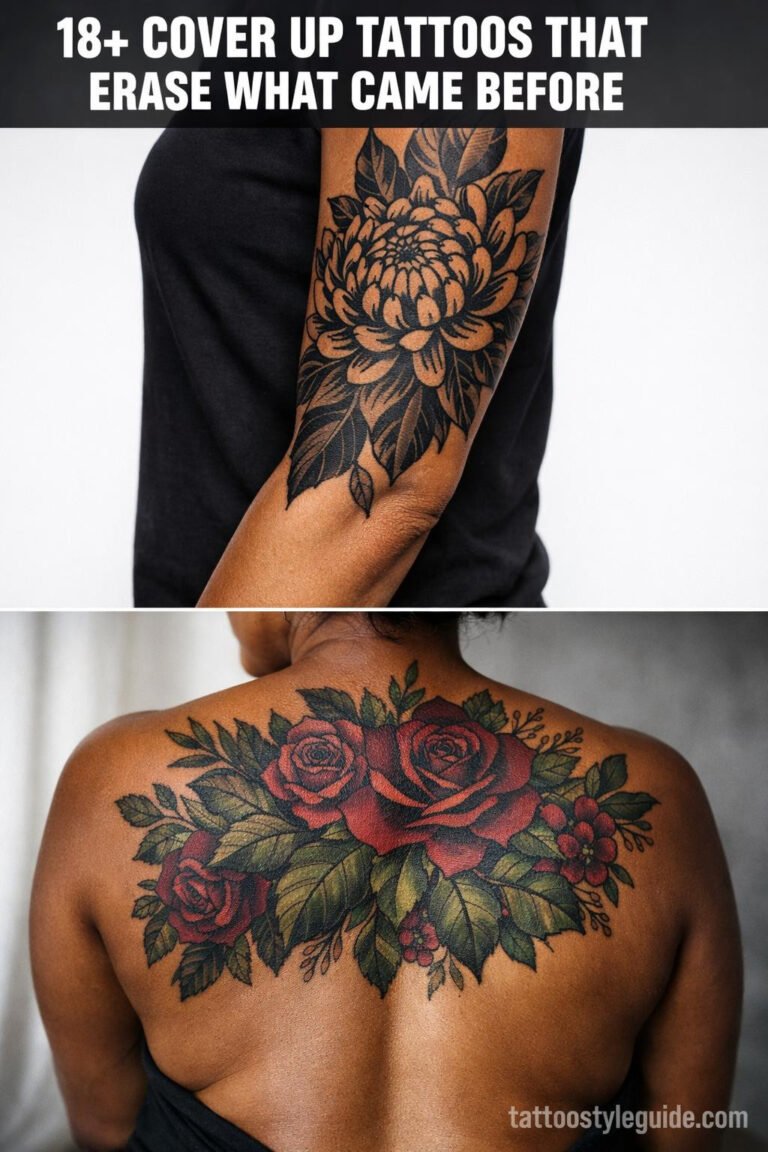
- Waiting and saving: A bad tattoo costs ten times more to remove or cover than a good one costs upfront. I’ve done cover-ups that took six hours to hide twenty minutes of amateur work.
The patience is hard. I get it. I’ve got tattoos I got impulsively at nineteen that I now wear as reminders, not proudly. The ones I planned and paid properly for? Those I don’t think about. They’re just part of me.
How Homemade Ink Ages
Professional black ink softens over time, goes from sharp black to charcoal gray, then blue-gray as it sinks. It’s predictable. Homemade ink does weird things. I’ve seen it turn greenish, which suggests copper contamination from the burning container. I’ve seen it disappear almost entirely, leaving just the needle tracks as white scars. I’ve seen it stay dark but blow out into fuzzy halos.
The body doesn’t “reject” carbon in the medical sense. It encapsulates it. But irregular particle sizes mean some get walled off by immune cells quickly, others migrate. The result is patchy. One area holds, another fades. No touch-up can fix that foundation.
Key Takeaways
Homemade tattoo ink is technically possible but practically problematic. The basic recipe, carbon soot mixed with liquid, has ancient roots, but modern understanding of infection control and particle behavior makes clear why professionals avoid it. If you’re considering this, the most important harm reduction is sterile needle technique and clean sourcing. Better yet, access professional supplies or wait for proper circumstances. A tattoo is permanent even when the ink isn’t. The scars, the infections, the blown-out lines, those last. I’ve sat with people crying in my chair about homemade work they got at sixteen. The cover-up is always more expensive, more painful, more limited in design than the original tattoo would have been if done right. Think about your future self. That person deserves better than whatever you can scrape together tonight.
Frequently Asked Questions
Can I use pen ink or India ink if I don’t have tattoo ink?
Pen ink contains solvents and dyes not meant for skin injection. India ink is closer but still not sterile or formulated for tattooing. I’ve seen both cause reactions that professional ink never would. It’s not worth the risk.
How long does homemade tattoo ink usually last in the skin?
It varies wildly. Some fades within months, especially on hands or feet. Other times it lasts but blows out into blurry gray patches. Professional ink is predictable; homemade is a gamble every time.
Is it legal to buy professional tattoo ink for personal use?
In most US states, yes, there’s no age restriction on purchasing ink itself, though some suppliers require ID. Needles are often restricted to 18+. Check your local regulations, but the real barrier is usually knowledge, not legality.
Why does my homemade tattoo look blue after healing?
Black ink often heals with a blue undertone as it settles deeper in the dermis. With homemade ink, this happens more dramatically because particles are irregular and migrate unpredictably. Professional ink is milled to minimize this effect.
Related Tattoo Guides
- How to Protect Your Tattoo From the Sun: A Real Guide
- How to Put a Tattoo Machine Together: A Shop Guide
- How to Reduce Tattoo Pain: A Real Shop Guide
- Explore more