Yes, tattoos hurt. But after fifteen years in shops from Portland to Austin, I can tell you that most people make it worse than it needs to be. The pain is real, it’s needles breaking skin thousands of times per minute, but it’s manageable, and there’s a lot you can do before, during, and after to keep yourself comfortable. This guide covers what actually works, what I’ve seen clients do right and wrong, and the honest truth about what to expect when you sit in my chair.
Prep Your Body Right
Think of your skin like a canvas. Dry, hungover, sleep-deprived skin fights back. Hydrated, rested skin takes ink better and hurts less. I can feel the difference immediately when someone walks in prepared versus someone who rolled out of bed after three hours of sleep.
Hydration and Nutrition
Drink water the day before, not just the morning of. I tell clients to start hydrating 24 hours out, your skin plumps up, the needle glides cleaner, and you bleed less. Less blood means less wiping, less stopping, faster session. Eat a solid meal two hours before. Not a greasy gut-bomb, but real food with protein and complex carbs. I’ve had people pass out from low blood sugar on hour three of a rib piece. It’s not the pain that got them, it’s the empty stomach.
- Drink 2-3 liters of water starting the day before
- Eat a balanced meal 2 hours prior, eggs, rice, chicken, fruit
- Avoid alcohol for 24 hours minimum (it thins blood and heightens sensitivity)
- Skip excessive caffeine morning-of (jitters + needles = bad combo)
Skin Condition Matters
Moisturize the area lightly for three days leading up, but not the morning of, slippery skin is hard to stencil. Don’t sunburn yourself. Don’t get a chemical peel. Don’t shave with a rusty razor and give yourself razor burn. I’ve had to reschedule clients because they destroyed their skin the day before. Fresh, healthy skin is the goal.
Choose Smarter Placement
Some spots are simply meaner than others. I’ve tattooed every inch of human anatomy, and I can tell you exactly where people grip the armrest white-knuckled and where they nearly fall asleep.
The meaty parts, outer upper arm, thigh, calf, are your friends. Lots of muscle padding, fewer nerve endings, easy breathing room. The bony, thin-skinned zones, ribs, spine, kneecap, ankle bone, sternum, inner bicep, those bite back. The sternum in particular; I’ve watched grown men tap out on line work that took twenty minutes.
- Easier: outer upper arm, front thigh, outer calf, upper back (muscle areas)
- Moderate: forearm, shoulder cap, lower back, hip
- Harder: ribs, spine, elbow ditch, kneecap, ankle bone, sternum, inner bicep
Your first tattoo? Don’t be a hero. Pick a spot with some cushion. You can always get the ribs later when you know what you’re walking into.
During the Session: What Actually Helps
This is where I spend my days, and this is where most people sabotage themselves. The mental game is everything. Pain is signal, not story, your brain interprets it, and you have more control than you think.
Breathing and Mental State
Shallow breathing amplifies pain. I coach people to breathe slow and deep, especially on outline work where the rhythm is predictable. Some clients count breaths. Others squeeze a stress ball. One guy I tattooed for years would do multiplication tables in his head for six-hour sessions. Whatever anchors you, use it. Tensing your whole body makes every line feel worse. Relax the muscles around the area being worked. It’s counterintuitive, someone’s hurting you, so you want to tighten up, but that resistance creates more sensation.
Breaks and Timing
Ask for a break when you need it, but don’t abuse them. Five minutes every hour keeps most people steady. Longer breaks let adrenaline drop, and getting back in hurts more than staying in the groove. I also see this a lot: don’t book a six-hour session for your first tattoo. Your pain tolerance isn’t trained yet. Start with three hours max. Build up. We see this a lot in the shop, ambitious first-timers who want a full sleeve day one and end up with a half-finished mess because their body quit before their vision did.
- Bring headphones and a playlist that grounds you
- Wear comfortable clothes that give easy access to the area
- Don’t look if watching makes you anxious, some people need to see, others don’t
- Bring a small sugary snack (candy, juice) for longer sessions
Numbing Creams: The Real Talk
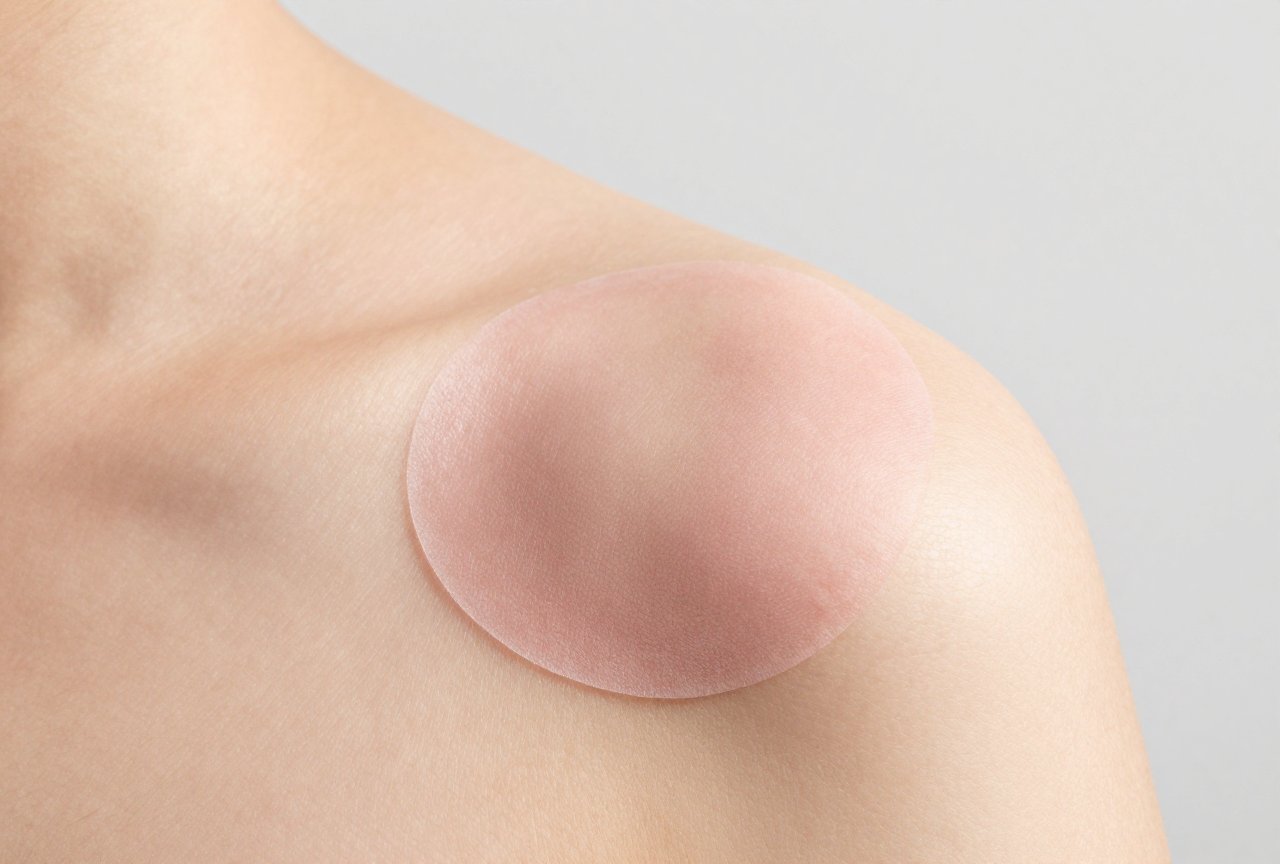
Every shop has opinions on this. Here’s mine from actual use: some numbing creams work temporarily, but they’re not magic and they can complicate the tattoo. The good ones (prescription-strength lidocaine compounds) take the edge off for the first hour or so. The over-the-counter stuff is mostly placebo with a slight tingle.
Problems I’ve hit: numbed skin doesn’t react normally, so I can’t read how it’s taking ink. Some creams constrict blood flow and make the area rubbery. Others wear off abruptly and the rebound pain hits harder because your endorphins didn’t ramp up gradually. If you use cream, tell your artist beforehand. Hiding it is disrespectful and potentially screws up the tattoo. Some artists refuse to work on numbed skin entirely, respect that policy. I allow it on a case-by-case basis, but I need to know.
Never use numbing cream on broken skin. Never reapply during the session without asking. And never, ever use it as a substitute for proper prep and mental readiness.
Aftercare and Healing Comfort
The tattoo isn’t done hurting when you leave the shop. The first night is often the worst, raw, throbbing, tight skin that feels like a bad sunburn with a side of ache. Good aftercare reduces this secondary pain significantly.
Keep it clean and lightly moisturized. Dry tattoos crack, and cracked skin hurts worse and heals poorly. Don’t suffocate it in petroleum jelly, your skin needs to breathe. I use a thin layer of fragrance-free lotion, applied 2-3 times daily after the first wash. Don’t pick scabs. Don’t let clothing rub constantly. Sleep in a position that doesn’t press the fresh work into the mattress.
- Wash gently with unscented soap after 4-6 hours
- Pat dry, never rub
- Apply thin lotion; skin should look moisturized, not greasy
- Avoid soaking (baths, pools, hot tubs) for 2-3 weeks
- Keep out of direct sun during healing
The healing itch is real and it’s maddening. Slap the skin near the tattoo, don’t scratch it. I’ve seen people dig trenches in fresh work because they couldn’t handle the itch. Prepare for that mentally, it hits around day four or five.
Key Takeaways
Here’s what I want you walking away with: tattoo pain is real but it’s temporary, and you have more control than you think. Hydrate and eat properly. Pick a forgiving spot for your first piece. Breathe deep, stay loose, and don’t book beyond your physical limits. Be honest with your artist about numbing cream. Take aftercare seriously, the healing hurt is avoidable with simple discipline. Most importantly, remember that millions of people sit through this every year. The pain is part of the ritual, but it shouldn’t be torture. With smart preparation, you’ll get through it, and you’ll have something permanent that you chose. That’s worth a few hours of discomfort.
Frequently Asked Questions
Does getting tattooed over muscle really hurt less than bone?
Generally yes. Muscle and fat provide padding that absorbs needle vibration. Bone sits right under thin skin with nerve endings packed tight, ribs, ankles, and collarbones are notorious for a reason. That said, everyone’s nerve map is slightly different.
Can I take painkillers before my appointment?
Avoid blood thinners like aspirin and ibuprofen, they increase bleeding and can affect how ink settles. Acetaminophen is usually safer for pain, but I tell clients to check with their artist first since policies vary shop to shop.
Why does my tattoo hurt more the day after than during the session?
Your adrenaline and endorphins crash after you leave, and the inflammation peaks around 24-48 hours. The session itself has a rhythm that your body adapts to; the aftermath is static, unrelenting soreness without the distraction of needle buzz.
Is it normal to feel dizzy or nauseous during a tattoo?
Yes, it happens. Usually it’s vasovagal response, blood pressure drops from stress, pain, or sitting still too long. Tell your artist immediately. We’ll have you lie back, raise your legs, and get you some sugar. Never be embarrassed; we’ve seen it hundreds of times.
Related Tattoo Guides
- How Long After Surgery Can You Get a Tattoo?
- How to Create a Sleeve Tattoo Design: A Working Artist s Guide
- How to Make a Tattoo Stencil Without Transfer Paper
- Explore more